
Trees
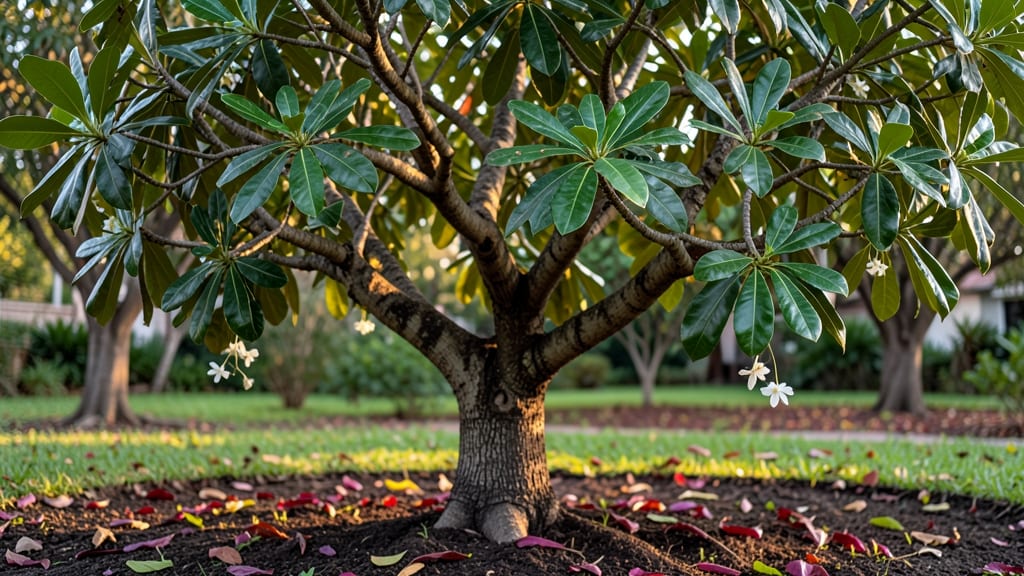
Planting a tropical almond tree (Terminalia catappa) in Florida means you’re getting a sun-loving powerhouse that handles humidity like a champ. 🌿 The tree’s glossy leaves and edible nuts make it a standout in any yard, but it needs the right spot and care to really shine—especially in our subtropical heat.
I’ve grown these in Florida for years, and the key is mimicking their natural coastal habitat while keeping pests at bay.
Start with well-draining soil—sandy loam works best—and pick a location with full sun (at least 6 hours daily). The tree tolerates poor soil but thrives in slightly acidic to neutral pH. Water deeply after planting, then let the soil dry slightly between waterings; overwatering is the biggest mistake I see.
Young trees need consistent moisture, while mature ones handle drought surprisingly well.
By summer, you’ll notice the tree’s signature leathery, papery leaves turning brilliant shades of red and gold—especially in cooler months. The nuts drop in fall, and while they’re not as sweet as store-bought almonds, they’re a fun, edible bonus.
Prune lightly in late winter to shape the tree and remove dead branches, but avoid heavy cuts that stress it.
Watch for scale insects or root rot in Florida’s heat and humidity—both are common here. A strong airflow from pruning helps prevent pests, and mulching keeps roots cool. With the right care, this tree grows 20-40 feet tall, making it a stunning shade provider and conversation starter for decades.
📚 In This Guide
- What you need
- Instructions
- Tips and common mistakes
- Wrapping up and next steps
What you need
- ● Tropical Almond Tree Seedlings: 1–2 Terminalia catappa saplings (hardy to USDA Zones 10–12). Opt for 1–3 ft tall nursery-grown trees for faster establishment.
- ● Well-Draining Soil: 5–10 bags (20 lb each) of a mix like miracle-gro® Garden Soil + perlite or coarse sand (1:1 ratio) to prevent root rot.
- ● Pot (Temporary) or Planting Hole: For container growing: 1 large (20–30 gallon) fabric grow bag or heavy-duty plastic pot with drainage holes.
- ● For in-ground planting: Dig a hole twice as wide and deep as the root ball.
- ● Mulch: 2–3 bags (10 cu ft each) of pine bark fines or cypress mulch to retain moisture and regulate soil temp.
- ● Watering Can or Hose: A soaker hose (for deep watering) or a 5-gallon watering can with a long spout.
- ● Fertilizer: Slow-release balanced fertilizer (e.g., 8-8-8 or 10-10-10, 1 lb per tree).
- ○ Optional boost: Citrus/Micro Mix (1 tbsp per foot of tree height) for micronutrients.
- ● Pruning Tools: 1 pair bypass pruners (for small branches).
- ● 1 felco pruner or loppers (for thicker stems).
- ● 1 sterilizing solution (e.g., rubbing alcohol or bleach) to prevent disease.
- ○ Sun Protection (Optional but Helpful): Shade cloth (30–50%) for young seedlings during extreme heat (10’x10’ sheet).
- ● Windbreaks (e.g., bamboo screens) if planting in exposed areas.
- ● Soil Test Kit: To check pH (ideal: 6.0–7.5) and adjust with lime or sulfur if needed.
- ● Drip Irrigation System: Automates watering (great for Florida’s humidity!).
- ● Tree Support: 1–2 stakes + soft ties for young trees in windy areas.
- ● Pest Control: Neem oil (for aphids/spider mites).
- ● Beneficial nematodes (to combat grubs).
- ● Compost: 1–2 bags of well-aged compost to enrich soil before planting.
Step-by-Step guide to planting and cultivating tropical almond trees in Florida
Here’s how to establish sun-loving tropical almond trees that flourish in Florida’s humid heat.
🌱 Step 1: Select the Right Variety and Planting Site
Florida’s climate favors tropical almond varieties like Terminalia catappa (Indian almond) or Canarium commune (Queensland nut), both of which thrive in USDA Zones 10-11. Choose a well-drained site with full sun exposure—at least 6-8 hours of direct sunlight daily—and protect young trees from harsh afternoon winds.
Soil pH should be slightly acidic to neutral (6.0-7.0). If your soil is heavy clay, amend it with 3-4 inches of compost and 1-2 inches of coarse sand to improve drainage. Tropical almonds hate soggy roots, so avoid low-lying areas where water pools after rain.
🪴 Step 2: Plant at the Correct Time and Depth
Plant tropical almond trees in early spring (February-March) to give roots time to establish before summer’s peak heat. Dig a hole twice as wide as the root ball but no deeper—this encourages root spread rather than settling too low. Place the tree so the root flare (where roots meet trunk) sits 1-2 inches above ground level.
Backfill with native soil mixed with 1 part compost to improve fertility. Water deeply to eliminate air pockets, then mulch with 2-3 inches of organic mulch (like pine bark or wood chips) to retain moisture and regulate soil temperature. Keep mulch 6 inches away from the trunk to prevent rot.
☀️ Step 3: Water and Fertilize for Optimal Growth
Water newly planted trees deeply 2-3 times per week for the first 6-8 weeks, ensuring the soil stays consistently moist but not waterlogged. Once established, tropical almonds tolerate drought but produce better yields with 1 inch of water weekly during dry spells. Avoid overhead watering to prevent fungal diseases.
Fertilize in early spring and mid-summer with a balanced, slow-release fertilizer (10-10-10 or 8-3-9). Apply ½ cup per year of tree age (e.g., ½ cup for a 1-year-old tree, 1 cup for a 2-year-old). Micronutrients like zinc and manganese (common in Florida soils) can be added annually to prevent deficiency.
✂️ Step 4: Prune for Shape and Airflow
Prune tropical almond trees in late winter or early spring before new growth begins. Remove dead, diseased, or crossing branches first, then thin the canopy to improve airflow and sunlight penetration. Aim for an open, vase-like shape to reduce humidity buildup in dense foliage.
Never prune more than 25% of the canopy in one season—this stresses the tree. Use sterilized pruning shears to make clean cuts just above outward-facing buds. Seal larger wounds (over ½ inch in diameter) with pruning sealant to prevent infection.
🌿 Step 5: Protect from Pests and Monitor for Stress
Watch for scale insects, mealybugs, or citrus leaf miners, which can infest tropical almonds. Treat early signs with neem oil or horticultural oil, applying in early morning or late evening to avoid harming beneficial insects. Avoid chemical pesticides, as they can harm Florida’s pollinators.
Yellowing leaves often signal iron or nitrogen deficiency—common in Florida’s sandy soils. If leaves appear pale green or yellow between veins, apply chelated iron or a nitrogen-rich fertilizer (like blood meal) and adjust watering to prevent leaching. Overwatering can also cause root rot, so ensure drainage remains optimal.
⏰ Step 6: Harvest and Maintain Long-Term Health
Tropical almond trees produce edible nuts in 3-5 years, typically from late summer to early fall. Harvest when the outer husk turns brown and splits open—this indicates the nut inside is fully mature. Collect fallen nuts promptly to prevent pests or mold.
Mature trees require minimal care beyond annual pruning and fertilization. However, thin out excess fruit in young trees (leave 1-2 nuts per cluster) to encourage larger, higher-quality harvests. Mulch annually to maintain soil moisture and temperature, and monitor for canker diseases—remove infected branches immediately to prevent spread.
Tips & tricks for growing tropical almond trees in Florida's climate
Florida’s humid conditions demand special attention when cultivating tropical almonds—here’s how to maximize success with these sun-loving varieties.
Sunlight Optimization: While the instructions specify 6-8 hours of direct sunlight daily, I’ve found that morning sun (before 10 AM) and afternoon shade (after 4 PM) can actually improve survival rates for young trees. Use shade cloth (30-50%) during peak afternoon heat if planting in exposed areas. This balances light exposure without stressing tender leaves.
Soil Preparation Strategy: Florida’s sandy soils often lack organic matter, so I recommend going beyond the 3-4 inches of compost mentioned in Step 1. Mix in 1 part coconut coir with the compost to improve moisture retention—this mimics the tropical forest floor where these trees naturally thrive. Test soil drainage by digging a hole and filling it with water; if it drains within 2 hours, your site is ideal.
Pruning Precision: When pruning in late winter (Step 4), focus on creating an open vase shape rather than just removing dead branches. This improves airflow and reduces humidity buildup in the canopy, which is critical for Florida’s damp climate. I always make cuts at a 45-degree angle just above outward-facing buds—this promotes faster healing and better regrowth.
Pest Prevention Insight: The instructions mention neem oil for pests, but I’ve had better results with a soapy water spray (1 tsp mild dish soap per gallon of water) for early detection of scale insects. Apply in early morning to avoid harming pollinators, and repeat weekly during Florida’s humid months (June-September). This creates a protective barrier that deters pests before they establish colonies.
Pro Tips for Tropical Almond Tree Florida
- Florida’s humid conditions demand special attention when cultivating tropical almonds—here’s how to maximize success with these sun-loving varieties.
- Sunlight Optimization: While the instructions specify 6-8 hours of direct sunlight daily, I’ve found that morning sun (before 10 AM) and afternoon shade (after 4 PM) can actually improve survival rates for young trees.
- Soil Preparation Strategy: Florida’s sandy soils often lack organic matter, so I recommend going beyond the 3-4 inches of compost mentioned in Step 1.
Frequently asked questions
Got questions about growing a tropical almond tree in Florida’s heat and humidity? You’re in the right place! Here are answers to the most common queries—from planting tips to troubleshooting—so you can nurture a thriving tree with confidence.
Can tropical almond trees survive Florida’s hurricanes and storms?
A tropical almond tree (Terminalia catappa) is hardy but not hurricane-proof. While it tolerates wind up to 110 mph, mature trees with deep roots can recover, but young saplings may need staking or temporary shelter. Plant in well-drained soil and avoid low-lying areas prone to flooding. Prune weak branches annually to reduce storm damage risk.
How long does it take for a tropical almond tree to bear fruit in Florida?
Patience is key! Tropical almond trees typically take 5–7 years to mature enough to produce fruit in Florida’s climate. Factors like soil quality, sunlight, and care can speed this up slightly, but don’t expect nuts before the tree reaches 15–20 feet tall. Young trees focus on root and canopy growth first.
What’s the best alternative if I can’t grow a tropical almond tree?
If space or climate concerns hold you back, consider these Florida-friendly alternatives:
- Macadamia nut tree (Macadamia integrifolia) – Thrives in sandy soil but needs full sun and drought tolerance.
- Pecan tree (Carya illinoinensis) – Native to Florida and produces edible nuts, though it prefers drier conditions.
- Avocado tree (Persea americana) – Fast-growing and heat-loving, though it’s technically a fruit, not a nut.
Why are my tropical almond tree leaves turning yellow or dropping?
Yellowing leaves (chlorosis) or premature drop are usually signs of:
- Overwatering – Tropical almonds hate soggy roots. Ensure well-draining soil and water only when the top 2 inches are dry.
- Nutrient deficiency – Apply a balanced fertilizer (6-6-6) in early spring and again after fruiting.
- Fungal issues – Check for powdery mildew or root rot. Prune affected branches and avoid overhead watering.
Do tropical almond trees attract pests in Florida?
While generally pest-resistant, tropical almond trees may face:
- Scale insects – Look for sticky residue (honeydew) on leaves. Treat with neem oil or insecticidal soap.
- Termites – Young trees are vulnerable. Use termite-resistant mulch (e.g., pine bark) and avoid wood chips near the trunk.
- Birds – They love the nuts! Install netting once the tree starts producing to protect your harvest.
Wrapping up and next steps
Growing a tropical almond tree in Florida is a rewarding journey—perfect for gardeners who love bold flavors and lush foliage! 🌴 With the right variety, soil, and care, you’ll enjoy sweet nuts and stunning tropical vibes year-round.
Whether you’re a seasoned gardener or just starting, this sun-loving tree is a fantastic addition to your landscape.
Ready to take the next step? Start by selecting your favorite variety (like the Terminalia catappa or Canarium ovatum) and plant it in a sunny spot with well-draining soil. Watch your tropical oasis grow—and soon, you’ll be harvesting homegrown almonds! 🌱✨