
Pruning
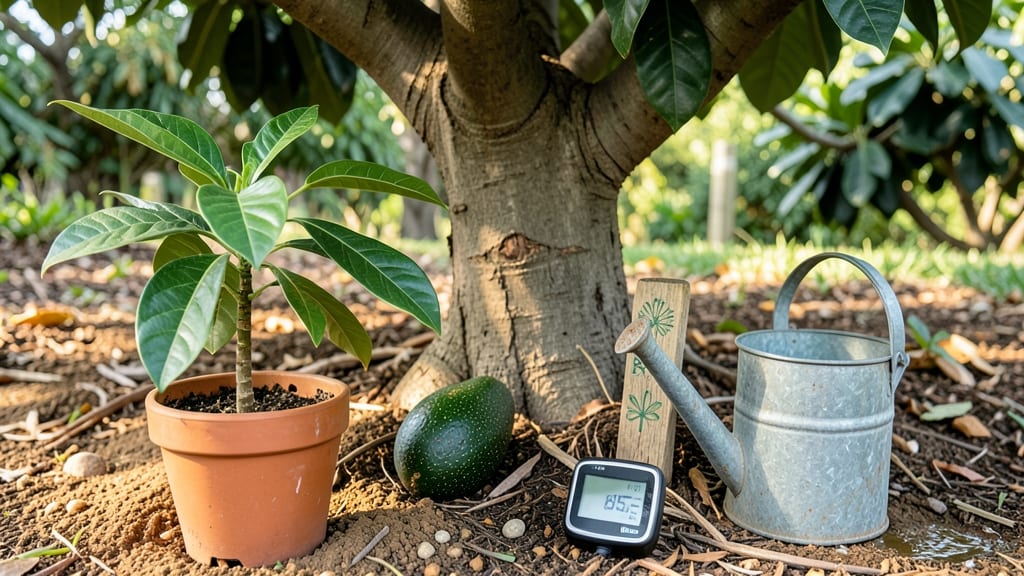
Getting your avocado tree to bear fruit starts with understanding its stubborn nature—most trees won’t fruit indoors, and even outdoor ones need three critical tricks to break through. ✨ I’ve watched mine go from a lush houseplant to a fruit-bearing tree by focusing on light, pollination, and patience, and the difference is night and day.
The biggest misstep? Assuming your tree will fruit just because it’s healthy. Avocados need full sun (6+ hours daily), proper pollination (often requiring a second tree or hand-pollination), and consistent care for years before fruiting. My tree took 5 years of perfect conditions before its first fruit—don’t rush it.
Once you nail these, you’ll see thick, glossy leaves and eventually, those coveted green fruits. The key is adjusting care as the tree matures: more water in summer, pruning to open the canopy, and protecting young fruit from pests.
Outdoor trees fruit faster, but indoor ones can still produce with the right setup.
Common pitfalls? Overwatering (roots rot easily), not pollinating (no fruit = no harvest), and expecting fruit too soon. Stick with it—your first avocado will be worth every wait. Ready to troubleshoot? Let’s dive into the details.
📚 In This Guide
- What you need
- Instructions
- Tips and common mistakes
- Wrapping up and next steps
What you need
- ● Avocado seed – A fresh, healthy seed from a ripe avocado (preferably Hass variety).
- ● Well-draining potting mix – A blend of peat moss, perlite, and coconut coir (or a commercial cactus/succulent mix). Quantity: 2–3 gallons per seedling.
- ● 6-inch pots or containers – With drainage holes. Quantity: 1 per seedling (upgrade to 1-gallon pots as the tree grows).
- ● Watering can or spray bottle – For gentle hydration (avoid soggy soil!).
- ● Grow lights or sunny windowsill – 6–8 hours of indirect light daily (south-facing window or LED grow lights).
- ● Balanced fertilizer – 10-10-10 or 20-20-20 NPK ratio. Quantity: 1 tbsp per gallon of water, applied every 4–6 weeks once the tree is 6+ months old.
- ● Pruning shears – Sharp, clean shears for trimming (sterilize with rubbing alcohol between cuts).
- ○ Support stake or trellis – Optional but helpful for young trees to prevent toppling.
- ● Rooting hormone – Speeds up seed germination (dip the seed before planting).
- ● Humidity dome or plastic wrap – Keeps moisture in during the early stages.
- ● Soil moisture meter – Ensures you’re not over- or under-watering.
- ● Epsom salt (magnesium sulfate) – Boosts leaf health if yellowing appears.
- ● Pollination aid – A small paintbrush to manually pollinate flowers (if indoors).
Step-by-step instructions for encouraging avocado fruit production
Avocados take time, but these proven techniques will set your tree up for success.
🌱 Step 1: Provide Year-Round Warmth and Light
Avocados need consistent temperatures between 65-85°F to thrive. If you're growing indoors, position your tree near a south-facing window where it receives 6+ hours of direct sunlight daily. I've found that supplementing with a grow light 12-14 hours per day during winter months prevents leggy growth and maintains energy for fruit production.
Watch for leaves that yellow or drop—this is your signal the tree is too cold. In colder climates, bring potted trees indoors before temperatures drop below 50°F. The key is stability; avocados hate sudden temperature swings, which stress the tree and divert energy away from flowering.
☀️ Step 2: Support Proper Pollination
Most avocado varieties are self-pollinating, but they need a gentle assist to set fruit. I like to use a small paintbrush to transfer pollen between flowers in the morning when they're open. Focus on flowers that have bright yellow petals and a slight sweet scent—these are the most receptive.
If you're growing outdoors, consider planting two compatible varieties (like Hass and Fuerte) nearby. Bees will handle the rest, but indoor growers must take this step manually. The best time is early morning when humidity is high and flowers are fresh. You'll see tiny fruit swell within 2-3 weeks if pollination was successful.
💧 Step 3: Adjust Watering for Flowering Season
Avocados need deep watering every 7-10 days during active growth, but reduce frequency to every 2-3 weeks when buds form. The goal is to encourage stress-induced flowering—slight water restriction signals the tree to focus on reproductive growth instead of foliage.
Check soil moisture by sticking your finger 2 inches deep. If it feels dry, water thoroughly until it drains from the bottom. Overwatering now causes buds to drop. I also fertilize lightly with a balanced 10-10-10 during this phase to support bud development without overstimulating leaf growth.
✂️ Step 4: Prune for Airflow and Light Penetration
Light pruning in late winter—before new growth begins—helps redirect energy to fruit production. Remove dead, crossing, or inward-growing branches first, then thin the canopy to allow sunlight to reach the center. I aim to keep the tree open and vase-shaped, which improves airflow and reduces disease risk.
Never remove more than 25% of the foliage at once. You'll notice new shoots emerge within 4-6 weeks—these are your tree's way of compensating. Prune again after harvest to maintain shape, but avoid heavy cuts during flowering season when the tree is already diverting energy to fruit development.
🍈 Step 5: Protect Developing Fruit
Young avocado fruit is highly susceptible to dropping if stressed. Once fruit appears, maintain consistent care—no more watering adjustments, no major pruning, and no repotting. I've found that lightly staking larger fruit (over 3 inches) prevents wind damage and uneven growth.
Watch for pests like avocado lace bugs or disease signs like black mold on fruit. Treat immediately with neem oil or horticultural oil to protect the crop. Mature fruit takes 6-12 months to ripen, so patience is key—don't rush harvest by picking early.
Tips & tricks for encouraging avocado fruit production
Growing fruit on an avocado tree requires patience, but these insider tricks will help you optimize every step of the process.
The Light Factor: Position your tree near a south-facing window where it gets direct sunlight for at least 6 hours daily. If natural light is insufficient, supplement with a grow light for 12-14 hours during winter months. I've noticed that trees with consistent light exposure develop buds more reliably than those with intermittent sunlight.
Stress-Induced Flowering: The key to triggering flowering is controlled water restriction during bud formation. Reduce watering to every 2-3 weeks once you see buds forming, but never let the soil dry out completely. Think of it as a gentle drought signal—just enough stress to prompt reproductive growth without harming the tree. This is why I always check soil moisture 2 inches deep before watering.
Pollination Timing: Early morning is absolutely critical for manual pollination. Flowers open best when humidity is high, and the pollen is most receptive. Use a soft paintbrush to gently transfer pollen between flowers—don't press too hard, as this can damage delicate petals. I've found that consistent pollination over 3-5 days maximizes fruit set, especially for indoor trees.
Fruit Protection: Once fruit appears, maintain absolute consistency in care. Any changes—watering adjustments, pruning, or repotting—can cause stress that leads to fruit drop. For larger fruit over 3 inches, I recommend light staking to prevent wind damage. This simple step has saved countless developing avocados in my own garden.
Pro Tips for Get An Avocado Tree To Bear Fruit
- Growing fruit on an avocado tree requires patience, but these insider tricks will help you optimize every step of the process.
- The Light Factor: Position your tree near a south-facing window where it gets direct sunlight for at least 6 hours daily.
- Stress-Induced Flowering: The key to triggering flowering is controlled water restriction during bud formation.
Frequently asked questions
about growing avocado trees—and getting those coveted fruits—can be tricky! Here are answers to the most common queries to help you troubleshoot and succeed.How long does it take for an avocado tree to bear fruit?
Most avocado trees take 3–13 years to bear fruit, depending on the variety, growing conditions, and care. Dwarf varieties (like ‘Wurtz’) may fruit sooner (3–5 years), while standard trees can take over a decade. Patience is key—consistent care speeds up the process!
Why isn’t my avocado tree flowering or fruiting?
Common reasons include:
- Insufficient sunlight: Avocados need 6–8+ hours of direct sun daily.
- Improper pollination: Hand-pollinate with a small brush if bees aren’t visiting.
- Nutrient deficiencies: Test soil for zinc, nitrogen, or potassium—lack of these can stall flowering.
- Young age: Trees under 3–5 years often focus on growth, not fruit.
Do avocado trees need a cold period to fruit?
Most avocado varieties (like Hass) are tropical/subtropical and don’t require cold dormancy. However, some types (e.g., Fuerte) may need cool nights (50–60°F) to trigger flowering. If you’re in a warm climate, ensure consistent temps and proper watering instead.
Can I grow an avocado tree indoors and still get fruit?
Indoor avocado trees (grown from pits) are unlikely to fruit because they lack sunlight, space, and pollination. For fruit, plant outdoors in USDA Zones 9–11 (or grow in containers in warmer zones). If you love the plant anyway, enjoy its decorative leaves—just don’t expect avocados!
What should I do if my avocado tree drops flowers or fruit?
Flower/fruit drop is often due to:
- Overwatering: Keep soil moist but well-draining.
- Nutrient imbalance: Fertilize with citrus/avocado-specific food high in zinc.
- Stress: Avoid pruning during flowering or extreme temp swings.
- Pests/disease: Inspect for avocado lace bugs or fungal spots.
Wrapping up and next steps
Growing an avocado tree to fruition is all about patience, consistency, and care—but trust us, it’s worth it! 🌱 With the right pruning, pollination, and environmental love, your tree will reward you with luscious, creamy avocados in time.
Start small, stay observant, and soon you’ll be enjoying homegrown fruit straight from your backyard.
Ready to take the next step? Monitor your tree’s progress, adjust care as needed, and celebrate every new leaf or flower! 🎉 If you’re eager for more tips, explore our guide on avocado tree pests or join gardening forums to connect with fellow growers.