
Pruning
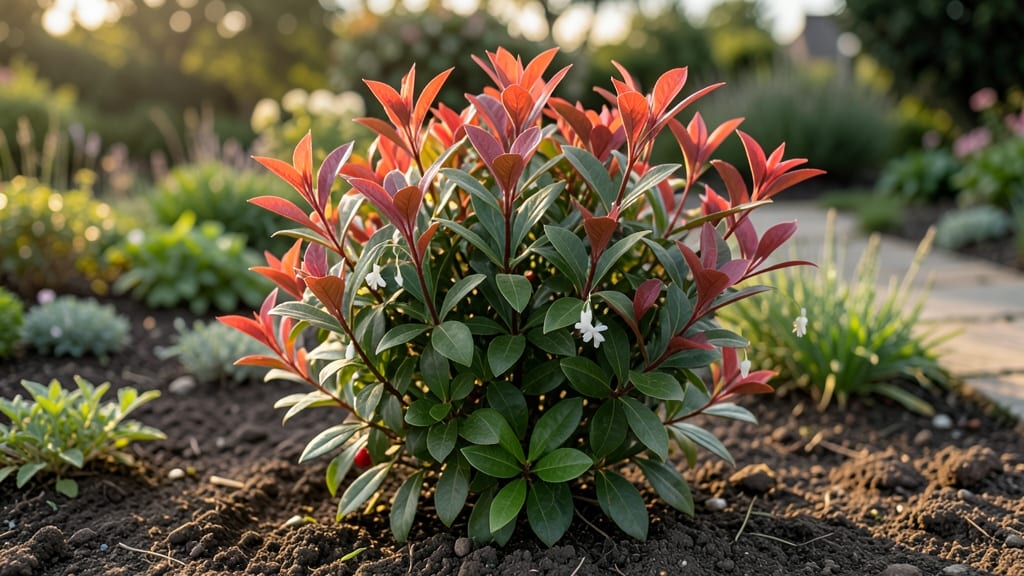
A Red Tip Photinia tree can reach a height of 15 to 25 feet if left unchecked, but its rapid growth and striking foliage make smart planning essential.
If you're dreaming of a vibrant, low-maintenance hedge or privacy screen, the Red Tip Photinia could be your perfect match—but its fast growth and eventual height demand smart planning.
Understanding its mature size and growth rate helps you choose the right variety, from standard types to dwarf options that stay under 10 feet. Pruning at the right time can also keep it in check while preserving its signature red tips.
In this guide, I’ll break down how tall it gets, how quickly it grows, and the best ways to manage its height—so you can enjoy its beauty without the headaches.

How tall does a Red Tip Photinia grow? Mature height & growth rate breakdown
The Red Tip Photinia (Photinia fraseri) is a showstopper in any landscape, thanks to its brilliant red new growth that transitions to deep green. But before you plant, understanding its mature height and growth rate is key to planning.
This fast-growing shrub typically reaches 15 to 25 feet tall under ideal conditions, though its height can vary dramatically based on variety, pruning, and growing conditions.
If you're envisioning a privacy screen or hedge row, the standard variety will soar—expect 2 to 3 feet of growth per year in optimal settings. However, dwarf varieties like 'Little Red' stay compact at just 6 to 10 feet, making them perfect for smaller yards.
The key to managing its height lies in understanding its growth habits and environmental needs.
Your Red Tip Photinia's ultimate height depends heavily on its growing conditions. In rich, well-draining soil with full sun exposure, it will grow aggressively, reaching its maximum height faster. However, in shadier conditions or poorer soil, growth slows, and the shrub may stay shorter.
For example, in USDA zones 7-10, where it thrives, you'll see the fastest growth, while cooler climates may limit its height to the lower end of the spectrum.
Another critical factor is pruning frequency. Without regular pruning, a Red Tip Photinia can become leggy and overgrown, reaching its full 25-foot potential.
However, strategic pruning in late winter or early spring can keep it at a manageable 8 to 12 feet, ideal for hedges or foundation plantings.
The first year after planting, expect only 2 to 3 feet of growth, but by year three, it can double in height if left unchecked.
If you're planting near a property line or neighbor's fence, consider the dwarf varieties—they offer the same stunning foliage without the space demands. For instance, 'Little Red' grows just 1 to 2 feet per year, making it easier to control with minimal pruning.
This variety is perfect for small gardens or container growing, where space is limited but color is a priority.
Climate also plays a role in growth rate. In southern states like Florida or California, where winters are mild, Red Tip Photinia grows nearly year-round, reaching maturity faster.
In contrast, in northern zones like 6 or 7, growth slows in winter, and the shrub may take longer to reach its full height. Always check your local frost dates—planting too early can stunt root development, affecting long-term growth.
For those in urban environments, where space is tight, consider the growth rate when planning. A standard Red Tip Photinia can outgrow its welcome in just a few years, while dwarf varieties provide the same visual impact with far less maintenance.
If you love the idea of a living privacy screen but lack the yard space, opt for the 'Little Red' variety and prune annually to maintain your desired height.
One common misconception is that Red Tip Photinia grows at a steady rate every year. In reality, growth spurts can vary—expect faster growth in spring and summer and slower growth in fall and winter.
This variability means you may see 3 feet of growth in one season and only 1 foot the next, depending on weather and care. Monitoring its growth and adjusting pruning accordingly will help you keep it at your ideal height.
Whether you're aiming for a tall privacy screen or a compact accent plant, choosing the right variety and understanding its growth habits will set you up for success. With the right care, your Red Tip Photinia will thrive, offering year-round interest with minimal effort.
Just remember: the sooner you start pruning, the easier it is to manage its height long-term.
When & how to prune Red Tip Photinia for height control: expert timeline
Your Red Tip Photinia can grow 2-3 feet annually, making height control essential for maintaining your landscape design. The best time to prune is late winter or early spring, just before new growth begins.
This timing ensures you don’t interfere with the plant’s natural hardening process and preserves its vibrant red foliage.
Pruning at the right time isn’t just about timing—it’s also about technique. A sharp bypass pruner or hand pruners will give you clean cuts, while a pruning saw handles thicker branches.
Always sterilize your tools with rubbing alcohol to prevent disease spread, especially bacterial canker, which can be fatal to Photinia.
⚠️ callout warning ⚠️
⚠️ Pruning Mistakes to Avoid
- Pruning in fall/winter: New growth may not harden off before cold snaps, leaving branches vulnerable to frost damage.
- Cutting into old wood: This reduces flowering potential and stresses the tree, weakening its structure over time.
- Using dull tools: Ripped cuts invite disease—always use sharp, sterilized tools to maintain plant health.
Start by removing dead or diseased branches first—these are easy to spot as they lack the signature red tips and may appear brown or blackened. Next, shape the plant by cutting back overgrown branches to your desired height.
Aim to reduce branches by no more than 25-30% per year to avoid shocking the plant. For a neat hedge look, use a hedge trimmer to create clean lines.
If you’re targeting a specific height, such as 6-8 feet for a privacy screen, focus on pruning the topmost branches first. This encourages bushier growth lower down while keeping the overall height in check.
Avoid heavy pruning in a single session—space it out over 2-3 sessions if needed, especially for mature plants.
After pruning, apply a balanced fertilizer (like 10-10-10) to support new growth. Water deeply to help the plant recover, and mulch around the base to retain moisture and regulate soil temperature.
Monitor the plant closely in the weeks following pruning for any signs of stress, such as yellowing leaves or stunted growth.
For long-term height control, consider pruning twice a year: once in late winter for major shaping and again in early summer to maintain form. This approach keeps your Red Tip Photinia looking its best while preventing it from becoming unmanageable.
With consistent care, you’ll enjoy its stunning foliage without the hassle of an overgrown shrub.