
Pruning
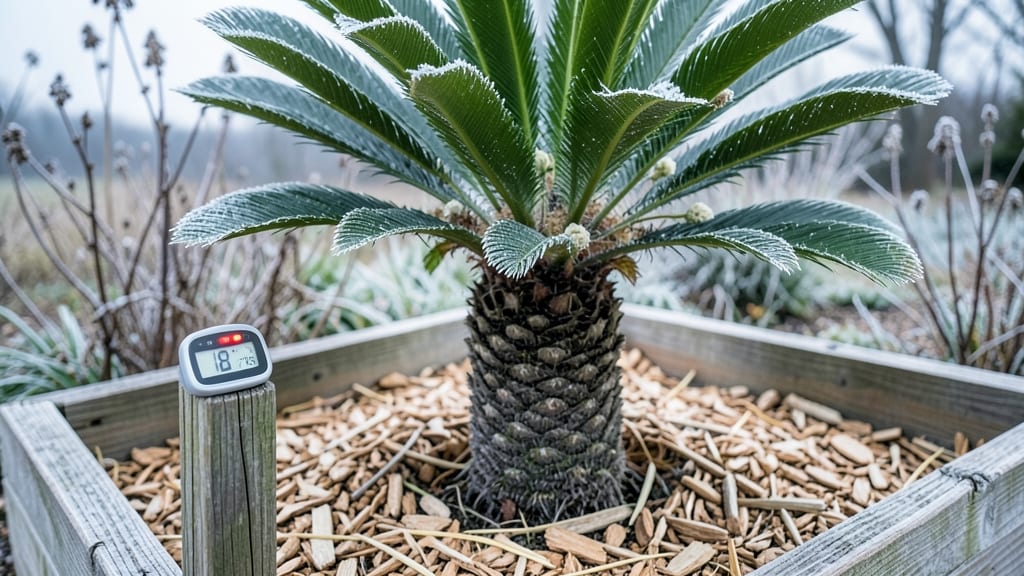
Understanding palm tree cold tolerance is key—hardy varieties like the Windmill Palm endure down to USDA Zone 8 (10°F/-12°C), while tropical species such as the Royal Palm perish in frost. Strategic mulching, trunk wrapping, and selecting cold-resistant species dramatically boost survival chances in chilly regions.
Cold tolerance in palm trees hinges on their native climates—species from Mediterranean regions like the Needle Palm (Zone 5) handle frost better than tropical palms from Florida or Hawaii. 🌱 The critical threshold is 28°F (-2°C), where most palms suffer irreversible cellular damage, leading to leaf scorch or death.
Even hardy palms need protection when temperatures dip below 32°F (0°C), as prolonged exposure triggers irreversible damage to their vascular systems.
For gardeners in marginal zones, combining mulch blankets** (4-6 inches deep) with trunk wraps made from burlap or bubble wrap creates a microclimate that can raise soil temperatures by 5-10°F.
I’ve seen dramatic differences in survival rates when using these methods during unexpected late-spring frosts—sometimes the difference between total loss and a fully recovered palm.
💡 In This Article
- USDA Zones and Cold Hardiness by Palm Tree Species
- Protecting Palm Trees from Freezing Weather: Step-by-Step Guide
USDA zones and cold hardiness by Palm tree species
The cold tolerance of palm trees boils down to their evolutionary origins.
Species like the Needle Palm (Zone 5) evolved in mountainous regions of Central America, where temperatures can drop to 10°F (-12°C), while tropical palms like the Coconut Palm (Zone 10-11) originate from coastal climates where frost never occurs.
This explains why Needle Palms survive -10°F (-23°C) brief exposures, while Canary Island Date Palms (Zone 9) begin suffering damage at 25°F (-4°C). 🌟
Cellular damage occurs when ice crystals form in the palm's vascular system, disrupting nutrient transport. At 28°F (-2°C), most palms experience leaf scorch—a telltale brown discoloration—because their fronds lack protective adaptations.
The Windmill Palm (Trachycarpus fortunei), however, has thicker cuticles and can withstand 10°F (-12°C) for short periods, making it the gold standard for cold climates. Tropical palms like the Royal Palm (Roystonea regia) die when temperatures drop below 32°F (0°C), as their delicate tissues lack frost resistance.
What most gardeners overlook is how wind exposure amplifies cold damage. Palms lose heat rapidly in windy conditions, so sheltered locations can extend their cold tolerance by 2-3 USDA zones.
For example, a Mediterranean Fan Palm (Chamaerops humilis) in Zone 7 might survive 15°F (-9°C) in a protected microclimate but die at 18°F (-8°C) in an exposed area. This is why selecting the right species—and planting them strategically—is critical for long-term survival.
Another key factor is the palm's growth rate. Fast-growing species like the Pygmy Date Palm (Phoenix roebelenii) (Zone 10) are more vulnerable to cold because their younger fronds lack the protective wax coatings of mature palms.
Even hardy palms need time to acclimate—young Windmill Palms in Zone 8 may require extra protection until they reach 5-7 years old, when their trunks thicken and provide better insulation. 💫
For visual reference, here’s a quick comparison of cold tolerance by species:
- Needle Palm: Zone 5 (survives -10°F/-23°C for short periods)
- Windmill Palm: Zone 8 (threshold: 10°F/-12°C)
- Mediterranean Fan Palm: Zone 7-8 (threshold: 15°F/-9°C)
- Canary Island Date Palm: Zone 9 (threshold: 25°F/-4°C)
- Royal Palm: Zone 10-11 (dies at 32°F/0°C)
Understanding these thresholds helps gardeners make informed choices—whether to invest in cold-hardy species or prepare for seasonal protection. The right palm can transform a cold climate garden into a year-round tropical oasis with the right care. ✨