
Pruning
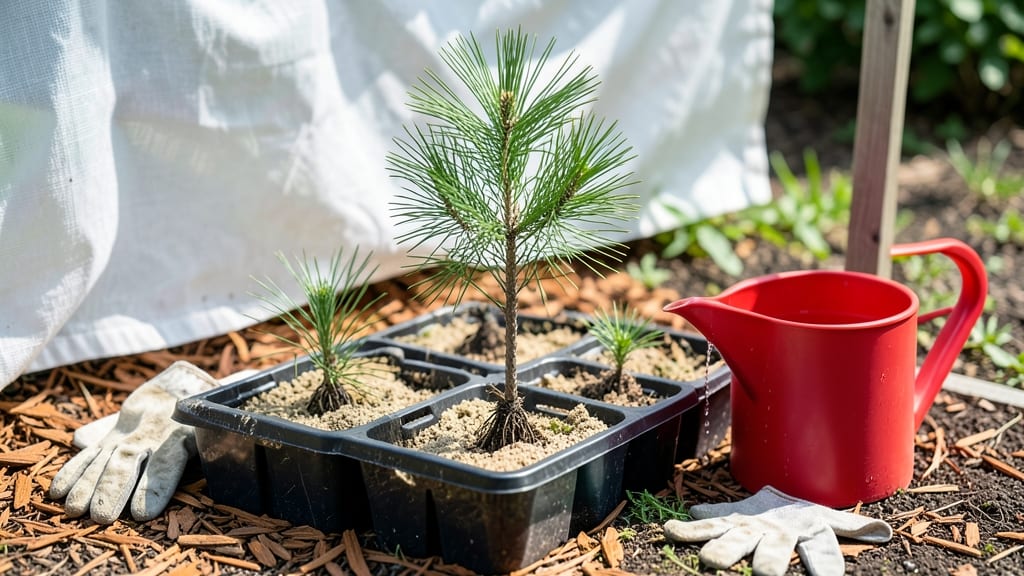
Caring for pine tree seedlings starts with the right soil and a little patience—these tough little trees need just the right balance to thrive for years. 🌲 I’ve nursed my own seedlings through their first winter, and the secret isn’t just in watering or sunlight, but in mimicking their natural forest conditions.
The first year sets the stage for whether your pine will grow into a sturdy, cold-hardy tree or struggle against disease and pests.
You’ll need well-draining soil mixed with sand or perlite to prevent soggy roots, a sunny spot with at least 6 hours of direct light daily, and a watering routine that keeps the soil moist but never waterlogged.
Seedlings hate sitting in wet feet, so a pot with drainage holes or a raised bed works best. Once established, they’ll handle drought better than most trees—but get that first year right, and you’ll avoid the heartbreak of transplant shock.
By the time your seedlings hit their second year, you’ll see them developing that classic pine needle texture and a strong root system that can handle winter freezes. The key is protecting them from deer, rabbits, and fungal issues with a light mulch layer and occasional neem oil spray.
With the right care, these seedlings will grow into 10-foot-tall trees in just a few years—no green thumb required, just consistency.
Works for any pine species—from white pines to Scotch pines—and adapts to both containers and ground planting. Let’s get those seedlings off to the best start possible!
📚 In This Guide
- What you need
- Instructions
- Tips and common mistakes
- Wrapping up and next steps
What you need
- ● Pine tree seedlings: 3–10 seedlings (depending on desired spacing; choose cold-hardy varieties like Pinus sylvestris or Pinus strobus).
- ● Well-draining soil: 2–3 cubic yards (for planting 3–5 seedlings) or 1–2 bags of potting mix (for containers). Mix with sand or perlite (1:3 ratio) to improve drainage.
- ● Organic mulch: 2–3 inches of pine straw, wood chips, or bark (avoid cedar mulch—it’s toxic to pines!).
- ● Watering can or hose: With a gentle spray nozzle (or a drip irrigation system for larger plantings).
- ● Fertilizer: Slow-release, acidic fertilizer (e.g., 10-10-10 or pine-specific formula) or compost (1–2 cups per seedling).
- ● Gloves: Heavy-duty gardening gloves (to protect from sap and rough bark).
- ● Trowel or shovel: For digging holes (size: 2–3x wider than the root ball, 12–18 inches deep).
- ● Pruners: Bypass pruners (for trimming dead branches or shaping).
- ● Measuring tape: To ensure proper spacing (aim for 6–10 feet apart for mature growth).
- ○ pH testing kit: (Optional but helpful!) Pine trees thrive in acidic soil (pH 4.5–6.0).
- ● Sunlight: Full sun (6+ hours daily)—pines love it bright!
- ● Climate: Cold-hardy zones 3–7 (check your USDA zone for best varieties).
- ○ Wind protection: (Optional) Windbreaks (e.g., temporary fencing) for young seedlings in exposed areas.
Step-by-step guide to nurturing pine tree seedlings
Here’s how I’ve learned to keep young pine trees thriving—even through winter’s chill.
🌱 Step 1: Choose the Right Location for Planting
Pine seedlings need full sun—at least 6 hours daily—but they also appreciate some afternoon shade in hot climates. I always pick a spot with well-draining soil, since soggy roots will kill them faster than cold. If your yard has heavy clay, mix in 2-3 inches of coarse sand or compost to improve drainage before planting.
Dig a hole twice as wide as the root ball but only as deep as the container’s base. This prevents burying the trunk too deeply, which can strangle the tree as it grows. Gently loosen the roots if they’re circling in the pot—this encourages them to spread outward in the soil.
☀️ Step 2: Water Deeply and Establish a Routine
Newly planted pine seedlings need 1-2 inches of water per week, but deep watering is key. I water slowly at the base until moisture reaches 6-8 inches down—you’ll know it’s enough when water pools briefly on the surface. Avoid wetting the needles, as this promotes fungal diseases like needle blight.
After the first month, let the top 2 inches of soil dry out between waterings. Overwatering is the #1 killer of young pines—yellowing needles or stunted growth usually mean you’re drowning the roots. Mulch with 2-3 inches of pine straw or wood chips to retain moisture and protect roots from temperature swings.
⏰ Step 3: Protect Seedlings from Winter’s Harshest Elements
Pine seedlings handle cold better than most people think, but sudden temperature drops or scorching winds can stress them. I wrap the base of young trees with burlap or tree guard to shield from winter burn, and add a light layer of mulch (up to 4 inches) around the root zone for insulation.
If your area gets below 0°F, give extra protection by wrapping the entire seedling with burlap and securing it loosely. Never use plastic—it traps moisture and causes rot. In spring, remove the wrap gradually as new growth appears, starting with just a few hours of exposure each day.
🌿 Step 4: Prune and Fertilize for Healthy Growth
Pines don’t need heavy pruning, but I always remove dead, broken, or crossing branches in late winter or early spring. Use clean, sharp shears to make cuts just outside the branch collar—never leave stubs, as they invite disease. If you’re pruning for shape, limit cuts to no more than 25% of the tree’s foliage in a single season.
Fertilize lightly in early spring with a balanced, slow-release fertilizer (like 10-10-10). I sprinkle a handful around the drip line and water it in—never fertilize in fall or winter, as new growth won’t harden off before cold snaps. Avoid high-nitrogen fertilizers, which encourage soft, weak growth that freezes easily.
✂️ Step 5: Monitor for Pests and Diseases Year-Round
Pine seedlings are targets for sawfly larvae, spider mites, and bark beetles. I inspect trees weekly in spring and summer, looking for chewed needles, webbing, or tiny holes in the bark. If you spot pests, treat with neem oil (mix 1 tablespoon per gallon of water) or insecticidal soap—both are safe for young trees when applied in the evening.
Fungal diseases like dothistroma needle blight show up as brown bands on needles. Improve airflow by pruning dense branches and avoid overhead watering. If you notice these signs, remove infected needles immediately and apply a copper fungicide as a preventative measure.
Tips & tricks for perfect pine tree seedlings
These simple strategies will help your young pine trees thrive through every season—no green thumb required.
Sunlight Strategy: While pine seedlings need at least 6 hours of sun daily, I've found that morning sun with afternoon shade works best in hot climates. If planting in summer, choose a location where the seedlings get morning sun but are shaded by nearby trees or structures in the afternoon. This prevents heat stress while still providing enough light for photosynthesis.
Soil Preparation: The 2-3 inches of sand or compost I recommend for clay soil doesn't just improve drainage—it also helps regulate soil temperature. Warmer soil in spring encourages root growth, while cooler soil in summer prevents root burn. For sandy soils, mix in 2-3 inches of organic matter like peat moss to help retain moisture and nutrients.
Winter Protection: When wrapping seedlings for temperatures below 0°F, I always use two layers of burlap—one wrapped around the trunk and another loosely covering the entire tree. This creates an insulating air pocket that protects against both cold winds and frost. Make sure to secure the wrap with twine but leave room for air circulation to prevent moisture buildup.
Watering Wisdom: The key to those 1-2 inches of weekly water is consistency. I set a reminder on my phone for the same day each week to check moisture levels. Use your finger to test soil moisture—if the top 2 inches feel dry, it's time to water. For container-grown seedlings, water until you see moisture running from the drainage holes at the bottom.
Pro Tips for Pine Tree Seedlings Care
- These simple strategies will help your young pine trees thrive through every season—no green thumb required.
- Sunlight Strategy: While pine seedlings need at least 6 hours of sun daily, I've found that morning sun with afternoo...
- Soil Preparation: The 2-3 inches of sand or compost I recommend for clay soil doesn't just improve drainage—it also h...
Frequently asked questions
Got questions about growing pine tree seedlings?
You’re not alone! Here are some of the most common concerns—and straightforward answers to help you nurture thriving seedlings year-round.
How long does it take for pine tree seedlings to establish before they’re cold-hardy?
Pine seedlings typically take 1–2 years to establish a strong root system and develop cold hardiness, depending on the species. For example, Pinus strobus (white pine) can tolerate light frost after their first winter, while Pinus sylvestris (Scots pine) may handle colder temps sooner. Plant in early fall to give roots time to anchor before winter.
Can I plant pine seedlings in winter, or should I wait for spring?
While spring planting (March–May) is ideal for most regions, bare-root seedlings can be planted in late fall or early winter (November–January) in colder climates. If planting in winter, water thoroughly before freezing temps arrive, and mulch heavily (3–4 inches) to insulate roots. Avoid planting when the ground is frozen.
Why are my pine seedlings turning yellow or brown? What’s wrong?
Yellowing or browning can stem from overwatering, underwatering, or nutrient deficiencies. Check the soil—it should be moist but not soggy. Brown needles often signal drought stress or root rot (from poor drainage). Adjust watering (deep but infrequent) and ensure well-draining soil. Fungal issues (like needle cast) may require fungicide or pruning affected branches.
Do pine seedlings need fertilizer? If so, when and what type?
Young seedlings don’t need fertilizer the first year—their focus should be on root growth. After 12 months, use a balanced, slow-release fertilizer (10-10-10 or 20-20-20) in early spring. Avoid high-nitrogen fertilizers, which can harm pine trees. Pro tip: Mix compost into the soil at planting for natural nutrients!
Are there pine tree alternatives for small spaces or containers?
Yes! If space is limited, consider dwarf pine varieties like Pinus mugo (mugo pine) or Pinus sylvestris ‘Beuvronensis’, which thrive in containers (15+ gallon pots). For indoor growth, Pinus parviflora (Japanese white pine) is a stunning, slow-growing option—just place it near a bright window or under grow lights. Ensure pots have drainage holes!
How do I protect pine seedlings from deer or wildlife browsing?
Deer and rabbits love young pine seedlings! Use physical barriers like wire mesh (6–8 feet tall) or repellent sprays (e.g., rotten egg odor or commercial deer repellent). Planting near deer-resistant shrubs (like boxwood or juniper) can also deter them. For container seedlings, bring them indoors or under a covered porch during peak browsing seasons (spring and fall).
Wrapping up and next steps
Caring for pine tree seedlings is a rewarding journey that blends patience with simple, effective techniques. By choosing the right cold-hardy varieties, providing proper light, soil, and water, and staying vigilant against pests, you’ll set your seedlings up for thriving growth—even in harsh winters. 🌲❄️
Now that you’re armed with these secrets, it’s time to roll up your sleeves and give your seedlings the love they deserve! Start by selecting a spot in your yard (or balcony) and watch as your little evergreens grow into majestic trees. Happy planting—and may your forest flourish! 🌱