
Pruning
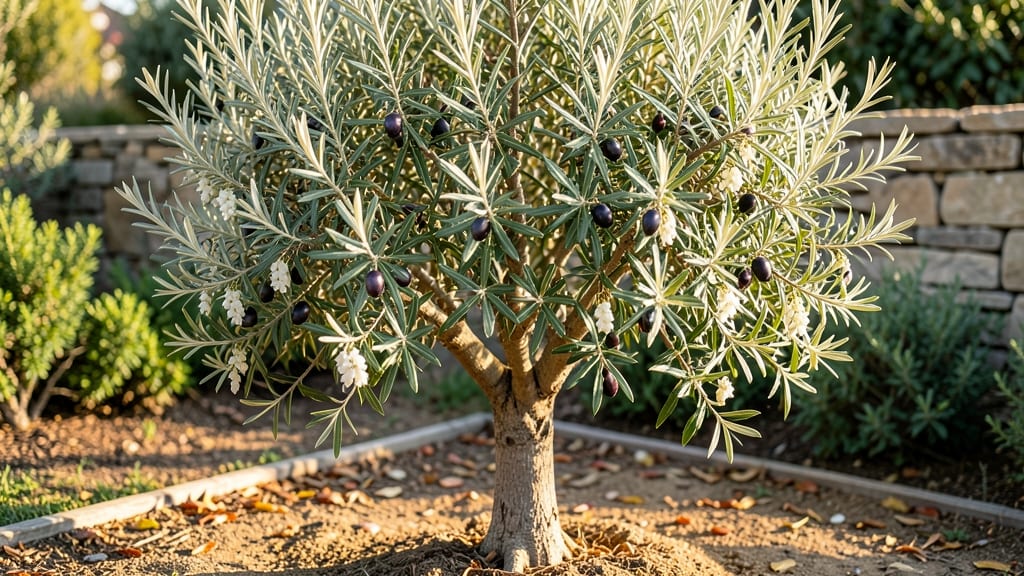
Growing olive trees in Swan Hill means year-round pruning for those lush, fruit-heavy branches you’ve always dreamed of. 🌿 The key? Understanding how our dry climate and sandy soils demand a different approach than coastal olive groves. I’ve spent years perfecting this method—no more leggy trees or sparse harvests.
Start with the right variety—Swan Hill’s best performers are Frantoio and Leccino, both drought-tolerant and frost-hardy enough for our occasional chilly snaps. Plant in well-draining soil (mix in gypsum if your soil’s heavy), and water deeply but infrequently—think once a week in summer, tapering off in winter.
The pruning schedule is the game-changer: light shaping in spring, aggressive thinning in summer, and minimal cuts in autumn.
By winter, you’ll see the payoff: bushy canopies with abundant fruit, and branches strong enough to handle our strong winds. The secret’s in the cuts—always prune just above outward-facing buds, and never remove more than 25% of the canopy in one go.
Pests like olive fruit fly are less of a threat here, but keep an eye out for scale insects and treat early with horticultural oil.
Harvest time arrives in late spring to early summer, when olives turn from green to purple-black. Swan Hill’s dry heat makes them ideal for table olives or cold-press oil—just be patient, as curing takes 6-8 weeks.
The first year’s pruning sets the stage for decades of productivity, so don’t rush it. Your tree will thank you with generous, sun-kissed fruit for years to come.
📚 In This Guide
- What you need
- Instructions
- Tips and common mistakes
- Wrapping up and next steps
What you need
- ● Pruning shears: Bypass pruners (sharp, 6-8" blade) – 1 pair (for small branches)
- ● Loppers: 16-20" bypass loppers – 1 pair (for thicker branches up to 2" diameter)
- ● Pruning saw: Heavy-duty curved blade – 1 (for branches >2" thick)
- ● Disinfectant: 70% isopropyl alcohol or pruning sealant – small bottle (to prevent disease)
- ● Gloves: Heavy-duty, cut-resistant – 1 pair (protection against thorns and sap)
- ● Ladder: Sturdy, extendable – 1 (if tree exceeds 6 ft tall)
- ● Tarp or drop cloth: Large enough to cover ground – 1 (to collect debris)
- ● Hand pruners: Compact, ergonomic – 1 pair (for precision trimming)
- ○ Tree wound paint: (Optional) – small tin (for large cuts, though olive trees heal well without it)
- ● Safety glasses: – 1 pair (if working near eyes)
- ● Notebook & pen: – 1 (to sketch pruning plan or track growth)
Step-by-Step guide to pruning your Swan Hill olive tree for maximum fruit and foliage
This method transforms your olive tree into a lush, productive powerhouse year-round.
✂️ Step 1: Assess and Plan Your Pruning Strategy
Start by examining your Swan Hill olive tree for structural issues and growth patterns. Focus on removing branches that cross or rub against each other—these create wounds that invite disease. I look for branches growing inward or downward, as these rarely produce fruit and disrupt airflow. Mark these with a small piece of twine or a spray paint dot before cutting.
Olive trees respond best to gradual shaping. Never remove more than 25% of the canopy in a single session—this prevents shock and encourages robust regrowth. Swan Hill olives, in particular, benefit from open-center pruning, which allows sunlight to penetrate deeper into the tree. Sketch a rough outline of your ideal shape to guide cuts.
🌿 Step 2: Prune for Structure and Fruit Production
Begin by thinning out crowded branches to improve airflow and sunlight exposure. Cut back to the nearest outward-facing bud or lateral branch—this encourages outward growth rather than inward tangling. For Swan Hill olives, prioritize branches that bear fruit heavily in one area, as this redistributes energy across the entire tree.
Remove any dead, diseased, or weak wood immediately. Olive trees are susceptible to silver leaf disease, so sterilize your pruners with rubbing alcohol between cuts to prevent spread. When pruning for fruit production, focus on the previous year's growth—these branches often produce the most abundant harvest. Leave 3-5 main scaffold branches evenly spaced around the trunk for a balanced structure.
☀️ Step 3: Shape for Sunlight and Airflow
Step back and evaluate the tree’s silhouette from all sides. Olive trees need 6-8 hours of direct sunlight daily, so ensure no dense foliage blocks light from reaching the center. Thin out the canopy by removing 10-20% of the smallest branches to create an open, airy structure. Swan Hill olives, with their dense growth habit, benefit from this approach to prevent fungal issues.
Pay special attention to the lower branches. While olives can tolerate some shade, removing lower limbs that crowd the trunk improves airflow and reduces humidity near the base. This prevents rot and makes it easier to harvest fruit later. Use hand pruners for branches thinner than ½ inch and loppers for thicker stems—never use hedge trimmers, as they tear rather than cleanly cut.
⏰ Step 4: Time Your Pruning for Optimal Growth
Prune Swan Hill olives in late winter or early spring, just as new growth begins but before buds swell. This timing encourages vigorous spring growth and sets the stage for summer fruiting. Avoid heavy pruning in fall, as it stimulates tender new growth that won’t harden off before winter. Light pruning to remove dead wood or shape the tree is fine in late fall, but keep it minimal.
If you notice excessive water sprouts (fast-growing, weak shoots) during the growing season, prune them back immediately. These compete with fruit-bearing branches for energy. Water the tree deeply after pruning to help it recover—olives are drought-tolerant but still need moisture to heal cuts properly. Mulch around the base with 2-3 inches of organic mulch to retain moisture and protect roots.
🌱 Step 5: Maintain Year-Round with Light Trims
After the initial pruning, monitor your olive tree monthly for new growth or issues. Lightly trim any branches that grow too long or develop weak crotches (where branches meet the trunk). Swan Hill olives respond well to frequent, light pruning—this keeps the tree bushy and productive rather than letting it grow leggy.
In late summer, after the main harvest, do a final light pruning to remove any remaining dead wood or branches that didn’t produce well. This clears the way for next year’s growth. Avoid heavy cuts now, as the tree is preparing for dormancy. Instead, focus on tidying up and ensuring the tree enters winter in good shape. With consistent care, your Swan Hill olive will reward you with abundant fruit and lush foliage for decades.
Tips & tricks for year-round olive tree pruning
Transforming your Swan Hill olive into a thriving fruit powerhouse takes precision—and these insights will help you avoid common pitfalls.
Pruning Precision: When you're marking branches for removal in Step 1, use a small piece of twine or spray paint to clearly identify cuts before making them. This prevents accidental removal of productive branches. I've seen gardeners accidentally cut good branches because they didn't mark first—don't make that mistake! The 25% canopy limit is strict for a reason: Swan Hill olives are resilient but not invincible. If you remove too much at once, you'll stress the tree and reduce next year's fruit production.
Branch Selection Strategy: In Step 2, focus on removing branches that grow at sharp angles from the trunk—these weak crotches are prone to breaking under fruit weight. Look for branches that angle outward at 45-60 degrees from the trunk; these will bear fruit most efficiently. The 3-5 scaffold branches should be spaced evenly around the trunk like spokes on a wheel. This creates a balanced structure that supports both foliage and fruit production equally.
Seasonal Timing: The late winter/early spring window in Step 4 is critical because olive trees begin their active growth cycle then. If you prune too early, you risk exposing tender buds to late frosts. If you wait too late, you'll miss the optimal growth window. I've found that pruning just as buds begin to swell—when you can see tiny green tips but they haven't opened yet—gives the best results. This timing ensures maximum energy for both foliage and fruit development during the growing season.
Equipment Essentials: Invest in quality tools—hand pruners for branches under ½ inch and loppers for thicker stems. Olive wood branches can be surprisingly tough! Sterilize your tools between cuts with rubbing alcohol to prevent spreading silver leaf disease. I keep a small bottle of alcohol in my pruning kit and wipe down blades after every 3-4 cuts. The right tools make all the difference in achieving clean cuts that heal properly.
Pro Tips for Olive Tree Swan Hill
- Transforming your Swan Hill olive into a thriving fruit powerhouse takes precision—and these insights will help you avoid common pitfalls.
- Pruning Precision: When you're marking branches for removal in Step 1, use a small piece of twine or spray paint to clearly identify cuts before making them.
- Branch Selection Strategy: In Step 2, focus on removing branches that grow at sharp angles from the trunk—these weak crotches are prone to breaking under fruit weight.
Frequently asked questions
When is the best time to prune my Olive Tree Swan Hill for maximum fruit production?
The ideal time to prune is late winter or early spring (before new growth starts) to encourage bushier branches and heavier fruit loads. Avoid heavy pruning in summer—it stresses the tree and can reduce olive yield. Pro tip: Light shaping prunes can happen year-round, but stick to major cuts in dormancy for best results!
How often should I prune my Olive Tree Swan Hill?
For young trees (under 5 years), prune annually to establish structure. Mature trees (5+ years) need pruning every 2–3 years, focusing on removing dead wood, crossing branches, and thinning out dense growth. Remember: Over-pruning weakens the tree, so aim for 20–30% of foliage removal max per session.
Can I prune my Olive Tree Swan Hill in Swan Hill’s hot climate? What precautions should I take?
Yes, but timing and hydration matter! Prune early morning or late afternoon to avoid heat stress. Water the tree 2–3 days before and after pruning to help it recover. If pruning in peak summer, reduce cuts by half and prioritize removing only dead/diseased branches. Mulch around the base to retain moisture.
What if I skip pruning? Will my Olive Tree Swan Hill still produce olives?
Your tree will still produce olives, but yields may be smaller, and branches could become overcrowded, weak, or prone to disease. Pruning improves airflow, sunlight penetration, and fruit quality. Unpruned trees also risk developing a top-heavy shape, making them vulnerable to wind damage. Think of it like a haircut: Regular trims keep things healthy and balanced!
What tools do I need for pruning, and how do I sterilize them to prevent disease?
Use sharp, clean tools like bypass pruners (for small branches), loppers (medium branches), and a pruning saw (thick branches). Sterilize tools with rubbing alcohol or a 10% bleach solution before/after each use to prevent bacterial/fungal spread. Bonus tip: Store tools in a dry place to avoid rust.
Are there any pruning mistakes I should avoid with Olive Tree Swan Hill?
Watch out for these no-nos:
- Pruning too late in spring/summer—it delays fruit development.
- Removing too many branches at once—shock the tree.
- Leaving stubs—always cut just outside the branch collar.
- Ignoring watering post-prune—hydration is key for recovery.
Wrapping up and next steps
Pruning your olive tree in Swan Hill isn’t just about keeping it tidy—it’s the secret to a thriving, fruit-filled future! 🌿 With the right tools, timing, and techniques, you’ll nurture a bushy, productive tree that stands the test of Victoria’s climate.
Whether you’re trimming for shape, health, or harvest, remember: consistency is key.
Ready to take the next step? Mark your calendar for your next pruning session—start small, observe your tree’s response, and adjust as needed. Your olive tree will thank you with abundant, flavorful fruit for years to come. Happy pruning! 🌟