
Pruning
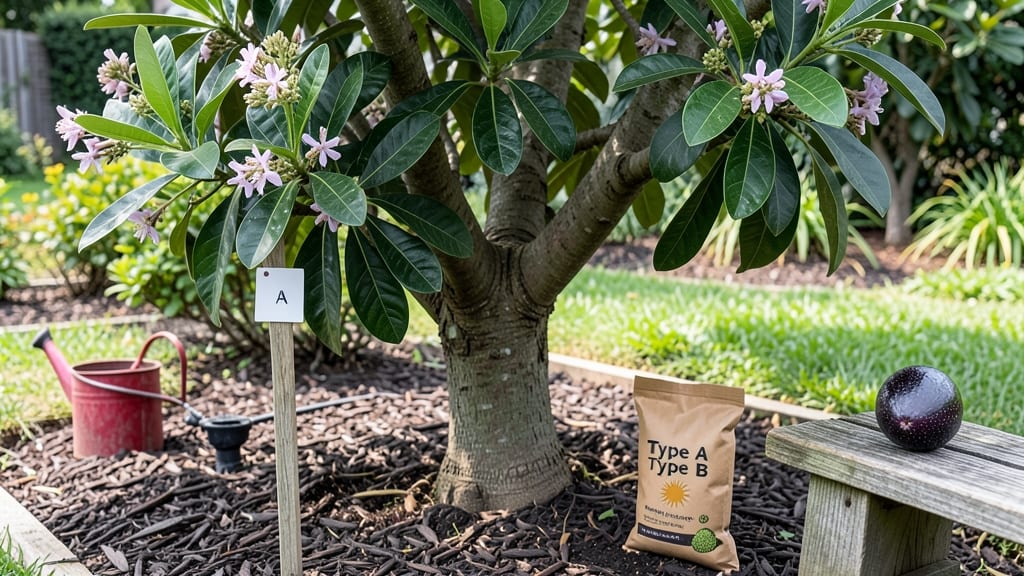
How to get your avocado tree to produce fruit isn't about magic—it's about pruning with purpose and understanding what your tree actually needs. 🌱 I've watched my own Hass tree go from a scraggly sapling to a fruit-bearing powerhouse, and the difference came down to three key factors: age, sunlight, and how I shaped its growth. Most home gardeners rush the process, but avocados need at least 3-5 years to mature before they'll even consider fruiting. That's when proper pruning becomes your secret weapon—opening the canopy to sunlight, encouraging strong branch development, and redirecting energy toward fruit production instead of wild, unproductive growth. By the time your tree hits maturity, you'll see thick, velvety leaves and the first signs of flower buds (those tiny, creamy blossoms). The real payoff comes when you harvest that first heavy crop—5-10 pounds of fruit from a single tree if you've done everything right. Here's the thing about avocados: they're not like tomatoes or peppers. You can't force the timeline, but you can absolutely optimize the conditions. Let's talk about the exact pruning cuts and care routines that make the difference between a tree that just looks healthy and one that actually produces fruit.
📚 In This Guide
- What you need
- Instructions
- Tips and common mistakes
- Wrapping up and next steps
What you need
- ● Avocado tree (preferably a dwarf or Mexican variety like Hass for faster fruiting)
- ● Pruning shears (bypass-type, sharp, and sterilized to avoid disease—1 pair)
- ● Gloves (heavy-duty, cut-resistant—1 pair for safety)
- ● Disinfectant (70% isopropyl alcohol or bleach solution—small bottle)
- ○ Pruning sealant (optional but helpful for large cuts—1 small tube)
- ● Well-draining potting mix (if repotting—1 bag, ~5 gallons)
- ● Fertilizer (balanced 10-10-10 or citrus-specific—1 container)
- ● Watering can or hose (with adjustable nozzle—1 unit)
- ● Sunlight access (6+ hours of direct sun daily—outdoor space or grow lights)
- ● Pollination aid (soft paintbrush or small electric toothbrush for hand-pollination)
- ● Growth regulator (like Paclobutrazol to encourage fruiting—follow label instructions)
- ● Tree support stake (for young trees in windy areas—1-2 stakes)
- ● Soil moisture meter (to track hydration—1 unit)
- ● Mulch (organic, like wood chips—2-3 inches to retain moisture)
Step-by-Step guide to encouraging fruit production in avocado trees
Avocado trees are notoriously slow to bear fruit, but with the right approach, you can accelerate fruit production while keeping your tree healthy and vigorous.
🌱 Step 1: Understand the Tree's Natural Cycle and Requirements
Avocado trees need consistent warmth—they thrive in USDA zones 9-11—and require full sun exposure (at least 6-8 hours daily). If your tree is indoors or in a cooler climate, supplement with a grow light to maintain 70-85°F soil temperatures. Young trees focus energy on growth, not fruit, so patience is key—most trees take 3-5 years to bear fruit naturally.
Look for new growth flushes (rapid leaf expansion) as a sign your tree is thriving. These flushes indicate the tree is storing energy for future fruit production. If your tree isn’t showing new growth, it may need more sunlight, water, or nutrients—check for yellowing leaves or drooping branches, which signal stress.
☀️ Step 2: Optimize Light and Temperature for Flowering
Avocado trees need bright, indirect sunlight to trigger flowering. If your tree is indoors, position it near a south-facing window or use a full-spectrum LED grow light for 12-14 hours daily. In outdoor settings, prune nearby shade trees to ensure unobstructed light exposure.
Flowering typically occurs in spring, but trees need consistent warmth to set fruit. If your climate has cold winters, consider growing your avocado in a container so you can move it indoors during chilly months. Watch for small yellow flowers—these appear before fruit forms, signaling the tree is ready for pollination.
✂️ Step 3: Strategic Pruning to Encourage Fruit Production
Prune your avocado tree once a year in late winter or early spring to shape the canopy and promote airflow. Remove dead, diseased, or crossing branches first—these compete with healthy growth. Then, thin out excess foliage to allow sunlight to reach the inner branches, where fruit often develops.
Here’s the trick: Prune to encourage a "V-shaped" canopy. This shape directs energy toward the center of the tree, where fruit-bearing branches thrive. Avoid heavy pruning—never remove more than 25% of the canopy at once. You’ll see new shoots emerging from the pruned areas within 4-6 weeks, indicating successful regrowth.
💧 Step 4: Water and Fertilize for Heavy Fruit Sets
Avocado trees need deep, infrequent watering—1-2 times per week in hot climates, less in cooler weather. Water at the base of the tree to encourage deep root growth, and avoid wetting the leaves, which can lead to fungal diseases. Let the top 2-3 inches of soil dry out between waterings to prevent root rot.
Fertilize every 2-3 months with a balanced citrus/avocado fertilizer (high in zinc and nitrogen). Zinc deficiencies are common in avocados and can stunt fruit production. You’ll know your tree is getting the right nutrients when it produces dark green, glossy leaves and strong new growth.
🌿 Step 5: Hand-Pollinate and Protect Developing Fruit
Avocado flowers are not self-pollinating, so you may need to hand-pollinate them. Use a soft paintbrush to transfer pollen from one flower to another in the morning when flowers are open. Focus on Type A and Type B flowers—they bloom at different times, increasing pollination success.
Once fruit sets, thin the harvest to 6-8 inches apart to prevent overburdening the tree. Overloaded branches can snap under the weight, and small, underdeveloped fruit won’t ripen properly. You’ll see small, round fruit forming within 3-4 months—these will grow into full-sized avocados if given enough time and care.
Tips & tricks for encouraging avocado fruit production
Here's what nobody tells you about pushing your avocado tree toward that first (or next) harvest—these are the subtle details that separate a struggling tree from one loaded with fruit.
Light Optimization: The 6-8 hours of daily sunlight mentioned in Step 1 is non-negotiable, but here's the secret: position your tree to receive morning sun and afternoon shade if your climate gets intense afternoon heat. Avocado leaves can scorch easily, and stressed leaves divert energy away from fruit production. If using grow lights, place them 12-18 inches above the canopy for even distribution during those critical 12-14 hours.
Pruning Precision: When you're shaping that V-shaped canopy in Step 3, focus on removing branches that grow straight up—these vertical branches rarely produce fruit. Instead, encourage outward growth by pruning just above a leaf node where you want new growth to emerge. The 4-6 week window for new shoots is your feedback mechanism: if you don't see new growth within this timeframe, you've either pruned too aggressively or the tree needs more nutrients.
Fertilizer Timing: The 2-3 month fertilization schedule works, but here's the pro move: apply half your fertilizer dose in early spring when new growth flushes begin, and the other half in late summer. This timing aligns with the tree's natural energy cycles. Watch for those dark green, glossy leaves mentioned in Step 4—they're your confirmation that the tree is storing energy for fruit production, not just foliage growth.
Pollination Strategy: For hand-pollination in Step 5, focus on flowers that are fully open in the morning. Use a clean paintbrush to transfer pollen from Type A flowers (which bloom in the morning) to Type B flowers (which bloom in the afternoon), and vice versa. You'll know you're doing it right when you see small fruit forming within those 3-4 months—each successful pollination creates a potential avocado!
Pro Tips for Get Avocado Tree To Produce Fruit
- Here's what nobody tells you about pushing your avocado tree toward that first (or next) harvest—these are the subtle details that separate a struggling tree from one loaded with fruit.
- Light Optimization: The 6-8 hours of daily sunlight mentioned in Step 1 is non-negotiable, but here's the secret: position your tree to receive morning sun and afternoon shade if your climate gets intense afternoon heat.
- Pruning Precision: When you're shaping that V-shaped canopy in Step 3, focus on removing branches that grow straight up—these vertical branches rarely produce fruit.
Frequently asked questions
Got questions about coaxing fruit from your avocado tree?
You’re not alone! Here are answers to the most common concerns—from timing to troubleshooting—so you can grow those creamy, dreamy avocados with confidence.
How long does it take for an avocado tree to bear fruit?
Patience is key! Most avocado trees take 3 to 5 years to produce fruit after planting, depending on the variety and growing conditions. Dwarf varieties may fruit sooner (1–3 years), while standard trees can take up to a decade. Pro tip: Keep your tree healthy with proper care—it’ll reward you faster!
Why isn’t my avocado tree producing fruit yet?
Avocado trees need time, maturity, and the right conditions to fruit. Common reasons include:
- Young age (under 3–5 years)
- Insufficient sunlight (6+ hours daily)
- Poor pollination (hand-pollinate if bees are scarce)
- Nutrient deficiencies (test soil for nitrogen, potassium, and zinc)
If your tree is mature but still struggling, check for pests, disease, or over-pruning.
Do avocado trees need a specific climate to fruit?
Avocados thrive in USDA Zones 9–11 with warm, frost-free winters. They prefer:
- Temperatures between 60–85°F (15–29°C)
- High humidity (but not soggy soil)
- Protection from strong winds
In cooler climates, grow them in containers and bring them indoors during winter. Fun fact: Some varieties (like ‘Hass’) can tolerate brief dips to 28°F (-2°C) but may drop fruit.
Can I eat avocados from my homegrown tree?
Homegrown avocados are just as delicious (and often fresher) than store-bought. Just ensure:
- Your tree isn’t treated with pesticides (opt for organic methods)
- Fruit is fully ripe (dark skin, slightly soft to touch)
- You remove the pit safely (wear gloves—it’s sharp!)
Enjoy them in guacamole, toast, or smoothies!
What’s the best way to pollinate an avocado tree?
Avocados are not self-pollinating, so you’ll need to help them out! Use a small paintbrush or cotton swab to transfer pollen from one flower to another, focusing on Type A and Type B flowers (they bloom at different times). Do this in the morning when flowers are open. Pro tip: Plant two trees of different varieties nearby for natural cross-pollination.
Wrapping up and next steps
Growing an avocado tree that produces fruit is all about patience, proper care, and a little pruning magic! 🌱 With the right techniques—like strategic pruning, consistent watering, and smart fertilizing—you’ll be well on your way to a bountiful harvest.
Remember, even the best trees take time, so keep nurturing yours with love and attention.
Now that you’re armed with these tips, take action! Start by inspecting your tree, then gradually implement the steps that fit your growing conditions. Before you know it, you’ll be enjoying homegrown avocados—and maybe even sharing the bounty with friends. Happy growing! 🥑✨