
Pruning
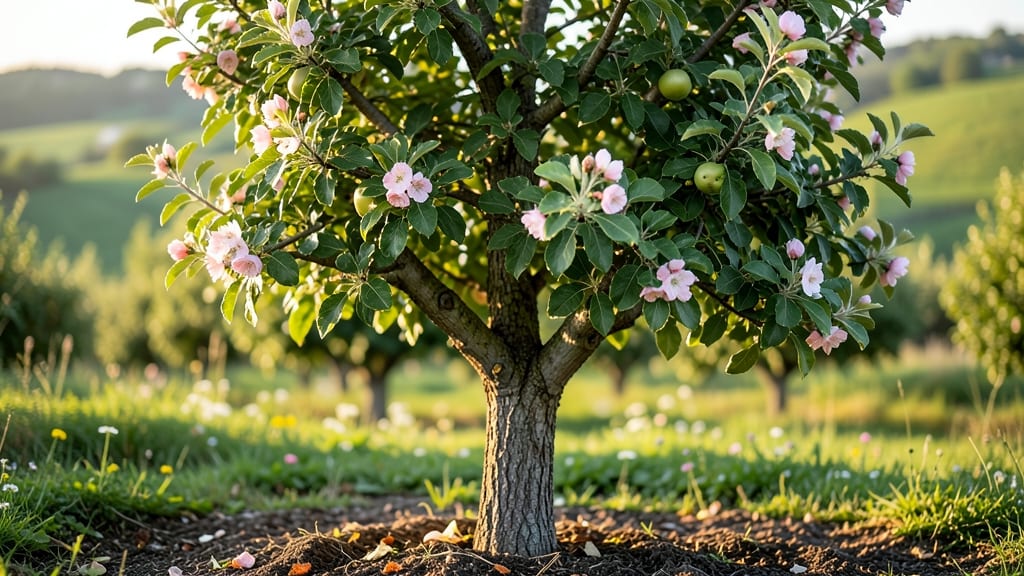
The apple tree growth cycle isn’t just about waiting for fruit—it’s a year-round dance of pruning, patience, and precise timing that turns a bare branch into a bounty of harvests. 🌱 I’ve watched my own trees go from scraggly saplings to heavy-laden branches, and the key difference?
Understanding when to cut, when to wait, and when to let nature take over. This isn’t just gardening—it’s orchard-level strategy in your backyard.
First, there’s the juvenile phase—those first 3-5 years where your tree is all about growing structure, not fruit. Prune aggressively in late winter to shape a strong framework, but avoid heavy cuts once it starts flowering.
Then comes spring’s delicate balance: too much thinning now, and you risk losing next year’s blossoms. The real magic happens in summer, when you can lightly prune to improve airflow and fruit size—just don’t overdo it, or you’ll stunt growth.
By autumn, your tree’s telling you what it needs: dormant pruning (after leaves fall) opens up the canopy for sunlight, while winter prep means protecting young trees from frost cracks. The payoff?
A healthy tree that bears fruit reliably, with branches strong enough to hold the weight. Skip a season, and you’ll end up with weak wood, disease, or—worst of all—no apples at all.
This works for temperate zones (like mine in Zone 6), but subtropical growers should delay dormant pruning until late winter to avoid heat stress. Common pitfalls? Pruning too late in spring (invites pests) or ignoring water stress (which weakens branches).
Master these stages, and you’ll turn pruning from a chore into the secret to consistently healthy fruit-bearing branches year after year.
📚 In This Guide
- What you need
- Instructions
- Tips and common mistakes
- Wrapping up and next steps
What you need
- ● Apple tree sapling or bare-root tree: Choose disease-resistant varieties (e.g., Honeycrisp, Fuji, or Gala). Size: 1–3 feet tall (depending on maturity).
- ● Pruning tools: Bypass pruners (for cuts up to ½ inch). Loppers (for cuts up to 2 inches). Hand saw (for larger branches).
- ● Protective gear: Gloves (gardening or pruning-specific). Safety goggles (to shield from debris).
- ● Soil amendments: Compost or well-rotted manure (5–10 gallons per tree). Slow-release fertilizer (balanced NPK, e.g., 10-10-10).
- ● Mulch: Organic mulch (wood chips, straw, or shredded leaves—2–4 inches deep).
- ● Support stakes: 2–3 wooden or metal stakes (for young trees). Soft tree ties (to secure branches without damaging bark).
Instructions for managing your apple tree's year-round growth
Here's how to keep your tree thriving through every season—no guesswork, just proven techniques.
🌱 Step 1: Winter Pruning for Structure and Airflow
Late winter, while the tree is still dormant, is the ideal time to prune. You'll want to remove dead, diseased, or crossing branches first—these are easy to spot as they lack buds or show dark, shriveled wood. Use clean, sharp pruning shears to make cuts just outside the branch collar (that swollen area where the branch meets the trunk). This ensures proper healing and prevents infections.
Next, focus on thinning out the canopy by removing about 20% of the smallest branches. This opens up the center of the tree, allowing sunlight and air to circulate—critical for preventing fungal diseases like apple scab. Look for branches growing inward or rubbing against others; these compete for nutrients and create weak spots. I like to step back and visualize the tree as an open umbrella, with branches spreading evenly.
☀️ Step 2: Spring Pruning to Encourage Fruit Development
Once buds begin to swell but before leaves emerge (usually late April to early May), give your tree a second look. Remove any water sprouts—those fast-growing, vertical shoots that steal energy from fruit production. These are easy to spot as they're thinner and shoot straight up like arrows. Cut them back to a lateral branch or the main trunk.
Now, focus on fruit spur development. Look for clusters of 3-5 buds along older branches—these will become next year's fruit. If you see a branch with only 1-2 buds, it's likely not productive and can be pruned out. Thin out some of the strongest fruit clusters to leave 6-8 inches between them; this prevents overcrowding and ensures larger, healthier apples. You'll see new growth emerge within 2-3 weeks after pruning—this is your signal that the tree is responding well.
✂️ Step 3: Summer Maintenance to Prevent Overgrowth
Mid-summer is all about light maintenance. Remove any suckers (shoots growing from the base of the tree) and shoots growing straight up from the scaffold branches. These compete with fruit production and weaken the tree's structure. Use your fingers or small pruners to snap them off at the base—no need for a big cut. This is also the time to thin out overcrowded fruit if your tree is particularly productive. Leave 1-2 apples per cluster to grow larger and stronger.
Keep an eye out for diseased leaves or branches. If you spot any with dark spots (a sign of apple scab) or holes (from pests), prune them immediately and dispose of them in the trash—not the compost. Healthy leaves should be deep green and free of blemishes. Water deeply at the base of the tree once a week if rainfall is light, ensuring the soil stays 2-3 inches moist but not soggy. Mulch with 2-3 inches of organic material (like wood chips) to retain moisture and regulate soil temperature.
🪴 Step 4: Fall Cleanup for Winter Preparation
As leaves begin to fall (usually October to November), do a final prune to remove any dead or weak branches that may have developed over the summer. This is also the time to reduce the tree's size slightly if it's gotten too large—cut back some of the longest branches by about 1/3 to encourage bushier growth next year. Avoid heavy pruning in fall, as it can stimulate new growth that won't harden off before winter.
After pruning, clean up all debris from around the tree. Rake up fallen leaves and dispose of them (don't compost them if your tree had diseases). This reduces overwintering pests and diseases. Apply a 2-3 inch layer of mulch around the base, keeping it 6 inches away from the trunk to prevent rot. Water the tree deeply before the first hard frost to ensure it's hydrated for winter dormancy. You'll know you've done well if the tree looks balanced and open, with no crowded branches or dead wood.
Tips & tricks for perfect year-round apple tree care
Keeping your apple tree healthy through every season takes the right approach—here's what I've learned from years of pruning and maintenance.
Branch Collar Precision: When pruning in Step 1, the branch collar is your guide—never cut flush to the trunk. That swollen area holds healing cells that prevent infections. I use a small piece of tape as a visual guide to mark where to cut just outside the collar. This small detail makes all the difference in how quickly your tree recovers.
Seasonal Timing Insight: The exact timing in Step 2 (late April to early May) matters more than you might think. If you prune too early, you risk damaging buds that haven't hardened off yet. I check for swollen buds but no leaf emergence—this is your perfect window. For northern climates, aim for when forsythia bushes bloom nearby as a natural indicator.
Fruit Cluster Strategy: In Step 3, when thinning fruit clusters, focus on spacing rather than quantity. The 6-8 inch spacing between clusters in Step 2 creates room for apples to grow to their full size. I mark clusters with a small piece of twine to track their development—this helps me visualize the final harvest potential without overcrowding.
Disease Prevention: The 2-3 inch mulch layer in Step 4 isn't just about moisture—it's your first line of defense against soil-borne diseases. I always use wood chips from untreated hardwoods (like oak) because they break down slowly and don't compact. This creates a healthy barrier while improving soil structure over time.
Pro Tips for Apple Tree Growth Cycle
- Keeping your apple tree healthy through every season takes the right approach—here's what I've learned from years of pruning and maintenance.
- Branch Collar Precision: When pruning in Step 1, the branch collar is your guide—never cut flush to the trunk.
- Seasonal Timing Insight: The exact timing in Step 2 (late April to early May) matters more than you might think.
Frequently asked questions
Got questions about your apple tree’s growth cycle?
You’re not alone! Whether you’re a new orchard owner or a seasoned gardener, timing, techniques, and troubleshooting can still feel tricky. Here are answers to the most common questions to keep your tree thriving—and fruiting—year after year.
When is the best time to prune an apple tree for maximum fruit production?
The ideal times are late winter (dormant season, before buds swell) and summer (after harvest, to remove water sprouts). Winter pruning promotes airflow and sunlight, while summer cuts control excessive growth. Never prune in fall—it invites disease and pest damage. Pro tip: Use sharp tools and sterilize them with rubbing alcohol to prevent bacterial spread.
Can I prune an apple tree in winter if it’s still snowing?
Yes, but only if the tree is fully dormant (no green shoots or buds). Prune on dry, calm days above freezing to avoid stressing the tree. Snow cover actually protects branches from extreme cold, so wait until the ground thaws slightly. Warning: Avoid pruning during hard freezes (below 20°F/-7°C)—sap flow slows, increasing frost damage risk.
My apple tree has no fruit—what’s going wrong?
Lack of fruit often stems from poor pollination, over-pruning, or nutrient deficiencies. Check for:
- Cross-pollination: Most apple trees need a second variety nearby (e.g., ‘Honeycrisp’ + ‘Granny Smith’).
- Pruning mistakes: Too much removal in one season can reduce flowering sites. Aim for 15–25% of the canopy per year.
- Nutrients: Test soil for nitrogen (N), phosphorus (P), and potassium (K). Add compost or a balanced fertilizer in early spring.
How do I know if I’ve pruned too much?
Signs of over-pruning include:
- Stunted growth: Fewer than 6–12 new shoots after spring.
- Weak branches: Thin, brittle wood that snaps easily.
- No flowers: Bare limbs by early spring.
Why are my apple tree’s leaves curling or falling off after pruning?
Curling/leaf drop usually signals stress from disease, pests, or improper cuts. Common culprits:
Issue
Fix
Ragged cuts (tearing bark)
Use clean, sharp tools and make cuts at a 45° angle just outside the branch collar.
Fire blight (blackened leaves/branches)
Prune 6 inches below infected areas and sterilize tools. Apply copper fungicide.
Spider mites (tiny webs)
Spray with water or neem oil. Release predatory mites for long-term control.
Wrapping up and next steps
Understanding the apple tree growth cycle and mastering year-round pruning is your secret to a thriving orchard—full of sweet, abundant fruit and strong, healthy branches. Whether you’re a seasoned gardener or just starting, every snip and seasonal adjustment brings you closer to that dream harvest. 🌳🍏
Ready to take the next step? Start small: pick one season to focus on—like winter’s dormant pruning or summer’s fruit-thinning—and build from there. Before you know it, your apple tree will be blooming with confidence (and delicious rewards!).