
Pruning
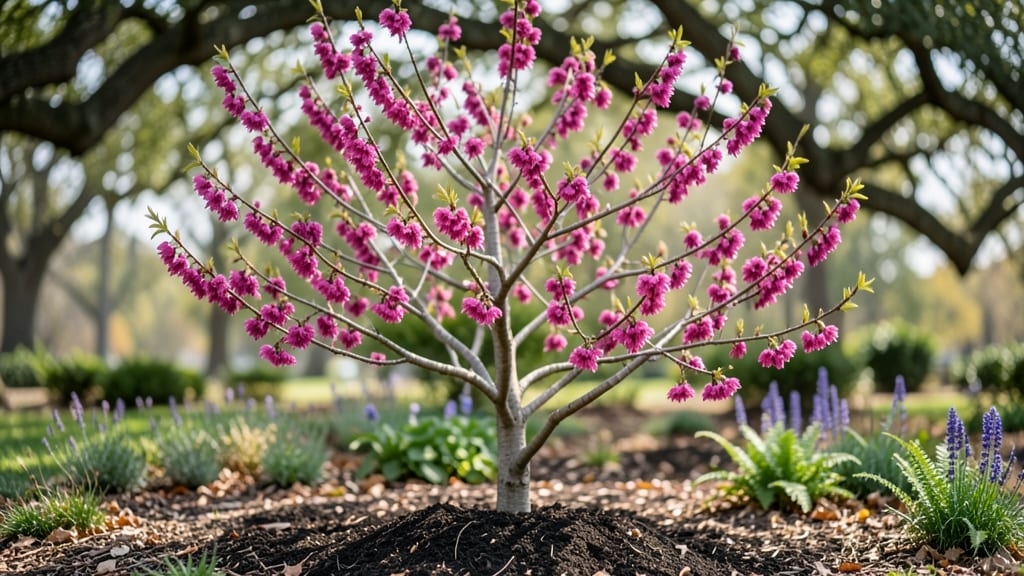
Your redbud tree’s early spring pruning could mean the difference between a modest display and a dazzling pink canopy by April. ✨ The key is timing—wait until after the first flush of blooms but before new leaves unfurl, when the tree’s energy shifts from flowers to foliage.
I’ve learned the hard way that pruning too early risks cutting off next year’s blossoms, while waiting too long can stress the tree before it’s ready. This isn’t about heavy shaping—just removing dead wood, crossing branches, and thinning out crowded areas to improve airflow.
A sharp bypass pruner and a clean workspace are all you need, plus a sharp eye for branches that rub or grow inward. The goal is to encourage strong, outward growth while preserving the tree’s natural form.
What you’ll end up with is a redbud that bursts into color earlier and stays healthier all season. The blooms last longer, the branches hold their shape better, and you’ll notice fewer pests lurking in dense growth.
Even better, the tree rewards you with years of low-maintenance beauty once you get the timing right. Works for both young redbuds and mature trees, though older specimens may need a gentler touch. Let’s get those branches looking their best before the first buds even think about opening.
📚 In This Guide
- What you need
- Instructions
- Tips and common mistakes
- Wrapping up and next steps
What you need
- ○ Pruning shears: Bypass pruners (sharp, clean, and 10-12 inch handles for leverage). Optional: Felco F-2 or Gonicc TGP-121 for precision.
- ● Loppers: 18-24 inch for thicker branches (1-2 inch diameter). Recommended: Fiskars X27 or Crown Royal.
- ● Pruning saw: Curved-tooth for branches 2+ inches thick. Example: Bahco ERGO.
- ● Garden gloves: Heavy-duty, cut-resistant (e.g., Wright & McGill or Fellex).
- ● Disinfectant: 70% isopropyl alcohol or rubbing alcohol in a spray bottle (to sterilize tools between cuts).
- ● Rag or paper towels: For wiping tools before/after use.
- ● Ladder (if needed): Sturdy, extendable (e.g., Little Giant) for tall trees (15+ feet).
- ● Trash bags: Heavy-duty (10-20 gallon) for debris disposal.
- ● Timing: Prune right after blooming (late March–early April in most zones 5-9). Avoid pruning before buds swell!
- ● Weather: Choose a dry, overcast day (humidity slows healing).
- ● Tree health check: Inspect for diseased or dead branches (brown, brittle, or oozing sap).
- ○ Safety gear (optional but wise): Safety glasses (for debris protection).
- ● Long sleeves/pants (to avoid scratches from thorns).
Step-by-Step instructions for redbud tree early spring pruning
Here's how to refresh your redbud's shape while keeping those stunning spring blooms intact.
✂️ Step 1: Time Your Prune for Post-Bloom Growth
Wait until after all flowers have faded—typically 3-4 weeks after peak bloom—before touching your shears. This ensures you don't accidentally remove next year's flower buds, which form on old wood. I always mark my calendar for late April to early May in most climates, but check your local frost dates first.
Look for browned petals and seed pods forming—this is your signal. Pruning too early risks cutting off flower buds that develop on last year's growth. Too late, and you encourage excessive new growth that won't harden off before winter. The ideal window is when new leaves appear but before vigorous summer growth begins.
🌿 Step 2: Remove Dead, Diseased, and Crossing Branches First
Start by eliminating any dead wood—branches that snap easily when bent or show no green beneath the bark when scratched. Next, remove branches with disease symptoms like cankers, oozing sap, or fungal growth. These won't recover and can spread problems to healthy wood.
Identify crossing or rubbing branches—these create wounds that invite pests. I use my thumb to test branch flexibility: if two branches cross within 6 inches of the trunk and rub against each other, one must go. Always cut back to a healthy outward-facing bud or branch collar to encourage proper regrowth.
✂️ Step 3: Thin the Canopy for Better Airflow
Step back and visualize your redbud's natural shape. Aim to open the center by removing 20-30% of the smallest branches, starting from the inside. These branches often get shaded out and produce fewer flowers. Select branches that are thinner than a pencil—they're easier to remove without disrupting the tree's structure.
Make your cuts just above an outward-facing bud or branch junction. Avoid leaving stubs—these collect moisture and rot. For branches thicker than 1 inch, use three small cuts to avoid tearing the bark: undercut first, then top cut, and finally remove the branch. This technique prevents bark from stripping as the branch falls.
☀️ Step 4: Shape the Outer Silhouette Lightly
Now focus on refining the tree's outline by trimming only the tips of branches that extend beyond your desired shape. Redbuds bloom on old wood, so avoid heavy pruning of main branches. I typically remove no more than 10% of the branch length from any single branch to maintain flower production.
Use your hand as a guide: if you can't fit it between two branches, the center is too dense. Aim for an open vase shape that lets sunlight reach all branches. Avoid "lion's tailing"—cutting back all branches to the same length—which creates a harsh, unnatural look and reduces flowering potential.
💧 Step 5: Clean Up and Monitor Recovery
After pruning, sterilize your tools with 70% isopropyl alcohol to prevent spreading disease between cuts. Rake up and dispose of all debris—don't leave it beneath the tree where it can harbor pests. Water deeply within 24 hours to help the tree recover from stress, especially if spring has been dry.
Watch for new growth emerging from the pruned areas within 2-3 weeks. Healthy redbuds will show vibrant green leaves along with new shoots. If you see excessive water sprouts (thin, upright shoots), remove them in summer—they drain energy from flower production. Your tree should look refreshed but not stripped bare, with a balanced silhouette ready for next spring's spectacular display.
Tips & tricks for perfect redbud tree early spring pruning
Here's what nobody tells you about keeping your redbud thriving after the pruning shears come out.
Timing Secret: The 3-4 week window after peak bloom is non-negotiable for redbuds. I learned this the hard way after accidentally pruning too early and losing next year's flowers. Mark your calendar for late April to early May—this aligns with when seed pods form. If you're unsure, do the "brown petal test": when you see mostly browned petals on the ground, that's your cue. The tree's natural cycle gives you this perfect window, so don't rush it.
Branch Selection Strategy: In Step 3, when you're thinning the canopy, focus on branches thinner than a pencil first. These are the ones competing for sunlight and resources. I use the "pencil test" as my guide—if it's thinner than a standard #2 pencil, it's a candidate for removal. Remember, you're opening the center by removing 20-30% of these smaller branches, not just randomly hacking away. This creates that beautiful vase shape that lets sunlight reach all parts of the tree.
Cutting Technique: The three-cut method for branches thicker than 1 inch is your best friend. I can't stress this enough—skipping the undercut leads to torn bark and slow healing. First make your undercut about 1-2 inches out from the trunk, then your top cut just above an outward-facing bud, and finally remove the branch. This clean cut prevents that ugly tear you see on so many pruned trees. The branch collar (that swollen area at the base) will protect the wound better than any sealant you can buy.
Recovery Wisdom: That deep watering within 24 hours isn't just a suggestion—it's critical for recovery. I've seen trees stressed by dry conditions after pruning fail to put out new growth. Water slowly at the base until you see moisture reach about 12 inches down. And watch for those water sprouts in summer—they're the tree's way of saying "I'm stressed!" Remove them promptly to redirect energy back to flower production. Your goal is a tree that looks refreshed, not one that's fighting just to survive.
Pro Tips for Redbud Tree Early Spring
- Here's what nobody tells you about keeping your redbud thriving after the pruning shears come out.
- Timing Secret: The 3-4 week window after peak bloom is non-negotiable for redbuds.
- Branch Selection Strategy: In Step 3, when you're thinning the canopy, focus on branches thinner than a pencil first.
Frequently asked questions
about redbud tree early spring pruning—because even pros need a little guidance!When is the exact best time to prune my redbud tree for spring blooms?
The ideal window is late winter to early spring, right after the last hard frost but before buds swell (typically February–March in most zones). Prune too early, and you risk frost damage; too late, and you may cut off next year’s flowers. Check your local frost dates for precision!
What if I missed the early spring window? Can I still prune my redbud?
Yes, but timing matters. If buds have already swollen or blooms appear, lightly shape the tree—avoid heavy cuts. Summer pruning (June–July) is your backup, but it won’t boost spring blooms. Focus on removing dead wood and thinning branches to maintain airflow.
Will pruning my redbud tree reduce next year’s pink flowers?
Not if done correctly! Redbuds bloom on old wood, so pruning in early spring preserves flower buds. Key rule: Never cut back more than 1/3 of the tree’s height at once. Thin selectively to open the canopy for sunlight—more light = more blooms!
My redbud leaves look chewed after pruning. Is this normal, or should I worry?
Chewed leaves? Likely Japanese beetles or caterpillars—common pests that target stressed or newly pruned trees. Solution: Spray with neem oil or insecticidal soap (early evening). Healthy redbuds bounce back fast, but monitor for repeat infestations.
Are there alternatives to pruning if I want vibrant redbud blooms without the hassle?
While pruning enhances blooms, you can still enjoy them with minimal effort:
- Mulch well (2–3 inches) to protect roots and encourage growth.
- Water deeply during droughts—redbuds thrive with consistent moisture.
- Fertilize lightly in early spring with a balanced 10-10-10 formula.
- Plant companion flowers (like daffodils) to deter pests naturally.
Wrapping up and next steps
Watching your redbud tree burst into stunning pink blooms each early spring is a reward worth the effort! With the right pruning techniques—like timing cuts after flowering and shaping strategically—you’ll ensure a healthier, more vibrant display year after year.
Now that you’re equipped with the know-how, grab those shears and give your tree the care it deserves. 🌸 Ready to see your garden shine?
For even more pruning inspiration, check out our guide on seasonal tree care—your future blooms will thank you!