
Pests and Diseases
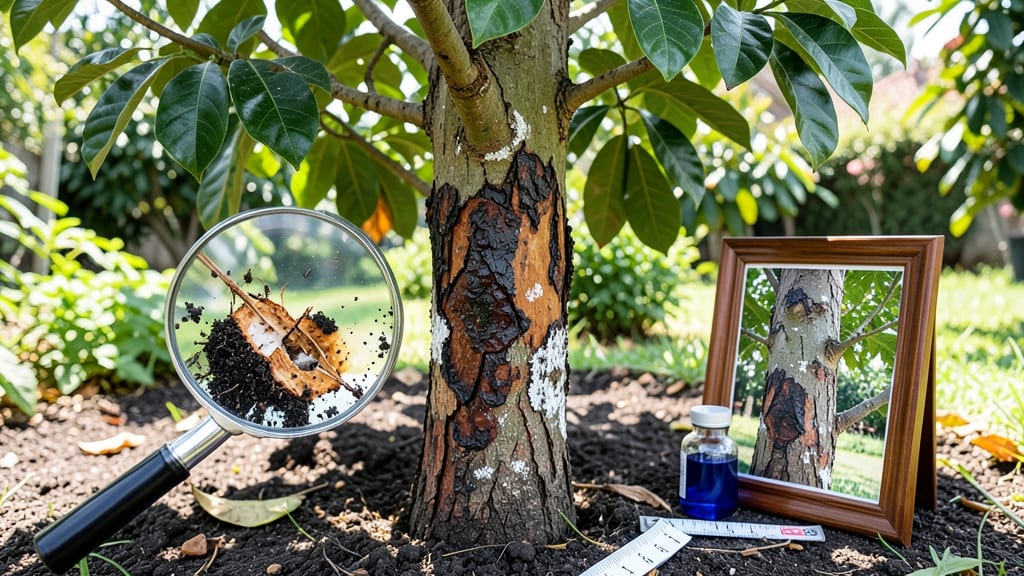
Your mango tree’s bark disease could be silently killing it—unless you act now. 🌿 That dark, oozing mess isn’t just unsightly; it’s a fungal infection spreading under the surface, and the longer you wait, the harder it is to save your tree.
I’ve seen healthy mango trees turn into skeletal husks in months because of this, but early treatment can bring them back to life.
The first signs are subtle: small cracks in the bark, sticky sap, or patches that look like someone painted gray on your tree’s trunk. These are classic symptoms of fungal infections like anthracnose or bacterial canker, which thrive in warm, humid climates—exactly where mango trees love to grow.
The good news? You can stop it in its tracks with the right tools and a little elbow grease.
Within days of treating the affected areas—cleaning, pruning, and applying the right fungicide—you’ll see fresh growth pushing through. The bark will start healing, and your tree will regain its strength. The key is acting fast before the disease moves into the branches or roots, where it’s nearly impossible to reverse.
This works for both backyard trees and larger orchards, and I’ll walk you through exactly what to do, step by step. No guesswork, just proven methods to save your mango tree before it’s too late.
Root Causes Behind Bark Damage
Understanding why mango tree bark disease develops starts with recognizing the environmental stress factors and pathogen interactions that weaken your tree’s defenses. These issues don’t happen in isolation—they’re often a perfect storm of poor growing conditions, microbial invaders, and human (or animal) interference.
Let’s break down the key triggers so you can spot them early and act fast.
Mango trees are prime targets for pathogenic microbes that exploit weak bark. The most common culprits include:
- Anthracnose (Colletotrichum gloeosporioides)
- This fungus thrives in
- It produces dark, sunken lesions that ooze gum-like sap—a classic sign of bark rot.
- Why it spreads: Spores splash from infected leaves or fruit onto the trunk during storms or overhead watering.
- Bacteria enter via
- A
A healthy mango tree’s bark is its first line of defense—but extreme conditions can break it down, inviting disease.
- Excess Moisture (Overwatering or Poor Drainage)
- Saturated bark (from frequent rain, overhead irrigation, or mulch piled against the trunk) creates the perfect breeding ground for fungi.
- Red flag: Bark stays damp for >24 hours—this is when spores germinate and infect.
- Fix: Ensure 6–12 inches of mulch away from the trunk and raise beds to improve airflow.
- Physical Damage from Pruning or Pests
- Improper pruning (cutting too close to the trunk) leaves jagged wounds that fail to heal, inviting infection.
- Insects like mango stem borers (Batocera rufomaculata) chew into bark, creating entry points for pathogens.
- Why it’s risky: A fresh wound is 100x more vulnerable to infection than mature bark.
- Nutrient Deficiencies (Especially Potassium & Calcium)
- Low potassium (K) weakens cell wall integrity, making bark more susceptible to cracking and splitting.
- Calcium deficiency leads to poor wound healing, leaving cuts open to fungal colonization.
- Signs: Yellowing between leaf veins (potassium deficiency) or blossom-end rot-like cracks on bark.
Even the hardiest mango trees struggle when their basic needs aren’t met. These factors create stress points where disease takes hold:
- Compacted or Waterlogged Soil
- Root asphyxiation (from heavy clay or poor drainage) starves the tree of oxygen, weakening its immune response.
- Result: Bark becomes thin and brittle, cracking easily under wind or weight.
- Extreme Temperature Swings
- Sudden cold snaps (below 50°F/10°C) can kill bark cells, creating frost cracks—perfect entry points for fungi.
- Heat stress (above 95°F/35°C) dries out bark, making it more prone to splitting when humidity spikes.
- Lack of Sunlight (Shade Stress)
- Mango trees need full sun (6+ hours/day). Shade from other trees or structures weakens bark, reducing lignin production (the compound that makes bark tough).
- Outcome: Softer bark peels or blisters, inviting fungal colonization.
Sometimes, the problem isn’t nature—it’s us (or critters) creating the perfect conditions for disease.
- Improper Tool Sanitation
- Reusing pruners on infected trees spreads pathogens like wildfire. Bacteria and fungi can survive on tools for weeks.
- Pro tip: Disinfect tools with 70% rubbing alcohol or bleach solution (1:10 ratio) between cuts.
- Animal Damage (Rats, Monkeys, or Livestock)
- Gnawing (rats, monkeys) or rubbing (cows, goats) strips bark, exposing wood to infection.
- Example: A monkey bite on a trunk can introduce oral bacteria, leading to canker.
- Excessive Fertilizer (Burning the Tree)
- Over-fertilizing with nitrogen (e.g., urea or manure) burns bark, creating chemical wounds that fungi exploit.
- Symptom: Bark turns yellowish-brown and peels, with a sour, ammonia-like smell.
Most bark diseases don’t appear overnight—they’re the result of multiple stressors working together. For example:
- A drought-stressed tree (low potassium) develops thin bark.
- A monkey chews the trunk, creating a wound.
- Heavy rain washes spores onto the fresh cut.
- Poor drainage keeps the bark wet for days—boom, infection.
The good news? Once you identify the trigger points in your orchard, you can break the cycle with targeted fixes. Stay tuned for our next section on early warning signs and how to treat infected bark before it’s too late.
Quick Fixes for Bark Troubles
Reviving a mango tree suffering from bark disease starts with identifying the root cause—whether it’s fungal infections, bacterial rot, or environmental stress. Below are practical, step-by-step solutions tailored to each issue, plus prevention tips to keep your tree thriving. Let’s get your mango tree back to health!
Fungal diseases like anthracnose or powdery mildew thrive in damp, warm conditions, creating dark spots, cracks, or oozing lesions on the bark. Here’s how to tackle them:
🔥 Step 1: Prune Infected Areas
- Use sterilized pruning shears (wipe with rubbing alcohol) to cut out all diseased bark—even if it looks minor.
Remove at least 1 inch below the visible damage to prevent spread. - Dispose of infected branches far from the tree (burn or seal in a bag).
🍳 Step 2: Apply Fungicide
- Copper-based fungicides (like Bordeaux mixture) or sulfur sprays work best for fungal spots.
Follow label instructions—typically every 2–4 weeks during rainy seasons. - For organic options, mix 1 tbsp neem oil + 1 tsp baking soda + 1 quart water, spray on bark, and repeat weekly.
🌡️ Step 3: Improve Airflow & Dryness
- Thin out dense foliage around the trunk to reduce humidity.
- Avoid overhead watering—use drip irrigation or water at the base early in the morning.
- Pro tip: 💡 Wrap the trunk with plastic sheeting (not tightly!) during monsoon season to shield it from excess moisture.
Bacterial infections cause sunken, oozing wounds that smell foul. These are trickier but manageable with aggressive action:
👨🍳 Step 1: Clean & Disinfect Wounds
- Scrape off all infected bark with a sterilized knife, exposing healthy tissue beneath.
- Apply copper fungicide or antibacterial horticultural oil (like Serenade ASO) to the wound.
🔪 Step 2: Seal the Damage
- Cover the cleaned area with tree wound dressing (pruning sealant) to prevent reinfection. Avoid thick coatings—they trap moisture!
- Warning: ⚠️ Never use paint or tar—they suffocate the tree.
⏰ Step 3: Monitor & Repeat
- Check wounds weekly for new oozing. If bacteria return, repeat Step 1 and apply a stronger streptomycin-based spray (last resort—use sparingly).
If bark issues stem from sun scald, frost cracks, or poor soil, focus on preventive care:
🌞 Protect from Extreme Weather
- Sun scald? Wrap the trunk with light-colored burlap or tree guard during hot summers.
- Frost cracks? Apply mulch (straw or wood chips) 3–4 inches thick around the base to insulate roots.
💧 Adjust Watering & Soil
- Overwatering? Let soil dry 2–3 inches deep before watering again.
- Poor drainage? Amend soil with compost or perlite to improve airflow.
- Pro tip: 🌱 Test soil pH—mangoes prefer 5.5–7.0.
Adjust with lime (to raise pH) or sulfur (to lower it).
🍃 Boost Tree Immunity
- Fertilize with potassium-rich compost (like banana peels or wood ash) to strengthen bark resilience.
- Avoid nitrogen-heavy fertilizers—they encourage soft, disease-prone growth.
- Inspect monthly: 🔍 Check for discoloration, cracks, or gummy residue early.
- Keep tools clean: Sterilize pruners between trees to prevent cross-contamination.
- Avoid physical damage: 🚫 Don’t let lawnmowers or weed whackers scrape the trunk.
- Plant smart: Space trees 15+ feet apart for airflow; avoid planting in low-lying, waterlogged spots.
Final Note: 🌟 Patience is key—some treatments take 3–6 months to show results. Stay consistent, and your mango tree will bounce back stronger! For severe cases, consult a local arborist for expert advice.
Frequently asked questions
What are the first signs my mango tree has bark disease?
Look for dark, sunken lesions on the trunk, oozing sap (especially sticky or gum-like), or peeling bark that reveals discolored wood underneath. Early stages may show small cracks or yellowish-brown patches—these are red flags for fungal or bacterial infections.
Can I save a mango tree if the bark disease has spread to the branches?
It depends on how deep the infection has gone. If only the outer bark is affected, you can prune infected branches and apply fungicide. However, if the disease has penetrated the vascular system (causing wilting or dieback), the tree may need professional arborist intervention or removal to prevent spread. Act fast—early treatment gives you the best chance!
Is it safe to use homemade remedies like neem oil on infected bark?
Yes, neem oil is an excellent organic fungicide for early-stage bark diseases. Mix 1 tablespoon neem oil + 1 teaspoon baking soda + 1 quart water, spray directly on affected areas, and repeat weekly during humid seasons. For severe cases, combine with copper-based sprays for better results. Just avoid applying when the sun is intense to prevent leaf burn.
How do I know if my mango tree’s bark damage is from disease or just environmental stress?
Disease-related damage typically shows oozing lesions, discoloration, or fungal growth, while environmental stress (like sun scald or frost cracks) appears as clean, dry cracks without sap or decay. Check for other symptoms: yellowing leaves or leaf drop often accompany disease, while stress-related damage usually affects only the bark.
When should I call an arborist instead of treating myself?
Consult an expert if you see large areas of dead bark, oozing wounds that won’t heal, or wilting branches despite treatment. Also seek help if the disease spreads rapidly within weeks or if your tree is young/small—professionals can assess whether the infection has reached critical levels that require removal.