
Pests and Diseases
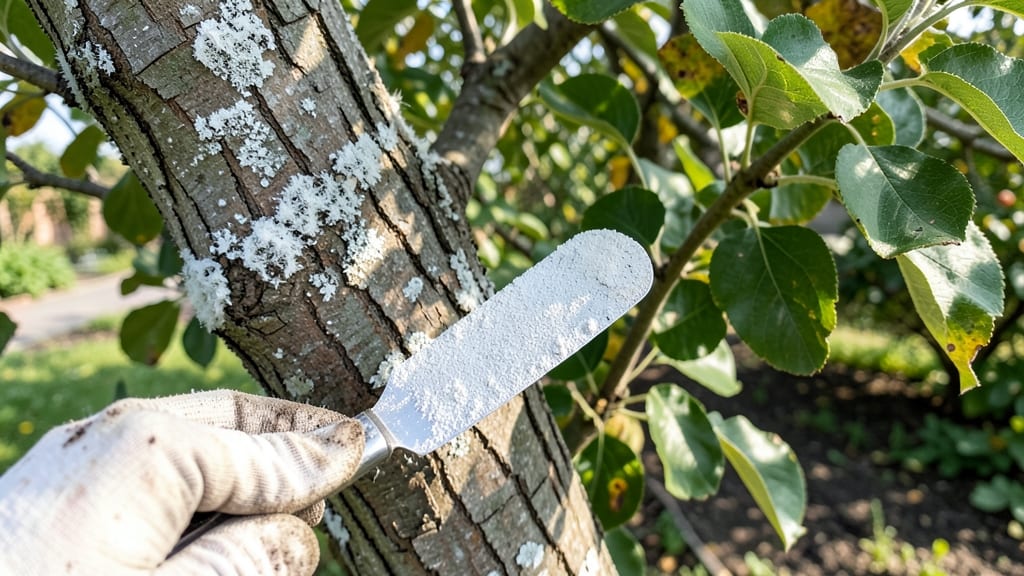
That creeping white fungus on your apple tree bark isn’t just unsightly—it’s a silent threat to your tree’s health. 🌳 I’ve seen Nectria canker and powdery mildew turn vibrant orchards into skeletal remains within seasons, and the key to saving your tree is acting fast before the fungus spreads to branches or fruit.
What starts as a small white patch can quickly become a deadly canker, so knowing the difference between harmless lichen and something dangerous is critical.
The culprits are usually Nectria canker or Botryosphaeria, both of which thrive in wet conditions and weak tree defenses. You’ll spot them as white, fuzzy growths that later turn into sunken, oozing cankers—often near pruning wounds or cracks in the bark.
Powdery mildew, while less aggressive, still weakens the tree and makes it more vulnerable to these deadly fungi. The good news? Early intervention with proper pruning, fungicides, and preventive care can turn things around.
By the time you finish this guide, you’ll know exactly how to identify the fungus, prune infected areas correctly (without spreading it further), and apply the right treatments—whether organic or chemical—to stop it in its tracks.
The goal isn’t just to remove the white growth but to restore your tree’s health so it can bounce back stronger than ever. Let’s get your apple tree back on track.
Season matters here: spring and fall are peak times for fungal activity, so timing your treatments right is half the battle. We’ll cover when to prune, how often to monitor, and what tools to use to make sure your tree stays fungus-free year-round.
No more guessing—just actionable steps to protect your harvest and keep your orchard thriving.
Root Causes Behind Fungal Growth
When you spot that mysterious white fungus creeping up your apple tree’s bark, it’s rarely a random event—it’s usually a sign of underlying conditions your tree is struggling with. Understanding why this happens is the first step to stopping it in its tracks.
Below, we break down the most common culprits, backed by science, so you can address the problem at its source.
Fungal spores thrive in damp, humid environments, and apple trees are no exception. When bark stays consistently wet—whether from heavy rain, overhead irrigation, or poor soil drainage—it creates the perfect breeding ground for white fungal growth, including Nectria canker or powdery mildew.
- Why it happens: Moisture softens the bark, making it easier for fungal hyphae (thread-like structures) to penetrate and establish colonies. Poor airflow between branches also traps humidity, accelerating spore germination.
- Actionable fix:
- Prune branches to improve airflow—thin out dense foliage to let sunlight and air circulate.
- Avoid watering the base of the trunk; instead, use drip irrigation or soaker hoses to keep soil (not bark) moist.
- Ensure your tree is planted in well-draining soil. Amend heavy clay with compost or sand if needed.
A healthy apple tree’s bark has natural antifungal compounds and a protective cuticle layer that repels invaders. But when stress weakens these defenses—whether from nutrient deficiencies, pests, or disease—the tree becomes an easy target for fungal colonization.
- Why it happens:
- Nutrient deficiencies (especially potassium, calcium, or phosphorus) thin the bark and reduce its ability to resist pathogens.
- Insect damage (e.g., borers, aphids) creates entry wounds where fungi can take hold.
- Prior infections (like fire blight or canker) leave the tree vulnerable to secondary fungal attacks.
- Actionable fix:
- Test your soil and fertilize with a balanced, slow-release formula (e.g., 10-10-10) in early spring.
- Apply copper fungicide (like Bordeaux mixture) as a preventive measure if your tree has a history of disease.
- Inspect for pests regularly and treat infestations (e.g., neem oil for aphids) before they compromise bark integrity.
Apple trees in regions with hot, humid summers followed by sudden cold snaps are at higher risk for fungal outbreaks. Temperature swings stress the tree, disrupting its natural defenses and creating ideal conditions for spore germination.
- Why it happens:
- Rapid temperature drops weaken cell walls in the bark, making it easier for fungi to invade.
- High humidity (often paired with heat) slows evaporation, keeping the bark damp longer.
- Winter frost can crack bark, providing direct access for fungal spores.
- Actionable fix:
- Mulch around the base of the tree (3–4 inches deep) with wood chips or straw to regulate soil temperature and reduce moisture loss.
- Choose disease-resistant apple varieties (e.g., ‘Liberty’ or ‘Enterprise’) if you’re in a high-risk climate.
- Apply a protective bark wrap (like tree guard) in late fall to shield against winter damage.
Even unintentional injuries—like scrapes from pruning shears, animal scratches, or hail—can expose the tree’s inner layers to fungal contamination. Once the bark is compromised, spores from the air or nearby soil latch on and multiply rapidly.
- Why it happens:
- Open wounds disrupt the bark’s protective barrier, allowing spores to colonize.
- Wildlife (e.g., rabbits, deer) can gouge bark while feeding, creating perfect entry points.
- Improper pruning techniques (e.g., cutting too close to the trunk) delays healing and invites infection.
- Actionable fix:
- Always sterilize pruning tools with rubbing alcohol between cuts to prevent cross-contamination.
- Use tree guards or fencing to protect young trees from wildlife damage.
- Seal minor wounds with pruning sealant (though research shows this is more cosmetic—focus on preventing damage first).
Pro Tip: 💡 Early detection is key! Scrape a small section of the white growth with a sterile knife. If it reveals black or orange streaks beneath, it’s likely a canker fungus—act fast with copper-based treatments. If it’s powdery and brushes off easily, it may be mildew, which responds well to baking soda sprays (1 tbsp baking soda + 1 quart water + a drop of soap).
How to Fix Fungal Issues Fast
Now that you’ve identified the culprit behind that unsightly white fungus on your apple tree bark, it’s time to take action! The good news? Most fungal infections are manageable with the right approach.
Below, we’ve mapped out practical solutions based on the most common causes—plus prevention tips to keep your tree thriving.
If soggy soil or excess moisture is the root of the problem, your first step is to improve drainage and reduce humidity around the tree.
- 🔥 Fix It: - Adjust watering habits: Water deeply but only when the top 2 inches of soil are dry. Avoid overhead sprinkling, which can encourage fungal spores to spread. - Improve soil drainage: Mix in compost or organic matter to loosen heavy clay soil.
Consider adding a 1-inch layer of mulch (keep it 3–4 inches away from the trunk) to retain moisture without suffocating the roots. - Prune for airflow: Thin out dense branches to increase airflow around the canopy. Fungus loves stagnant, humid conditions—so let the breeze do some of the work!
- 💡 Pro Tip: If your tree is in a low-lying area, raise the soil level slightly with a mound of amended soil to prevent water pooling.
Fungal spores thrive in wet, humid conditions, especially during spring and fall. If your tree is in a shady, damp spot, it’s time to create a less hospitable environment.
- 🍳 Fix It: - Apply a fungicide: Use a copper-based fungicide or neem oil spray (both are organic and effective against early-stage fungal growth).
Follow label instructions for application timing and safety. - Protect with row covers: If rain is frequent, drape a lightweight fabric row cover over young trees or branches to block moisture while allowing sunlight. - Trim affected bark: If the fungus has already taken hold, sterilize pruning shears with rubbing alcohol and remove infected bark down to healthy tissue.
- 🌡️ Pro Tip: Morning is the best time to spray—dew and humidity are highest then, so you’re hitting the fungus at its peak vulnerability.
A stressed tree—whether from pests, disease, or poor health—is an open invitation for fungal invaders. Strengthen your tree’s natural resistance with these steps.
- 👨🍳 Fix It: - Treat pest issues first: If aphids, scale, or borers are present, use insecticidal soap or horticultural oil to eliminate them. Healthy trees fight fungus better! - Fertilize wisely: Apply a balanced, slow-release fertilizer (like 10-10-10) in early spring to boost overall tree vigor.
Avoid over-fertilizing with nitrogen, which can weaken defenses. - Encourage beneficial microbes: Sprinkle mycorrhizal fungi or compost tea around the root zone to enhance soil health and immune response.
- ✨ Pro Tip: Avoid wounding the tree—rough pruning or damage from tools can create entry points for fungus. Always use clean, sharp tools and make cuts at a 45-degree angle just outside the branch collar.
The best defense? Stopping fungus before it starts. Here’s how to protect your apple tree long-term:
- 🎯 Year-Round Care:
- Sanitize tools after each use with rubbing alcohol or bleach solution (1 part bleach to 9 parts water).
- Remove fallen leaves/debris from under the tree—fungus spores overwinter in organic matter.
- Plant companion plants like garlic, chives, or marigolds nearby—they repel fungal pathogens naturally.
- Monitor regularly: Check the bark, leaves, and soil weekly during growing seasons for early signs of white powdery patches.
- 🔥 Seasonal Checklist:
- Spring: Apply preventative fungicide before buds swell.
- Fall: Rake up all leaf litter and mulch heavily to protect roots from winter moisture.
- Winter: Prune dead/diseased branches in dry weather to reduce fungal spread.
Remember: Consistency is key! Fungal issues often return if you treat them once and then neglect prevention. With these steps, your apple tree will stay strong, healthy, and fungus-free—so you can enjoy those sweet, juicy apples for years to come! 🍏🌳
Frequently asked questions
Is white fungus on apple tree bark always harmful?
Not all white growth is dangerous! Lichen is harmless and often blue-green or grayish-white, while true fungal threats like Nectria canker or powdery mildew are usually fluffy white or gray and spread aggressively. Scrape a small patch—if it reveals black/orange streaks beneath, it’s a canker fungus and needs treatment immediately.
Can I prune infected branches myself, or should I call a professional?
You can handle small infections yourself, but use sterilized tools and cut 6 inches below the visible fungus to healthy bark. For large cankers or widespread damage, consult an arborist—improper pruning can spread the disease further. Always dispose of infected branches in sealed bags, not compost.
How often should I apply fungicide to prevent regrowth?
For organic prevention, spray neem oil or copper fungicide every 2-3 weeks during spring and fall (peak fungal seasons). Chemical fungicides may require monthly applications. Always follow label instructions—overuse can harm beneficial insects and soil microbes. Start treatments before buds swell in spring for best results.
Will my apple tree recover if I remove the fungus early?
Yes! Early intervention gives your tree the best chance to recover. Remove infected bark, improve airflow with pruning, and strengthen the tree’s defenses with proper fertilization. Young trees often bounce back completely, while mature trees may show some scarring but can still produce fruit if cared for properly.
Can I use household items like baking soda to treat white fungus?
A diluted baking soda solution (1 tbsp baking soda + 1 quart water + a drop of soap) works well for powdery mildew but won’t eliminate canker fungi. For stubborn cases, combine it with copper fungicide. Reapply every 7-10 days during humid weather, focusing on both bark and leaves.