
Container Gardens
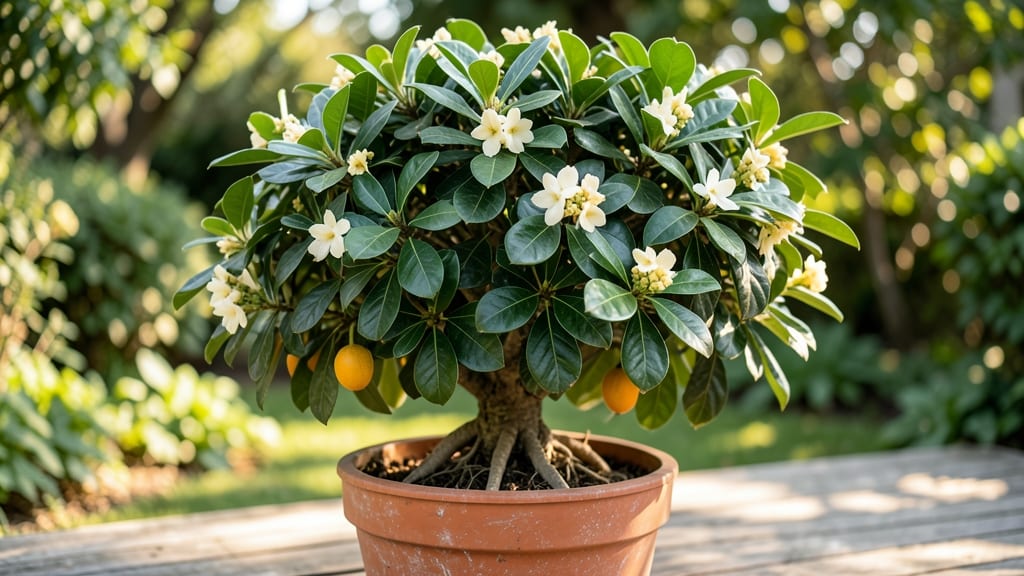
Growing a loquat tree in a pot lets you enjoy fragrant blossoms and sweet fruit—even on a tiny balcony. 🌱 I’ve watched mine produce fruit for three winters in a row, proving that citrus trees thrive in containers with the right care. The key?
Choosing the perfect pot size and soil mix to mimic its tropical roots while keeping it manageable. A 15- to 20-gallon container gives roots room to spread without becoming root-bound, and well-draining soil prevents soggy roots. Loquats love morning sun and afternoon shade, so a sheltered spot works best.
Water when the top inch of soil feels dry, and fertilize lightly in spring and summer to encourage blooms. By winter, you’ll harvest small, honey-sweet fruits that taste like a mix of peach and citrus.
The tree stays compact—6 to 10 feet tall—making it ideal for patios or indoor growers with bright windows. Prune lightly after harvest to shape it and keep it tidy.
Common issues like yellow leaves or pests can be fixed with simple adjustments, like adjusting water or introducing ladybugs for aphids. With patience, your potted loquat will reward you with years of fruit and fragrance—no yard required!
📚 In This Guide
- What you need
- Instructions
- Tips and common mistakes
- Wrapping up and next steps
What you need
- ● Loquat Tree Sapling: Choose a dwarf or semi-dwarf variety (e.g., 'Big Jim' or 'Algerie') for container growing. Ensure it’s healthy, with no signs of pests or disease.
- ● Pot: Minimum 18–24 inches in diameter (deeper is better for root growth).
- ● Must have drainage holes (4+ holes recommended).
- ● Material: Terracotta (breathable) or plastic (retains moisture longer).
- ● Well-Draining Potting Mix: Use a citrus-specific mix or blend: 50% cactus/succulent mix (for aeration)
- ● 30% peat moss or coconut coir (moisture retention)
- ● 20% perlite or coarse sand (drainage)
- ● Avoid garden soil—it compacts and suffocates roots!
- ● Fertilizer: Slow-release citrus fertilizer (e.g., 6-6-6 NPK ratio).
- ● Or liquid fertilizer (e.g., fish emulsion or citrus-specific feed) for frequent feeding.
- ● Gloves (to protect hands from thorns and soil).
- ● Trowel or small shovel (for planting and repotting).
- ● Mulch (e.g., orchid bark or gravel to retain moisture and regulate temperature).
- ● Saucer or tray (to catch excess water and prevent mess).
- ○ Support stake or trellis (optional, for young trees to prevent toppling).
- ○ pH Test Kit (optional but helpful—loquats prefer slightly acidic soil (pH 6.0–7.0)).
- ● Spray bottle (for misting leaves in dry climates).
Step-by-step instructions for growing a loquat tree in a pot
Here's how to cultivate this fragrant citrus treasure in containers—with fruit in just a few years!
🪴 Step 1: Choose the Right Container and Drainage
Loquat trees need room to grow, so start with a 5-gallon pot for your first year and plan to upgrade to 15-20 gallons within 3-4 years. Use a container with drainage holes—loquats hate soggy roots. I prefer unglazed ceramic pots because they allow excess moisture to evaporate through the walls, keeping roots healthier in hot climates.
If your pot lacks drainage, drill 4-6 holes along the bottom and add a 2-inch layer of gravel at the base. This prevents root rot while still allowing water to escape freely. The pot should be at least 18 inches deep to accommodate the tree's taproot system as it develops.
🌱 Step 2: Plant Your Loquat Tree Correctly
Fill the pot with well-draining citrus potting mix—never regular garden soil, which compacts and suffocates roots. Loquats thrive in slightly acidic soil with a pH of 6.0-7.0. Mix in a handful of perlite or pumice to improve aeration, especially if your mix feels dense.
Remove the tree from its nursery pot and gently loosen the roots if they're circling. Position it so the root flare (where the roots meet the trunk) sits 1 inch below the soil line. This prevents stem rot while allowing roots to spread naturally. Backfill with soil, pressing lightly to remove air pockets but avoiding compaction.
☀️ Step 3: Position for Maximum Sunlight and Airflow
Loquats crave full sun (6-8 hours daily) for best fruiting, but they tolerate morning sun with afternoon shade in hotter climates. Place your pot where it gets at least 6 hours of direct sunlight—a south- or west-facing patio works perfectly. If growing indoors near a window, supplement with a grow light for 12-14 hours daily to prevent leggy growth.
Ensure good airflow around the tree to reduce humidity-related diseases. Space pots 3-4 feet apart if grouping multiple trees. I notice my loquat trees produce more fruit when they get gentle breezes—even a small fan on low helps prevent fungal issues.
💧 Step 4: Water and Fertilize for Healthy Growth
Water deeply every 7-10 days, allowing the top 2 inches of soil to dry out between waterings. Overwatering is the #1 killer of potted loquats—yellowing leaves or mushy stems are red flags. In summer, you may need to water weekly, while winter watering can drop to every 2-3 weeks. Always water at the base, avoiding wetting the foliage to prevent fungal spores.
Feed your tree every 4-6 weeks during spring and summer with a balanced citrus fertilizer (10-10-10 or 8-3-9 ratio). Reduce feeding in fall and winter. I swear by organic fish emulsion for a nutrient boost—loquats respond beautifully to the nitrogen and micronutrients. Flush the soil with water once a month to prevent salt buildup from fertilizers.
✂️ Step 5: Prune and Maintain Year-Round
Prune in late winter or early spring before new growth begins. Remove dead, crossing, or inward-growing branches first to improve airflow. Then, trim back overly long branches by 1/3 to encourage bushier growth. Loquats fruit on new wood, so light pruning stimulates better fruiting. Always use sterilized pruners to prevent disease spread.
Watch for scale insects or aphids on new growth—wipe leaves with neem oil if you spot sticky residue (honeydew). I've found that mulching with 2 inches of bark chips helps retain moisture and regulate soil temperature. In winter, move pots to a protected area if temperatures drop below 20°F—loquats are semi-tropical and sensitive to frost.
Tips & tricks for growing a thriving potted loquat tree
Here's what I've learned from years of growing these fragrant citrus beauties in containers—tricks that'll help you avoid common pitfalls and maximize fruit production.
Container Upgrade Strategy: When you're ready to move up from that initial 5-gallon pot to 15-20 gallons, do it gradually. I recommend upgrading every 2-3 years rather than waiting until the roots are visibly circling. This prevents transplant shock and gives your tree time to adjust. The deeper the pot, the better—aim for at least 18 inches to accommodate that taproot system. If you're using a decorative pot without drainage, nest it inside a leak-proof cache pot with gravel at the bottom to catch excess water.
Soil Science Secret: That pH of 6.0-7.0 isn't just a number—it's crucial for nutrient availability. I test my soil annually with a simple pH meter (they're cheap and accurate). If your mix starts running acidic (below 6.0), add a pinch of dolomitic lime to each watering for a month. For alkaline soils (above 7.0), mix in a bit of peat moss. The perlite or pumice you add isn't just for aeration—it also helps regulate moisture levels, which is especially important in those 7-10 day watering cycles.
Sunlight Optimization: The 6-8 hours of sunlight recommendation is your baseline, but here's the pro move: rotate your pot every 2-3 weeks to ensure even growth. Trees left in one spot develop lopsided canopies and weaker branches. In hot climates, I've found that providing afternoon shade (with sheer fabric) during peak summer months actually increases fruiting—your tree will focus energy on producing fruit rather than fighting heat stress. That 12-14 hours of grow light for indoor setups? Use a full-spectrum LED bulb, not the cheap clip-on ones—they won't provide the blue light spectrum your tree needs for healthy growth.
Watering Wisdom: The "top 2 inches dry" rule is perfect, but here's how to check it properly: stick your finger about 2 inches into the soil. If it feels dry all the way through, it's time to water. If it's still damp, wait another day. I've seen beginners overwater because they're checking the surface—loquats hate wet feet! For that weekly summer watering, I use the "soak and dry" method: water until it runs out the drainage holes, then wait until that top 2 inches is bone dry before watering again. This mimics natural rainfall patterns and prevents root rot.
Pro Tips for Loquat Tree In Pot
- Here's what I've learned from years of growing these fragrant citrus beauties in containers—tricks that'll help you avoid common pitfalls and maximize fruit production.
- Container Upgrade Strategy: When you're ready to move up from that initial 5-gallon pot to 15-20 gallons, do it gradually.
- Soil Science Secret: That pH of 6.0-7.0 isn't just a number—it's crucial for nutrient availability.
Frequently asked questions
Got questions about growing a loquat tree in a pot? You’re not alone—these compact citrus beauties are full of surprises! Below, we’ve rounded up the most common queries to help you nurture your potted loquat like a pro.
How cold-hardy is a loquat tree in a pot?
A potted loquat tree thrives in USDA Zones 8–11, but it’s not frost-tolerant. If temperatures dip below 25°F (-4°C), move it indoors or wrap the pot in bubble wrap and mulch the roots. Young trees are especially vulnerable—consider a greenhouse or sunroom for winter protection.
How long does it take for a loquat tree in a pot to bear fruit?
Patience is key! Most potted loquat trees take 3–5 years to produce fruit, depending on care, sunlight, and variety. Dwarf varieties (like ‘Big Jim’) may fruit sooner—2–3 years. Ensure full sun (6+ hours/day), well-draining soil, and regular pruning to encourage blooms.
Why are my loquat tree leaves turning yellow?
Yellow leaves usually signal overwatering, underwatering, or nutrient deficiencies. Check the soil—it should stay slightly moist but not soggy. Loquats love acidic, well-draining soil (pH 5.5–6.5). If yellowing spreads, test for iron or nitrogen deficiencies and amend with citrus-specific fertilizer.
Can I grow a loquat tree indoors?
While possible, loquats crave sunlight—a south-facing window or grow lights (12+ hours/day) are a must. If indoors, keep temps between 60–85°F (15–29°C) and humidity moderate. Expect slower growth and fewer fruits compared to outdoor pots. A sunroom or patio is ideal for year-round success.
What’s the best pot size for a loquat tree?
Start with a 5–7 gallon pot for young trees, then upgrade to 10–15 gallons as they mature. Loquats have shallow but wide roots, so choose a pot 2x wider than the root ball with drainage holes. Terracotta (breathable) or fabric grow bags work well. Repot every 2–3 years in spring.
Are loquat trees in pots prone to pests?
Yes! Watch for aphids, scale, and spider mites—common in container citrus. Neem oil or insecticidal soap can help. Ensure good airflow and prune dense foliage to deter pests. If soil-borne issues arise (like root rot), repot with fresh, sterile soil and adjust watering.
Wrapping up and next steps
Growing a loquat tree in a pot is a rewarding way to enjoy fragrant blooms and sweet, citrusy fruit—even in small spaces! 🌱 With the right care, your container-grown tree can thrive for years, offering beauty and harvests year-round.
Whether you're a beginner or seasoned gardener, this compact citrus beauty is a fantastic addition to patios, balconies, or sunny windowsills.
Ready to take the next step? Pick your pot, gather your supplies, and get planting! Soon, you’ll be savoring homegrown loquats while basking in the pride of nurturing your own citrus tree. Happy gardening! 🌟