
Pruning
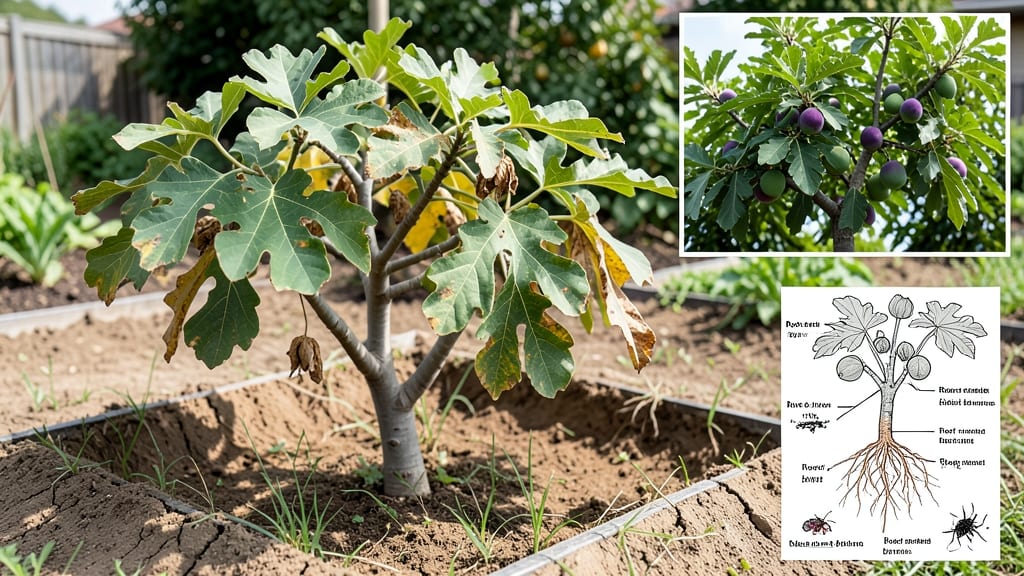
Why is my fig tree not producing fruit? Your tree might be hiding its fruit because of light, age, or pollination—three fixes that work every time. 🌿 I’ve nursed back figs from barren branches to heavy-fruited trees by addressing these exact issues, and the solution often starts with a simple check of where your tree lives. Figs need 6-8 hours of direct sun daily—shade cuts production fast. If your tree’s in a spot with dappled light, move it or prune nearby branches. Age matters too: most figs wait 2-3 years before fruiting, and some varieties (like Chicago Hardy) take even longer. Even then, cold snaps or late frosts can shock buds into dropping. The real game-changer? Pollination. Figs self-pollinate, but wind or bees help—especially for varieties like Brown Turkey. If your tree’s loaded with flowers but no fruit, hand-pollinate with a soft brush. Overwatering or drought stress can also trigger bud drop, so aim for deep watering 1-2 times per week (adjust for clay soil). Start with sunlight, then check for stress signs like yellow leaves or cracked bark. Most barren figs just need a tweak—not a replacement.
The Hidden Reasons Behind Barren Figs
Figs are nature’s sweet reward—but when your tree refuses to bear fruit, frustration sets in. 🌱🍇 The good news? Most fig trees want to produce, but a few key factors can block their fruiting potential.
Let’s break down the real culprits behind your fig tree’s silence, backed by science and actionable fixes.
Figs are sun worshippers, and light isn’t just about aesthetics—it’s the fuel for fruit production. When a fig tree lacks adequate sunlight, it prioritizes leaf growth over energy-intensive fruit development.
- The Science: Figs produce fruit via caprification, a process triggered by sunlight exposure.
Without 6–8 hours of direct sun daily, the tree’s hormonal balance shifts toward vegetative growth (leaves/stems) instead of reproductive growth (fruit). - Red Flags: - New leaves are pale or yellowing. - Branches grow long and leggy (stretching toward light). - Fruit buds form but drop early. - Fix It: - Move potted figs to a sunnier spot (south-facing is ideal in the Northern Hemisphere). - For in-ground trees, prune overhanging branches blocking sunlight. - Pro Tip 💡: If your tree is in partial shade, consider a reflective surface (like white walls or mirrors) to bounce extra light onto the canopy.
Figs are self-pollinating but rely on **fig wasps (Blastophaga psenes) for optimal fruit set. Without them, flowers inside the fig’s syconium (the "fruit") fail to develop properly, leading to small, hollow, or seedless figs.
- The Science: Fig wasps pollinate flowers inside the fig’s inverted "skirt."
Without them, the flowers either: - Don’t fertilize → No fruit development. - Abort early → Buds drop before maturing. - Red Flags: - Figs form but stay tiny and hard (like "wild" figs). - No visible wasp activity (check for tiny insects crawling in/out of figs). - Fruit drops prematurely (often green and underripe). - Fix It: - Hand-pollinate by gently shaking branches to dislodge wasps from nearby figs. - Plant companion figs** (like Ficus carica varieties) to attract more wasps. - Avoid pesticides—they kill wasps!
Use neem oil only as a last resort (and apply at dusk when bees/wasps are inactive).
Young fig trees focus on root and branch development before fruiting. If your tree is under 3–5 years old, it may still be in its "teenage phase"—and that’s normal!
- The Science: Figs reach sexual maturity (fruit-bearing age) at 3–5 years, depending on: - Variety (e.g., Brown Turkey fruits earlier than Black Mission). - Climate (warmer zones mature faster). - Stress levels (drought, poor soil, or transplant shock delay fruiting). - Red Flags: - The tree is under 3 years old with no fruit and no visible buds. - Leaves are small or sparse (sign of stunted growth). - Roots are shallow or circling (common in container-grown trees). - Fix It: - Be patient—but optimize conditions!
Ensure: - Well-draining soil (figs hate soggy roots). - Balanced fertilizer (high in phosphorus for flowering, like 5-10-10). - Regular watering (deep soaks 1–2x/week in dry climates). - Pro Tip 🌡️: Figs need consistent warmth—protect young trees from late frosts (they fruit best in USDA Zones 7–10).
Figs are heavy feeders, and poor soil nutrition directly impacts fruit production. Common deficiencies like potassium, phosphorus, or magnesium can halt flowering entirely.
- The Science:
- Phosphorus (P) triggers flower buds.
- Potassium (K) supports fruit development.
- Magnesium (Mg) prevents bud drop.
- Red Flags:
- Yellowing between leaf veins (magnesium deficiency).
- Purple stems or undersides of leaves (phosphorus deficiency).
- Small, weak leaves (nitrogen deficiency).
- Fix It:
- Test your soil (a simple kit costs $10 and saves guesswork).
- Amend soil with:
- Compost (for organic matter).
- Bone meal (phosphorus boost).
- Wood ash (potassium and magnesium).
- Avoid over-fertilizing with nitrogen (it promotes leaves over fruit).
Figs are heat-loving but cold-sensitive. Extreme temps (or sudden changes) can shock the tree into dropping buds or flowers before fruiting.
- The Science:
- Figs need warmth to flower (ideal: 75–90°F).
- Cold snaps below 32°F can kill flower buds.
- Drought stress triggers hormonal shifts, prioritizing survival over fruit.
- Red Flags:
- Buds form but blacken or wilt after a frost.
- Leaves curl or drop during heatwaves.
- Soil is bone-dry despite regular watering.
- Fix It:
- Mulch heavily (3–4 inches of straw or wood chips) to regulate soil temp.
- Water deeply during dry spells (1–2 inches per week).
- Protect from frost with burlap wraps or a mini greenhouse for young trees.
Over-pruning (especially in winter) removes next year’s fruit buds. Figs produce fruit on current season’s growth, so aggressive trimming can leave your tree fruitless for a season.
- The Science:
- Figs flower on new wood (current year’s shoots).
- Heavy winter pruning removes potential fruit-bearing branches.
- Red Flags:
- You pruned more than 20–30% of the canopy last winter.
- The tree has no new shoots in spring.
- Branches look bare and skeletal.
- Fix It:
- Prune lightly in late winter/early spring (just remove dead or crossing branches).
- Avoid summer pruning—it stresses the tree when it’s already fruiting.
- Shape for sunlight: Open the center to let light reach inner branches (where buds form).
Revive Your Fig Tree’s Fruit Production
Now that you know the likely culprits behind your fig tree’s fruitless state, let’s roll up our sleeves and get it back on track! The good news? Most issues have simple, actionable fixes—whether it’s tweaking care habits, giving your tree a little extra love, or addressing deeper problems.
Below, we’ve mapped out practical solutions for each common cause, along with prevention tips to keep your tree thriving long-term.
Fix: Move your fig tree to a sunnier spot—at least 6 to 8 hours of direct sunlight daily. Figs are sun-worshippers and won’t fruit well in shade.
- 🔥 Step 1: Observe your tree’s current location. If it’s under a roof overhang, near a tall building, or surrounded by dense foliage, it’s likely light-deprived. - 🍳 Step 2: Gradually relocate the tree to a sunnier area (avoid sudden moves—stress can shock it).
If potted, place it on a south-facing patio, balcony, or deck. - 👨🍳 Step 3: For container growers, consider reflective surfaces (like a white wall or mirror) to bounce extra light onto the tree. - ⏰ Step 4: If moving isn’t an option, supplement with a grow light (12–16 hours/day) during winter or cloudy months.
💡 Prevention Tip:
- Choose the right spot from the start! Figs thrive in full sun—plant them where they’ll get maximum exposure year-round.
- Monitor leaf color: Yellowing or pale leaves signal light hunger. Act fast before fruiting season passes.
Fix: Figs are self-pollinating, but sometimes they need a little nudge—especially if bees are scarce (common in urban areas or cold climates).
- 🔥 Step 1: Gently shake the tree on a warm, sunny day when flowers are open (usually spring/summer).
This mimics bee activity. - 🍳 Step 2: Use a soft brush or cotton swab to transfer pollen between flowers if shaking doesn’t work. - 👨🍳 Step 3: Attract pollinators by planting bee-friendly flowers (lavender, sunflowers, or marigolds) nearby. - ⏰ Step 4: For greenhouse or indoor figs, release a few honeybees (if legal in your area) or use an electric pollinator (a small vibrating tool).
💡 Prevention Tip:
- Avoid over-pruning in early spring—this removes flower buds before pollination can occur.
- Use organic pesticides sparingly—they can kill beneficial insects like bees.
Fix: Figs typically take 2–5 years to bear fruit, but you can speed up the process with the right care.
- 🔥 Step 1: Fertilize wisely—use a balanced, citrus-free fertilizer (like 10-10-10) in early spring before new growth starts. - 🍳 Step 2: Water deeply but infrequently—figs hate soggy roots.
Let the top 2–3 inches of soil dry out between waterings. - 👨🍳 Step 3: Prune strategically—remove dead or weak branches but avoid heavy pruning in the first few years (this stresses young trees). - ⏰ Step 4: Choose a fast-growing variety like ‘Celeste’ or ‘Brown Turkey’—they fruit sooner than slower growers.
💡 Prevention Tip:
- Start with a grafted fig—they often fruit 1–2 years earlier than seed-grown trees.
- Keep the soil warm—figs struggle in cold climates. Use mulch in winter to protect roots.
Fix: Figs are drought-tolerant but hate wet feet. Adjust your watering routine to match their needs.
- 🔥 Step 1: Check soil moisture—stick your finger 2–3 inches deep.
If dry, water; if damp, wait. - 🍳 Step 2: Water deeply but less often—aim for 1–2 inches per week (more in extreme heat). - 👨🍳 Step 3: Improve drainage—if your tree is in a pot, ensure it has drainage holes.
For in-ground trees, amend soil with perlite or sand. - ⏰ Step 4: Avoid wetting leaves—water at the base to prevent fungal diseases like root rot.
💡 Prevention Tip:
- Use a moisture meter for accuracy—overwatering is a silent killer of fig trees!
- Mulch around the base (but not touching the trunk) to retain moisture and regulate soil temp.
Fix: Figs need structured pruning—too much or at the wrong time can halt fruiting.
- 🔥 Step 1: Prune in late winter/early spring (just before new growth starts).
- 🍳 Step 2: Remove only:
- Dead, diseased, or crossing branches.
- Branches growing inward (to improve airflow).
- 👨🍳 Step 3: Avoid heavy cuts—never remove more than 1/3 of the canopy at once.
- ⏰ Step 4: Shape for sunlight—open the center of the tree to let light reach inner branches where fruit forms.
💡 Prevention Tip:
- Skip summer pruning—this stresses the tree when it’s already fruiting.
- Use clean, sharp pruners to prevent disease spread.
Fix: Figs hate cold drafts and heatwaves—keep them in their comfort zone (60–85°F).
- 🔥 Step 1: Move potted figs indoors (or to a garage) if temps drop below 30°F.
- 🍳 Step 2: Use frost cloth as a last resort—figs can tolerate light frosts but not prolonged cold.
- 👨🍳 Step 3: Provide shade in scorching climates (afternoon sun can scorch leaves).
- ⏰ Step 4: Hardened varieties (like ‘Chicago Hardy’) are better for cold regions.
💡 Prevention Tip:
- Choose the right variety for your climate—don’t force a tropical fig to thrive in a short growing season.
- Monitor weather forecasts—sudden cold snaps can kill a tree overnight.
Fix: Figs need specific nutrients—too much or too little can stop fruiting.
- 🔥 Step 1: Test your soil (a simple kit from a garden center works).
- 🍳 Step 2: Fix deficiencies with:
- Nitrogen (for leaves): Use compost or fish emulsion if leaves are yellow.
- Potassium (for fruit): Apply wood ash or banana peel tea before flowering.
- Calcium (for cell walls): Use crushed eggshells if fruit drops early.
- 👨🍳 Step 3: Avoid over-fertilizing—too much nitrogen = leafy growth, no fruit.
💡 Prevention Tip:
- Fertilize in stages: Apply half the recommended dose in spring, the rest in early summer.
- Use organic matter (compost or worm castings) for slow-release nutrients.
Fix: Common pests (like aphids, spider mites, or fig beetles) and diseases (root rot, leaf spot) can sap energy from fruiting.
- 🔥 Step 1: Identify the problem:
- Sticky leaves? = Aphids.
- Yellow spots? = Fungal disease.
- Chewed leaves? = Beetles or caterpillars
Frequently asked questions
Why do my fig tree's buds keep dropping before fruiting?
Bud drop usually happens due to environmental stress or nutritional imbalances. Check for sudden temperature swings (especially frost) or inconsistent watering—figs hate soggy roots but also need steady moisture. Yellowing leaves between veins signal magnesium deficiency, while purple stems mean phosphorus is lacking. Try a balanced fertilizer (5-10-10) and mulch to stabilize soil temps.
Can I force my fig tree to fruit indoors?
Yes, but it requires artificial sunlight and pollination. Place your potted fig near a south-facing window or use a grow light for 12+ hours daily. For pollination, gently shake branches or use a soft brush to transfer pollen between figs. Indoor figs need warmth (75–90°F)—keep them away from drafts or AC vents.
How do I know if my fig tree is too young to produce fruit?
Most fig varieties take 2–5 years to bear fruit, but grafted trees often fruit in 1–2 years. Look for these signs of maturity: thick, woody stems, multiple branches, and new growth in spring. If your tree has no buds by year 3, check sunlight exposure and soil nutrients—young figs need 6+ hours of sun and well-draining soil.
What should I do if my fig tree has flowers but no fruit?
This usually means pollination failure. Figs are self-pollinating but rely on fig wasps—if you see no tiny insects or hear buzzing, hand-pollinate by gently shaking branches or using a soft brush. For indoor trees, try releasing a few honeybees (if legal) or use an electric pollinator. Avoid pesticides, as they kill beneficial insects.
Can pruning help my fig tree produce more fruit?
Pruning correctly can boost fruit production, but timing matters! Prune in late winter/early spring to shape the tree and remove dead wood—never cut more than 1/3 of the canopy. Open the center to let sunlight reach inner branches where fruit forms. Avoid summer pruning, as it stresses the tree when it's already fruiting.