
Pruning
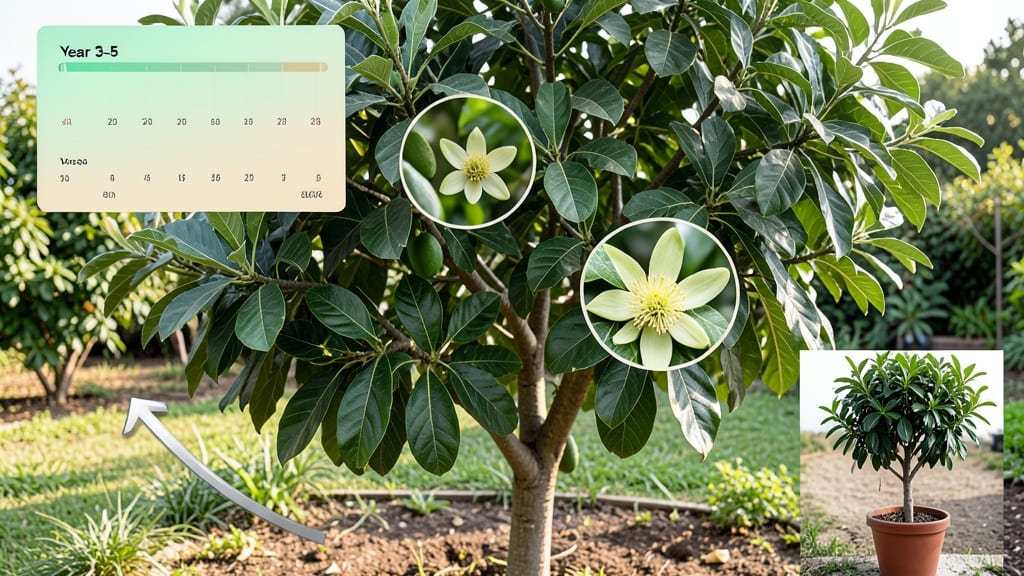
An avocado tree produces fruit typically between 3 and 13 years after planting, depending on the variety, climate, and care—so patience is key for that first harvest. 🥑
Picture this: you’ve nurtured your tree for years, only to wonder why it still hasn’t borne fruit. The truth? Some varieties like Hass take longer to mature, while others like Fuerte may surprise you sooner.
But the real game-changer is how you care for it—soil, sunlight, and even pruning play a huge role.
In tropical and subtropical regions (USDA zones 9a-11), your tree thrives year-round, but colder climates mean waiting until late winter or early spring to plant. Even then, it could be 5 to 10 years before you see those first creamy-green fruits ripening on the branch.
Don’t rush—optimizing conditions like fertilization, watering, and pollination can speed things up. Below, I’ll break down the exact timeline by variety, climate, and care tips to help you plan for that first harvest like a pro.
Avocado tree fruit production timeline by variety: from seedling to first harvest
Avocado trees are famously patient, often taking 3 to 13 years to produce their first fruit, depending on the variety and growing conditions. Unlike fast-growing annuals, these trees prioritize root and trunk development before flowering. Understanding your tree’s timeline helps manage expectations and optimize care for that first harvest.
Most homegrown avocados start as seedlings or grafted nursery trees. Seedlings (grown from pits) typically fruit later—10+ years—while grafted trees from reputable nurseries may bear fruit in as few as 3 to 5 years. The key difference lies in rootstock strength and genetic maturity.
Grafting accelerates fruiting by combining a desirable fruit variety (like Hass) with a hardy rootstock (e.g., Mexican or West Indian types). This method can cut the waiting time by half, but even grafted trees need consistent care to thrive.
Climate plays a critical role: Tropical varieties (like Hass) thrive in USDA zones 9–11, while subtropical types (like Fuerte) tolerate cooler winters. In colder regions, potted trees may need winter protection, delaying fruiting until they’re established in permanent beds.
Here’s a quick look at how popular varieties compare in their fruit production timelines:
The Hass variety, the most popular in the U.S., typically produces its first fruit in 5–7 years when grafted.
However, if grown from a pit, it may take 10+ years or never fruit reliably. Fuerte avocados are faster, often bearing fruit in 4–6 years, making them a great choice for impatient gardeners.
Dwarf varieties (grafted onto semi-dwarf rootstock) can fruit in 3–5 years, but their smaller size limits overall yield. These are ideal for containers or small yards. Standard trees take longer to fruit but produce more abundantly once mature.
Patience is key—avocado trees invest early years in root and trunk development. Pruning to shape the tree or removing suckers can redirect energy toward fruit production, but avoid heavy pruning in the first 2–3 years to protect young growth.
Once your tree starts flowering, expect fruit in 1–2 years. Early blooms may not set fruit, but consistent care (like balanced fertilization and proper pollination) increases success. In my own garden, a grafted Hass tree finally fruited in 6 years—a rewarding but lengthy process!
🌱
Climate and seasonal factors that speed up or delay avocado fruit production
Avocado trees thrive in warm climates, but their fruit production timeline can shift dramatically based on temperature and daylight exposure. In USDA zones 9–11, where frost is rare, trees may flower and fruit year-round, while colder regions force a seasonal cycle.
Understanding these factors helps you optimize conditions for faster fruiting.
Tropical climates (like Hawaii or Southern California) allow avocados to grow continuously, producing fruit twice yearly with minimal dormancy. In contrast, subtropical zones (e.g., Florida or Arizona) experience cooler winters, triggering a dormancy period that can delay flowering by months.
Even a single frost can kill young trees or damage flower buds, stalling fruit production entirely.
| Climate Type | Fruiting Season | Dormancy Needs | Frost Sensitivity | Optimal Temp Range (°F) |
|---|---|---|---|---|
| Tropical (USDA 10–11) | Year-round (2 crops/year) | None (continuous growth) | None (hardy to 32°F) | 70–95°F (day), 60–75°F (night) |
| Subtropical (USDA 9a–9b) | Spring–Fall (1 crop/year) | Light winter slowdown | Damaged by 28°F+ | 65–90°F (day), 55–70°F (night) |
| Container-Grown (Indoors) | Year-round (if pollinated) | None (artificial light) | None (protected) | 75–85°F (consistent) |
Daylight hours also play a critical role. Avocados need 12+ hours of daylight to trigger flowering, which is why trees in northern latitudes (like Texas or Mexico) produce fruit more reliably than those in shorter-day regions. Supplementing with grow lights in winter can encourage earlier blooming for container-grown trees.
To speed up fruiting, ensure your tree gets full sun exposure and protect it from winter chills. In colder zones, use windbreaks or move potted trees indoors before temperatures drop below 50°F.
Regular pruning to remove dead wood also improves airflow, reducing stress and promoting faster recovery after seasonal changes.
Patience is key—even with ideal conditions, grafted trees may take 3–5 years to bear fruit, while seed-grown trees can wait 10+ years. But by aligning your care with your local climate, you’ll maximize your chances of a bountiful harvest sooner rather than later.