
Pruning
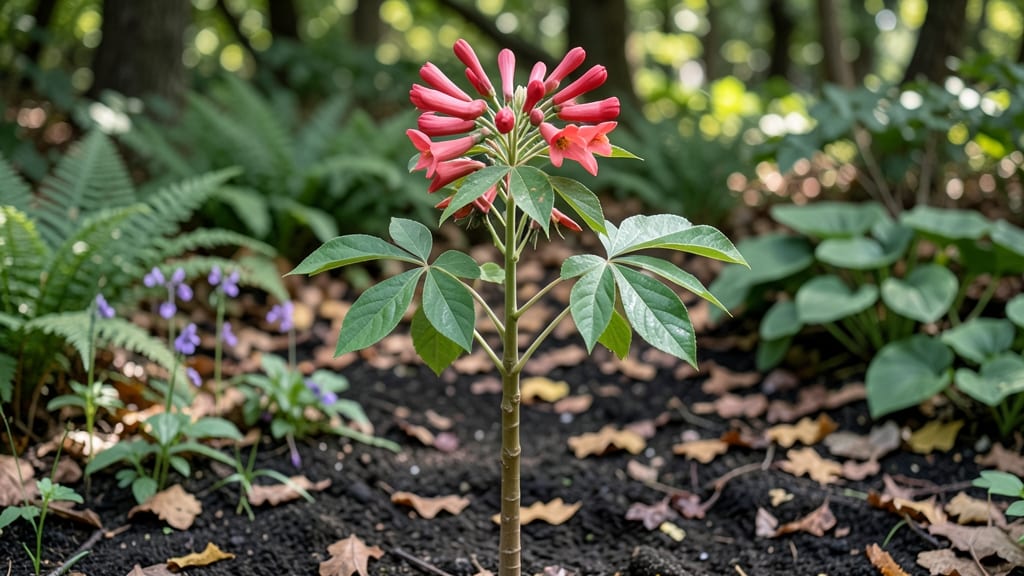
Planting a buckeye tree sapling means adding a cold-hardy shade giant that thrives where many trees falter. 🌳 I’ve watched mine push through frozen soil in Zone 5 winters—proof that buckeyes aren’t just survivors, they’re powerhouses. The key?
Getting the first year right sets the stage for decades of sturdy growth and those iconic seed pods. You’ll need well-draining soil, a spot with full sun to partial shade, and patience for slow but steady root development.
Buckeyes hate soggy feet, so raised beds or slopes work best in wet climates. Water deeply once a week after planting, then taper off as leaves appear—overwatering is their #1 enemy in early growth. By year three, you’ll see 6-8 foot height gains if pruned correctly.
The secret? Prune in late winter to remove crossing branches and shape the canopy early. This prevents the gnarled, weak structure that plagues neglected buckeyes. Works in Zones 3-9, from prairie edges to woodland borders. Here’s how to keep yours thriving through every season—without the common pitfalls.
📚 In This Guide
- What you need
- Instructions
- Tips and common mistakes
- Wrapping up and next steps
What you need
- ● Buckeye tree sapling: Choose a 1–3-year-old sapling (Aesculus species) from a trusted nursery. Ensure it’s cold-hardy (Zones 3–8).
- ● Well-draining soil: Mix 60% native soil + 30% compost + 10% perlite/sand (for aeration). Aim for pH 6.0–7.0.
- ● Organic mulch: 3–4 inches of wood chips or shredded bark (keep 3 inches away from the trunk).
- ● Slow-release fertilizer: 10-10-10 NPK ratio (apply ½ cup per year of sapling age, e.g., ½ cup for a 2-year-old).
- ● Pruning tools: Bypass pruners (for ¼–½-inch stems)
- ● Loppers (for ½–2-inch stems)
- ● Hand saw (for thicker branches)
- ● Gloves & safety glasses (protection for thorns and debris).
- ● Watering can or hose with nozzle (gentle spray for 1–2 gallons per watering).
- ● Planting hole: 3x wider and deep than the root ball.
- ○ Staking (optional): 2–3 wooden stakes + soft ties (if sapling is taller than 3 feet).
- ● Disease prevention: Copper fungicide (for anthracnose risk)
- ● Neem oil spray (organic option)
- ● Seasonal care: Winter: Burlap wrap (for young saplings in Zone 3–4)
- ● Summer: Shade cloth (30%) (if planting in hot climates)
Step-by-step guide to planting and nurturing a buckeye tree sapling
This cold-hardy beauty thrives with the right care—here’s how to give it the strong start it deserves.
🌱 Step 1: Choose the Perfect Planting Spot
Buckeye trees love space and sunlight—select a location with full sun exposure (6+ hours daily) and room to grow. They can tolerate partial shade but won’t reach their full potential. Look for soil that drains well; buckeyes hate soggy roots, so avoid low-lying areas where water pools.
Dig a hole twice as wide as the sapling’s root ball but no deeper. Loosen the sides of the hole with a shovel to encourage root spread. If your soil is heavy clay, mix in a few inches of compost or organic matter to improve drainage. This ensures the roots establish quickly and the tree grows strong.
🪴 Step 2: Plant the Sapling with Care
Gently remove the sapling from its container and loosen any tangled roots with your fingers. Position it in the hole so the top of the root ball sits 1-2 inches above ground level. This prevents water from pooling around the stem, which can cause rot.
Backfill the hole with the native soil, tamping it lightly as you go to remove air pockets. Water deeply to settle the soil around the roots. Avoid compacting the soil too firmly—you want it firm enough to support the tree but loose enough for roots to grow into it naturally.
☀️ Step 3: Water and Mulch for Long-Term Health
Water the sapling deeply once a week for the first month, ensuring the soil is moist 6 inches down. After that, water every 10-14 days, adjusting for rain. Buckeyes are drought-tolerant once established, but young trees need consistent moisture to develop strong roots.
Spread a 2-3 inch layer of mulch around the base, keeping it 3 inches away from the trunk to prevent rot. Use organic mulch like wood chips or shredded bark. This helps retain moisture, regulates soil temperature, and suppresses weeds—all while giving your buckeye the best chance to thrive.
✂️ Step 4: Prune and Protect for Strong Growth
Prune the sapling in late winter or early spring before new growth begins. Remove any dead, damaged, or crossing branches to improve airflow and shape. Use clean, sharp pruners to make cuts just above a bud or branch collar. Avoid heavy pruning—buckeyes respond best to light shaping.
Young buckeyes are vulnerable to pests like borers and diseases like anthracnose. Inspect the tree regularly for signs of stress, such as yellowing leaves or holes in the bark. If you spot issues early, treat with neem oil or an appropriate fungicide. A healthy buckeye grows fast and resists problems naturally.
⏰ Step 5: Monitor and Adjust for Year-Round Success
Buckeyes are cold-hardy but benefit from extra care in their first few years. In winter, apply a thick layer of mulch to protect roots from freezing temperatures. If your area experiences harsh winters, consider wrapping the trunk with burlap for additional insulation.
Fertilize lightly in early spring with a balanced, slow-release fertilizer. Too much nitrogen can encourage leafy growth at the expense of root development. Watch for signs of over- or under-fertilization—buckeyes grow best with a steady, moderate feeding. With the right care, your sapling will mature into a stunning, long-lived tree.
Tips & tricks for perfect buckeye tree sapling growth
Between us, these little details make all the difference when nurturing a buckeye sapling from fragile start to sturdy, long-lived tree.
Soil Preparation Secret: Before planting, test your soil's pH—buckeyes prefer slightly acidic to neutral soil (pH 6.0-7.0). If your soil tests higher, amend with sulfur or peat moss during planting. I've seen saplings struggle in alkaline soil where roots couldn't access nutrients properly, even with perfect sunlight. The root ball's drainage is critical too—if water pools after 30 minutes, you'll need to add more compost to that hole.
Root Ball Handling: When removing your sapling from its container, score the root ball's edges with a knife if roots are circling tightly. This encourages outward growth rather than girdling. I learned this the hard way after watching a sapling's roots strangle itself within two years. After loosening roots, soak the entire root ball in water for 10-15 minutes before planting—this jumpstarts hydration and reduces transplant shock. The extra moisture gives roots a head start in their new home.
Winter Protection Strategy: For your first winter, create a protective barrier around the trunk using burlap or tree guard. This prevents rodent damage and protects against winter sun scald, which can happen when warm winter sun hits cold bark. I've seen saplings develop ugly sunburn scars when left unprotected—especially in areas with freeze-thaw cycles. The mulch layer you apply should extend to the base of this barrier for complete insulation.
Pro Tips for Buckeye Tree Sapling
- Between us, these little details make all the difference when nurturing a buckeye sapling from fragile start to sturdy, long-lived tree.
- Soil Preparation Secret: Before planting, test your soil's pH—buckeyes prefer slightly acidic to neutral soil (pH 6.0-7.0).
- Root Ball Handling: When removing your sapling from its container, score the root ball's edges with a knife if roots are circling tightly.
Frequently asked questions
Got questions about growing buckeye tree saplings? You’re not alone! Here are answers to the most common queries to help you nurture a resilient, thriving tree—no guesswork required.
When is the best time to plant a buckeye sapling?
Plant your buckeye sapling in early spring or fall when temperatures are mild (50–70°F). Avoid extreme heat or frost, as young roots are sensitive. Spring planting gives roots time to establish before summer, while fall allows them to settle before winter dormancy. Pro tip: Water deeply after planting and mulch to retain moisture!
How cold-hardy are buckeye saplings, and how do I protect them in winter?
Buckeye trees are USDA zones 3–9 hardy, but saplings need extra care in harsh winters. Apply a 3–4 inch layer of mulch around the base (but not touching the trunk) to insulate roots. Wrap the trunk with tree guard or burlap if temps drop below -10°F. Young trees benefit from light winter watering if the ground is frozen.
Can I grow a buckeye from seed, or should I buy a sapling?
While buckeye seeds can sprout, they’re slow-growing (5–10 years to maturity) and unpredictable. For faster, guaranteed results, buy a 1–3 year-old sapling from a nursery. Seeds also require stratification (cold treatment) for germination—best left to experts unless you’re patient! Saplings are pre-hardened and ready to thrive.
How do I prune a young buckeye sapling without harming it?
Prune in late winter or early spring before new growth starts. Remove dead, crossing, or weak branches using clean, sharp pruners—cut just above a bud or branch collar. Avoid heavy pruning (never remove >25% of foliage). Sterilize tools with rubbing alcohol to prevent disease. Pro tip: Focus on shaping, not size—buckeyes grow slowly!
What pests or diseases should I watch for in buckeye saplings?
Common threats include aphids, borers, and fungal issues like powdery mildew. Inspect leaves for yellowing, holes, or sticky residue (aphids). Treat aphids with soapy water; borers require pruning infected branches and applying borax-based treatments. Ensure good airflow and avoid overhead watering to prevent mildew. Act fast!
How fast do buckeye saplings grow, and when will they produce nuts?
Buckeye saplings grow 12–24 inches per year under ideal conditions (full sun, well-drained soil). Nut production takes 10–15 years—patience is key! Focus on soil health and watering to speed up growth. Male and female flowers appear separately, so two trees are needed for nuts (unless it’s a self-fertile cultivar).
Wrapping up and next steps
Growing a cold-hardy buckeye tree sapling is a rewarding journey that blends patience with the joy of nurturing nature.
With the right tools, knowledge, and care—like proper pruning, soil prep, and seasonal attention—your sapling will thrive year-round, offering beauty and resilience for decades. Now’s the time to take action: grab those shears, mark your calendar for seasonal checks, and watch your buckeye flourish into a stunning centerpiece for your landscape! 🌱✨