
Flowers
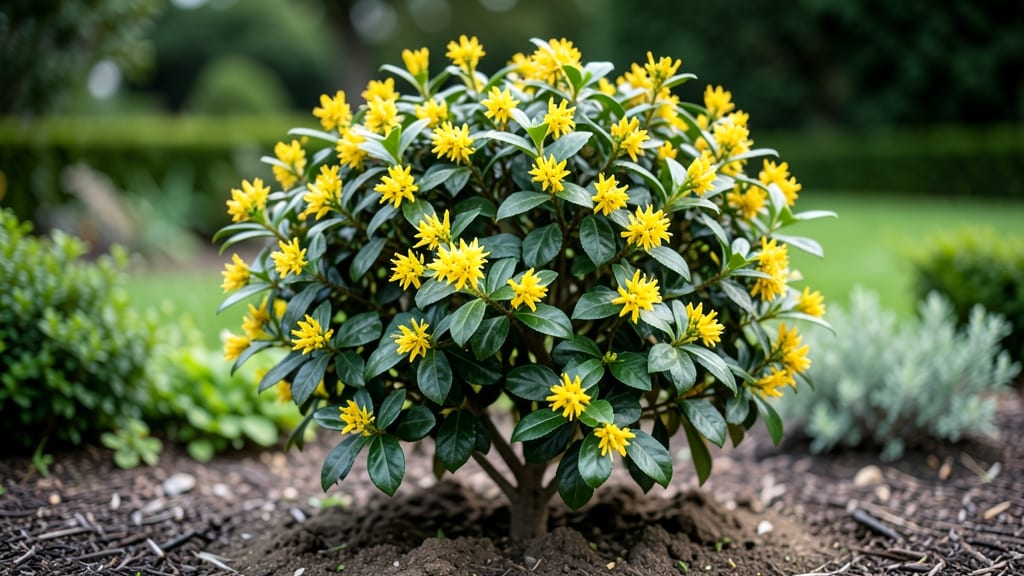
Growing a holly tree with yellow flowers transforms your yard into a year-round showstopper. 🌿 I’ve grown these stunning varieties for years, and the secret to their vibrant blooms lies in the right sunlight, soil, and a little patience—no fancy tricks required.
The golden flowers appear in spring, but the glossy evergreen leaves keep the magic going through winter. These trees thrive in full sun to partial shade and well-draining soil, making them perfect for gardens in zones 5-9.
My Ilex × 'Golden King' produces clusters of bright yellow blooms every spring, followed by red berries that add a festive pop. The key? Planting in slightly acidic soil and watering deeply but infrequently to encourage strong root growth.
Once established, these trees need minimal care—just an annual feeding with acid-loving plant fertilizer in early spring. Prune lightly after flowering to shape the tree, and watch as it becomes the star of your landscape. The yellow flowers attract pollinators, and the evergreen foliage provides structure year-round.
Perfect for hedges, specimen planting, or as a focal point near patios. Whether you choose Nellie R. Stevens for its glossy leaves or Golden King for its bold blooms, these hollies deliver color and texture without the fuss. Let’s get yours growing!
📚 In This Guide
- What you need
- Instructions
- Tips and common mistakes
- Wrapping up and next steps
What you need
- ● Holly Tree Variety: 1–3 Ilex verticillata 'Southern Gentleman' (male) plants for pollination (if growing berries)
- ● 1–2 Ilex × 'Nellie R. Stevens' or 'Little Red' (female) plants for yellow-tinged foliage and berries
- ● Soil: 5–10 gallons of well-draining, acidic soil (pH 5.0–6.5)
- ● 1 part peat moss or pine bark (for moisture retention)
- ● 1 part sand or perlite (for drainage)
- ● Fertilizer: 1 bag slow-release, acidic fertilizer (e.g., 10-10-10 or 8-3-9)
- ○ Optional: Iron sulfate or chelated iron (for yellow foliage enhancement)
- ● 1 shovel or trowel (for planting)
- ● 1 garden fork (to loosen soil)
- ● 1 pruning shears (sterilized with rubbing alcohol)
- ● 1 watering can or hose with a gentle spray nozzle
- ● 1 mulch (2–3 inches of pine straw or wood chips)
- ○ Optional: 1 soil pH test kit (to monitor acidity)
- ● 1 tree stake (for young saplings in windy areas)
- ● 1 drip irrigation system (for consistent moisture)
- ● ✅ Sunlight: Full sun to partial shade (4–6 hours of sunlight daily)
- ● ✅ Climate: USDA Zones 3–9 (cold-hardy to -30°F/-34°C)
- ● ✅ Spacing: Plant saplings 10–15 feet apart (for mature growth)
- ● ✅ Water Access: Regular watering (deep soak 2–3 times per week for the first year)
Step-by-step guide to planting and caring for yellow-flowering holly trees
Here's the straightforward method I use to establish vibrant, cold-hardy holly trees that burst with yellow blooms year after year.
🌱 Step 1: Select the Right Variety and Planting Site
Choose a cold-hardy variety like Ilex x 'Nellie R. Stevens' or Ilex verticillata 'Golden Glow' for reliable yellow flowers. These thrive in USDA Zones 4-9 and handle winter temperatures down to -20°F. Site your tree where it gets full sun to partial shade—morning sun with afternoon shade prevents leaf scorch while ensuring abundant blooms.
Test your soil's drainage by digging a 12-inch deep hole. If water pools after 15 minutes, amend the area with 2-3 inches of compost to improve aeration. Yellow-flowering hollies prefer slightly acidic soil (pH 5.0-6.5). You can test this with a simple soil kit or send a sample to your local extension office for precise results.
🪴 Step 2: Plant at the Correct Depth and Spacing
Dig a hole twice as wide as the root ball but no deeper. Gently remove the tree from its container and loosen any circling roots with your fingers. Place the tree so the top of the root ball sits 1-2 inches above ground level—this prevents water from pooling around the stem, which causes rot.
For 4 trees, space them 10-15 feet apart in a row or cluster. Fill the hole halfway with native soil, then water deeply to settle it. Backfill the rest, tamping lightly as you go. Mulch with 2-3 inches of shredded bark, keeping it 3 inches away from the trunk to avoid moisture buildup.
☀️ Step 3: Water and Fertilize for Strong Establishment
Water deeply 2-3 times per week for the first 6-8 weeks until the root ball is fully settled. You'll know it's enough when water drains through the bottom of the hole. After that, water once a week unless you experience 2+ weeks of dry weather, then return to deep watering.
Apply a slow-release, balanced fertilizer (10-10-10) in early spring and again in late summer. Sprinkle ½ cup per tree around the drip line (the edge of the tree's canopy), then water thoroughly to activate the granules. Avoid fertilizing in fall or winter—holly trees need a rest period to build cold hardiness.
✂️ Step 4: Prune for Shape and Encourage Blooms
Prune in late winter or early spring before new growth begins. Remove dead, diseased, or crossing branches first, cutting just outside the branch collar. Then shape the tree by thinning out 10-20% of the canopy to improve airflow and light penetration—this ensures even blooming.
To encourage more yellow flowers, prune lightly after blooming. Cut back overly vigorous growth by ⅓ to redirect energy into flower production. Never prune in fall, as new growth won’t harden off before winter and may die back.
🌿 Step 5: Protect and Maintain for Year-Round Color
In late fall, apply a 2-3 inch layer of mulch to insulate roots from freezing temperatures. Avoid heavy mulch piles against the trunk—this can suffocate roots and attract pests. Yellow-flowering hollies are generally pest-resistant, but watch for scale insects on new growth. Treat with neem oil spray if you spot sticky residue (honeydew) on leaves.
Every 3-4 years, top-dress the soil with 1-2 inches of compost in early spring. This replenishes nutrients without overloading the tree. With proper care, your hollies will reward you with bright yellow blooms in spring, followed by red berries that persist into winter—creating a stunning, four-season display.
Tips & tricks for perfect yellow-flowering holly trees
These insider strategies will help you cultivate vibrant, cold-resistant hollies that thrive year after year.
Variety Selection: When choosing between Ilex x 'Nellie R. Stevens' and Ilex verticillata 'Golden Glow', consider your climate's winter severity. 'Nellie R. Stevens' handles -20°F temperatures beautifully but prefers slightly warmer microclimates, while 'Golden Glow' tolerates colder pockets better. For northern gardens, opt for 'Golden Glow'—its yellow blooms will still shine even in Zone 4 winters.
Soil Testing Shortcut: Instead of waiting for lab results, use a simple at-home pH test kit to confirm your soil's acidity. If your soil tests above pH 6.5, amend with sulfur-based fertilizer (available at garden centers) to lower the pH gradually. Holly trees won't thrive in alkaline soil, and this adjustment prevents the yellowing leaves that often signal pH stress.
Planting Depth Secret: The 1-2 inch elevation of the root ball above ground level isn't just about preventing rot—it also creates a natural air gap that regulates soil temperature. In hot summers, this prevents overheating, while in cold winters, it protects against frost heave. Use a level to verify this positioning before backfilling, as even a slight dip can cause waterlogging.
Watering Technique: The 15-minute drainage test in Step 1 is your best indicator of proper watering. After planting, water until the hole drains completely within this time frame. For mature trees, check drainage by digging a small hole near the trunk—if water pools after 15 minutes, your tree is getting too much water. Adjust by spacing waterings further apart rather than reducing volume.
Pro Tips for Holly Tree With Yellow Flowers
- These insider strategies will help you cultivate vibrant, cold-resistant hollies that thrive year after year.
- Variety Selection: When choosing between Ilex x 'Nellie R.
- Soil Testing Shortcut: Instead of waiting for lab results, use a simple at-home pH test kit to confirm your soil's acidity.
Frequently asked questions
What’s the best time to plant a holly tree with yellow flowers for maximum blooms?
Plant your holly tree in early spring or fall when temperatures are mild. This gives roots time to establish before summer heat or winter frost. Avoid planting in extreme heat or cold—roots need moisture and stability to support those stunning yellow flowers.
Are these holly trees truly cold-hardy? How do I protect them in harsh winters?
Yes! Most yellow-flowering hollies (like Ilex × ‘Nelly Moser’ or Ilex verticillata ‘Little Red’) survive zones 3–9. For extra protection, mulch the base with 2–3 inches of organic matter (like wood chips) and wrap young trees in burlap if winds are fierce. Prune damaged branches in early spring.
Why aren’t my yellow holly flowers showing up? Troubleshooting tips?
Yellow holly blooms can be finicky! Check these fixes:
- Light: Ensure 6+ hours of sun daily—shady spots reduce flowering.
- Soil: Test for acidic pH (4.5–6.0). Amend with sulfur or peat moss if needed.
- Fertilizer: Use a balanced, slow-release fertilizer in early spring (10-10-10 ratio).
- Patience: Young trees (under 3 years) may need time to mature.
Can I grow a yellow-flowering holly in a container? What’s the best setup?
Choose a large container (15+ gallons) with drainage holes and use a well-draining potting mix (add perlite or sand). Pick dwarf varieties like ‘Golden Girl’ and move pots to partial shade in summer to prevent stress. Repot every 2–3 years and fertilize monthly during growing season.
Are there pests or diseases I should watch for with yellow holly trees?
Keep an eye out for:
- Scale insects: Sticky residue on leaves? Wipe with soapy water or use horticultural oil.
- Spider mites: Yellowing leaves + webbing? Spray with water or neem oil.
- Fungal issues (like leaf spot): Prune affected areas and avoid overhead watering.
For prevention, prune for airflow and mulch properly. Most issues are manageable with early action!
What’s a great alternative if I can’t find a yellow holly?
Try these cold-hardy, yellow-blooming shrubs:
- Forsythia: Early spring blooms, zones 5–8.
- Winter Hazel (Corylopsis): Fragrant yellow flowers in late winter.
- Dwarf Butterfly Bush (Buddleia): Compact and pollinator-friendly.
- Weigela: Bright yellow flowers, zones 4–8.
All thrive in similar conditions to holly but may offer slightly different care needs.
Wrapping up and next steps
Discovering the holly tree with yellow flowers unlocks a world of year-round beauty and resilience—perfect for gardeners craving low-maintenance, vibrant blooms! 🌿 Whether you’re drawn to its cold-hardy charm or its striking golden flowers, this tree is a standout for adding color and texture to any landscape.
With the right care and placement, you’ll enjoy its magic for seasons to come.
Ready to transform your outdoor space? Start small: research local nurseries, sketch a planting plan, or even propagate a cutting if you’re feeling adventurous! Every bloom begins with a single step—grab your gloves and get growing! 🌱