
Trees
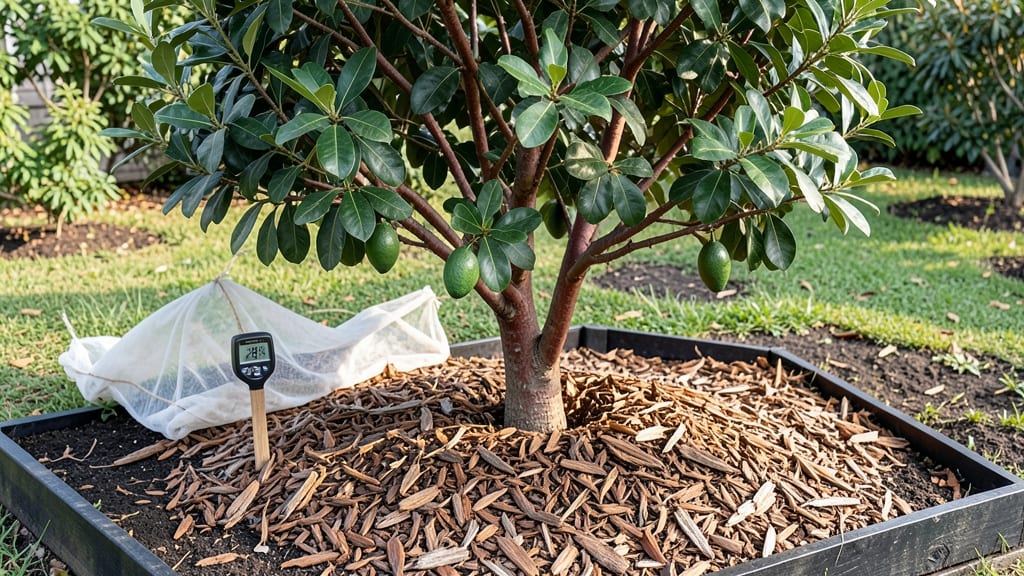
Cold hardy avocado trees in Zone 7 thrive when you choose cold-resistant varieties like 'Mexicola' or 'Wurtz,' implement winter protection strategies, and plant them in sheltered spots with well-draining soil to endure brief cold snaps below 20°F.
Cold hardy avocado trees aren't just a fantasy for Zone 7 gardeners—with the right approach, they can flourish even in colder climates. 🌱 The key lies in selecting varieties bred for resilience, like 'Mexicola,' which handles temperatures down to 18°F with proper care, while 'Wurtz' can survive brief dips to 22°F.
These cultivars develop thicker bark and deeper root systems that shield them from frost damage. What sets them apart is their ability to slow growth during cold periods, conserving energy until warmer weather returns.
Beyond variety selection, microclimates make all the difference. Planting near south-facing walls or using windbreaks creates a warmer pocket where roots stay protected. Well-draining soil is non-negotiable—waterlogged roots freeze faster.
For extra insurance, I recommend wrapping the trunk with burlap or frost cloth during hard freezes, and mulching heavily to insulate roots. Container growing is another smart option for Zone 7, letting you move potted trees indoors when temperatures drop.
💡 In This Article
- How Cold Hardy Avocado Varieties Survive Zone 7 Winters
- Zone 7 Avocado Tree Care: Winter Protection and Planting Strategies
How cold hardy avocado varieties survive Zone 7 winters
The secret to cold hardy avocado varieties lies in their botanical adaptations that tropical avocados simply lack. These resilient cultivars develop thicker bark up to 1/4-inch thick by maturity, acting like natural insulation against freezing temperatures.
The bark contains higher concentrations of suberin—a waxy, waterproof substance that reduces moisture loss and protects against frost damage. 🌿 Unlike tropical varieties that can suffer cell damage at 32°F, 'Mexicola' and 'Wurtz' can withstand brief exposures to 18-22°F because their cells produce more protective proteins during cold acclimation.
Root systems play an equally crucial role in cold survival. Frost-resistant avocados develop deeper taproots that penetrate 3-4 feet below the surface, accessing warmer soil layers during winter. Their lateral roots spread wider too, creating a more stable anchor that resists frost heaving.
The key difference from tropical avocados is their ability to slow metabolic activity during cold periods, conserving energy like a bear in hibernation. This adaptation allows them to survive dormancy without permanent damage, while tropical varieties would suffer irreversible cell death from similar temperatures.
Temperature thresholds reveal why 'Mexicola' outperforms 'Wurtz' in colder Zone 7 winters. 'Mexicola' handles 18°F for short durations because its cells produce antifreeze proteins similar to those in cold-hardy fruit trees like apples. These proteins bind to ice crystals, preventing them from expanding and rupturing cell walls.
'Wurtz,' while still impressive, tops out at 22°F—meaning gardeners in areas with 20°F snaps need extra protection. The science shows these varieties can survive 3-5 days at their threshold temperatures before damage occurs, giving growers a critical window for intervention.
What most people overlook is how chilling sensitivity differs between varieties. Cold hardy avocados actually require some winter chilling (typically 200-400 hours below 45°F) to trigger proper flowering in spring. Tropical varieties, meanwhile, struggle with any temperatures below 50°F, leading to poor fruit set.
This chilling requirement explains why cold hardy avocados often produce better yields in Zone 7—they're biologically adapted to these seasonal temperature fluctuations. 🌱 The trade-off is their slower growth rate, which makes them more resilient but less aggressive than tropical cultivars.
For visual learners, imagine comparing a tropical avocado tree to a cold hardy one during winter: the tropical variety would look wilted with browned leaves from 30°F exposure, while the cold hardy tree might just drop its leaves and go dormant.
The difference comes down to cell membrane composition—cold hardy varieties have higher ratios of unsaturated fats in their membranes, which remain flexible in cold temperatures. Tropical varieties, with their saturated fat membranes, become brittle and rupture when frozen.
Understanding these adaptations helps explain why 'Mexicola' remains the gold standard for Zone 7. Its 18°F tolerance combined with 300+ hours of chilling requirement makes it uniquely suited for the region's climate patterns.
While 'Wurtz' offers slightly larger fruit, its 4°F narrower cold tolerance means it needs more careful winter management. The choice ultimately comes down to your specific microclimate and willingness to provide extra protection during extreme cold snaps.