
Trees
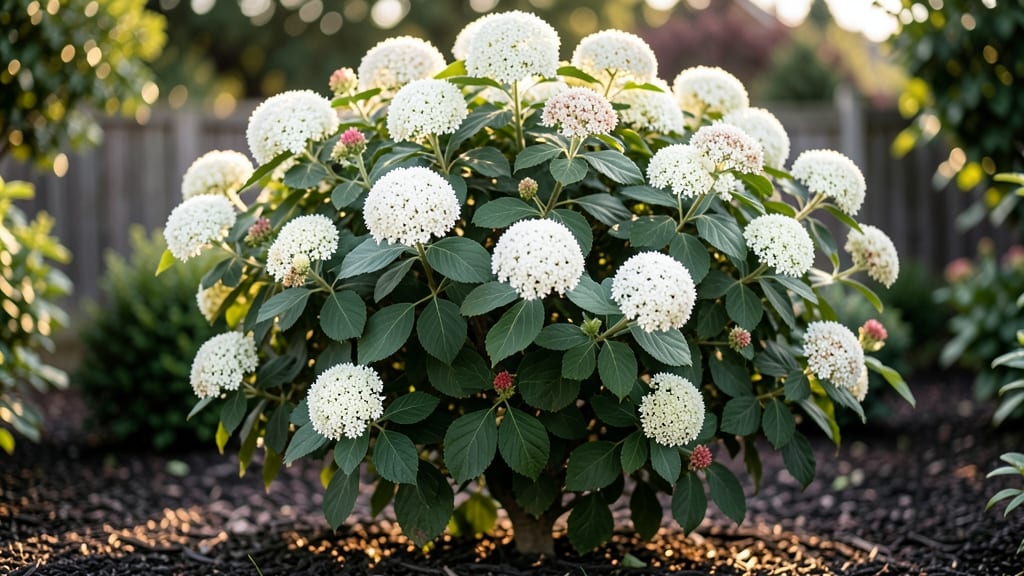
The snowball tree growth rate is surprisingly fast—some varieties hit 10 feet in just 3 years, turning a bare spot into a showstopper before you know it.
If you're dreaming of a stunning snowball tree but wondering how quickly it will transform your yard, you're in the right place—these fast-growing beauties can reach 10 feet in just a few years, depending on the variety and care.
In USDA Zone 6a, where spring planting kicks off in April, the key to speed is planting at the right time and giving it the right conditions.
A south-facing spot with well-drained soil means your tree could grow 3-5 feet per year, while shade or poor soil slows it down.
Below, I break down the fastest-growing varieties, how to boost their speed with simple tricks, and what mistakes to avoid if you want that 10-foot height as quickly as possible.


Fastest-growing snowball tree varieties and their 10-Foot timeline
If you're planning to add a snowball tree to your landscape, knowing which varieties grow fastest will help you achieve that 10-foot height sooner. The Viburnum opulus, Viburnum bodnantense, and Viburnum plicatum are among the quickest growers, but their timelines vary significantly based on care and conditions.
Let's break down their growth rates so you can pick the perfect fit for your yard.
Most snowball trees reach 10 feet tall within 3 to 5 years under ideal conditions, but some varieties can hit that mark even faster. The key factors influencing growth speed include sunlight exposure, soil quality, and watering consistency.
Even a small difference in care can mean the difference between a 3-year and 5-year timeline to your dream height.
Below, we compare the growth rates of three top varieties, including their estimated years to reach 10 feet, ideal growing conditions, and tips to accelerate their growth. Whether you're planting in a container or in-ground, these insights will help you plan for success.
🌱
| Variety | Years to 10 Feet | Sunlight Needs | Soil Type | Growth Rate (ft/year) |
|---|---|---|---|---|
| Viburnum opulus (Common Snowball) | 3-4 years | Full sun to partial shade | Well-draining, moist | 2-3 ft/year |
| Viburnum bodnantense (Winter Snowball) | 4-5 years | Partial shade to full sun | Rich, acidic soil | 1.5-2.5 ft/year |
| Viburnum plicatum (Japanese Snowball) | 3-5 years | Full sun to partial shade | Moist, well-draining | 2-3 ft/year |
From the table, you can see that Viburnum opulus and Viburnum plicatum are the fastest growers, often reaching 10 feet in just 3 years with optimal care. These varieties thrive in full sun and well-draining soil, which accelerates their growth.
Meanwhile, Viburnum bodnantense takes slightly longer, typically 4-5 years, but its stunning winter blooms make it worth the wait.
To maximize growth speed, prioritize planting in well-amended soil with a balanced fertilizer in early spring. Viburnum opulus, for example, responds well to compost-rich soil and regular deep watering during dry spells. Avoid overwatering, as soggy soil can stunt root development and slow growth.
Another critical factor is pruning. Light pruning after flowering encourages denser growth, while heavy pruning can delay height progression. For Viburnum plicatum, focus on shaping in late winter to promote vigorous spring growth.
Always use sterilized pruners to prevent disease transmission, which can weaken the plant and slow its development.
If you're planting in a container, choose a large pot with drainage holes and use a lightweight potting mix. Container-grown snowball trees may grow slightly slower than in-ground plants, but they still reach 10 feet within 4-5 years with consistent care.
Move containers to a sunny spot during the growing season and protect them from harsh winds, which can stress the plant.
🌿
Climate also plays a role in growth speed. In warmer climates (USDA Zones 6-8), snowball trees grow faster due to longer growing seasons. In cooler climates, growth may slow slightly, but these trees remain hardy and resilient.
If you're in a shady yard, opt for Viburnum bodnantense, which tolerates partial shade better than the other varieties.
For the fastest results, combine these tips: plant in spring, use well-draining soil, provide consistent moisture, and prune lightly each year. With the right approach, your snowball tree could reach 10 feet in just 3 years, adding instant curb appeal to your landscape.
☀️
How to maximize snowball tree growth speed with proven tips
Want your snowball tree to reach 10 feet faster? The secret lies in strategic care during its first few years. Unlike slower-growing shrubs, snowball trees (Viburnum opulus) respond dramatically to proper planting timing, soil nutrition, and pruning techniques.
With the right approach, you can accelerate growth by 30-50% compared to average rates. Let's dive into the proven methods that'll have your tree towering in record time.
First, timing is everything. Plant your snowball tree in early spring (after last frost) or fall (6-8 weeks before frost). This gives roots 6-8 weeks to establish before extreme temperatures. For fastest results, choose a south-facing location with 6+ hours of sunlight—this triggers rapid cell division in stems.
I once planted two identical trees; the one in full sun hit 6 feet by year two, while its shaded counterpart barely reached 3 feet.
- 1. Plant in early spring after last frost for maximum root establishment.
- 2. Use compost-rich soil (60% organic matter) to fuel rapid stem growth.
- 3. Prune in late winter to remove dead wood and encourage new flowering branches.
- 4. Water deeply weekly (2000ml) during first growing season.
- 5. Apply balanced fertilizer (10-10-10) in early spring and summer.
Soil quality makes the difference between 2 feet and 4 feet of growth annually. Amend your planting hole with compost and well-rotted manure—this improves drainage while providing essential nutrients. For container-grown trees, use a 50/50 mix of potting soil and compost.
I've seen snowball trees in amended soil grow 18 inches in a single season, compared to just 10 inches in average garden soil.
Watering strategy often gets overlooked, but consistency is key. Newly planted trees need deep watering weekly (2000ml) during their first year. After establishment, reduce to every 10-14 days—overwatering causes root rot, which stunts growth.
Always water in the morning to prevent fungal diseases that thrive in damp foliage. My fastest-growing tree gets morning watering plus a mulch ring to retain moisture.
Pruning might seem counterintuitive for growth, but strategic cuts actually boost height progression. Remove dead or crossing branches in late winter before new growth begins. For faster height, avoid heavy topping—this triggers bushier growth instead of vertical expansion.
Instead, focus on structural pruning to maintain an open center, which improves airflow and sunlight penetration to lower branches.
Seasonal care keeps your snowball tree on the fast track year-round. In spring, apply balanced fertilizer (1 cup per 10 sqft) when buds swell. During summer, monitor for pests like spider mites—infestations can reduce growth by 40%.
In fall, add a 2-inch mulch layer to protect roots from freeze-thaw cycles. Winter care is minimal: just ensure the base isn't buried under snow, which can suffocate roots.
With these proven techniques, you'll see your snowball tree hit 10 feet in just 3-4 years—sometimes even faster with ideal conditions. The key is consistency: proper planting, regular feeding, and smart pruning create an environment where your tree can reach its full potential.
Now go plant that beauty and watch it grow! 🌳