
Pruning
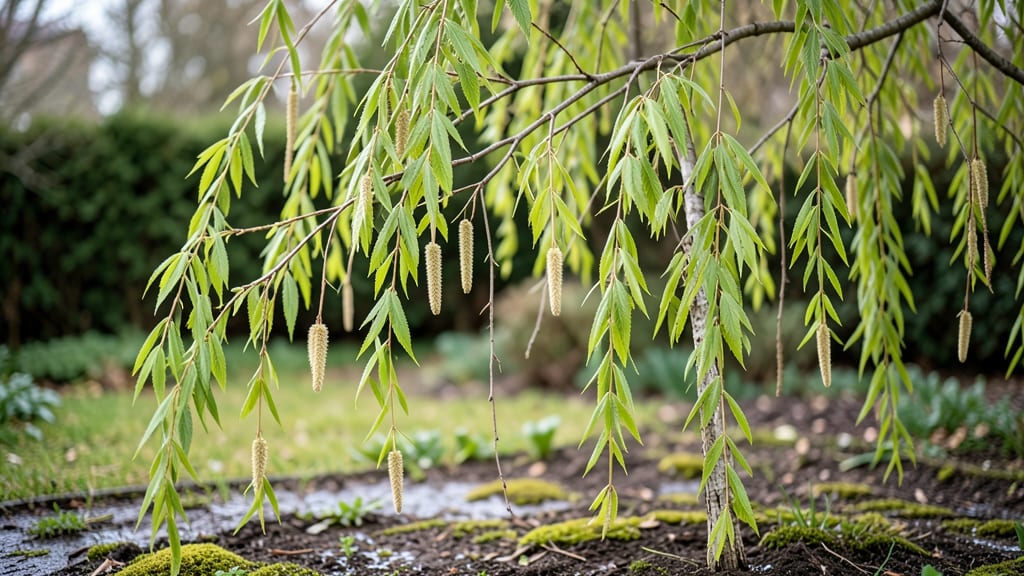
Spring is the perfect time to prune willow trees—when those first golden-green catkins appear and sap flows strongest. ✨ I’ve learned the hard way that skipping this step means weak branches, pest problems, and less dramatic foliage later.
The key is timing: prune just as buds swell but before leaves unfurl, usually in late March to early April depending on your zone.
Willows are fast growers, and spring pruning encourages stronger, more upright growth while preventing disease. Grab your loppers and focus on removing dead wood, crossing branches, and thinning out crowded stems by one-third at most.
The goal is to open the canopy for sunlight and air circulation—willows reward good pruning with lush, weeping branches by summer.
Watch for signs of stress: yellowing leaves or oozing sap mean you’ve cut too much. Instead, aim for clean cuts just above outward-facing buds. Mulch heavily after pruning to retain moisture, and water deeply if spring is dry.
Your willow will thank you with vibrant new shoots by June and fewer pests all season.
This method works for weeping willows, pussy willows, and even young saplings. Just adjust timing slightly for warmer climates—prune a bit later when buds are clearly visible. The result? A willow that’s healthier, fuller, and far less likely to develop those pesky willow blight issues.
📚 In This Guide
- What you need
- Instructions
- Tips and common mistakes
- Wrapping up and next steps
What you need
- ● Pruning shears: Bypass pruners (sharp, 6–8 inch blades) for small branches.
- ● Loppers: 18–24 inch loppers with bypass blades for medium-sized branches (2–4 inches in diameter).
- ● Pruning saw: A curved-tooth pruning saw for thick branches (4+ inches) to avoid tearing.
- ● Gloves: Heavy-duty gardening gloves (leather or reinforced) to protect against thorns and rough bark.
- ● Ladder (if needed): A sturdy, extendable ladder (10–15 feet) for taller willows—ensure it’s stable and rated for your weight.
- ● Disinfectant: 70% isopropyl alcohol or a 10% bleach solution (1 part bleach to 9 parts water) to clean tools between cuts and prevent disease spread.
- ● Heavy-duty trash bags: 3–5 large bags (30+ gallon) for collecting pruned branches and debris.
- ● Rake or leaf blower: To clear fallen leaves and small debris after pruning.
- ○ Pruning sealant: Tree wound dressing (like Tanglefoot or pruning paste) to coat large cuts (optional for willows, as they heal well naturally).
- ● Safety goggles: To shield your eyes from debris or sap.
- ● Work boots: Sturdy, ankle-supporting boots for uneven or wet ground.
- ● Tree pruning rope: For securing branches or stabilizing the ladder.
- ● Notebook & pencil: To sketch a quick map of cuts before you start (great for beginners!).
- ● Weather check: Prune on a dry, overcast day—avoid windy or rainy conditions.
- ● Timing: Early spring (just as buds swell but before leaves emerge) is ideal for willows.
- ● Tree health: Inspect the tree for signs of disease (e.g., oozing sap, fungal growth) before pruning.
- ● Local regulations: Check if your area requires permits for large trees (some cities have rules about willow pruning).
Step-by-step guide to pruning willow trees in spring
Spring is the perfect time to shape your willow and encourage lush, healthy growth—here's how to do it right.
✂️ Step 1: Identify Dead or Weak Branches First
Start by scanning your willow tree for any branches that look brown, brittle, or completely devoid of leaves. These are dead and need immediate removal. I always use sharp, clean pruners to make clean cuts—dull tools crush stems and invite disease. Look for branches that snap easily when bent or have hollow centers when you tap them gently with your knuckles.
Willow trees are fast growers, so deadwood accumulates quickly. Cut these branches back to the main trunk or a healthy lateral branch. If you're unsure whether a branch is dead, make a small cut and check the color inside—if it's dark brown or black, it's dead. If it's green or pale yellow, it's still alive and should stay.
✂️ Step 2: Thin the Canopy for Better Airflow
Willows naturally grow with dense, weeping branches that can block sunlight from reaching the center of the tree. Your goal is to create an open, airy structure by removing about 20-30% of the total branches. Start at the outer edges and work your way inward, focusing on branches that cross or rub against each other—these will eventually create wounds and invite pests.
When thinning, always cut back to a healthy lateral branch or bud. Never leave a stub—this can lead to rot or disease. If you're pruning a young willow, you can be more aggressive with thinning to encourage a strong, upright structure. For older trees, take your time and remove only what's necessary to improve airflow and light penetration.
☀️ Step 3: Shape the Tree for Balance and Light
Willows grow best when they receive plenty of sunlight, so your next step is to shape the tree to ensure even light exposure. Focus on lifting the center of the canopy by selectively pruning downward-growing branches. These are the ones that create that classic willow weeping effect, but too many can shade the lower branches and weaken the tree.
Use your hand as a guide—if a branch is thicker than your wrist, it's a major branch and should be pruned with care. For smaller branches, you can use hand pruners, but for anything thicker than ½ inch, grab your pruning saw. Always make your cuts just outside the branch collar (the swollen area where the branch meets the trunk) at a slight angle to allow water to run off.
⏰ Step 4: Prune for New Growth and Health
Now it's time to encourage new, vigorous growth by pruning back any overly long or leggy branches. Cut these back by about ⅓ of their length to a lateral bud or branch. This stimulates the tree to produce new shoots from the bud, which will fill out the canopy more densely. Willow trees respond well to this type of pruning, so don't be afraid to be a little bold—just avoid over-pruning, which can stress the tree.
Pay special attention to any suckers or water sprouts—these are fast-growing, vertical shoots that pop up from the base or along the trunk. While they might seem harmless, they divert energy away from the main structure of the tree. Snip these off at the base with clean pruners. If you're dealing with a large number of suckers, you can also apply a small amount of pruning paint to the cuts to prevent disease entry.
🌱 Step 5: Clean Up and Monitor Progress
Once you've finished pruning, take a step back and admire your handiwork. Collect all the cuttings and dispose of them properly—never leave them on the ground, as they can harbor pests or diseases that might reinfect your tree. If you have a compost pile, you can add the smaller branches, but avoid adding any diseased or pest-infested wood.
After pruning, give your willow a deep watering to help it recover. Willow trees have deep root systems, so they benefit from watering that reaches down at least 12-18 inches into the soil. Monitor the tree over the next few weeks for any signs of stress, such as wilting leaves or yellowing foliage. If you notice any issues, adjust your watering or pruning approach accordingly. With proper care, your willow will reward you with strong, healthy growth all season long.
Tips & tricks for perfect willow tree pruning in spring
Spring pruning transforms your willow into a thriving, balanced beauty—here’s how to avoid common pitfalls and get the best results.
Tool Prep is Non-Negotiable: Before you start, sharpen your pruners and clean them with rubbing alcohol to prevent spreading disease between cuts. I learned this the hard way after pruning a healthy branch and accidentally transferring a fungal infection to another part of the tree. Dull tools also crush stems instead of making clean cuts, which invites rot. A quick wipe-down between trees keeps everything sterile.
Visual Cues for Healthy Cuts: In Step 3, when cutting branches thicker than ½ inch, look for the branch collar—the swollen area where the branch meets the trunk. Make your cut just outside this collar at a 45-degree angle to allow water to run off. This prevents water from pooling and causing rot. I always run my thumb along the branch to feel for the collar before cutting—it’s a tiny detail that makes a huge difference in long-term tree health.
Seasonal Timing Matters: While spring is ideal, avoid pruning during late spring when new growth is most vulnerable. Early spring, just as buds begin to swell but before leaves emerge, is perfect. This timing gives your willow time to heal before summer heat stress. If you must prune later, do it on a cooler day to reduce water loss through the fresh cuts.
Post-Pruning Care: After finishing, don’t forget to water deeply—willows have deep roots that need moisture to recover from pruning stress. Use a soil probe to check moisture levels 12-18 inches down; if the soil feels dry, give it a thorough watering. This step is often overlooked but critical for preventing transplant shock-like symptoms in established trees.
Pro Tips for Willow Tree In Spring
- Spring pruning transforms your willow into a thriving, balanced beauty—here’s how to avoid common pitfalls and get the best results.
- Tool Prep is Non-Negotiable: Before you start, sharpen your pruners and clean them with rubbing alcohol to prevent spreading disease between cuts.
- Visual Cues for Healthy Cuts: In Step 3, when cutting branches thicker than ½ inch, look for the branch collar—the swollen area where the branch meets the trunk.
Frequently asked questions
Got questions about pruning your willow tree in spring?
You’re not alone! Here are some of the most common concerns—and their answers—to help you trim with confidence.
When is the exact best time to prune a willow tree in spring?
The ideal window is late winter to early spring (February–March in most regions), before buds swell but after severe frost. Willow trees bleed sap aggressively if pruned too early, so wait until daytime temps consistently stay above 40°F (4°C). Avoid pruning during active growth (spring to summer) to prevent disease risks.
Will pruning a willow tree too early cause it to die?
Pruning too early (like January in cold climates) can stress the tree, but it won’t kill it outright. The real risk is excessive sap loss, which weakens the tree. If you must prune early, do so sparingly (remove only dead/diseased branches) and avoid heavy cuts. Willows are resilient, but timing matters!
How much can I trim off a willow tree without harming it?
Willows are fast-growing and forgiving, but avoid removing more than 20–30% of the canopy in one season. For young trees, limit cuts to 1–2 feet per branch. If you’re rejuvenating an overgrown willow, space pruning over 2–3 years to prevent shock. Always cut just above a bud or lateral branch for best regrowth.
Why is my willow tree bleeding sap after pruning? Is this normal?
Yes! Willow trees heavily bleed sap when pruned, especially in spring. While it looks dramatic, it’s not harmful—just a natural response. To minimize mess, prune on a dry, cool day and seal larger cuts (>2 inches) with pruning sealant. Avoid pruning during wet weather to reduce sap flow and fungal risks.
Are there alternatives to pruning if my willow tree is already overgrown?
If pruning feels overwhelming, try these low-maintenance options:
- Selective thinning: Remove only dead, crossing, or rubbing branches to improve airflow.
- Root pruning: Dig around the tree’s drip line to encourage deeper roots (best done in late fall/winter).
- Natural shaping: Let the tree grow wild and mow the base to control height without heavy cuts.
- Hire a pro: For massive willows, an arborist can safely reduce size over time.
Willows adapt well to any approach—just avoid drastic changes all at once!
Wrapping up and next steps
Spring is the perfect time to give your willow tree the care it needs to thrive!
By pruning early, you’re setting the stage for healthier growth, better shape, and even more stunning foliage—especially when those iconic spring leaves unfurl. 🌿 Whether you’re a seasoned gardener or just starting, every trim counts toward a stronger, more resilient tree.
Ready to take the next step? Grab your tools, mark your calendar for those early spring days, and start pruning with confidence! Your willow tree—and your garden—will thank you for years to come. 🌱