
How To
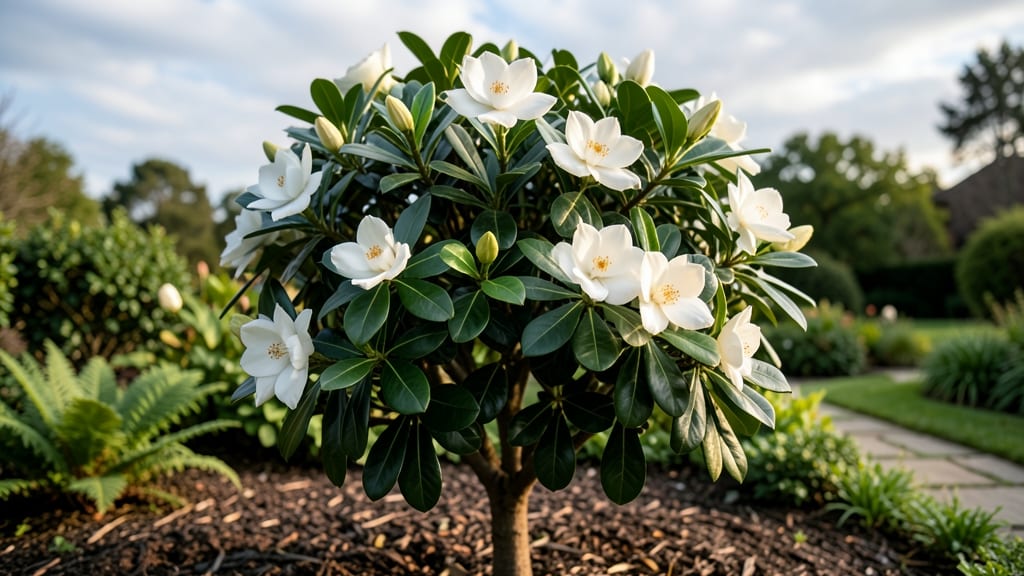
A gardenia tree can grow anywhere from 6 to 15 feet tall—depending on the variety and how you care for it—so knowing how to guide its growth is key to fitting it into your garden vision.
If you’re dreaming of fragrant gardenias but worried about them towering over your backyard, understanding their natural growth patterns—and how to prune them—is your secret weapon for a perfectly proportioned plant.
Some types, like the popular Gardenia jasminoides 🌸, stay compact at 3 to 5 feet if pruned regularly, while others can reach 10 feet or more without intervention. The difference comes down to sunlight, soil, and pruning habits.
Below, I’ll break down how these plants grow over time, which varieties stay small, and the simple pruning tricks to keep them at your ideal height—without sacrificing those intoxicating blooms.


Natural gardenia tree height: what to expect by variety and growing conditions
If you’re planning to grow a gardenia tree, understanding its mature size is key to choosing the right spot in your yard. Gardenias naturally grow as shrubs or small trees, with heights ranging dramatically depending on the variety and growing conditions.
The most common type, Gardenia jasminoides, typically reaches 6 to 15 feet at maturity, but dwarf varieties stay compact at just 3 to 5 feet. Knowing these ranges helps you avoid surprises as your plant grows.
Young gardenia seedlings start small—usually 1 to 2 feet in their first year—but their growth accelerates in subsequent years. By year three, most gardenias hit 5 to 8 feet, making early planning essential for placement.
Whether you’re aiming for a privacy screen or a fragrant centerpiece, understanding these growth stages ensures your gardenia thrives without overpowering your space.
| Variety | Mature Height | Growth Rate | Best For |
|---|---|---|---|
| Gardenia jasminoides (Standard) | 8–15 ft | Moderate (1–2 ft/year) | Large gardens, privacy screens |
| Gardenia jasminoides (Dwarf) | 3–5 ft | Slow (6–12 in/year) | Containers, small yards |
| Gardenia augusta | 6–10 ft | Moderate (1 ft/year) | Tropical landscapes, hedges |
| Radicans (Creeper) | 1–3 ft (spreading) | Slow (3–6 in/year) | Ground cover, slopes |
Sunlight plays a critical role in determining how tall your gardenia grows. While they thrive in partial shade (4–6 hours of morning sun), too little light slows growth and reduces blooms.
In full sun, gardenias can grow 20–30% taller but may need extra water to prevent stress. Conversely, low-light conditions stunt height and weaken stems, making them prone to flopping.
Soil acidity also influences growth—gardenias prefer acidic soil (pH 5.0–6.5). In alkaline soil, their roots struggle to absorb nutrients, leading to stunted growth and fewer blooms. Amending your soil with peat moss or sulfur can help maintain the ideal pH and encourage healthier, taller growth over time.
Climate matters too. In warm, humid regions (like USDA Zones 8–10), gardenias grow faster and reach their mature height sooner. In cooler climates (Zones 6–7), growth slows, and they may stay shorter unless given seasonal protection.
For example, a gardenia in Zone 7 might max out at 8 feet instead of 12.
Pruning young gardenias early can control height naturally. Pinching back new growth in spring encourages bushier growth and prevents legginess. Without pruning, gardenias can become top-heavy, leading to weak branches.
Regular trimming also improves airflow, reducing the risk of fungal diseases that can stress the plant and alter its growth pattern.
If you’re growing gardenias in containers, their height will naturally be 20–30% shorter than in-ground plants due to root restriction. Dwarf varieties like 'Kleim's Hardy' thrive in pots but still need regular pruning to maintain their compact shape.
Always choose a container with drainage holes to prevent root rot, which can stunt growth.
For a fragrant gardenia hedge, space plants 3–5 feet apart to allow room for mature growth. Overcrowding leads to competition for nutrients, slowing height and reducing bloom quality. Mulching around the base with pine bark or compost helps retain moisture and encourages steady, healthy growth.
Remember, gardenias grow slowest in winter and fastest in spring/summer. Monitoring their growth seasonally helps you adjust care—like fertilizing in spring to boost height or reducing water in fall to prepare for dormancy. With the right conditions, your gardenia will reach its full potential without unexpected surprises.
Step-by-step pruning guide to control gardenia tree height naturally
Pruning your gardenia tree isn’t just about keeping it from becoming a towering giant—it’s about shaping it into a bushier, blooming beauty that fits your space perfectly. With the right techniques, you can naturally control height while encouraging more fragrant flowers.
The key? Timing, tools, and knowing when to trim for shape vs. size.
Most gardenias reach 6 to 15 feet tall if left unpruned, but with strategic pruning, you can keep dwarf varieties under 5 feet or standard types between 6–8 feet. The best time to prune is late winter or early spring, just before new growth begins.
Summer pruning is also possible, but it can delay blooming if done too late in the season.
🌿 Step-by-Step Pruning Guide
- 1 Gather the right tools: Use sharp, sterilized pruners (for small branches) and a pruning saw (for thicker stems). Disinfect tools with rubbing alcohol to prevent disease.
- 2 Identify overgrowth: Look for crossing branches, dead wood, or stems growing inward. These should be removed first to improve air circulation and light penetration.
- 3 Prune for height control: Cut back 1/3 of the tallest stems to the desired height. Make cuts just above a leaf node (where new growth will sprout) at a 45-degree angle.
- 4 Encourage bushier growth: Trim the topmost buds on side branches to promote lateral shoots. This creates a fuller shape while keeping the tree compact.
- 5 Clean up and fertilize: Remove all pruned debris and apply a balanced, acid-loving fertilizer (like 10-10-10) to support new growth. Water deeply afterward.
For hard pruning (drastic height reduction), do it in late winter when the plant is dormant. For soft pruning (light shaping), spring or early summer works best. Avoid pruning in fall or winter, as this can stress the plant and delay spring blooms.
Pro tip: If your gardenia isn’t blooming as much after pruning, it might be over-pruned. Leave at least 1/3 of the plant’s structure intact to maintain flower production. Always step back and visualize the shape before making cuts—gardenia trees respond well to natural, open pruning.
With consistent pruning, your gardenia will stay manageable in size while still rewarding you with lush, fragrant blooms all season long. Just remember: patience and precision are key! 🌸