
Picking
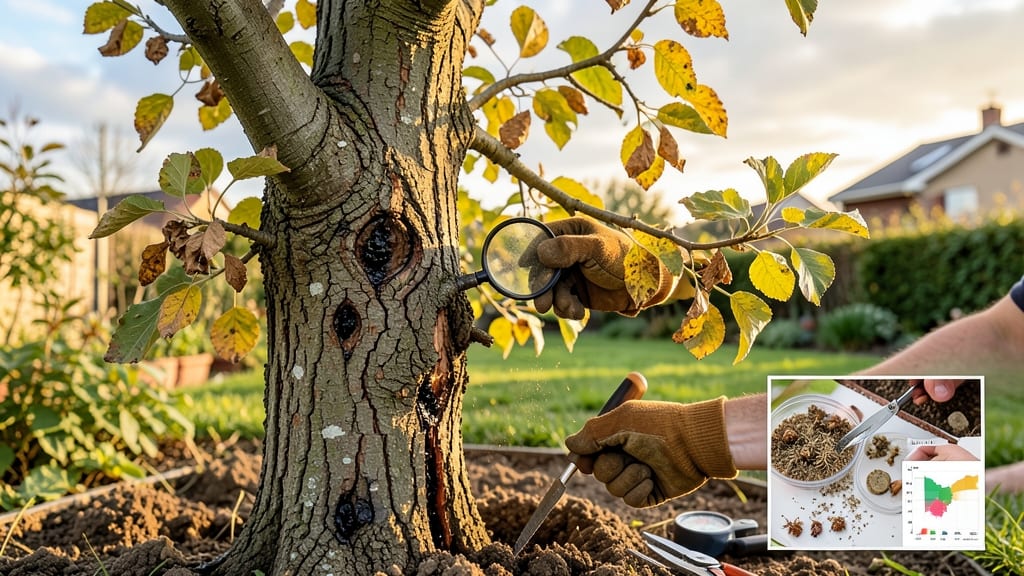
Your tree might be dying before the branches even start looking sad. 🌳 The truth is, subtle clues appear long before a tree collapses—yellowing leaves that won’t fall, bark peeling like sunburn, or roots popping up where they shouldn’t. I’ve watched trees go from healthy to hopeless in just one season, and the warning signs are easier to spot than you think.
Start with the leaves: sparse canopies, brown edges, or leaves that stay on past winter are red flags. Then check the bark—cracks, oozing sap, or fungal growth mean trouble. Even the ground tells a story: mushrooms sprouting at the base or soil that smells like rot instead of earth.
These aren’t just aesthetic issues; they’re survival signals your tree can’t ignore. The good news? You can still save it. Pruning dead branches early, testing soil pH, or treating pests before they spread can turn things around.
I’ve nursed back trees others wrote off—it just takes knowing which signs to trust and which to investigate further. The key is acting before the roots give out completely. This isn’t about panic—it’s about paying attention.
Whether it’s drought stress, disease, or something sneaky like girdling roots, catching it early means your tree has a fighting chance. Let’s break down the signs so you can decide: is it time to nurse it back or make room for a new one?
📚 In This Guide
- What you need
- Instructions
- Tips and common mistakes
- Wrapping up and next steps
What you need
- ● Safety gear: Work gloves (1 pair, nitrile or leather for durability)
- ● Safety goggles (1 pair, ANSI-rated)
- ● Long sleeves/pants (to protect from branches or sap)
- ● Inspection tools: Hand lens or magnifying glass (10x magnification for close-up checks)
- ● Pruning shears (bypass-style, 6-8 inch blades for small branches)
- ● Tape measure (10-20 ft for trunk/diameter checks)
- ● Notebook + pen (to record observations)
- ○ Diagnostic aids: Digital camera (optional but helpful for documenting symptoms)
- ● pH soil test kit (for root-zone analysis)
- ● Moisture meter (for checking soil hydration levels)
- ● Tree identification guidebook or app (e.g., PictureThis or iNaturalist)
- ● Ladder (stable, extendable, 12-20 ft for tall trees)
- ● Boroscope (for inspecting internal trunk damage, if available)
- ● Local arborist’s contact info (for professional backup)
How to diagnose a dying tree: key visual and sensory clues
Here’s how I spot trouble before it’s irreversible—watch for these 8 warning signs.
🌿 Step 1: Check the Leaves for Color and Texture
Start by examining the leaves from the top of the tree down to the branches closest to the ground. Healthy leaves should be vibrant—deep green for deciduous trees or the specific color your tree naturally has. If you notice yellowing, browning, or curling, that’s a red flag. For example, yellow leaves on a maple or oak often signal nutrient deficiency or disease, while crispy, brown edges suggest underwatering or drought stress.
Run your fingers over the leaves. If they feel dry, brittle, or powdery, that’s another sign of trouble. A simple test: pluck a leaf and gently bend it. If it snaps easily instead of bending slightly, the tree is struggling. I always check the newest leaves first—if they’re weak or deformed, the tree’s health is declining.
🪴 Step 2: Inspect the Bark for Damage or Discoloration
Peel back a small section of bark (about the size of a quarter) on the trunk or a major branch. Healthy bark should be smooth, firm, and free of cracks or oozing sap. If you see peeling, deep cracks, or blackened spots, that’s a sign of disease, pests, or environmental stress. For instance, cracked bark on an oak tree often means it’s too dry, while mushy or sunken bark could indicate fungal infection.
Look for unusual growths like moss, lichen, or strange bumps. Moss on the north side of a tree is normal, but if it’s spreading to the south side or covering large areas, the tree isn’t getting enough sunlight—another stress signal. I also check for sawdust-like frass (insect droppings) near cracks, which means borers or beetles might be eating the tree from the inside.
☀️ Step 3: Observe the Tree’s Canopy Shape and Density
A healthy tree has a full, symmetrical canopy with branches evenly spaced. If you notice bare spots, thinning foliage, or branches dying back from the tips, that’s a clear warning. For example, a V-shaped notch in the canopy often means the tree is struggling to support its own weight—common in older oaks or maples. I also watch for sudden leaf drop in spring or summer, which can happen if the tree is under extreme stress.
Compare the tree to others of the same species in your area. If yours looks sparser, weaker, or less vibrant, it’s likely in decline. Pay attention to how the tree reacts to seasons—if it’s not leafing out in spring or holding onto leaves in fall, that’s another sign of poor health.
💧 Step 4: Test the Soil Around the Tree’s Base
Dig a small hole (about 6 inches deep) near the tree’s drip line—the outer edge of the canopy. Healthy soil should be dark, crumbly, and slightly moist (like a wrung-out sponge). If the soil feels rock-hard, waterlogged, or smells sour, that’s a problem. Compacted soil restricts root growth, while soggy soil can suffocate roots and invite rot.
Check for root exposure—if roots are sticking out of the ground or the soil has pulled away from the trunk, the tree might be thirsty or dying from lack of support. I also look for mushrooms or fungal growth near the base, which can indicate root rot or other fungal infections. If the soil is dry and dusty even after rain, the tree isn’t getting enough water.
⏰ Step 5: Look for Pest or Disease Signs
Scan the trunk, branches, and leaves for unusual holes, tunnels, or webbing. Sawdust-like frass near cracks in the bark? That’s a borer infestation. Sticky residue on leaves? Aphids or scale insects. I also check for unusual growths like galls (lumpy swellings) or cankers (sunken, dead patches on branches), which are often signs of bacterial or fungal infections.
Shake a few branches over a white sheet or towel. If you see tiny crawling insects, eggs, or webs, that’s a pest problem. For example, spider mites leave fine webbing, while beetle larvae tunnel into wood. If you spot these early, you might still save the tree with treatment—but if the damage is extensive, it’s often too late.
✂️ Step 6: Assess the Tree’s Structural Stability
Gently press on the trunk near the base. If it feels soft, spongy, or hollow, the tree is rotten inside and at risk of falling. Tap the trunk with a knuckle—if it sounds hollow or echoes, that’s another warning sign. I also check for large cracks or splits in the trunk or major branches, which can weaken the tree’s structure, especially during storms.
Look at the roots—if they’re pushing up out of the ground or the tree is leaning dramatically, it’s struggling to stay upright. A healthy tree should stand straight and stable, even in wind. If yours is tilting or swaying excessively, it might be dying or already dead.
🌱 Step 7: Compare Growth Patterns Year Over Year
If your tree has stopped growing new branches or leaves for two or more years, that’s a major red flag. Healthy trees add new growth each spring, even if it’s just a few inches. I keep a simple photo log of the tree’s canopy every spring—if the photos show no new leaves or branches, the tree is likely declining.
Pay attention to flower or fruit production. If a tree that normally blooms fails to flower or produces small, deformed fruit, it’s under stress. For example, a peach tree that doesn’t bloom in spring might be dying from bacterial spot disease or root rot. If the tree’s growth slows dramatically (like only putting out a few weak leaves instead of a full flush), it’s a sign the tree is fighting to survive.
🪴 Step 8: Check for Fungal or Mushroom Growth
If you see mushrooms, shelf fungi, or conks growing at the base of the tree, that’s a definite warning sign. These fungi thrive on decaying wood and indicate the tree is rotten inside. Even small clusters of mushrooms mean the tree’s root system is compromised. I’ve seen polypore fungi (shelf-like growths) on dying oaks and maples—once they appear, the tree is usually beyond saving.
Also watch for unusual discoloration on the bark or oozing sap. Sap that’s thick, dark, or smells bad can signal bacterial infections or severe pest damage. If the tree is dropping large amounts of sap without obvious wounds, it’s a sign of internal stress. At this stage, the tree is often too far gone to recover, but removing it early prevents safety hazards.
Tips & tricks for diagnosing a tree's health
These practical insights will help you spot trouble before it's too late—saving you time and potential heartache.
Leaf Inspection Tip: In Step 1, when checking leaves, focus on the newest growth first. If these leaves are already yellowing or curling, the tree is likely struggling with a systemic issue like nutrient deficiency or disease. I've seen this particularly with maples and oaks—don't wait for the older leaves to show problems before acting. A quick way to test leaf health is to pluck one and bend it gently; if it snaps instead of flexing, that's your first warning sign.
Bark Examination Tip: During Step 2, when you're inspecting the bark, pay special attention to any areas where the bark feels soft or spongy. This is often a sign of internal rot that's already too advanced for treatment. I learned this the hard way with an old oak that looked healthy from the outside—until I pressed on the trunk and felt the hollow center. If you find this, it's time to consider professional removal before the tree becomes a hazard.
Canopy Comparison Tip: In Step 3, when observing the canopy, compare your tree to others of the same species in your neighborhood. A healthy tree should have a full, symmetrical shape with no bare spots. If yours looks sparser or has a V-shaped notch at the top, it's struggling to support its own weight. This is especially common with older trees like maples and oaks that have been standing for decades.
Seasonal Growth Tracking Tip: For Step 7, consider keeping a simple photo log of your tree's canopy each spring. This visual record makes it easy to spot when growth slows or stops completely. I've found that trees which fail to produce new leaves or branches for two consecutive years are often beyond saving. This method works particularly well for fruit trees where you can also track flower and fruit production as additional health indicators.
Pro Tips for How Do You Know If Your Tree Is Dying
- These practical insights will help you spot trouble before it's too late—saving you time and potential heartache.
- Leaf Inspection Tip: In Step 1, when checking leaves, focus on the newest growth first.
- Bark Examination Tip: During Step 2, when you're inspecting the bark, pay special attention to any areas where the bark feels soft or spongy.
Frequently asked questions
about identifying a dying tree—because sometimes you just need a quick answer to save your green friend!Can a tree recover if it’s already showing signs of dying?
It depends on the cause! If the issue is recent (like pest damage or overwatering), pruning, fertilization, or proper care might revive it. But if the tree is severely decayed (e.g., hollow trunk, fungal rot), recovery is unlikely. Act fast—early intervention is key!
How long can a dying tree survive before falling?
Timing varies by species and health. A tree weakened by disease or pests may last weeks to years, but structural failure (like a split trunk) can happen suddenly—even in healthy-looking trees. If it’s a hazard, remove it ASAP to avoid property damage or injury.
Is it cheaper to save a dying tree or replace it?
Short-term: Saving it (pruning, treatments) costs $100–$500. Long-term: A mature tree adds $10,000+ to home value. If it’s healthy but struggling, invest in care. If it’s beyond saving, removal + replanting (young tree: $50–$200) may be smarter.
What’s the safest way to check if a tree is dead inside?
Use the scratch test: Scrape the bark—if green underneath, it’s alive. For hollow or buried trunks, tap it: a hollow sound = rot. Avoid climbing or drilling unless you’re trained. When in doubt, call an arborist!
Will rain or watering help a tree that’s clearly dying?
Not if the damage is irreversible (e.g., root rot, disease). Watering might help marginal cases (like drought stress), but overwatering can worsen fungal issues. Focus on drainage and mulch—not just H2O. If roots are mushy, it’s too late.
Wrapping up and next steps
Don’t let a dying tree stress you out—early action is key! 🌱 By spotting signs like discolored leaves, peeling bark, or unusual growth, you can often revive your tree with proper care. If it’s too far gone, removing it safely ensures your yard stays healthy and hazard-free.
Ready to take the next step? Start by inspecting your tree today—or consult a local arborist for expert advice. Your green thumb (or future one!) will thank you! 🌳✨