
Diseases
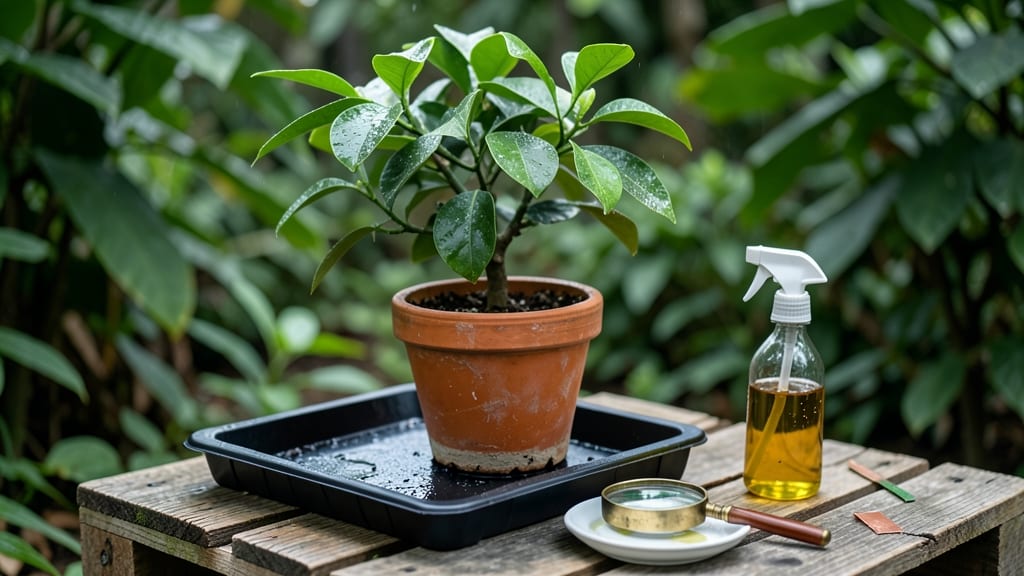
White fungus on your lemon tree can devastate fruit production if ignored. These five fast fixes—plus five preventative strategies—will help you rescue your citrus before the infection spreads uncontrollably.
Neem Oil Spray for Immediate Fungus Control
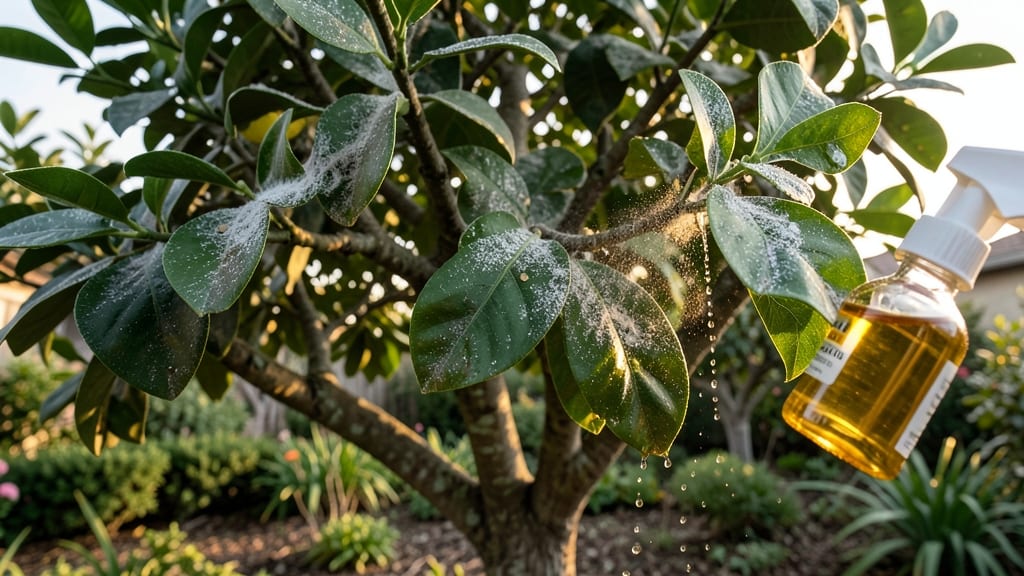
When white fungus starts creeping across your lemon tree leaves, neem oil spray acts like a biological shield—disrupting fungal cell membranes while keeping your citrus safe when used correctly. This natural fungicide works within 24-48 hours to halt the spread of powdery mildew and sooty mold, making it the organic gardener’s go-to for immediate action.
Mix 1 teaspoon of pure neem oil with 1 quart of water and a dash of mild dish soap (½ teaspoon) to help it stick. Spray both sides of leaves thoroughly at dusk to avoid sunburn, and reapply every 7-10 days until the fungus disappears. The soap breaks surface tension, ensuring the oil adheres to leaves and smothers spores—no harsh chemicals needed.
Perfect for organic gardeners or those with sensitive citrus, neem oil won’t harm your tree if diluted properly. Just avoid spraying fruit directly before harvest. 🌱
Baking Soda Solution for White Mold Prevention
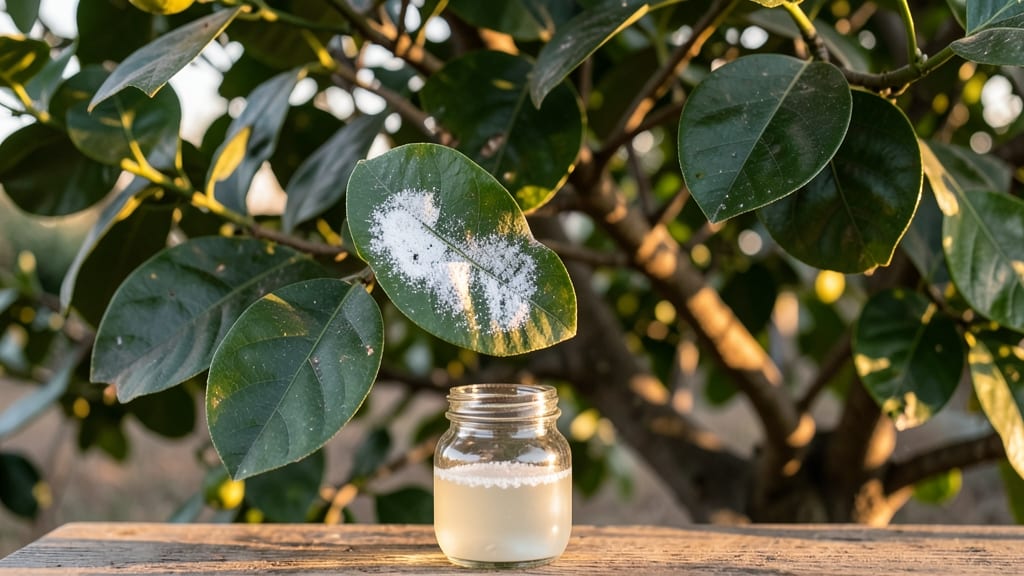
When you spot that first white, powdery patch on your lemon tree leaves, a simple kitchen staple can be your secret weapon. A baking soda solution disrupts fungal growth by altering the leaf surface pH, creating an environment where white mold can't thrive—without harsh chemicals.
Mix 1 teaspoon of baking soda with 1 quart of water and add ½ teaspoon of mild dish soap to help the solution stick. Spray this mixture every 7-10 days during humid months or after heavy rain, focusing on both the tops and undersides of leaves. For early-stage infections, this DIY remedy often stops the spread within a week while being safe for edible citrus.
This method is perfect for organic gardeners or anyone who prefers non-toxic solutions. It’s also budget-friendly and works wonders when combined with improved air circulation for long-term prevention. 🌿
Copper Fungicide for Severe White Fungus Outbreaks
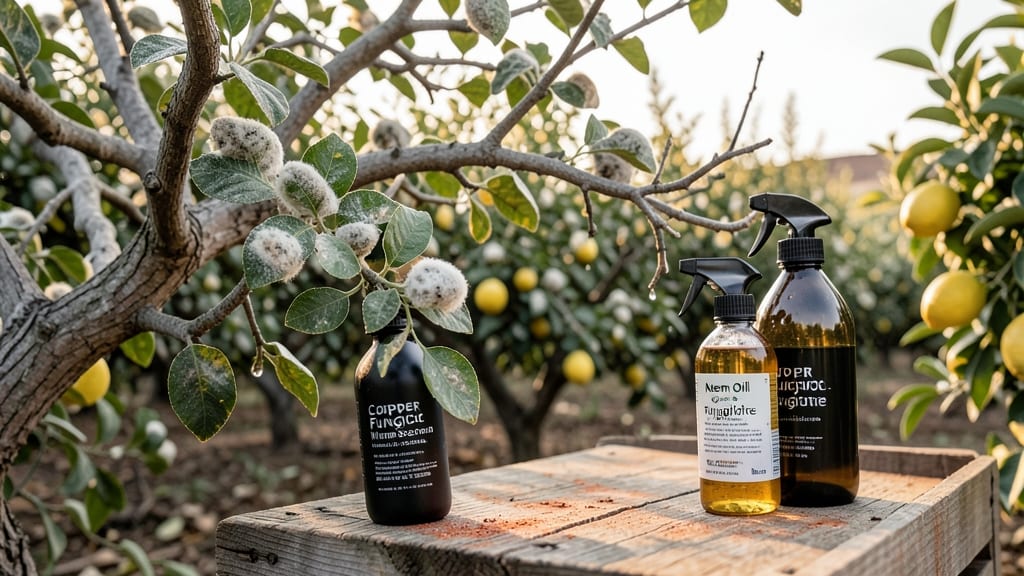
When white fungus on your lemon tree has spread beyond a few leaves and organic solutions like neem oil haven’t worked, it’s time for copper fungicide—the heavy artillery for advanced infections. This mineral-based treatment disrupts fungal spores at a cellular level, offering a fast-acting solution when your citrus is under siege.
Use a ready-to-use copper fungicide spray (like Bordeaux mixture or copper sulfate) every 7–14 days during active outbreaks, applying it thoroughly to both upper and lower leaf surfaces. For severe cases, combine with pruning infected branches to prevent reinfection. Copper works best in dry conditions—avoid spraying when rain is forecasted within 24 hours.
This is the go-to for non-organic growers or those dealing with stubborn infections, though it requires careful handling (wear gloves and avoid overspray). For long-term success, follow up with preventive measures like improved air circulation. 🌟
Prune Infected Leaves and Fruit Immediately
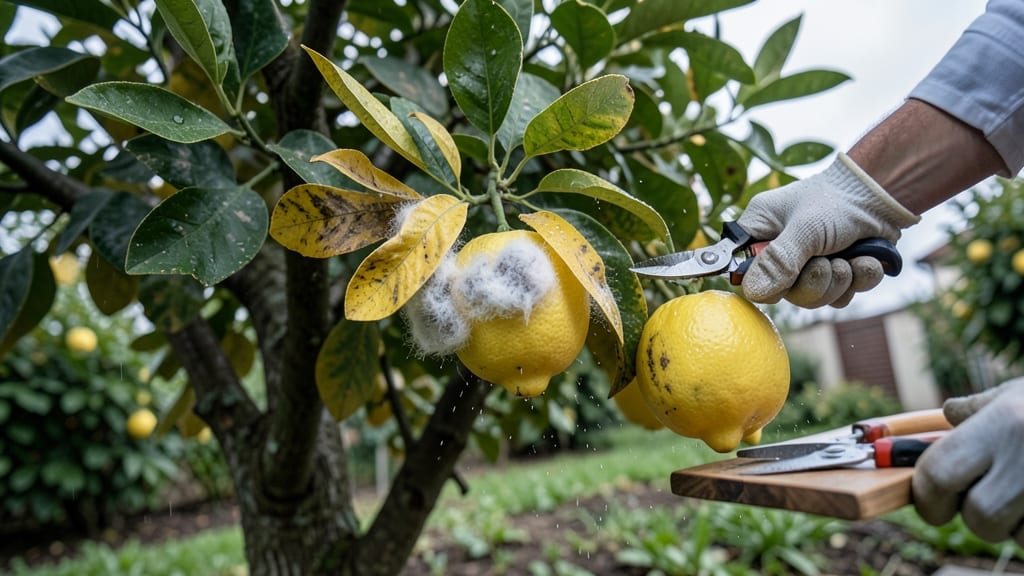
When you spot white fungal patches on your lemon tree, don’t wait—those spores are hitching a ride on the wind and rain. The faster you remove infected leaves and fruit, the less chance the fungus has to spread to healthy parts of your tree.
Use sterilized pruners to snip away any leaves, stems, or fruit showing white powdery growth. Dispose of the clippings in a sealed bag (not your compost pile) to prevent spores from reinfecting your garden. Focus on humid seasons when fungal growth accelerates, and repeat pruning every few days until the tree is clear. This physical barrier is your first line of defense.
Citrus growers in tropical climates swear by this method—it’s the simplest way to contain outbreaks before they require chemical intervention. Start pruning today, and you’ll protect both your tree and your neighbors’ plants. 🌱
Improve Air Circulation Around Lemon Tree
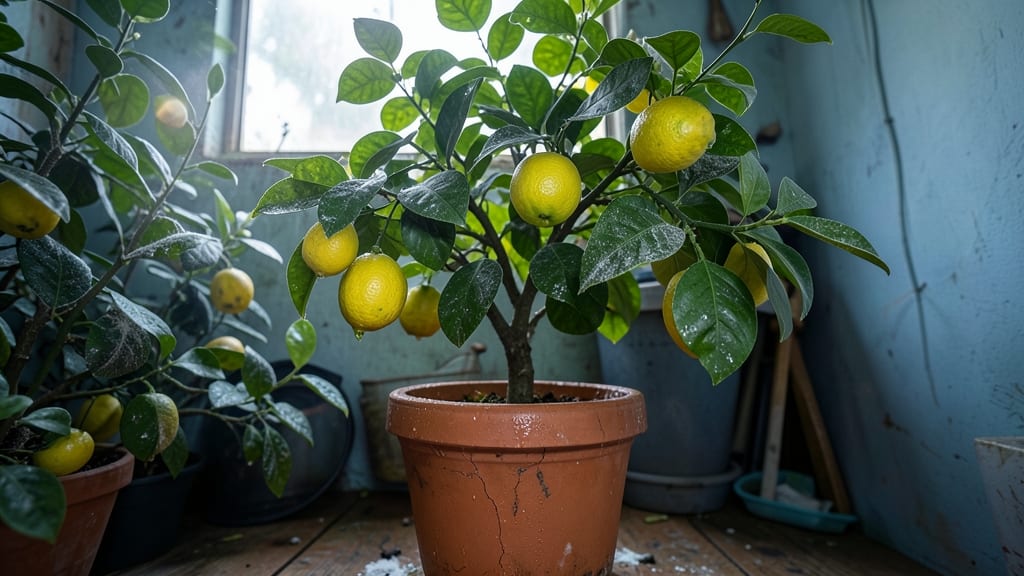
Stagnant air around your lemon tree creates the perfect breeding ground for white fungus, but simple airflow adjustments can transform your tree's health. Even indoor growers or those with densely packed citrus groves can slash humidity near leaves by 30% with minimal effort.
Start by spacing your tree at least 3-4 feet from walls or other plants, then use a small fan on low speed (2-3 hours daily) to gently move air without stressing the tree. For outdoor trees, trim overgrown branches that block airflow, and avoid planting near fences or dense shrubs. This passive prevention works year-round and pairs perfectly with your other fungus-fighting strategies.
Urban gardeners with limited space will see the biggest benefits—better airflow means fewer chemical treatments and happier, more productive trees. 🌿
Use Horticultural Oil for Fungal Spore Smothering
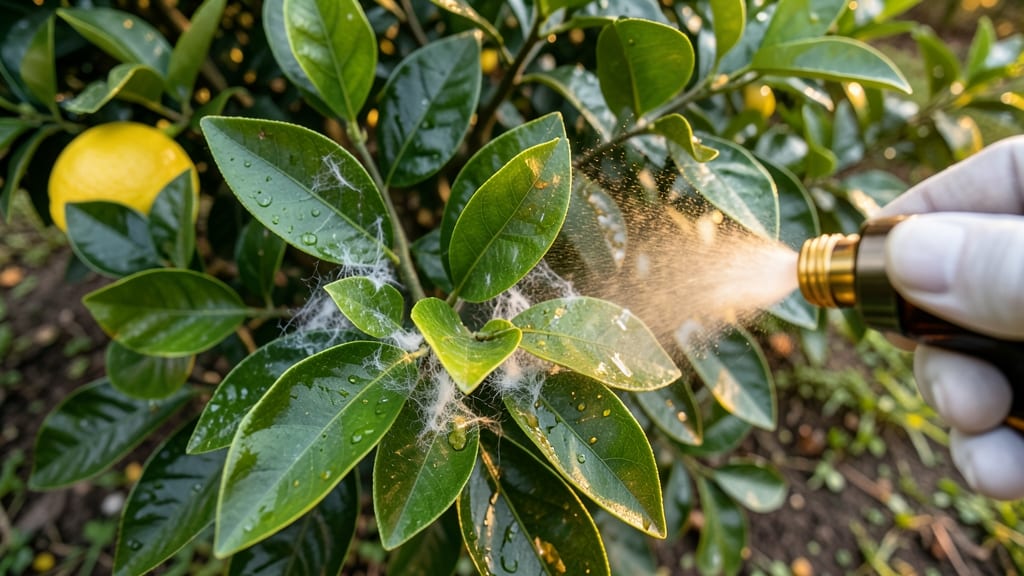
When white fungus starts creeping across your lemon tree leaves, a horticultural oil spray can be your secret weapon for suffocating spores before they spread. Unlike chemical fungicides, this oil-based approach creates a protective film that smothers fungal growth at the source—ideal for preventive maintenance during dry, warm weather.
Mix horticultural oil (available at garden centers) with water according to label instructions, then spray thoroughly on both leaf surfaces during early morning or late afternoon to avoid leaf burn. The oil coats fungal spores, cutting off their oxygen supply and preventing new infections. For best results, apply every 7-10 days during fungal-prone seasons, especially after pruning or rain. This method is safe for organic gardens and won’t harm beneficial insects.
Gardeners with mature citrus trees or those prone to recurring white fungus will appreciate how this low-cost, non-toxic solution keeps spores in check without harsh chemicals. It’s the perfect follow-up to pruning and air circulation for long-term fungal defense. 💡
Adjust Watering Schedule to Prevent Moisture Buildup
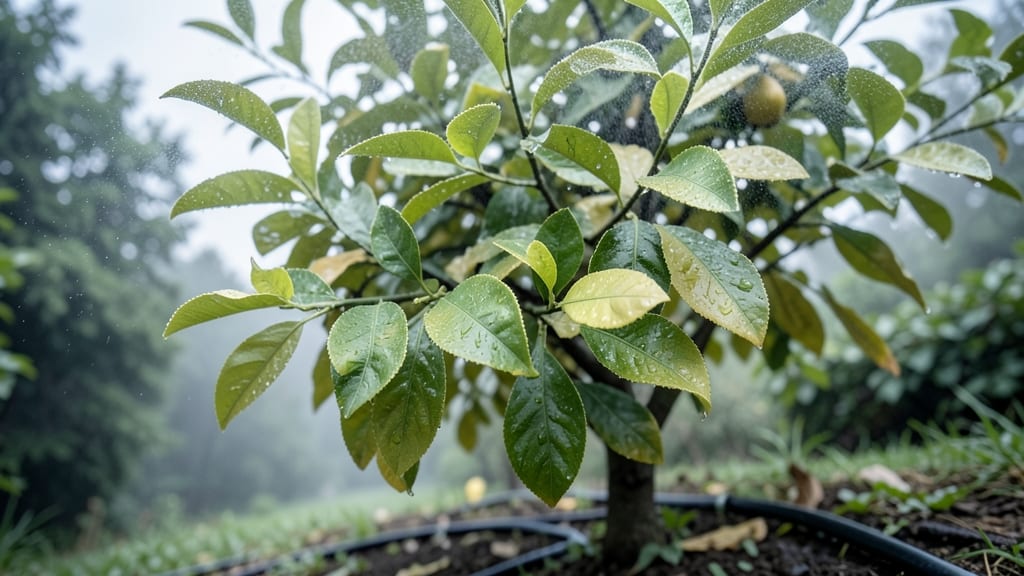
If your lemon tree’s leaves are constantly wet, you’re creating the perfect breeding ground for white fungus. Wet foliage traps moisture, allowing spores to thrive and spread rapidly—especially in humid climates or during rainy seasons.
Skip the overhead watering entirely and switch to drip irrigation or bottom-watering methods instead. These techniques deliver water directly to the soil roots, keeping leaves dry and reducing fungal spores’ ability to colonize. For container-grown lemon trees, place them in saucers filled with water and let them soak up moisture from below. Water in the early morning to allow leaves to dry completely before evening humidity sets in.
This simple adjustment is a game-changer for gardeners battling fungal issues, especially those with potted citrus trees or limited outdoor space. A dry canopy means fewer fungal infections and healthier fruit production. 🌱
Apply Beneficial Fungi like *Trichoderma* for Biological Control
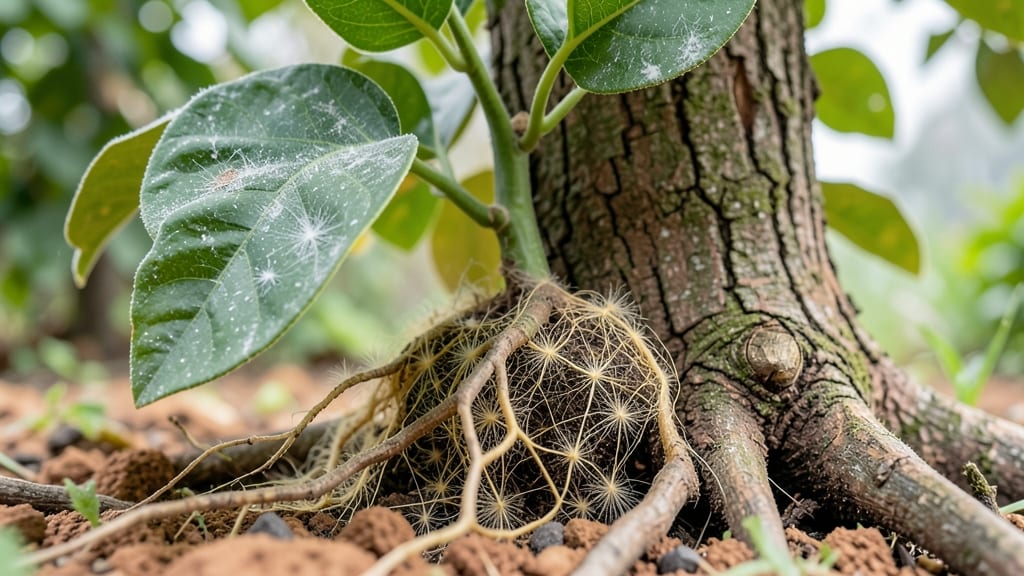
Tired of chemical sprays and still battling white fungus on your lemon tree? Trichoderma—a naturally occurring beneficial fungus—offers a long-term, organic solution by outcompeting harmful pathogens before they take hold.
This microscopic ally colonizes plant roots and leaf surfaces, creating a protective barrier that disrupts fungal spores. Apply it as a soil drench or foliar spray during spring and fall, when citrus trees are most vulnerable. For best results, mix it with compost tea to boost its effectiveness in organic citrus care systems.
Perfect for gardeners committed to chemical-free growing, Trichoderma builds lasting resistance in your lemon tree while promoting healthier root systems. 💚
Boost Tree Health with Citrus-Specific Fertilizer
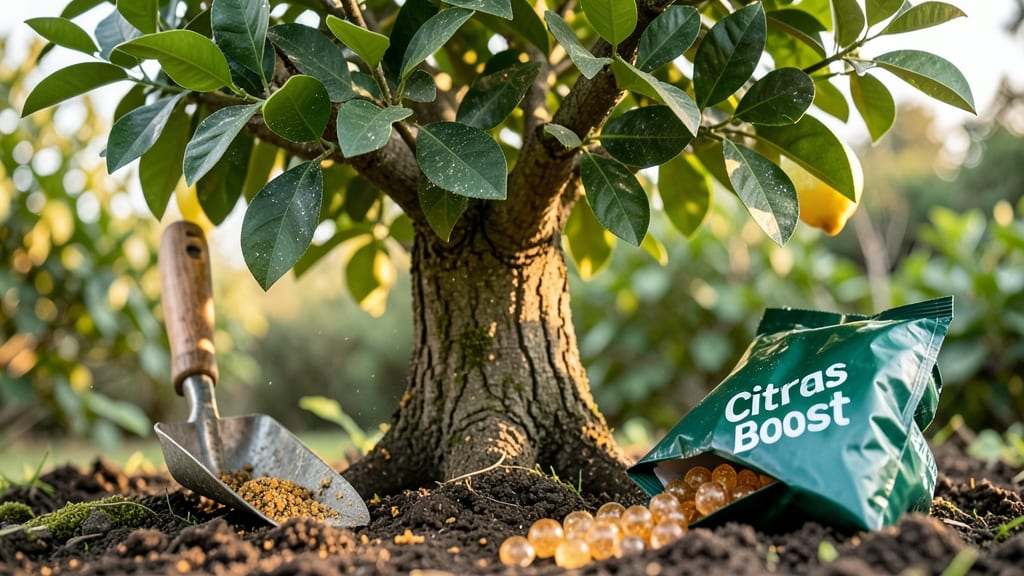
White fungus thrives on weak trees—so why not give your lemon tree the strength to fight back? A citrus-specific slow-release fertilizer packed with micronutrients like zinc, iron, and magnesium builds natural resistance, making those fungal spores less of a threat.
Look for fertilizers labeled for citrus with a balanced NPK ratio (like 6-6-6) and added humic acid to boost root health. Apply it every 3-4 months during the growing season, watering deeply afterward to help nutrients reach the roots. This isn’t just about feeding your tree—it’s about creating a healthier immune system that can outlast fungal attacks before they take hold.
Urban gardeners with limited space or container growers will see the biggest benefits, as these fertilizers work efficiently in pots while keeping roots strong. A proactive approach now means fewer fungal battles later! 🌿
Quarantine New Plants to Avoid Fungal Introduction

Before adding that dream citrus tree to your garden, create a 30-day quarantine zone to catch any hidden white fungus early. Many fungal spores hitchhike on new plants, waiting to infect your established citrus collection—especially in humid climates.
Place the new plant in a separate pot away from your main garden, and inspect it daily for the first two weeks. Look for white powdery patches on leaves or stems, which could indicate powdery mildew or sooty mold. If you spot any signs, isolate it further and treat immediately with neem oil or baking soda spray before introducing it to your citrus family.
This simple step saves hours of cleanup later and is especially valuable for urban gardeners or those with limited space. A little patience now protects your entire garden from a fungal outbreak. 🌱