
Pruning
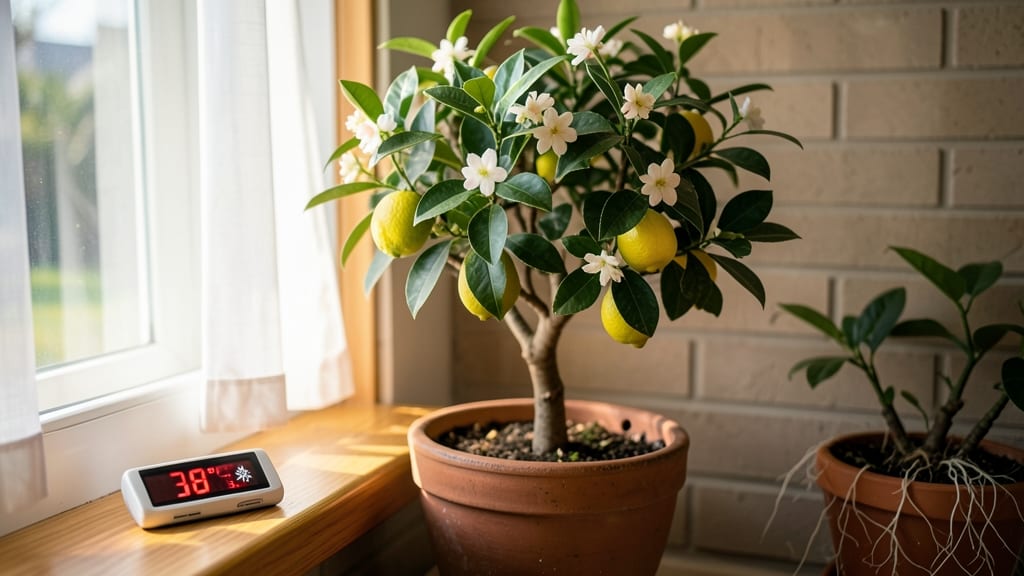
Bringing your Meyer lemon tree 🍋 inside at the right time keeps it thriving through winter—before temperatures dip below 40°F.
Picture this: you’ve nurtured your tree all season, only to wake up to frost-kissed leaves. That’s the moment you realize timing isn’t just a suggestion—it’s survival for your citrus treasure. In Zone 6a, where frost can sneak in by mid-October, waiting too long means risking shock or even death.
But how do you know when to act? It’s not just about the calendar—your tree will signal its needs through slower growth, yellowing leaves, or even bud dormancy. These clues, paired with local weather trends, become your green-light to move it indoors before the cold sets in.
In this guide, I’ll walk you through the exact triggers—temperature thresholds, zone-specific deadlines, and plant behaviors—to ensure your Meyer lemon tree makes the transition smoothly.
You’ll also learn how to prep it for indoor life, from trimming to light adjustments, so it stays healthy and keeps producing those sweet lemons year-round.
Hardiness zone & temperature triggers: exact timing for moving Meyer lemon trees indoors
Meyer lemon trees (Citrus meyeri) are tropical divas that cannot tolerate frost—even a light freeze at 32°F (0°C) can kill your plant. The key to winter survival lies in understanding your USDA hardiness zone and local temperature triggers.
Unlike hardy citrus like Calamondin oranges, Meyer lemons demand precision timing to avoid cold shock.
Your move timeline hinges on two critical factors: average first frost dates and microclimates (like urban heat islands or wind exposure). For example, a Zone 9 gardener might wait until November 15, while a Zone 6 grower should act by early October.
But don’t rely solely on zones—watch your local 10-day forecast for 40°F (4°C) nighttime lows, the safe threshold for potted lemons.
Here’s the non-negotiable rule: Move your tree indoors before temperatures dip below 40°F (4°C). Below this, roots in pots chill quickly, and even brief exposure can stunt growth or invite root rot.
Pro tip: Set a phone alert for your zone’s first frost date (find it via the USDA Plant Hardiness Zone Map), then back up by 2-3 weeks to account for unpredictable cold snaps.
| USDA Zone | Critical Temperature Threshold | Move Indoors By | Microclimate Adjustments |
|---|---|---|---|
| 6-7 | 45°F (7°C) | Late August | Move 2 weeks early if near lakes/mountains (cooler air sinks). |
| 8 | 38°F (3°C) | Mid-October | Urban areas? Delay by 1 week (heat traps delay frost). |
| 9 | 35°F (2°C) | November 1 | Wind-exposed? Move 10 days early—dry winds accelerate chilling. |
| 10-11 | 32°F (0°C) | December 1 | Coastal? Monitor marine layer—fog can drop temps faster. |
⚠️ Note: These are general guidelines. Always check your local weather service for real-time alerts.
Microclimates throw a wrench into zone-based planning. For instance, if your Meyer lemon sits in a south-facing patio with reflective surfaces (like a brick wall), it may stay 5-10°F warmer than the surrounding area. Conversely, north-facing spots or low-lying areas can see frost 2-3 weeks earlier than official forecasts predict.
Use these three tools to refine your timing:
- A minimum/maximum thermometer near your tree to track real-time temps,
- The National Weather Service’s Point Forecast for hourly lows, and
- A soil thermometer to monitor root-zone temps (critical for potted plants).
If your thermometer hits 45°F (7°C) at night, it’s move time, regardless of your zone.
Sudden cold snaps are the biggest threat to Meyer lemons. In Zone 7-8, a polar vortex can drop temps to 20°F (-7°C) overnight—leaving you with minutes to act. My rule?
If the forecast shows below 50°F (10°C) for 3+ consecutive nights, move your tree immediately, even if it’s not your "official" move date. Potted lemons chill faster than in-ground plants, so don’t wait for frost.
Pro move: Acclimate your tree gradually if moving from outdoor to indoor over 7-10 days. Start by placing it in a shaded, sheltered spot (like a garage with open doors) during the day, then bring it in at night.
This mimics natural temperature shifts and reduces transplant shock. Avoid moving on <
Signs your Meyer lemon tree needs immediate indoor protection (before frost hits)
Your Meyer lemon tree may look resilient, but subtle stress signals often appear days before frost. One of the first signs is leaf yellowing, starting at the tips and edges. This isn’t just natural aging—it’s a cold stress response where chlorophyll breaks down.
Check the undersides of leaves for white or gray powdery residue, which could signal frost damage or even spider mites thriving in dry conditions.
Another red flag is slowed growth or stunted new shoots. If your tree’s usual spring flush of bright green leaves slows to a crawl, it’s conserving energy for survival. Compare this to healthy growth—your tree should add 2-4 inches per month in warm months.
Also, inspect the buds and flowers; if they’re dropping prematurely or failing to open, your tree is already struggling with temperature fluctuations.
🌱
When to Bring Meyer Lemon Tree Inside
- 🌡️ Temperature Drops: Move when nighttime temps fall below 50°F (10°C).
- 🍂 Leaf Changes: Yellowing edges or curling leaves = immediate action needed.
- 🌡️ Frost Warning: If your zone’s first frost is forecasted within 72 hours, act fast.
- 🌱 Growth Halt: No new leaves or buds after 2 weeks of warm weather?
💡 Pro Tip: Use a thermometer near your tree to track microclimates—porch areas can be 5°F warmer than open gardens.
Don’t confuse cold stress with pest infestations or disease. For example, aphids or scale insects also cause leaf curling, but they leave behind sticky residue (honeydew) or tiny black spots.
Run your fingers along stems—visible bugs or webbing mean it’s time for a neem oil spray before moving indoors. Similarly, root rot (from overwatering) causes yellowing, but the leaves will feel mushy to the touch, not crisp.
Your Meyer lemon’s buds are another critical barometer. Healthy buds should feel firm and plump; if they’re shriveled or brown, your tree is already struggling. Pay attention to flower drop—a sudden increase in fallen blooms means the tree is shifting resources to survival rather than fruiting.
This is your cue to accelerate indoor prep, including pruning dead branches and inspecting for pests.
For a quick pre-move checklist, focus on these three critical areas:
- Leaf condition: No more than 10% yellowing (beyond that, damage is likely irreversible).
- Stem flexibility: Gently bend a small branch—if it snaps easily, the tree is already weakened.
- Root health: Lift the pot slightly; if roots are pushing against the container, repot before moving indoors to avoid transplant shock.
If you spot dark brown spots on leaves or blackened stems, frost has already damaged your tree. In this case, prune affected areas immediately and move the tree to a bright, warm indoor spot (65–75°F) to prevent further fungal spread
The key is speed—Meyer lemons can recover from mild cold stress, but prolonged exposure below 40°F (4°C) is fatal.