
Trees
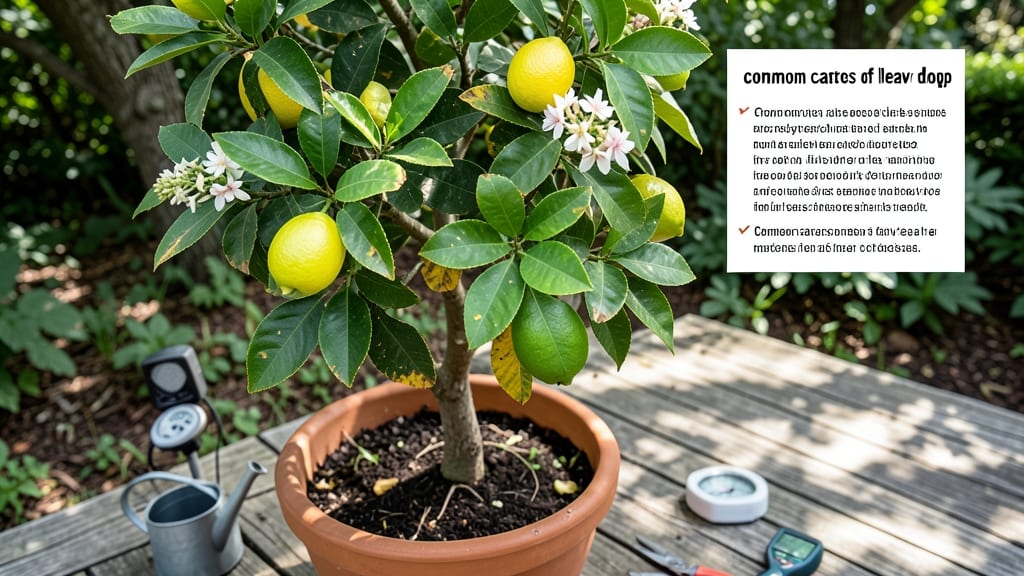
Your Meyer lemon tree lost leaves faster than you can say "harvest season." 🌱 The good news? Root health isn't always the villain—it's often fixable with three targeted adjustments that bring back those glossy leaves within weeks.
Most cases stem from overwatering (soggy roots suffocate roots), sudden temperature swings (think drafty windows or AC blasts), or hidden pests like scale hiding under the bark. I've revived trees in all three scenarios by first checking the soil moisture—it should feel like a damp sponge, not a swamp.
Start with a 30-second soil test: stick your finger in 2 inches deep. If it's bone-dry, water deeply; if it's still wet, hold off for a week.
Pair that with morning sun only (afternoon heat burns stressed leaves) and a balanced citrus fertilizer every 6 weeks. Within 4-6 weeks, you'll see new growth.
For stubborn cases, inspect roots for rot (black, mushy = repot in fresh soil) or pests (white cottony stuff = neem oil spray). When in doubt, snap a photo and text it to your local extension service—they'll diagnose faster than Google. Your tree's comeback starts now.
Common Causes Of Dropping Foliage
When your Meyer lemon tree starts shedding leaves, it’s often a cry for help—whether from environmental stress, pests, or hidden health issues. Understanding the root causes (literally and figuratively) is the first step to reviving your citrus queen.
Below, we break down the most common triggers, backed by science, so you can diagnose the problem like a pro.
---
Meyer lemon trees (Citrus × meyeri) thrive in USDA Zones 9-11, where temperatures stay between 60–85°F (15–29°C). When exposed to frost (below 28°F/-2°C) or scorching heat (above 95°F/35°C), their leaves turn yellow, crisp, or drop prematurely.
- Cold Stress: Frost damages cell membranes, disrupting nutrient flow.
Leaves may appear blackened or mushy before falling. - Heat Stress: High temperatures cause transpiration stress, where water loss outpaces absorption, leading to wilting and leaf drop. - Wind Burn: Strong winds dry out leaves, mimicking heat stress symptoms.
Actionable Fix: - Move potted trees indoors during frost warnings (a garage or sunroom works). - Use frost cloth if outdoor planting is unavoidable. - Mulch heavily to insulate roots in winter. - Provide afternoon shade in extreme heat (use shade cloth or a temporary cover).
---
Meyer lemons are drought-tolerant but hate soggy roots. Overwatering or underwatering both trigger leaf loss, but the symptoms differ:
| Issue | Symptoms | Cause | |---------------------|---------------------------------------|--------------------------------------------| | Underwatering | Crispy, brown edges; wilting | Roots dry out, can’t absorb nutrients. | | Overwatering | Yellowing leaves; mushy stems | Root rot (Phytophthora fungus) sets in. | | Poor Drainage | Drooping leaves; foul-smelling soil | Compacted or clay soil traps excess water.|
Actionable Fix: - Check soil moisture by sticking your finger 2 inches deep—water only if dry. - Use well-draining soil: Mix 50% potting soil + 30% perlite + 20% compost. - Ensure pots have drainage holes (or drill them if DIY-ing). - Water deeply but infrequently—aim for 1–1.5 gallons per week in summer, less in winter.
---
Pests like spider mites, aphids, and scale insects suck sap from leaves, causing them to yellow, curl, or drop. Look for: - Sticky residue (honeydew) on leaves (sign of aphids/scale). - Fine webbing (spider mites). - Tiny black dots (sooty mold, a fungal growth fed by pest waste).
Common Culprits & Damage: - Spider Mites 🕷️: Bronze/yellow stippling on leaves before drop. - Aphids 🐜: Curled, sticky leaves; new growth fails to emerge. - Scale Insects 🐌: Bumpy, shell-like pests on stems/leaves.
Actionable Fix: - Blast pests off with a strong spray of water (disrupts their life cycle). - Use neem oil (1 tsp per quart of water) as a natural miticide/fungicide. - Introduce beneficial insects: Ladybugs or lacewings eat aphids naturally. - Prune and dispose of heavily infested leaves (bag them to prevent spread).
---
Meyer lemon trees need balanced nutrients, especially nitrogen (N), phosphorus (P), and micronutrients like iron (Fe) and zinc (Zn).
Deficiencies show up as: - Yellow leaves between veins → Iron/chlorosis (common in alkaline soil). - Purple stems/leaves → Phosphorus deficiency. - Small, pale leaves → Nitrogen shortage.
Soil pH Matters: - Ideal pH: 6.0–7.0 (alkaline soil >7.0 locks out iron). - Test your soil with a DIY kit or send a sample to a lab.
Actionable Fix: - Amend soil with chelated iron (for chlorosis) or Epsom salt (magnesium deficiency). - Use a citrus-specific fertilizer (high in N-P-K 6-6-6 or 8-3-9) in spring and summer. - Top-dress with compost for slow-release nutrients. - Avoid over-fertilizing—burnt roots = more leaf drop!
--- Fungal diseases like citrus canker or root rot (Phytophthora) thrive in wet, warm conditions, causing leaves to yellow, spot, and fall.
Red Flags: - Raised, crusty lesions on leaves/stems → Citrus canker (bacterial). - Dark, water-soaked spots → Root rot (fungal). - Blackened veins → Sooty mold (from pest honeydew).
Actionable Fix: - Prune infected branches with sterilized shears (soak in 10% bleach solution). - Apply copper fungicide (for canker) or baking soda spray (1 tsp baking soda + 1 quart water + drop of soap). - Improve air circulation (space trees 6+ feet apart). - Avoid overhead watering to prevent fungal spores from splashing onto leaves.
--- If your Meyer lemon was recently repotted or moved, root damage can cause leaf drop for 2–4 weeks as the tree recovers.
Signs of Transplant Shock: - Wilting despite watering. - Leaves turning yellow and dropping (older leaves first). - Stunted new growth.
Actionable Fix: - Water deeply after repotting to settle soil around roots. - Hold off on fertilizer for 4–6 weeks (stressed roots can’t absorb nutrients). - Keep in partial shade for a week to reduce stress. - Use rooting hormone if propagating from cuttings.
Quick Fixes for Dropping Meyer Lemon Leaves
Reviving your Meyer lemon tree starts with identifying the root cause—but once you know why those leaves are falling, the fixes are often simpler than you’d expect. Below are targeted solutions for the most common triggers, along with easy prevention tips to keep your citrus tree lush and thriving.
---
Signs: Yellowing leaves, mushy stems, or soil that stays soggy for days.
How to Fix It: 🔥 Step 1: Pause Watering Immediately Stop adding water until the top 2–3 inches of soil feel dry (stick your finger in to test).
🍳 Step 2: Improve Drainage - Repot your tree (if in a container) into a terracotta pot with fresh, well-draining citrus potting mix (avoid garden soil—it compacts). - Add a 1-inch layer of gravel or perlite at the bottom of the pot to prevent waterlogging. - If planted in the ground, amend the soil with compost and sand to loosen it up.
👨🍳 Step 3: Prune Damaged Growth Snip off yellow, brown, or mushy leaves/stems with clean pruning shears to redirect energy to healthy parts.
⏰ Step 4: Water Smartly Moving Forward - Water deeply but infrequently—only when the top 2 inches of soil are dry. - Bottom-water (place the pot in a tray of water for 10–15 mins) to encourage roots to seek moisture. - Avoid wetting leaves—fungus thrives in damp foliage.
💡 Prevention Tip: Use a moisture meter or the "squeeze test"—if water drips out when you press the soil, you’re overdoing it!
---
Signs: Crispy, curled edges on leaves; rapid leaf drop in hot afternoons.
How to Fix It: 🔥 Step 1: Provide Partial Shade - Move potted trees to a spot with morning sun + afternoon shade (e.g., east-facing window or patio). - Use a lightweight shade cloth (30–50%) if outdoors during peak heat (10 AM–4 PM).
🍳 Step 2: Mulch & Moisture Boost - Mulch the soil (2–3 inches deep) with straw or wood chips to retain moisture and cool roots. - Water at dawn or dusk to reduce evaporation—aim for 1–1.5 gallons per week (more in extreme heat).
👨🍳 Step 3: Foliar Spray for Relief Mist leaves lightly with water in the early morning to help them recover from heat shock.
🌡️ Prevention Tip: Acclimate your tree gradually if moving it from indoors to outdoors—start with 2–3 hours of sun/day, then increase slowly over 1–2 weeks.
---
Signs: Sticky residue on leaves, tiny webs, or holes in foliage (common pests: aphids, spider mites, scale).
How to Fix It: 🔥 Step 1: Isolate & Inspect Quarantine the tree if possible. Check undersides of leaves and new growth for pests.
🍳 Step 2: Blast Away Pests - Neem oil spray (1 tsp neem oil + 1 tsp mild soap + 1 quart water)—spray every 5–7 days until pests vanish. - Hose off soft-bodied pests (aphids, mites) with a strong stream of water to dislodge them. - Sticky traps (yellow cards) can catch flying pests like whiteflies.
👨🍳 Step 3: Introduce Beneficial Insects Release ladybugs or lacewings (available at garden centers) to eat pests naturally.
✨ Prevention Tip: Encourage biodiversity—plant marigolds or basil nearby to repel pests. Also, wipe leaves weekly with a damp cloth to remove egg-laying sites.
--- Signs: Pale yellow leaves (chlorosis), slow growth, or leaves falling prematurely.
How to Fix It: 🔥 Step 1: Test Your Soil Use a citrus-specific soil test kit (available online) to check pH and nutrient levels. Meyer lemons thrive in slightly acidic soil (pH 6.0–7.0).
🍳 Step 2: Fertilize Correctly - Spring/Summer: Use a balanced citrus fertilizer (e.g., 6-6-6 or 8-3-9) every 4–6 weeks. - Fall/Winter: Switch to a low-nitrogen, high-potassium fertilizer (e.g., 2-4-4) to support root health. - Micronutrient boost: Add Epsom salt (1 tbsp per gallon of water) monthly for magnesium (prevents yellowing).
👨🍳 Step 3: Organic Alternatives - Compost tea (brew compost in water for 24 hours, strain, and use as a foliar spray). - Banana peel tea (steep peels in water for 2 days—rich in potassium).
📊 Prevention Tip: Feed lightly in winter—Meyer lemons are semi-dormant and don’t need much. Over-fertilizing can burn roots!
--- Signs: Wilting, sudden leaf drop, or roots circling in a pot.
How to Fix It: 🔥 Step 1: Check the Roots - Gently remove the tree from its pot and inspect roots. - Healthy roots are white/tan and firm. Rotten roots are black/mushy—trim these with sterilized shears. - Circling roots? Loosen them with your fingers before repotting.
🍳 Step 2: Repot with Care - Choose a pot 2–3 inches larger than the current one (only if roots are severely crowded). - Use fresh potting mix and avoid burying the trunk—keep it at soil level. - Water lightly after repotting to settle the soil.
👨🍳 Step 3: Support Recovery - Prune 1/3 of the foliage to reduce stress on the tree. - Keep it in shade for 2–3 weeks post-transplant. - Avoid fertilizing for 4–6 weeks—let roots establish first.
🎯 Prevention Tip: Repot every 2–3 years or when roots circle the pot. Use a self-watering pot if you’re prone to forgetful watering!
--- Signs: Brown spots with yellow halos, white powdery residue, or black mold.
How to Fix It: 🔥 Step 1: Remove Infected Parts Prune all diseased leaves/stems with sterilized shears (wipe with rubbing alcohol between cuts).
🍳 Step 2: Fungicide Treatment - Copper fungicide (follow label instructions) for bacterial/citrus canker. - Baking soda spray (1 tsp baking soda + 1 quart water + few drops of soap) for powdery mildew. - Neem oil (repeat every 7–10 days) for general fungal prevention.
👨🍳 Step 3: Improve Airflow - Space plants 3–4 feet apart if grown outdoors. - Avoid overhead watering—use a drip irrigation system or water at the base.
🌡️ Prevention Tip: Sterilize tools before/after pruning to prevent spreading spores. Water early in the day so leaves dry quickly.
--- - Humidity help: Place the pot on a pebble tray with water to increase moisture (great for indoor trees). - Prune strategically: Cut back overly leggy growth to
Frequently asked questions
Why do Meyer lemon trees drop leaves in winter?
Meyer lemons naturally shed some leaves in winter due to dormancy, but excessive drop often signals cold stress or underwatering. If temperatures drop below 40°F (4°C), leaves may yellow and fall. Keep soil slightly moist (not soggy) and move potted trees indoors if frost is forecasted.
How long does it take for a Meyer lemon tree to recover lost leaves?
With proper care, you’ll see new growth in 4–6 weeks. Focus on consistent moisture, bright indirect light, and balanced fertilizer (like 6-6-6). Avoid overwatering—root rot delays recovery. If leaves stay yellow, test soil pH (ideal: 6.0–7.0) and amend with compost.
Can I save my Meyer lemon tree if all leaves are gone?
Yes! A bare-branched tree can recover if the roots are healthy. Prune dead wood, repot if needed, and place in bright, indirect light. Water when the top 1–2 inches of soil dry out. New leaves should sprout within 6–8 weeks if roots are intact.
What’s the difference between leaf drop from pests vs. disease?
Pests (like scale or spider mites) leave sticky residue (honeydew) or webbing, while diseases (e.g., root rot) cause mushy stems or fungal spots. Check undersides of leaves for pests; dig up roots to spot rot. Neem oil treats both, but fungicides (like copper) target diseases.
Should I fertilize a Meyer lemon tree with yellow leaves?
Only if the soil test confirms a nutrient deficiency! Yellow leaves often signal over-fertilizing (burnt roots) or iron deficiency. Hold off on fertilizer for 4–6 weeks, then use a citrus-specific formula (high in iron if chlorosis is present). Always water before fertilizing.