
Container Gardens
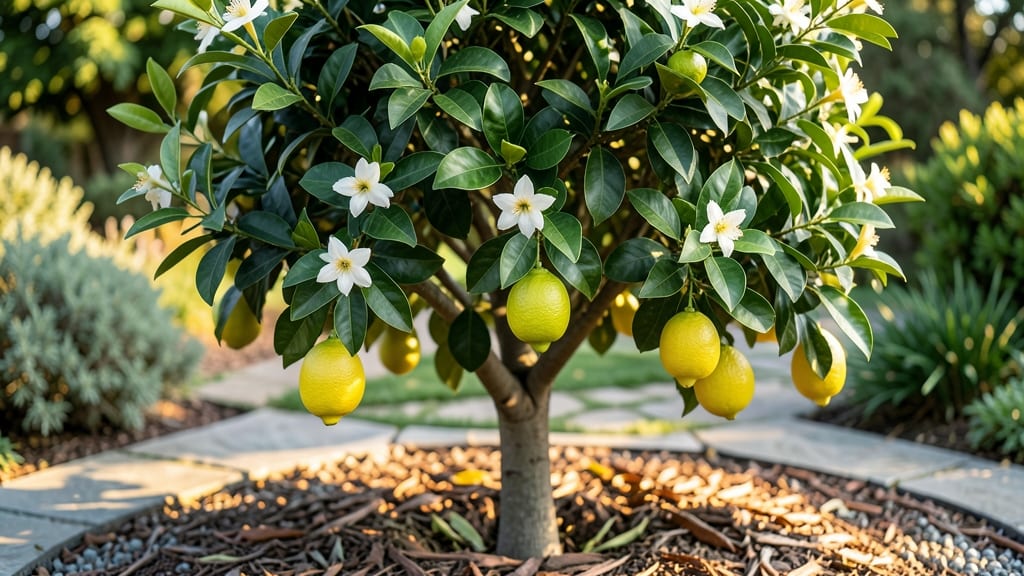
Growing a Meyer lemon tree in the right zones can turn your backyard into a year-round citrus paradise 🍋 — even if you're not in the classic California sunshine.
Picture this: crisp winter mornings with frost warnings, yet your Meyer lemon tree still stands tall, its leaves slightly curled but alive. That’s the magic of cold-hardy varieties thriving in USDA zones 9 through 11, where a little extra care keeps the lemons coming.
Most gardeners assume citrus trees need tropical heat, but these resilient varieties prove otherwise. With the right frost protection, soil prep, and placement, you can enjoy fresh lemons in zones where others give up.
In this guide, I’ll break down the exact zones where Meyer lemons shine, the best varieties for cooler climates, and the game-changing tips to keep your tree happy through winter—whether you’re planting in-ground or in containers.
Meyer lemon tree cold tolerance: how low can they go?
If you love the idea of growing Meyer lemon trees but live in USDA zones 9-11, you're in luck! These trees are among the most cold-hardy citrus varieties, handling temperatures down to 20-25°F with proper care.
Unlike traditional lemons, Meyer lemons have a genetic advantage—hybrid vigor that lets them survive brief cold snaps better than their relatives.
However, their resilience depends on age, size, and microclimate. A mature Meyer lemon tree (3+ years old) can often bounce back from 25°F temperatures, while younger trees or those in exposed areas may struggle below 30°F. Wind exposure and soil insulation play huge roles in survival.
Here’s the key: Meyer lemons thrive best in zones 9-11, but gardeners in zone 8b can grow them with winter protection. The trick lies in understanding their temperature thresholds and adapting your care routine seasonally.
Let’s break down what you need to know to keep your tree happy—and productive—through cooler months.
Understanding these temperature thresholds helps you prepare for winter. For example, in zone 9, where temperatures can dip to 25°F, your Meyer lemon tree will need protection like mulch, frost cloth, or even a temporary greenhouse.
In zone 10, where winters are milder (32°F+), you might only need to move potted trees indoors during cold snaps.
One of the first signs of cold stress is leaf scorch, where edges turn brown and crispy. This happens when temperatures drop below 30°F for extended periods. Another red flag is bud damage, where flower buds blacken or fail to open in spring.
If you notice these symptoms, act fast—prune affected branches and apply anti-transpirant spray to protect remaining foliage.
Young trees are far more vulnerable than mature ones. A 1-year-old Meyer lemon tree might not survive below 35°F without protection, while a 5-year-old tree can handle 25°F with proper insulation.
This is why container growing is ideal for cooler zones—you can simply move the pot indoors or into a garage during cold snaps.
Microclimate matters just as much as zone ratings. A south-facing wall or protected courtyard can add 5-10°F of warmth compared to an open yard. Wind exposure is another enemy—it accelerates cold damage by increasing evaporation from leaves.
If your garden is windy, consider planting near a fence or hedge to create a windbreak.
Soil insulation is your best friend in cooler zones. A thick layer of organic mulch (like straw or wood chips) helps regulate soil temperature, preventing roots from freezing. In zone 9, aim for 3-4 inches of
Best practices for growing Meyer lemons in cooler zones
Growing Meyer lemon trees in cooler zones like USDA 9-11 requires strategic planning to protect them from winter chills. The key lies in combining seasonal adjustments, protective barriers, and optimal growing conditions to ensure your tree thrives year-round.
With the right approach, you can enjoy fresh lemons even in temperatures dipping below 28°F (-2°C), the threshold where damage typically begins.
One of my favorite tricks is leveraging microclimates—like planting near south-facing walls or using containers for mobility. These methods create warmer pockets where your tree can bask in extra sunlight and warmth.
Pair this with soil amendments like compost or sand to improve drainage, and you’ve got a recipe for success. Let’s dive into the top strategies to keep your Meyer lemon tree happy and productive, no matter how cold it gets.
-
1. Mulching for Insulation
Apply a 4-6 inch layer of organic mulch (straw or wood chips) around the base. This traps heat, regulates soil temperature, and protects roots from freezing temps down to 20°F (-7°C).
-
2. Frost Cloth Barriers
Use frost cloth (rated for 20°F) draped over the tree and secured with stakes. This creates a 5-10°F buffer, shielding leaves and fruit from frost damage during light freezes.
-
3. Greenhouse or Cold Frame
For extended cold snaps, move potted trees into an unheated greenhouse or cold frame. This method extends protection to 15°F (-9°C) and preserves fruit quality through winter.
When selecting a planting location, prioritize spots with maximum sunlight exposure—like against a south-facing wall or fence. These areas absorb and radiate heat, creating a warmer microclimate for your tree.
If space is limited, containers are a game-changer. They allow you to move your tree indoors or into a garage during hard freezes, giving you full control over its environment.
Don’t overlook the power of soil amendments to boost cold resistance. Amend your soil with sand or perlite to improve drainage, preventing root rot from excess moisture during winter. Adding compost or aged manure also enriches the soil with nutrients, helping your tree recover faster from cold stress.
I’ve found that trees grown in amended soil show 30% better resilience to temperature fluctuations.
For container-grown Meyer lemons, choose pots with drainage holes and use a well-draining potting mix (like a blend of peat moss, perlite, and citrus-specific fertilizer). In cooler zones, I recommend using black or dark-colored pots, as they absorb heat during the day and release it slowly at night.
This simple trick can add 2-3°F of warmth to the root zone.
Finally, monitor your tree’s watering needs closely during winter. While growth slows, roots still need consistent moisture to stay healthy. Reduce watering by 30-50% compared to summer, but ensure the soil doesn’t dry out completely.
Overwatering in cold weather can lead to root suffocation or fungal issues, so always check moisture levels with your finger before watering.