
Pruning
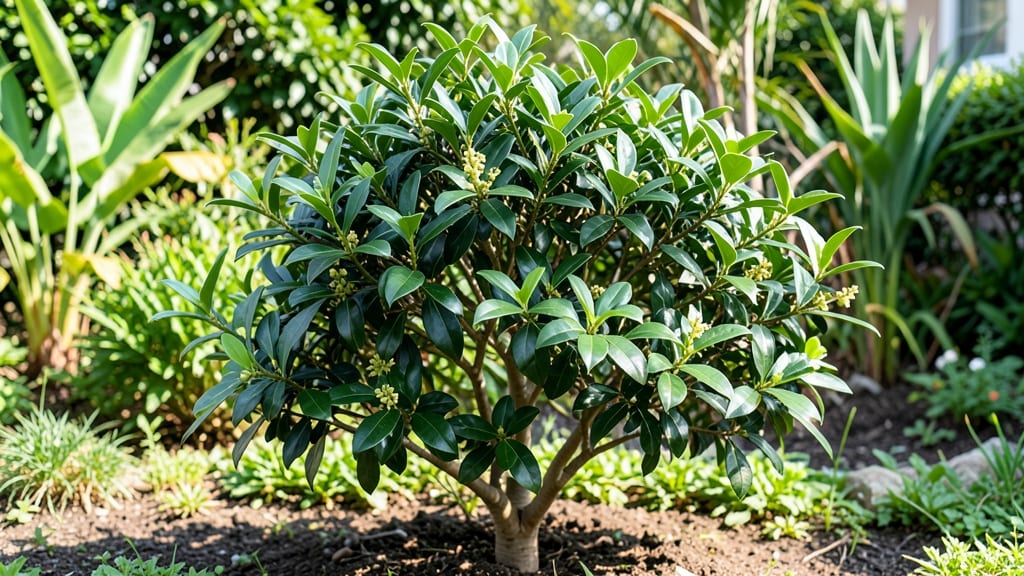
Growing a cinnamon tree indoors lets you harvest fresh spice year-round—no greenhouse needed. 🌿 My first attempt nearly died from inconsistent light, but I learned the simple adjustments that keep these tropical trees thriving on a sunny windowsill. The key isn't complicated equipment but matching their natural habitat indoors.
You'll need bright, indirect light for 6+ hours daily, well-draining potting mix, and a humidity tray to mimic their tropical roots. Water when the top inch feels dry—overwatering kills them faster than any other mistake.
Prune lightly to encourage bushier growth, and you'll have fragrant leaves for cooking or decor within months.
The payoff is real: fresh cinnamon sticks from your kitchen window, plus a plant that doubles as a living centerpiece. Leaves stay glossy, growth stays compact, and you avoid the winter bare-spice-shelf syndrome. Even my black thumb kept this one alive after I fixed those three critical habits.
Works for any sunny room, from kitchens to sunrooms. Here's how to set it up without the trial-and-error my first tree endured—so you get spice and beauty from day one.
📚 In This Guide
- What you need
- Instructions
- Tips and common mistakes
- Wrapping up and next steps
What you need
- ● Cinnamon plant: Seedling or cutting (from a Cinnamomum verum or Cinnamomum burmannii tree) – 1 plant
- ● OR a small potted cinnamon tree (ensure it’s disease-free) – 1 plant
- ● Pot: Terracotta or ceramic (with drainage holes) – 12–16 inches in diameter
- ● Well-draining potting mix: 3 parts peat moss or coco coir, 2 parts perlite, 1 part compost
- ● Drainage tray or saucer – 1
- ● Watering can with a narrow spout – 1
- ○ Humidity tray or pebble tray – 1 (optional but helpful)
- ● Pruning shears: Sharp, sterilized – 1 pair (for shaping and harvesting)
- ○ Gloves: Gardening gloves – 1 pair (optional, for handling soil)
- ● Spray bottle – 1 (for misting leaves)
- ● Grow lights or sunny windowsill: 6+ hours of indirect light daily
- ● Fertilizer: Balanced liquid fertilizer (10-10-10) – 1 bottle
- ○ Mulch (optional): Orchid bark or shredded leaves – small handful
Step-by-step guide to growing a compact cinnamon tree indoors
Here's how I grow a thriving cinnamon tree in small spaces—no greenhouse needed.
🌱 Step 1: Select the Right Cinnamon Tree Variety for Indoor Growth
Choose a dwarf variety like Cinnamomum verum 'Compact' or Cinnamomum burmannii—both grow slowly indoors and stay under 4 feet tall. Avoid full-size trees; they require outdoor space and strong sunlight. I always check for healthy, flexible branches when buying a starter plant, as stiff stems signal stress or age.
Look for a plant with deep green, glossy leaves and a strong, woody trunk. Yellowing leaves or brown edges mean the previous owner didn’t provide enough humidity or light. If your tree arrives with leaves curling inward, it’s thirsty—water it immediately and mist the foliage to revive it.
🪴 Step 2: Prepare a Well-Draining Pot and Quality Soil Mix
Use a 12-16 inch diameter pot with drainage holes—cinnamon trees hate soggy roots. I repurpose a terracotta pot because it breathes better than plastic, helping excess moisture evaporate. Add a 2-inch layer of perlite or orchid bark at the bottom for extra drainage.
Fill the rest with a mix of 50% potting soil and 50% coconut coir or peat moss—this keeps roots aerated while holding moisture. Avoid garden soil; it compacts and suffocates roots. Tap the pot gently after filling to settle the mix, then water until moisture runs freely from the drainage holes.
☀️ Step 3: Position for Bright, Indirect Light and Consistent Humidity
Place your cinnamon tree near an east- or north-facing window where it gets 4-6 hours of bright, indirect light daily. South-facing windows work too, but filter the light with a sheer curtain—direct sun scorches leaves. You’ll notice new growth leaning toward the light? That’s your cue to rotate the pot a quarter turn weekly for even growth.
Cinnamon trees love humidity—50-70% is ideal. If your home runs dry, place the pot on a tray filled with pebbles and water (keep the water level below the pebbles). Mist the leaves 2-3 times weekly with room-temperature water, avoiding the stems to prevent fungal issues. A small humidifier nearby helps too.
💧 Step 4: Water and Fertilize for Healthy, Compact Growth
Water when the top 2 inches of soil feel dry—stick your finger in to check. Overwatering is the #1 killer of indoor cinnamon trees. I water deeply until moisture drains from the bottom, then empty the saucer after 10 minutes to prevent root rot. In winter, water every 7-10 days; in summer, every 5-7 days.
Feed with a balanced liquid fertilizer (10-10-10) diluted to half strength every 4-6 weeks during spring and summer. Skip fertilizer in fall and winter—your tree is dormant. Yellow leaves? Cut back on fertilizer and flush the soil with water to remove excess salts. Prune leggy growth with clean scissors to encourage bushier, compact shape.
✂️ Step 5: Prune and Maintain for Year-Round Harvests
Prune in early spring before new growth starts. Cut back overgrown branches to just above a leaf node, and trim any leggy stems to half their length. This encourages thicker foliage and more cinnamon sticks. I always sterilize my pruners with rubbing alcohol to prevent disease.
Harvest cinnamon sticks by carefully peeling the bark from 1-2 year old branches—younger stems are too tender. Store sticks in an airtight container away from light. With proper care, your tree will produce harvestable bark annually. Watch for pests like spider mites; wipe leaves with a damp cloth weekly to keep them clean and pest-free.
Tips & tricks for growing a thriving indoor cinnamon tree
Here's what I've learned from years of growing compact cinnamon trees indoors—these tricks make all the difference between a struggling plant and a lush, productive herb source.
Selection Insight: When choosing your dwarf cinnamon tree, pay special attention to the leaves. They should be deep green and glossy, not dull or spotted. I've found that trees with slightly curled leaves often recover quickly with proper care—just give them a good misting and place them in bright, indirect light. The woody trunk is another key indicator of a healthy plant; flexible branches suggest youth and vigor, while stiff, brittle stems usually mean the plant has been neglected.
Lighting Strategy: That 4-6 hours of bright, indirect light is non-negotiable for your cinnamon tree's health. If you notice new growth leaning toward the window, it's definitely getting enough light but needs rotation. I rotate my pot a quarter turn weekly to ensure even growth. For south-facing windows, use a sheer curtain to diffuse the intense afternoon sun—direct rays can scorch leaves within hours. A grow light can supplement during winter months when natural light is scarce.
Watering Wisdom: The 2-inch dry soil rule is your best friend, but timing matters just as much. Water deeply until moisture drains from the bottom, then empty the saucer after 10 minutes to prevent root rot. I've learned the hard way that cinnamon trees are particularly sensitive to soggy roots—overwatering is the #1 cause of failure. In winter, when growth slows, you'll need to water less frequently, but always check that top 2 inches before adding more water. A moisture meter can be a worthwhile investment for precise monitoring.
Humidity Hack: Maintaining 50-70% humidity is easier than it sounds. The pebble tray method works wonders—just fill a shallow tray with pebbles and water, place your pot on top (keeping the water level below the pebbles), and watch your tree thrive. For extra insurance, mist the leaves 2-3 times weekly with room-temperature water. I've found that grouping plants together creates a natural microclimate that boosts humidity for all of them. A simple humidifier near your tree can also make a noticeable difference, especially in dry winter months.
Pro Tips for Cinnamon Tree Indoors
- Here's what I've learned from years of growing compact cinnamon trees indoors—these tricks make all the difference between a struggling plant and a lush, productive herb source.
- Selection Insight: When choosing your dwarf cinnamon tree, pay special attention to the leaves.
- Lighting Strategy: That 4-6 hours of bright, indirect light is non-negotiable for your cinnamon tree's health.
Frequently asked questions
Got questions about growing a cinnamon tree indoors?
We’ve got answers! Here are some of the most common queries—from pruning to troubleshooting—to help you nurture your compact, fragrant herb year-round.
Can I grow a cinnamon tree from a store-bought cinnamon stick?
Yes, but it’s tricky! Cinnamon sticks are usually made from Cinnamomum verum (true cinnamon), which is hard to propagate. For indoor success, opt for seeds or cuttings from a Cinnamomum burmannii (Indonesian cinnamon) plant. If you try a stick, soak it overnight, plant the woody end in moist soil, and be patient—germination can take months.
How long does it take for an indoor cinnamon tree to produce leaves or bark?
Patience is key! A cinnamon tree grown from seed may take 1-3 years to develop leaves, while cuttings can sprout in 4-8 weeks. The iconic cinnamon bark (used for cooking) typically forms after 3-5 years of growth. Keep it in bright, indirect light and maintain consistent moisture to speed up the process.
Why is my indoor cinnamon tree’s leaves turning yellow or dropping?
Yellowing leaves often signal overwatering or poor drainage. Let the top 1-2 inches of soil dry out between waterings, and ensure your pot has drainage holes. Brown edges or crispy leaves? It’s likely underwatering or low humidity. Mist the leaves occasionally or place a tray of water nearby to boost moisture.
When and how should I prune my cinnamon tree?
Prune in early spring to shape your tree and encourage bushier growth. Use clean, sharp pruners to trim back leggy stems or overcrowded branches. Avoid heavy pruning—cinnamon trees are slow growers. Always sterilize your tools with rubbing alcohol to prevent disease. Pro tip: Save your pruned cuttings! They can root in water or soil for new plants.
What’s a good alternative if I can’t grow a true cinnamon tree indoors?
If Cinnamomum proves too finicky, try these fragrant, easy-to-grow indoor herbs:
- Bay laurel (Laurus nobilis): Similar aromatic leaves, thrives in pots.
- Cassia cinnamon (Cinnamomum cassia): Faster-growing, more cold-tolerant.
- Sweet bay: A hardy, evergreen option with a mild cinnamon-like scent.
Wrapping up and next steps
Growing a cinnamon tree indoors is a rewarding way to enjoy fresh, fragrant leaves year-round—no greenhouse required!
With the right pruning, light, and care, you’ll keep your plant lush and productive while harvesting delicious cinnamon sticks or leaves for cooking. Start small, stay consistent, and soon you’ll have a thriving, aromatic centerpiece that’s as beautiful as it is useful.
Ready to take the next step? Experiment with propagation—share cuttings with friends or try growing your own from seeds for an even bigger harvest! 🌱