
Pruning
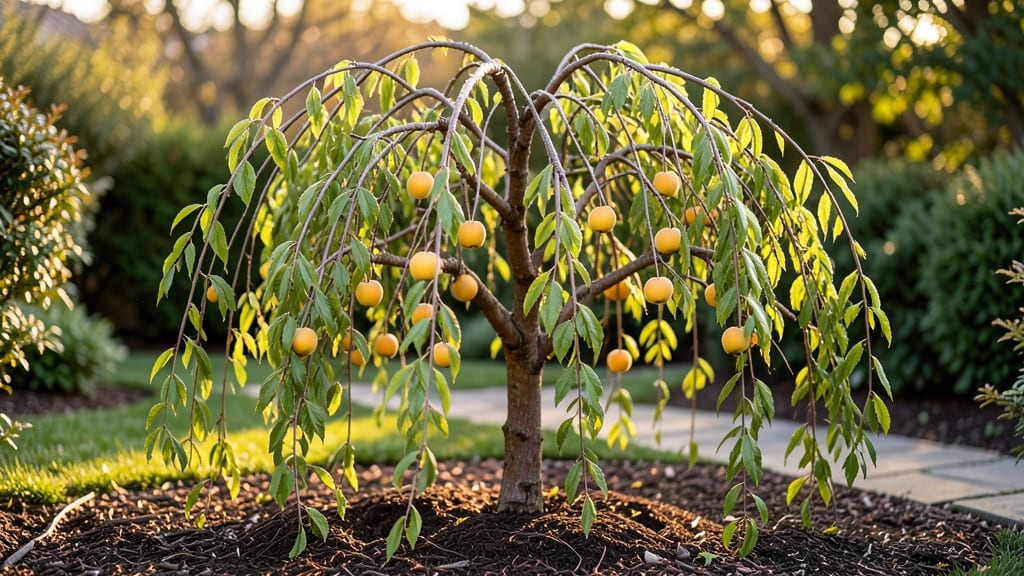
Growing a weeping peach tree in the right zone transforms your garden into a living sculpture with sweet rewards. 🌸 These trees thrive best in USDA zones 5 through 9, where they bask in warm summers and gentle winters—just enough chill to set fruit while avoiding frost damage to delicate branches.
My first weeping peach nearly died in zone 4’s harsh winters, but once moved to zone 6, it became the centerpiece of my backyard, dripping with blossoms and fruit every spring.
The secret to their graceful form lies in pruning during late winter or early spring, before buds swell. You’ll shape those cascading branches by removing crossing limbs and thinning dense growth—think of it as sculpting a living waterfall.
Container growing is possible in warmer zones, but outdoor planting gives roots the space to establish deep, sturdy systems that support heavy fruit loads. Just avoid low-lying spots where cold air pools, or you’ll risk winter damage.
By summer, you’ll be harvesting peaches that drip from branches like nature’s chandelier. The fruit is sweeter than standard peaches, with a tender texture perfect for fresh eating or preserves. My tree produces enough for neighbors to ask for seconds, and the blossoms attract pollinators for weeks.
The trade-off? They need full sun—at least 6 hours daily—and well-draining soil to prevent root rot.
Regional tweaks matter: Southern gardeners should prune later to avoid spring frosts, while Northern growers might need winter protection for young trees. Whether you’re in the Deep South or Pacific Northwest, these trees reward patience with both beauty and bounty.
Start with a young tree from a reputable nursery, and you’ll have a fruit-bearing masterpiece in just a few years.
📚 In This Guide
- What you need
- Instructions
- Tips and common mistakes
- Wrapping up and next steps
What you need
- ● Pruning shears: Bypass pruners (sharp, clean, and disinfected with rubbing alcohol or a 10% bleach solution). Quantity: 1 pair.
- ● Loppers: For thicker branches (1.5"–2" diameter). Quantity: 1 pair.
- ○ Pruning saw: For branches >2" in diameter. Quantity: 1 (optional but helpful).
- ● Gloves: Heavy-duty gardening gloves (cut-resistant for safety). Quantity: 1 pair.
- ● Disinfectant: 70% isopropyl alcohol or bleach solution (1 part bleach to 9 parts water). Quantity: Small spray bottle or rag.
- ○ Sealing wax: Pruning sealant (optional, for larger cuts). Quantity: Small container.
- ● Twine or zip ties: For temporary support if needed. Quantity: Small roll.
- ○ Pruning paint: (Optional) For sealing cuts >0.5" in diameter. Quantity: Small bottle.
- ● Weather check: Prune on a dry, cloudy day (avoid frost or extreme heat).
- ● Tree health assessment: Inspect for pests/diseases (e.g., peach leaf curl, borers). Pro tip: 💡 Act now if issues are spotted!
- ● Safety gear: Safety glasses (to shield from debris) and long sleeves/pants.
- ● Cleanup supplies: Trash bag (for pruned branches) and a bucket of soapy water (to clean tools).
- ● Ladder: Sturdy, extendable ladder (if tree is >6 ft tall).
- ● Tree ties: Soft fabric ties for supporting new growth.
- ● Notebook/pencil: To sketch your pruning plan or note branch directions.
- ● Fertilizer: Balanced 10-10-10 or organic compost (for post-pruning nourishment).
Step-by-step guide to pruning a weeping peach tree
Transform your peach tree into a stunning, fruiting masterpiece with these simple pruning techniques.
✂️ Step 1: Identify and Remove Dead or Diseased Branches
Start by inspecting your weeping peach tree from top to bottom. Look for branches that are completely brown, brittle, or devoid of leaves—these are dead and must go. Use clean, sharp pruning shears to cut these branches back to the main trunk or a healthy lateral branch. This isn’t just about looks; removing dead wood prevents disease from spreading to healthy parts of the tree.
Next, check for any branches with signs of disease, like oozing sap, fungal growth, or unusual spots on the leaves. Cut these out immediately, making your cuts about ½ inch above a healthy bud or branch. Always sterilize your tools with rubbing alcohol between cuts to avoid cross-contamination. You’ll know you’re on the right track when the tree’s structure starts looking open and airy.
✂️ Step 2: Shape the Tree’s Natural Weeping Form
Weeping peach trees are all about elegance, so your goal is to enhance their natural, cascading shape. Begin by focusing on the main branches that form the tree’s canopy. Prune back any branches that are growing too upright or competing with the tree’s graceful droop. Aim to create a balanced, tiered look, with longer branches at the top gradually shortening as they cascade downward.
Use your shears to trim back any overly long branches by about ⅓ of their length, cutting just above a outward-facing bud. This encourages new growth in the right direction and maintains the tree’s weeping silhouette. Avoid cutting into the center of the tree—this keeps air circulating and reduces the risk of fungal issues. Think of it like sculpting: you’re guiding the tree’s natural form, not forcing it into an unnatural shape.
☀️ Step 3: Thin Out Crowded Branches for Better Airflow
Peach trees thrive when they have plenty of airflow, so it’s time to thin out any branches that are growing too closely together. Look for branches that are rubbing against each other or growing directly toward the center of the tree. These are the ones to remove entirely, cutting them back to a healthy lateral branch or the main trunk. This step is crucial for preventing disease and ensuring your tree produces abundant, high-quality fruit.
Pay special attention to the lower branches. While weeping peach trees are stunning when allowed to cascade, you’ll want to remove any branches that grow too low to the ground. These are more susceptible to damage from lawn equipment or pests. Aim to keep the lowest branches about 3-4 feet off the ground for easy maintenance and a polished look. You’ll notice a difference right away—the tree will look lighter, more open, and far healthier.
⏰ Step 4: Prune for Fruit Production and Future Growth
To encourage a bountiful harvest, focus on pruning branches that are overcrowded or producing too many fruits in one area. Thin out clusters of fruit so that each branch supports only a few, leaving plenty of space for the remaining fruits to grow large and sweet. This also reduces the weight on individual branches, preventing them from breaking under the load.
Next, look for any branches that are growing too vigorously or are crossing over others. These should be pruned back to encourage a more balanced growth pattern. Make your cuts just above a bud that’s facing outward or upward. This ensures new growth will continue to enhance the tree’s weeping form. Prune during the late winter or early spring, just before the tree starts to bud, for the best results. You’ll see stronger, more productive growth in the coming seasons.
🌿 Step 5: Clean Up and Monitor Your Tree
After pruning, gather all the clippings and dispose of them properly. If any branches show signs of disease, bag them separately and discard them in the trash—not the compost. This prevents the spread of pathogens to other parts of your garden. Once the area is clear, give your tree a light watering to help it recover from the pruning process.
Keep an eye on your weeping peach tree in the weeks following pruning. Watch for any signs of stress, like wilting leaves or unusual discoloration. If you notice anything out of the ordinary, address it quickly—whether it’s adjusting watering habits or treating for pests. With proper care, your tree will reward you with stunning branches and delicious fruit for years to come. You’ve just given it a fresh start!
Tips & tricks for pruning a weeping peach tree
Here's what I've learned from years of shaping these graceful trees—tricks that'll keep your peach tree looking elegant while maximizing fruit production.
Tool Prep is Everything: Before you start, sharpen your pruning shears so they make clean cuts—dull blades crush branches instead of cutting them cleanly. I also recommend using a small brush to clean the tools between cuts, especially when removing diseased branches. This prevents spreading pathogens from one cut to the next. Sterilizing with rubbing alcohol is great, but don't skip the physical cleaning too!
The ⅓ Rule for Shaping: When pruning in Step 2 to shape your tree's weeping form, never remove more than one-third of any branch's length at once. This ⅓ guideline prevents shock to the tree while still allowing you to guide its natural cascade. For thicker branches, consider making multiple cuts over several seasons rather than one aggressive pruning session.
Bud Direction Matters: Always cut just above an outward-facing bud when shaping branches. This simple detail ensures new growth will continue the tree's elegant droop rather than growing inward or upward. I've seen too many trees end up with awkward growth patterns because people ignored this small but critical detail. Take your time to identify the right bud before making each cut.
Seasonal Timing Secret: Late winter or early spring is ideal for pruning, but if you must prune at other times, avoid heavy pruning during extreme heat or cold. The tree needs to recover quickly, and summer pruning can stress the tree while it's already working hard to produce fruit. If you notice a branch growing in an awkward direction during summer, you can make light pruning adjustments—but don't do major shaping work.
Pro Tips for Weeping Peach Tree Zone
- Here's what I've learned from years of shaping these graceful trees—tricks that'll keep your peach tree looking elegant while maximizing fruit production.
- Tool Prep is Everything: Before you start, sharpen your pruning shears so they make clean cuts—dull blades crush branches instead of cutting them cleanly.
- The ⅓ Rule for Shaping: When pruning in Step 2 to shape your tree's weeping form, never remove more than one-third of any branch's length at once.
Frequently asked questions
When is the best time to prune a weeping peach tree for fruit production?
The ideal window is late winter or early spring (before buds swell but after the worst cold snaps). This balances structural shaping with fruit bud preservation. Avoid pruning in fall—it risks bacterial canker from lingering moisture. Pro tip: Prune on a dry, sunny day to speed wound healing.
How much can I trim back a weeping peach tree without harming it?
For established trees, never remove more than 25% of the canopy in one season. Weeping varieties are delicate—focus on thinning (removing entire branches) rather than topping. Aim to open the center for airflow and sunlight while preserving the tree’s graceful silhouette. Young trees can handle slightly more aggressive pruning to encourage branching.
Why aren’t my weeping peach branches producing fruit after pruning?
Fruit production hinges on light exposure and balanced growth. If branches are too dense or shaded, buds may fail to set fruit. Check for:
- Sufficient sunlight (6+ hours daily)
- Proper pruning cuts (just outside the branch collar)
- Age of the tree (young trees <3 years may not fruit)
Are there alternatives to pruning if my weeping peach tree is already overgrown?
If pruning feels overwhelming, try gradual renewal pruning: Remove 1-2 older branches per year (prioritize thick, crossing, or dead wood). For severe overgrowth, consult an arborist—some trees may need pollarding (drastic cuts to encourage new growth). Always sterilize tools between cuts to prevent disease!
What should I do if my weeping peach tree starts bleeding sap after pruning?
Sap bleeding is normal but can attract pests. To minimize it:
- Prune on dry days (avoid rainy weather)
- Use sharp tools for clean cuts (prevents tearing)
- Seal cuts (optional) with pruning sealant only if the tree is stressed or in a humid climate.
Wrapping up and next steps
Transforming your weeping peach tree into a stunning, fruit-bearing masterpiece is entirely within reach! By mastering the art of strategic pruning—focusing on open-center shaping, water sprout control, and seasonal timing—you’ll unlock both beauty and bounty.
Remember, patience and precision are your best tools; each cut is a step toward a healthier, more graceful tree. 🌿✨
Ready to roll up your sleeves? Grab your pruners and schedule your first pruning session this winter—the perfect time to shape your tree’s future. And if you’re new to pruning, start small: watch a few tutorials or join a local gardening group for hands-on guidance.
Your tree (and future harvests!) will thank you!