
Diseases
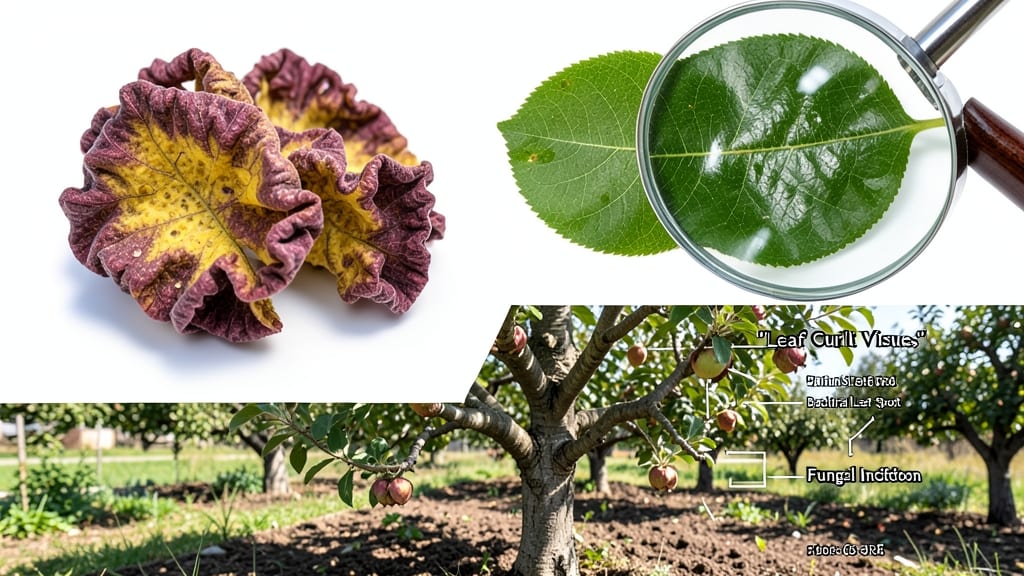
Your apple tree’s crinkled, puckered leaves aren’t just unsightly—they’re a red flag for leaf curl disease. 🌿 I’ve watched this stubborn fungal infection ruin harvests if left unchecked, but I’ve also learned how to stop it before it spreads.
The key is spotting the symptoms early: thickened, curled leaves by spring, followed by stunted growth and fewer fruits.
This disease thrives in wet springs and crowded orchards, but the good news is it’s preventable. Prune infected branches in dry weather, apply copper fungicide at bud break, and thin your trees for better airflow.
Organic options like neem oil also work well when used consistently. The sooner you act, the more fruit your tree will produce next season.
Even if your tree looks hopeless now, don’t give up. With proper care, affected branches can recover, and new growth will be disease-free. The worst-case scenario is a tree that never fully rebounds—but most respond well to 3-5 years of diligent treatment.
Think of it as a long-term investment in your orchard’s health.
For those worried about chemical use, organic methods like compost tea and proper sanitation (removing fallen leaves) can drastically reduce outbreaks. The goal isn’t perfection—it’s managing the disease so your tree stays productive. Let’s get your apple tree back on track!
Root Causes Of Apple Leaf Curl
Leaf curl in apple trees—often caused by Venturia inaequalis (apple scab) or Taphrina deformans (apple leaf curl)—isn’t just a random blight. It’s the result of a perfect storm of biological, environmental, and horticultural factors.
Understanding these triggers is key to stopping the problem before it spreads. Let’s break down the science behind why your apple tree’s leaves are curling, yellowing, or developing unsightly lesions.
Fungal pathogens like Taphrina deformans (leaf curl) and Venturia inaequalis (apple scab) are the primary culprits. Here’s how they exploit your tree:
- Overwintering spores: Fungal spores survive winter in infected leaves, bark crevices, or even fallen debris. When spring arrives, they germinate and infect new leaves as soon as they emerge—often before you even notice fresh growth. Taphrina thrives in cool, wet conditions, while Venturia prefers damp, humid environments.
- Weakened tree defenses: Stress from drought, poor soil nutrition, or physical damage (like hail or improper pruning) makes trees more susceptible. A healthy tree can resist mild infections, but chronic stress opens the door to full-blown outbreaks.
- Rapid leaf expansion: Young, tender leaves are prime targets because their thin cell walls make it easy for fungal hyphae (root-like structures) to penetrate. Taphrina infects through stomata (pores), while Venturia exploits wounds or natural openings.
💡 Pro Tip: Remove and destroy last year’s fallen leaves and mummified fruit in fall—this slashes spore populations by up to 70%. Burn or compost only if your compost pile reaches 140°F+ for 3+ days.
Fungal diseases thrive when weather conditions align like a recipe for disaster. Here’s what sets the stage:
| Disease | Trigger Conditions | Why It Matters |
|---|---|---|
| Taphrina deformans (Leaf Curl) | Cool (50–60°F), wet springs with frequent fog or dew | Spore germination and infection peak when leaves are damp for 6+ hours daily. Ideal for curling and thickening leaves. |
| Venturia inaequalis (Apple Scab) | Warm (60–70°F), humid weather with leaf surfaces staying wet for 9+ hours | Scab spores need free moisture to release and infect. Rain splashing spores onto leaves accelerates outbreaks. |
🌡️ Key Insight: If your region has consistent spring rains (like the Pacific Northwest or parts of the Midwest), you’re in a high-risk zone. Monitor weather forecasts and apply preventatives before rain events.
A tree fighting internal battles is an easy target. These common stressors invite fungal infections:
- Nutrient deficiencies:
- Low nitrogen (N) = pale, weak leaves (fungi love this).
- Zinc or boron deficiencies = stunted growth, making leaves less resilient.
- Compacted or waterlogged soil: Roots struggle to absorb oxygen, weakening the tree’s immune response. Fungal pathogens exploit this by colonizing stressed roots first.
- Improper pruning:
- Cutting too late in the season (after Venturia spores are active) creates entry points.
- Leaving stubs or jagged cuts slows healing, inviting infections.
- Pests as gatekeepers: Sap-sucking insects (like aphids or mites) damage leaves, creating wounds that fungi exploit. Even spider mites can stress trees enough to lower resistance.
💪 Actionable Fix: Conduct a soil test (via your local extension office) and amend with compost or well-rotted manure in fall. Mulch with wood chips (not fresh sawdust) to improve soil structure and moisture retention.
Not all apple varieties are equally vulnerable. Taphrina deformans and Venturia inaequalis have favorite targets:
- High-risk varieties:
- McIntosh, Red Delicious, and Golden Delicious are highly susceptible to leaf curl and scab.
- Granny Smith and Fuji show moderate resistance but can still fall victim in poor conditions.
- Resistant varieties:
- Liberty, Akane, and Enterprise are bred for disease resistance—ideal for organic growers.
- Heirloom varieties (like Ashmead’s Kernel) may have natural tolerance but require vigilance.
🌱 Plant Smart: If you’re in a high-risk area, choose resistant rootstocks (e.g., M.9 or MM.106) combined with disease-resistant scions. Grafting can also upgrade a susceptible tree’s defenses.
Fixing Leaf Curl in Apple Trees
Leaf curl diseases may sound intimidating, but with the right approach, you can restore your apple tree’s health—and prevent future outbreaks. Below are targeted solutions for each cause, along with practical prevention tips to keep your tree thriving.
Whether you’re dealing with fungal infections, viral issues, or environmental stress, these steps will help you turn things around without harsh chemicals.
Fungal leaf curl is the most common cause, and early action is key to stopping it from spreading.
🔥 Step 1: Prune Infected Leaves Immediately
- 👨🍳 Remove and destroy all curled, spotted, or discolored leaves—do not compost them.
Place them in a sealed bag and toss in the trash (or burn them if possible). - ✂️ Focus on lower branches first, where spores often gather. Use sterilized pruners (wipe with rubbing alcohol between cuts) to avoid spreading spores.
🌡️ Step 2: Apply Organic Fungicides
Once pruning is done, prevent further spread with these DIY-friendly treatments: - Neem oil spray: Mix 1 tbsp neem oil + 1 tsp mild soap + 1 quart water.
Spray early morning or late evening (avoid direct sunlight). Reapply every 7–10 days until new leaves emerge. - Baking soda solution: Combine 1 tbsp baking soda + 1 tsp horticultural oil + 1 gallon water.
Spray weekly—this raises leaf pH, making it harder for fungi to latch on. - Copper fungicide: Use organic copper-based sprays (like Bonide Copper Fungicide) before bud break in early spring. Follow label instructions carefully.
💡 Pro Tip:
🌿 Time your treatments right! Apply fungicides before wet weather hits, as moisture fuels fungal growth. A lightweight row cover over young trees during rainy seasons can also help.
If aphids or mites are the culprits, controlling pests is your first line of defense.
🔪 Step 1: Knock Out the Pests
- 🕷️ Use insecticidal soap or horticultural oil to kill aphids and mites. Spray directly on undersides of leaves where they hide.
Reapply every 5–7 days until pests are gone. - 🐝 Introduce beneficial insects: Ladybugs, lacewings, and parasitic wasps devour aphids naturally.
Buy them online or attract them with dill or fennel plants nearby. - 🌊 Blast them off: For severe infestations, hose down the tree with a strong stream of water to dislodge pests.
🛡️ Step 2: Protect New Growth
- 🍃 Cover young trees with fine mesh netting (like tulle) to block aphids from laying eggs.
- 🌱 Monitor regularly: Check for sticky residue (honeydew)—a sign of aphids—and treat immediately.
⚠️ Warning:
Viral infections often have no cure—focus on preventing spread to other trees. If your tree is severely stunted, consider replacing it to avoid infecting nearby orchards.
Cold snaps, heatwaves, or poor soil can trigger leaf curl. Adjusting care can reverse the damage.
💧 Step 1: Adjust Watering
- 🌧️ Too much water? Let soil dry slightly between waterings. Mulch heavily (3–4 inches of wood chips) to retain moisture without soggy roots.
- ☀️ Too little water? Deep-water once a week (1–2 inches per week).
Use drip irrigation to avoid wetting leaves (which spreads fungus).
🌱 Step 2: Boost Soil Health
- 📊 Test your soil (kit from a garden center). Apple trees thrive in slightly acidic soil (pH 6.0–6.5). Amend with compost or peat moss if needed.
- 🍄 Add mycorrhizal fungi: These beneficial microbes improve root health and stress resistance.
Mix into soil at planting or during spring.
🌿 Step 3: Shield from Extreme Weather
- 🏔️ Late frosts? Cover trees with frost cloth at night.
- 🔥 Heatwaves? Provide afternoon shade with a lightweight shade cloth (30–50% block).
- 💨 Wind damage? Wrap young trees in tree guard or burlap to prevent leaf tear.
The best cure? Stop it before it starts. Follow these year-round habits:
| Season | Prevention Task | How to Do It |
|---|---|---|
| Early Spring | Dormant spray | Apply neem oil or copper fungicide before buds swell. |
| Spring | Sanitation | Remove all fallen leaves from last year. |
| Summer | Pest patrol | Check leaves weekly for aphids/mites. |
| Fall | Soil prep | Add compost and mulch before winter. |
| Winter | Tree inspection | Look for cracks or damaged bark—seal with pruning wax if needed. |
✨ Bonus Tip:
🌟 Plant resistant varieties! If leaf curl is a recurring issue, consider disease-resistant apple trees like:
- Liberty
- Enterprise
- Akane
Reviving an apple tree takes time and consistency, but with these steps, you’ll see healthier leaves, more blossoms, and better fruit in just one growing season. Start today—your tree’s future starts with action! 🍏🌱
Frequently asked questions
Can leaf curl disease kill my apple tree?
Leaf curl itself rarely kills mature apple trees, but severe, repeated infections can weaken the tree over time, reducing fruit production and making it more vulnerable to other diseases. The key is early intervention—prune infected branches and apply fungicides before spores spread. With proper care, most trees recover and produce fruit within 2-3 years.
How do I tell if it's leaf curl or just normal spring growth?
Leaf curl creates thickened, puckered leaves that appear before normal spring growth—often by late winter or early spring. Healthy new leaves should be smooth and green, while infected ones look crinkled, yellowish, or have a waxy texture. Check for these signs: curled edges, stunted growth, and clusters of infected leaves near branch tips.
What's the best time of year to treat leaf curl?
Apply fungicides before bud break in late winter or early spring (when temperatures reach 40-50°F) to catch spores early. Repeat treatments every 2-3 weeks during wet spring conditions. For organic options, neem oil works best when applied in cool evenings to avoid leaf burn.
Will removing infected branches help if the disease is already spreading?
Yes! Pruning infected branches in dry weather removes spore sources and improves airflow. Always sterilize your pruners with rubbing alcohol between cuts, and dispose of infected branches off-site (don't compost them). This reduces spore populations by up to 60% and helps the tree focus energy on healthy growth.
Are there any apple varieties that naturally resist leaf curl?
Disease-resistant varieties like Liberty, Enterprise, and Akane are bred to tolerate fungal infections. Even heirloom varieties like Ashmead's Kernel show natural resistance. If your current tree is susceptible, consider grafting resistant scions or replacing it with a resistant variety for long-term success.