
Pruning
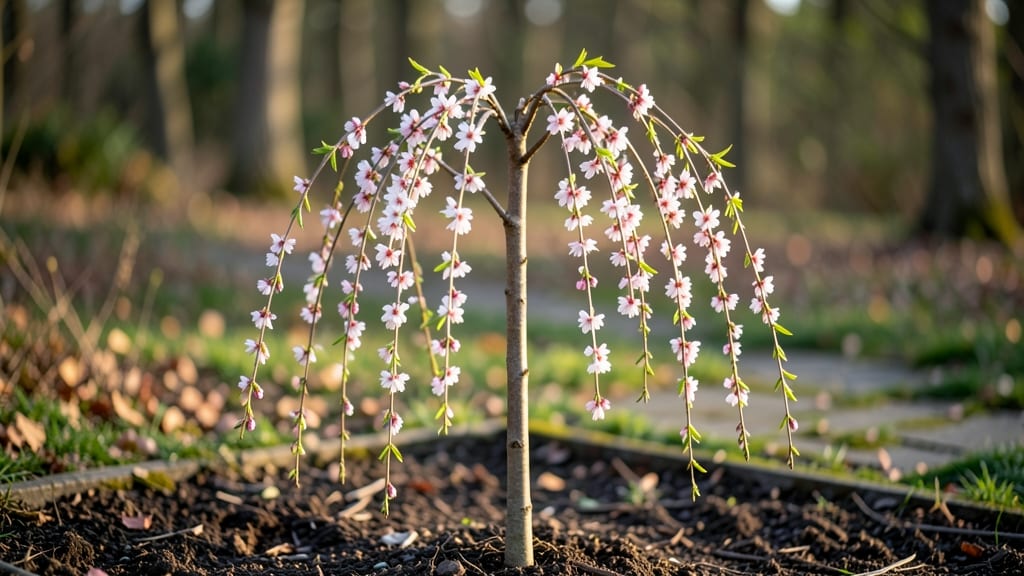
Your weeping cherry tree sapling will grow into a stunning centerpiece—but only if you prune it right from the start. ✂️ I’ve shaped three of these graceful trees, and the first year determines whether it becomes a lush, cascading beauty or a tangled mess.
The key is understanding how to encourage that elegant weeping form while keeping the young tree healthy.
Start with sharp pruners and a clear vision: you’re training the tree’s structure, not just trimming. Remove any branches growing straight up—these compete with the weeping habit—and cut just above a outward-facing bud.
Thin out crowded branches to improve airflow, which prevents fungal issues. Most importantly, never remove more than 25% of the foliage in one session, or you’ll stress the sapling.
By summer’s end, your tree will have a balanced canopy with those signature cascading branches. The pruning you do now sets the stage for decades of blooms—those delicate spring flowers and the brilliant fall colors.
Just remember: patience is part of the process. Weeping cherries grow slowly but reward careful gardeners with year-round interest.
For best results, prune in late winter or early spring before new growth begins. Avoid heavy pruning in fall, as it encourages tender new growth that won’t survive winter. If you see water sprouts (thin, upright shoots), remove them immediately—they sap energy from your tree’s graceful form.
📚 In This Guide
- What you need
- Instructions
- Tips and common mistakes
- Wrapping up and next steps
What you need
- ○ Pruning shears: Bypass pruners (for clean cuts on small branches, 4–6-inch blades). Optional: Loppers (for thicker branches, 8–12-inch handles).
- ● Hand pruners: Anvil pruners (for quick cuts on tiny stems, 3–4-inch blades).
- ● Disinfectant: 70% isopropyl alcohol or rubbing alcohol (to sterilize tools between cuts and prevent disease).
- ○ Pruning sealant: Tree wound pruning paste (optional, for saplings with larger cuts to reduce sap loss).
- ● Garden twine or rubber bands: (to secure branches during shaping).
- ● Gloves: Heavy-duty gardening gloves (to protect hands from thorns or rough bark).
- ● Measuring tape or ruler: (to track branch length and spacing).
- ● Notebook & pen: (to sketch your pruning plan or note growth patterns).
- ● Ladder or step stool: (for saplings over 6 feet tall—safety first!).
- ● Timing: Prune in late winter or early spring (before buds swell) for best results.
- ● Weather: Choose a dry, overcast day (avoid pruning in rain or extreme heat).
- ● Sapling health: Ensure your weeping cherry sapling is disease-free (no signs of fungal spots or wilting).
Step-by-Step pruning guide for your weeping cherry sapling
Here's how to shape and maintain your sapling for stunning, healthy branches year after year.
✂️ Step 1: Prune at the Right Time for Best Results
Start pruning your weeping cherry sapling in late winter or early spring, just as buds begin to swell but before new growth starts. This timing ensures you remove dead wood while the tree is still dormant, reducing stress. Avoid pruning in fall—it encourages new growth that won't harden off before winter.
I like to prune on a dry, clear day when the weather is mild. If you must prune in summer, do it in early morning or late evening to minimize stress from heat and sun exposure. Watch for bud break—that's your signal to start shaping the tree.
🌿 Step 2: Remove Dead, Diseased, or Crossing Branches First
Start by inspecting the sapling for any dead, diseased, or damaged branches. Use clean, sharp pruners to make 45-degree cuts just above a healthy bud or lateral branch. This prevents water from pooling and encourages new growth.
Next, remove any branches that are rubbing against each other—these will create wounds and invite pests. I always look for crossing branches first because they compete for energy and can weaken the tree's structure. Thin out crowded areas to improve airflow and sunlight penetration.
☀️ Step 3: Shape the Tree for Graceful, Natural Growth
Weeping cherries grow best with an open, airy canopy. Step back and visualize the tree’s natural shape—you want a balanced, cascading form. Prune to encourage long, graceful branches by selectively removing upward-growing branches that spoil the weeping habit.
Use your pruners to shorten overly long branches by cutting just above a bud facing the direction you want growth to go. Avoid cutting back too much—weeping cherries respond poorly to heavy pruning. Aim for no more than 20% of the tree’s foliage removed in a single session.
⏰ Step 4: Maintain Year-Round with Light Trims
After the initial spring pruning, give your sapling a light trim in early summer to remove any suckers or water sprouts—these fast-growing shoots steal energy from the main branches. Use your fingers or small pruners to pinch them off at the base.
In late summer or early fall, do a final check for any dead or diseased branches that may have appeared. Avoid heavy pruning now—it stimulates new growth that won’t harden off before winter. Instead, focus on cleaning up and keeping the tree tidy.
🪴 Step 5: Clean Up and Protect for Next Season
After pruning, sterilize your tools with rubbing alcohol to prevent spreading disease. Collect and dispose of any large branches—they can harbor pests over winter. For smaller trimmings, you can compost them if they’re disease-free.
Apply a layer of mulch around the base of the sapling (but not touching the trunk) to retain moisture and protect roots. Water deeply to help the tree recover. By next spring, your weeping cherry will be stronger, healthier, and ready for another season of growth.
Tips & tricks for pruning your weeping cherry sapling
A few simple tricks will help you maintain that elegant, cascading shape while keeping your weeping cherry thriving for years to come.
Timing is Everything: I can't stress enough how critical the late winter/early spring timing is for Step 1. That dormant period is when the tree is most resilient to pruning. If you're unsure about bud break, look for those tiny swellings along the branches—those are your cue. I've made the mistake of pruning too early when buds weren't ready, and the tree struggled to recover. Trust me, patience pays off with healthier growth.
The 45-Degree Rule in Step 2: When making those clean cuts above buds, the 45-degree angle isn't just about aesthetics—it's about directing water flow away from the cut. I learned this the hard way when a cut healed poorly and developed rot. Always cut just above a bud that's facing outward in the direction you want new growth to go. This simple technique makes all the difference in how your tree develops.
Visualizing the Cascade: For Step 3, step back frequently and imagine your tree's final shape. Weeping cherries naturally grow downward, but you'll encounter those stubborn upward branches that disrupt the flow. I find it helpful to sketch a rough outline on paper first—this prevents over-pruning and helps maintain that balanced, graceful form. Remember, you're aiming for that elegant waterfall effect, not a bushy hedge.
Seasonal Checklist: Create a simple seasonal reminder system for Steps 4 and 5. I use sticky notes on my calendar with these key dates: "Spring Prune," "Summer Sucker Check," and "Fall Cleanup." This ensures you don't miss those crucial maintenance windows. The late summer/fall check is especially important—it's when many problems become visible after the growing season.
Pro Tips for Weeping Cherry Tree Sapling
- A few simple tricks will help you maintain that elegant, cascading shape while keeping your weeping cherry thriving for years to come.
- Timing is Everything: I can't stress enough how critical the late winter/early spring timing is for Step 1.
- The 45-Degree Rule in Step 2: When making those clean cuts above buds, the 45-degree angle isn't just about aesthetics—it's about directing water flow away from the cut.
Frequently asked questions
Got questions about nurturing your weeping cherry tree sapling? You’re not alone! Here are answers to the most common concerns—from timing tips to troubleshooting—so you can keep your tree thriving with confidence.
When is the best time to prune a weeping cherry sapling?
The ideal time to prune is late winter or early spring (before buds swell) when the tree is still dormant. This minimizes stress and encourages healthy growth. Avoid pruning in fall—it can stimulate late-season growth vulnerable to frost damage. For light shaping, summer pruning is fine, but keep it minimal to avoid overstressing the sapling.
How much can I trim off a weeping cherry sapling in one session?
Never remove more than 25% of the tree’s foliage in a single pruning session. For a young sapling, aim for selective cuts—focus on dead, crossing, or overly dense branches. Over-pruning can stunt growth or invite pests. If your tree looks sparse after pruning, it’s a sign you’ve trimmed too much!
Can I use regular pruning shears, or do I need special tools?
For a sapling, bypass pruners (sharp, clean, and 6–8 inches long) are perfect for small branches. Avoid anvil shears—they crush stems and can damage the tree. For thicker branches (½ inch or larger), use loppers or a pruning saw. Always sterilize tools with rubbing alcohol to prevent disease spread.
What if my weeping cherry sapling’s leaves turn brown after pruning?
Brown leaves post-pruning are usually harmless if the branches are still firm. However, if leaves wilt, droop, or fall off quickly, you may have cut too aggressively or damaged the branch collar. To fix: reduce watering temporarily (overwatering stresses recovery) and apply a balanced fertilizer to support regrowth. Monitor for pests or fungal signs (like black spots).
Are there alternatives to pruning if my sapling isn’t thriving?
If pruning feels overwhelming, try these gentler approaches:
- Thinning out: Remove only the most problematic branches (e.g., those rubbing against others).
- Support training: Use soft ties to guide weak branches into a natural weeping shape.
- Mulching: Add 2–3 inches of organic mulch (like wood chips) to retain moisture and reduce stress.
- Patience! Saplings grow slowly—focus on one small task per season.
Wrapping up and next steps
Growing a weeping cherry tree sapling into a stunning, healthy centerpiece is entirely within your reach—with patience, the right tools, and a little love! Remember, pruning isn’t just about shaping; it’s about encouraging that dreamy, cascading form while keeping your tree thriving year after year. 🌸
Ready to take the next step? Start small—schedule your first light pruning session in early spring or late winter, and observe how your tree responds. Over time, you’ll develop an intuitive rhythm with its growth.
Happy pruning, and may your weeping cherry tree bring beauty (and maybe a few blossoms!) to your space for decades to come. 🌿✨