
Pruning
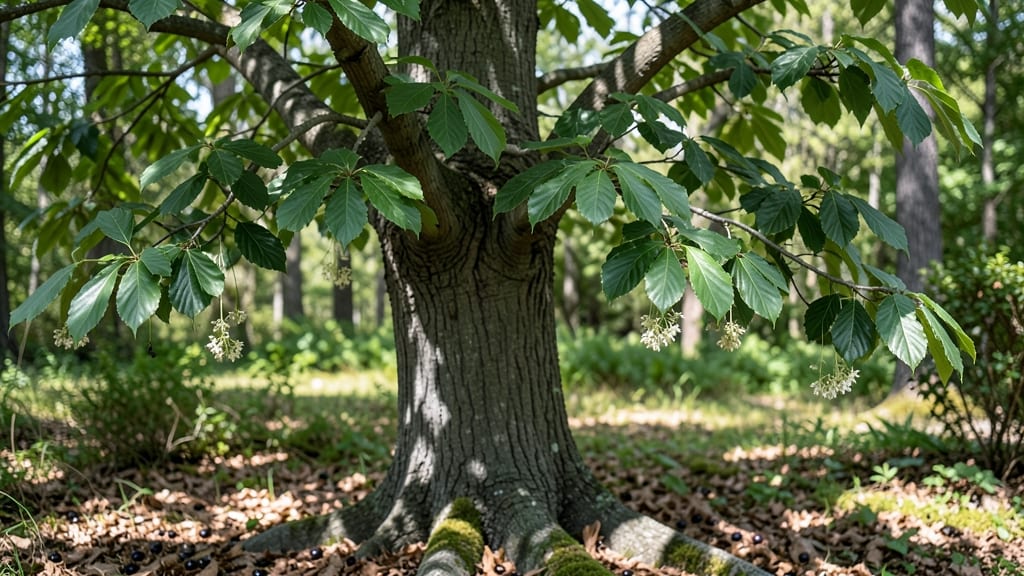
Pruning your cherry tree in North Carolina isn’t just about shaping branches—it’s about fighting back against our humid summers and sudden frosts. 🌳 I’ve learned the hard way that skipping winter pruning means weaker growth and fewer fruit next season, while summer trimming can invite pests if you’re not careful.
The right approach depends on whether you’ve got sweet cherries (like Bing) or sour (like Montmorency), since they handle pruning differently. Most NC varieties need their first major trim in late winter (February-March) before buds swell, followed by light summer shaping after harvest to improve airflow.
You’ll end up with a tree that produces heavier crops, resists diseases like brown rot, and handles our heat better. The key is timing—prune too early, and you risk frost damage; too late, and you stress the tree before winter.
Works for backyard orchards, urban lots, or even container-grown dwarf varieties. Here’s how to do it right for our state’s climate.
📚 In This Guide
- What you need
- Instructions
- Tips and common mistakes
- Wrapping up and next steps
What you need
- ● Pruning shears: Sharp, bypass-style shears (for cuts under ½ inch in diameter). Example: Felco F-2 or Corona Tools.
- ● Loppers: For branches ½ to 2 inches thick. Look for: Long handles (30+ inches) for reach.
- ● Pruning saw: For thick branches (>2 inches). Recommended: Fiskars or Bahco.
- ● Gloves: Heavy-duty, cut-resistant gloves (e.g., Mechanix or Wagner). Pro tip: 💡 Wear them—cherry tree branches can be spiky!
- ● Disinfectant: 70% isopropyl alcohol or a 10% bleach solution (to sterilize tools between cuts).
- ○ Pruning sealant: Optional but helpful for large wounds (>1 inch). Example: Tanglefoot Tree Wound Pruning Seal.
- ● Timing: Prune dormant trees (late winter/early spring, before bud break) or immediately after harvest (summer). Avoid pruning during NC’s peak cherry pest season (May–June).
- ● Safety gear: Safety glasses (to shield from falling debris) and sturdy footwear.
- ● Weather check: Wait for dry, calm conditions—NC’s humid summers can complicate healing.
- ● Local regulations: Verify if your tree is on protected land (e.g., near historic districts in Asheville or Raleigh).
- ● Extension pole saw (for high branches).
- ● Ladder (if tree is >10 feet tall).
- ● Marking spray (to tag branches for removal).
- ● Compost bin (to dispose of pruned branches sustainably).
Instructions for pruning cherry trees in North Carolina
North Carolina’s climate demands a smart approach—here’s how to keep your cherry tree thriving year-round.
✂️ Step 1: Time Your Pruning for Optimal Growth
Prune your cherry tree during its dormant season, from late winter to early spring (February-March), before buds swell. This timing prevents disease spread and encourages strong spring growth. Avoid pruning in fall or wet weather—both invite fungal infections common in NC’s humid climate.
If you must remove dead branches mid-season, do so on a dry day and sterilize your tools with rubbing alcohol first. I always mark branches to remove with flagging tape in late fall, so I don’t forget before the growing season starts.
☀️ Step 2: Remove Dead, Diseased, or Crossing Branches First
Start by cutting out any dead, diseased, or crossing branches—these compete for energy and create entry points for pests. Use clean, sharp pruners to make cuts just outside the branch collar (the swollen area where the branch meets the trunk). For larger branches, make a second cut 6-12 inches out from the first to avoid tearing the bark.
Look for branches with blackened cankers, oozing sap, or hollow centers—these are red flags for bacterial canker, a common NC cherry tree threat. Bag and dispose of infected branches immediately to prevent spreading spores to other trees.
🌿 Step 3: Thin the Canopy for Better Airflow
Thin the tree’s interior by removing 10-20% of the smallest branches to improve sunlight penetration and airflow. Focus on branches growing inward or rubbing against others—these create dark, damp pockets where mold thrives. Step back often to visualize the tree’s shape; you’re aiming for an open vase-like structure.
Leave 3-4 main scaffold branches evenly spaced around the trunk. These will form the tree’s framework. If you see water sprouts (fast-growing vertical shoots), snip them at the base—they drain energy from fruit production.
⏰ Step 4: Shape for Fruit Production (Sweet vs. Sour Cherries)
For sweet cherries (like Stella or Bing), encourage an open center by pruning to allow sunlight to reach the center of the tree. For sour cherries (like Montmorency), maintain a more compact shape since they bear fruit on older wood. Cut back last year’s growth by one-third to stimulate new fruiting spurs.
Never remove more than 25% of the tree’s foliage in one season—this weakens the tree and makes it vulnerable to NC’s late frosts. If your tree is young (under 5 years), limit pruning to just removing dead wood and shaping the basic structure.
🪴 Step 5: Clean Up and Monitor for Recovery
After pruning, rake up and dispose of all clippings—never leave them under the tree. Sterilize your tools again with a 10% bleach solution (1 part bleach to 9 parts water) to kill any lingering pathogens. Apply a fungicide spray (like copper fungicide) if your tree has a history of disease.
Water deeply at the base to help the tree recover. You’ll see new growth within 4-6 weeks—strong, green shoots mean your pruning worked. If the tree looks stressed (yellowing leaves, wilting), it may have been over-pruned; next time, go lighter.
Tips & tricks for pruning cherry trees in North Carolina
Here’s what I’ve learned after years of pruning cherry trees in NC’s humid climate—these tricks will help you avoid common mistakes and keep your tree thriving.
Timing is Everything: The February-March window is critical because it’s when your tree is dormant but about to burst into growth. If you prune too early, you risk exposing fresh cuts to late winter frosts, which can damage the tree. I’ve seen trees stressed from pruning in January—don’t make that mistake! Mark your calendar now for late February, and if you’re unsure about the exact timing, check for bud swell as your cue.
Tool Prep Prevents Problems: Sterilizing your pruners between cuts is non-negotiable in NC’s climate. I use rubbing alcohol on a paper towel between each branch, especially when dealing with diseased wood. For larger branches, make your first cut just outside the branch collar, then follow up with a second cut 6-12 inches out—this prevents bark tearing, which creates wounds that invite fungal infections. I’ve had to remove entire branches later because of improper cuts, so take your time here.
Visualizing the Tree’s Future: Step back every 10-15 minutes while pruning to visualize the tree’s shape. For sweet cherries, aim for an open center that lets sunlight reach the core—this prevents fungal issues and improves fruit quality. For sour cherries, maintain a more compact shape since they fruit on older wood. I always sketch a rough outline on paper first to guide my cuts. This simple habit has saved me from over-pruning, which can stress the tree and reduce next year’s harvest.
Post-Pruning Recovery Care: After finishing, rake up all clippings and dispose of them away from your yard—never leave them under the tree. The 4-6 week recovery period is when your tree rebuilds its energy reserves, so monitor for new growth. If you see yellowing leaves or wilting within that timeframe, you may have over-pruned. In my first year, I removed too much foliage and nearly lost my tree to late spring frosts—now I stick to the 25% rule religiously.
Pro Tips for Cherry Tree North Carolina
- Here’s what I’ve learned after years of pruning cherry trees in NC’s humid climate—these tricks will help you avoid common mistakes and keep your tree thriving.
- Timing is Everything: The February-March window is critical because it’s when your tree is dormant but about to burst into growth.
- Tool Prep Prevents Problems: Sterilizing your pruners between cuts is non-negotiable in NC’s climate.
Frequently asked questions
Got questions about keeping your North Carolina cherry tree thriving with the right pruning? You’re in the right place! Here are answers to the most common concerns—from timing to troubleshooting—so you can trim with confidence.
When is the best time to prune a cherry tree in North Carolina?
The ideal window is late winter to early spring (February–March), just before buds swell but before leaves emerge. For tart cherries, avoid pruning after June to prevent silver leaf fungus. Sweet cherries can handle light pruning in summer, but stick to dormant season for major cuts.
How much can I prune a young cherry tree in its first year?
Limit pruning to 15–20% of the tree’s total growth—focus on removing dead, crossing, or weak branches. Avoid heavy cuts, as young trees are vulnerable to stress. Aim for an open center with well-spaced branches to encourage airflow and fruit production.
Why are my cherry tree’s leaves yellowing after pruning?
Yellowing leaves post-pruning often signal over-pruning or nutrient deficiency. If you cut too aggressively, the tree may struggle to support remaining foliage. Apply a balanced fertilizer (like 10-10-10) in early spring and water deeply. Check for pests (e.g., aphids) or fungal issues like leaf spot, common in NC’s humid summers.
Can I prune a cherry tree in summer for better fruit next year?
Light summer pruning (June–July) can help shape the tree and improve airflow, but avoid heavy cuts—they stress the tree and reduce next year’s fruit set. If you must prune, focus on thinning out crowded branches (not just topping) to encourage larger, higher-quality cherries.
Does North Carolina’s climate affect cherry tree pruning?
NC’s humid summers and mild winters mean pruning choices matter. Prune in dry weather to prevent fungal infections, and sterilize tools with rubbing alcohol to avoid spreading diseases like bacterial canker. If your area has freeze-thaw cycles, delay pruning until after the last frost to protect vulnerable cuts.
Pro Tip:
Use sharp, clean tools (bypass pruners for branches <1” thick, loppers for 1–3”, saws for larger cuts) and seal pruning wounds with tree wound paint (optional but helpful in humid NC climates) to speed healing.
Wrapping up and next steps
North Carolina’s cherry trees thrive with the right pruning care—whether you’re tending to sweet, tart, or ornamental varieties. By following seasonal timing, sharp tools, and proper techniques, you’ll ensure healthy growth, abundant fruit, and stunning blooms year after year. 🌿✨
Ready to give your tree the love it deserves? Start small: grab your pruners, mark your calendar for late winter, and take it one cut at a time. With patience and practice, your cherry tree will reward you with beauty—and maybe even a harvest! 🍒💚