
Pruning
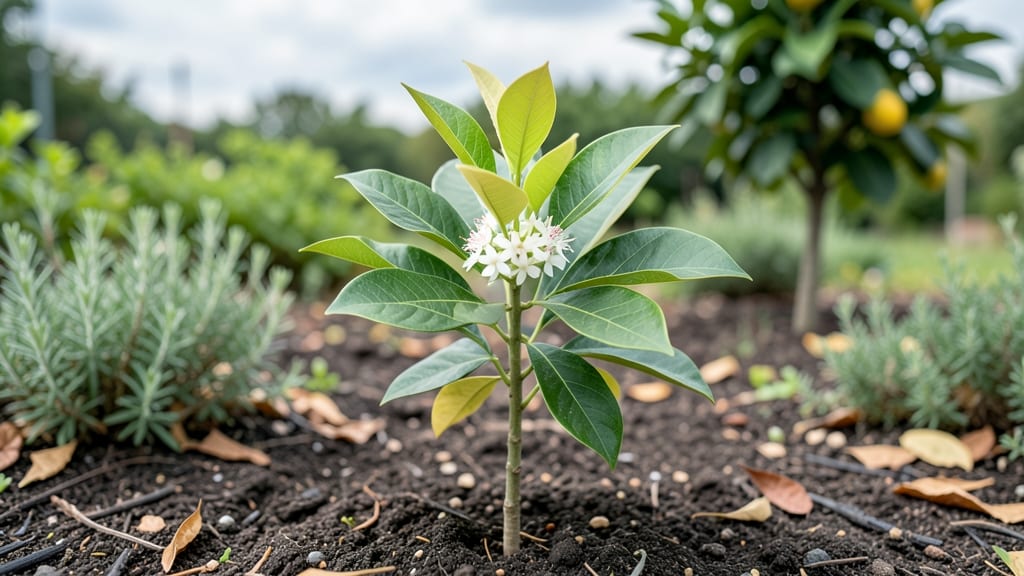
Growing an orange tree from seedling means sweet rewards—if you protect it from cold snaps. 🌱 I've nursed delicate citrus seedlings through winters that would kill them, and the key isn't just heat but timing, soil, and a little extra care when temperatures drop.
The secret starts with the right pot and soil mix—well-draining, slightly acidic, and rich in organic matter. Most seedlings fail not from lack of sun but from soggy roots or sudden freezes.
A 5-gallon container with drainage holes gives young trees the mobility to escape frost pockets, while a mulch blanket of straw keeps roots insulated when nights dip below 40°F. By summer, you'll see the first glossy leaves unfurl, followed by tiny white blossoms that promise fruit.
The tree will outgrow its pot by year two, but that's when the real magic happens—harvesting your own oranges by year four or five, depending on variety. Container growing works best for cold climates, letting you roll the pot indoors during winter.
Ground-planted trees need winter protection like burlap wraps or microclimate spots near south-facing walls. Here's how to keep yours thriving through every season.
📚 In This Guide
- What you need
- Instructions
- Tips and common mistakes
- Wrapping up and next steps
What you need
- ● Orange tree seedling: 1 healthy, disease-free seedling (preferably grafted for better cold tolerance).
- ● Pot or container: 1–2 gallon size (with drainage holes) for young seedlings; upgrade to 5+ gallons as it grows.
- ● Well-draining potting mix: 3–5 gallons of a blend like 60% cactus/succulent mix + 40% perlite or coarse sand.
- ● Slow-release fertilizer: 1–2 cups of balanced citrus fertilizer (e.g., 6-6-6 NPK) or organic options like worm castings.
- ● Mulch: 2–3 inches of straw, wood chips, or pine bark to insulate roots.
- ● Cold protection: 1–2 frost cloths (breathable, rated for 25–30°F).
- ○ 1 mini greenhouse kit (optional but ideal for sub-20°F temps).
- ● 2–3 plastic milk jugs (cut in half) or cardboard boxes for DIY shelters.
- ● Watering can or hose: With a gentle spray nozzle to avoid root shock.
- ● Pruning shears: Sharp, sterilized shears (for trimming dead growth in winter).
- ● Heating mat: For indoor seedlings in freezing temps (💡 Pro Tip: Set to 65–75°F for root warmth).
- ● Grow lights: LED or fluorescent bulbs (12–16 hrs/day if indoors).
- ● Soil moisture meter: To monitor water levels without over-saturating.
- ● Epsom salt: 1 tbsp/month in water for magnesium boost (especially in cold climates).
- ● Compost tea: 1–2 cups/month to strengthen immunity.
Step-by-Step guide to reviving and protecting cold-stressed orange tree seedlings
Here’s how I nurse cold-shocked citrus seedlings back to health and keep them thriving through chilly months.
🌱 Step 1: Inspect and Trim Damaged Areas
Start by examining your seedling closely. Look for blackened leaves, mushy stems, or any areas that feel soft to the touch—these are dead zones that need removal. Use clean, sharp scissors to snip away damaged foliage and stems ½ inch above healthy growth. This prevents disease from spreading to the rest of the plant.
Don’t panic if the seedling looks skeletal after trimming. Citrus are resilient, and new growth will emerge from the healthy buds. Focus on removing only what’s clearly dead—leaving slightly discolored but firm tissue gives the plant a better chance to recover.
☀️ Step 2: Move to a Warm, Bright Location
Citrus seedlings need 60-70°F temperatures to recover, so relocate them immediately to a sheltered spot away from drafts or cold windows. A south-facing window with indirect light works well, but if your home runs cooler, supplement with a grow light positioned 12-18 inches away for 12-14 hours daily.
Watch for signs of stress like wilting or yellowing leaves—these often mean the seedling needs more warmth or light. If leaves start drooping despite proper care, move it closer to the light source or increase heat slightly (but never above 75°F, which can scorch tender new growth).
💧 Step 3: Adjust Watering to Prevent Root Shock
Cold-stressed seedlings often suffer from root damage, so water carefully. Let the top 1-2 inches of soil dry out between waterings—this prevents rot while keeping roots hydrated. Use room-temperature water to avoid shocking the plant further, and water at the base to keep leaves dry.
Overwatering is the biggest mistake here. If the soil stays soggy, roots suffocate and the seedling may fail to recover. Stick your finger in the soil: if it feels damp below ½ inch deep, wait another day before watering. Yellowing leaves often signal overwatering, while crispy edges mean underwatering.
🪴 Step 4: Protect with a Humidity Dome or Plastic Tent
Cover the seedling with a clear plastic bag or humidity dome to retain warmth and moisture while it recovers. Secure the cover loosely so air can circulate, and remove it daily for 10-15 minutes to prevent mold. This creates a mini greenhouse effect that mimics tropical conditions citrus prefer.
Check the seedling every few days for condensation inside the cover—this is normal, but if you see black spots or fuzzy growth, wipe the cover with rubbing alcohol and increase airflow. Remove the cover completely once new growth appears (usually within 2-3 weeks
Once the seedling shows 3-4 inches of new growth and nighttime temperatures stay above 50°F, begin hardening it off. Place the pot outside in a shaded, sheltered spot for 1-2 hours daily, increasing exposure by 1 hour each day over 10-14 days. This prepares it for eventual outdoor planting. Watch for leaf scorch or wilting during this transition—these are signs the seedling isn’t ready. If you notice stress, move it back indoors and extend the hardening period. Once fully acclimated, citrus seedlings can handle 40-50°F temperatures briefly, but frost will still kill them, so plan to bring them indoors before winter sets in.⏰ Step 5: Gradually Reintroduce Outdoor Conditions
Tips & tricks for reviving cold-stressed orange tree seedlings
Real talk: I've lost count of how many citrus seedlings I've nursed back from cold shock—here's what actually works when the instructions alone won't cut it.
Precision Trimming: When you're removing damaged areas in Step 1, use a magnifying glass if your seedling is small. You'll spot subtle discolorations that aren't immediately obvious—these are early signs of fungal invasion. Sterilize your scissors between cuts with rubbing alcohol to prevent cross-contamination between healthy and damaged tissue. This step alone can mean the difference between recovery and permanent loss.
Light Source Strategy: For the 12-14 hour grow light requirement in Step 2, position your light so it covers the seedling's entire canopy—not just the top. Citrus leaves are broad and need even light exposure. I use a simple LED grow bulb on a timer to automate this—no more forgetting to turn lights on at night. The 12-18 inch distance is critical: any closer and you risk burning tender new growth.
Watering Technique: The "finger test" in Step 3 is your best friend. Press your finger into the soil—if it springs back slowly (not instantly), that's your cue to water. I've found that using a spray bottle for the first few waterings after cold shock helps prevent soil compaction around delicate roots. Room temperature water is non-negotiable: cold water shocks already stressed roots.
Hardening Timeline: During the 10-14 day hardening process in Step 5, keep a log of daily conditions. Note the exact time you increase exposure each day and any stress symptoms you observe. This creates a personalized hardening schedule for your specific climate. I've seen seedlings that handled 3 hours on day 3 but needed to go back indoors when we hit unexpected 45°F nights.
Pro Tips for Orange Tree Seedling
- Real talk: I've lost count of how many citrus seedlings I've nursed back from cold shock—here's what actually works when the instructions alone won't cut it.
- Precision Trimming: When you're removing damaged areas in Step 1, use a magnifying glass if your seedling is small.
- Light Source Strategy: For the 12-14 hour grow light requirement in Step 2, position your light so it covers the seedling's entire canopy—not just the top.
Frequently asked questions
Got questions about keeping your orange tree seedling thriving in cold climates? You’re not alone! Here are answers to the most common concerns—from timing to troubleshooting—so you can grow confidently, even when winter bites.
How long does it take for an orange tree seedling to survive the first cold snap?
A healthy seedling can handle light frost (28–32°F) for short periods, but prolonged cold (below 25°F) risks damage. Most seedlings take 1–2 years to build resilience. Start with mulching and container protection (like frost cloth) to buy time while roots establish.
Can I grow an orange tree seedling outdoors in winter, or should I keep it indoors?
Outdoor growth is possible in USDA Zones 9–11, but seedlings struggle below 20°F. For colder zones, move potted seedlings indoors near a sunny window or under grow lights. If outdoors, use a greenhouse or cold frame for shelter.
What’s the best way to revive a cold-stressed orange tree seedling?
Start by pruning dead branches (use sterilized shears ). Repot if roots are waterlogged, then water lightly and place in indirect sunlight for 1–2 weeks. Apply a balanced fertilizer (10-10-10) once new growth appears.
Are there cold-hardy alternatives to traditional orange seedlings?
Yes! Try Satsuma mandarins (tolerate 10°F) or trifoliate orange hybrids (crossed for cold resistance). Dwarf varieties like ‘Calamondin’ also adapt better to containers and indoor-outdoor shifts.
How soon can I transplant a cold-hardened seedling back outside in spring?
Wait until nighttime temps stay above 40°F for 2+ weeks. Harden off seedlings gradually (3–5 days of outdoor exposure ), then transplant after last frost. Water deeply post-transplant and monitor for leaf scorch—a sign of stress.
Still stumped? Drop your seedling’s symptoms in the comments—we’ve got you covered!
Wrapping up and next steps
Growing a thriving orange tree seedling through cold seasons is absolutely doable with the right care and preparation! 🌱 By selecting hardy varieties, providing proper insulation, and monitoring moisture and sunlight, you’ll give your young tree the best shot at year-round survival.
Remember, consistency is key—whether it’s mulching, wrapping, or adjusting watering habits.
Now that you’re armed with these cold-stressed survival tips, it’s time to roll up your sleeves and put them into action. Start by assessing your seedling’s current setup—does it need extra protection, or are you ready to transition it into a more permanent (and cozy!) growing spot?
Your orange tree’s future starts with the steps you take today!