
Pests and Diseases
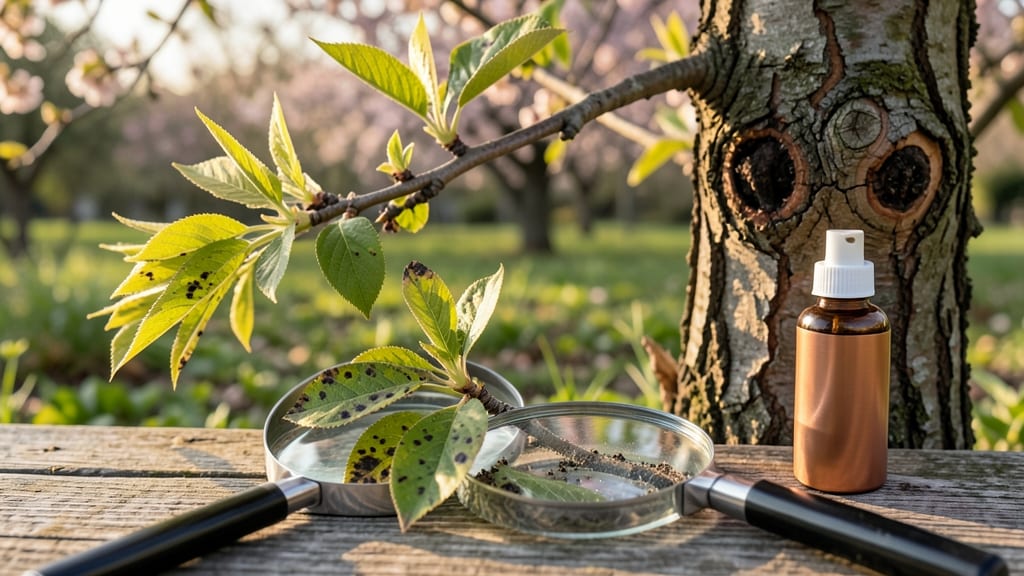
A wilting weeping cherry tree suffering from weeping cherry tree disease is never just a bad hair day—it’s a cry for help. 🌿 Bacterial canker, powdery mildew, or leaf spot could be stealing your tree’s vitality, and the longer you wait, the harder it is to save.
I’ve nursed back more than a few sad-looking weeping cherries, and the key is catching signs early: oozing cankers, white fungal dust, or brown spots that multiply like weeds.
The real villain? Often, it’s a mix of wet spring weather, crowded branches, and poor airflow. Pruning too late in the season or ignoring water stress makes things worse.
My trees stay healthy because I prune in late winter (before buds swell) and space branches to let sunlight and air circulate—no more fungal buffet for pests.
You’ll fix it by combining copper fungicide sprays in early spring, pruning infected branches 6 inches below damage, and mulching to keep roots happy. Organic gardeners swear by neem oil, while chemical treatments like myclobutanil stop powdery mildew dead.
The goal? A lush, dripping canopy that makes neighbors jealous by next summer.
Here’s the kicker: prevention is cheaper than cure. A 3-inch layer of mulch, proper watering (deep but not soggy), and yearly pruning turns your weeping cherry from a sickly shadow into the star of the yard. Trust me—your tree’s got fight left in it.
Root Causes of Cherry Tree Decline
Weeping cherry trees (Prunus serrulata) are prized for their delicate blossoms and graceful branches, but when their health declines, it’s often due to a mix of biological stressors and environmental factors. Understanding why these trees weaken is the first step to restoring their vitality.
Below, we break down the most common culprits behind weeping cherry tree disease—from fungal invaders to hidden pests—and explain the science behind their damage.
Fungi are the #1 enemy of cherry trees, thriving in damp conditions to disrupt nutrient flow and clog vascular systems. Here’s how they strike:
- Black Knot Disease (Apiosporina morbosa)
- Why it’s deadly: The knots girdle the tree, blocking water and nutrient transport. Infected branches often die back, leaving a skeletal appearance.
- Trigger conditions: High humidity (70%+), wet springs, and poor air circulation (e.g., dense plantings).
Insects may seem harmless, but they drain trees of vital sap and introduce harmful bacteria. These pests accelerate decline:
- Japanese Beetles (Popillia japonica)
- Why it’s deadly: Heavy defoliation stresses the tree, making it susceptible to secondary infections. Grubs also create entry points for root rot.
Even without pests, cherry trees can decline from environmental mismanagement. These factors often go unnoticed until it’s too late:
- Improper Watering
- Underwatering: Causes wilting, especially in clay soil. Symptom: Leaves curl and drop, with crispy edges.
- Fix: Water deeply 1–2x/week (1 inch total) and improve drainage with compost.
- Planting too deep: Girdling roots strangle the tree, cutting off oxygen.
- Competition: Overcrowding from nearby trees/roots steals water/nutrients.
- Fix: Plant at the same depth as the root flare; mulch 3 inches deep (keep mulch 6 inches from trunk).
This bacterial disease often flies under the radar but is highly destructive. Here’s how it works:
- Entry point: Wounds (pruning cuts, hail) or natural openings (leaf scars).
- Symptoms: Oozing cankers (bacterial ooze), wilting leaves, and dieback. Infected branches often snap at the canker site.
- Why it’s deadly: Bacteria clog xylem vessels, preventing water transport. Spreads rapidly in wet conditions.
- Fix: Prune infected branches 6 inches below the canker (sterilize tools with 70% alcohol). Avoid overhead watering.
How to Fix Your Tree’s Health
Reviving a weeping cherry tree suffering from disease requires a mix of quick fixes and long-term care. Below are targeted solutions for the most common issues—fungal infections, bacterial blight, nutrient deficiencies, and pest damage—along with prevention tips to keep your tree thriving.
Fungal diseases like powdery mildew, anthracnose, or root rot weaken your tree’s structure and cause leaf drop. Act fast with these steps:
🔥 Remove Infected Parts
- Prune away diseased leaves, branches, or bark using sterilized shears (wipe with rubbing alcohol between cuts).
- Dispose of debris in a sealed trash bag—do not compost—to prevent reinfection.
- Focus on airflow: Thin out dense foliage to reduce humidity near the canopy.
🍳 Apply Fungicide Treatments
- Copper-based fungicides (like copper sulfate) work well for bacterial spots and fungal infections.
- Neem oil (1 tsp per quart of water) is a natural, organic option—spray every 7–10 days until symptoms fade.
- Systemic fungicides (e.g., myclobutanil) can be absorbed into the tree’s system for stubborn cases.
💡 Pro Tip:
Water at the base, not overhead, to keep leaves dry and discourage fungal spores from settling.
Bacterial canker or leaf spot can turn leaves black and ooze a sticky residue. Isolate and sanitize to prevent spread:
👨🍳 Prune & Sterilize
- Cut out all infected branches, including 1–2 inches below the lesion.
- Burn or trash infected wood—do not chip (bacteria can survive in mulch).
- Wash tools with bleach solution (1 part bleach to 9 parts water) after pruning.
🥘 Use Bacterial-Fighting Sprays
- Copper fungicide (again!) is effective against bacterial diseases.
- Hydrogen peroxide spray (3% solution) can help disinfect leaves—test on a small area first.
- Avoid overhead watering to limit bacterial splashing onto leaves.
🌡️ Boost Tree Resilience
- Improve drainage if your tree is in soggy soil (bacteria thrive in wet conditions).
- Avoid wounding the bark—use proper pruning techniques to prevent entry points.
Yellowing leaves, stunted growth, or weak branches often signal lack of key nutrients. Test your soil (a simple DIY kit works) and amend accordingly.
📊 Soil & Fertilizer Fixes
| Symptom | Likely Deficiency | Solution |
|---|---|---|
| Yellow lower leaves | Nitrogen (N) | Balanced fertilizer (10-10-10) in early spring |
| Purple stems/leaves | Phosphorus (P) | Bone meal or rock phosphate (spring or fall) |
| Weak, pale new growth | Potassium (K) | Wood ash or potassium sulfate (early summer) |
| Small, pale leaves | Magnesium (Mg) | Epsom salt spray (1 tbsp per gallon of water, every 2 weeks) |
✨ Organic Boosts
- Compost or well-rotted manure improves soil structure and microbial life.
- Mulch with wood chips (2–3 inches deep) to retain moisture and nutrients.
- Avoid over-fertilizing—too much salt can burn roots!
Aphids, scale, or borers suck sap and weaken your tree. Monitor and act early:
🔪 Mechanical Control
- Blast pests off with a strong spray of water (works for aphids and mites).
- Wrap tree trunks with tree band traps (coated with Tanglefoot) to catch crawling insects.
- Handpick large infestations (like scale insects) with a damp cloth.
🎯 Natural & Chemical Solutions
- Insecticidal soap (for soft-bodied pests like aphids—spray every 5–7 days).
- Beneficial nematodes (microscopic worms that kill grubs and larvae in soil).
- Systemic insecticides (like imidacloprid) for severe borer infestations (follow label instructions).
💡 Pro Tip:
Encourage natural predators—ladybugs, lacewings, and birds help control pests. Plant neighboring flowers (like marigolds or dill) to attract them.
The best cure? Stop problems before they start. Follow this year-round care plan:
- 🌧️ Water deeply but infrequently (1–2 inches per week; avoid soggy soil).
- ☀️ Prune in late winter/early spring (remove dead wood and improve airflow).
- 🧼 Clean up fallen leaves/debris (especially in fall—diseases hide here!).
- 🌱 Plant resistant varieties (e.g., ‘Okame’ or ‘Stella Rosa’ cherries are less prone to blight).
- 🔍 Inspect monthly for early signs of stress, pests, or disease.
Final Note: If your tree is severely infected (e.g., large cankers, extensive dieback), consult an arborist—some cases may require professional intervention. With the right care, your weeping cherry can bounce back to its blooming, graceful best! 🌸
Frequently asked questions
What are the first signs my weeping cherry tree has a disease?
Watch for dark, oozing cankers on branches (bacterial canker), white powdery coatings on leaves (mildew), or brown spots with yellow halos (leaf spot). Wilting leaves despite moist soil could signal root rot. Act fast—these signs often appear before the tree looks visibly sick.
Can I save my weeping cherry tree if it already has large cankers?
It depends! If the cankers are small and recent, prune 6 inches below the damage with sterilized tools and apply copper fungicide. For large, oozing cankers, the tree may be beyond saving—consult an arborist. Prevention is key: prune in late winter and avoid wounding bark.
Is neem oil safe to use on cherry trees?
Yes, neem oil is organic and effective against fungal diseases like powdery mildew. Mix 1 teaspoon per quart of water and spray leaves thoroughly every 7–10 days until symptoms fade. Avoid spraying when blooms are open to protect pollinators.
Why does my weeping cherry tree keep getting fungal diseases?
Fungi thrive in crowded, humid conditions. Thin out branches to improve airflow, water at the base (not overhead), and remove fallen leaves/debris where spores hide. Mulch 3 inches deep (but keep it 6 inches from the trunk) to balance moisture.
How often should I inspect my weeping cherry tree for pests?
Check your tree monthly, especially in spring and summer when pests are active. Look under leaves for aphids or scale insects and inspect bark for borer holes. Early detection makes treatment much easier—think of it as a quick wellness check!