
Pruning
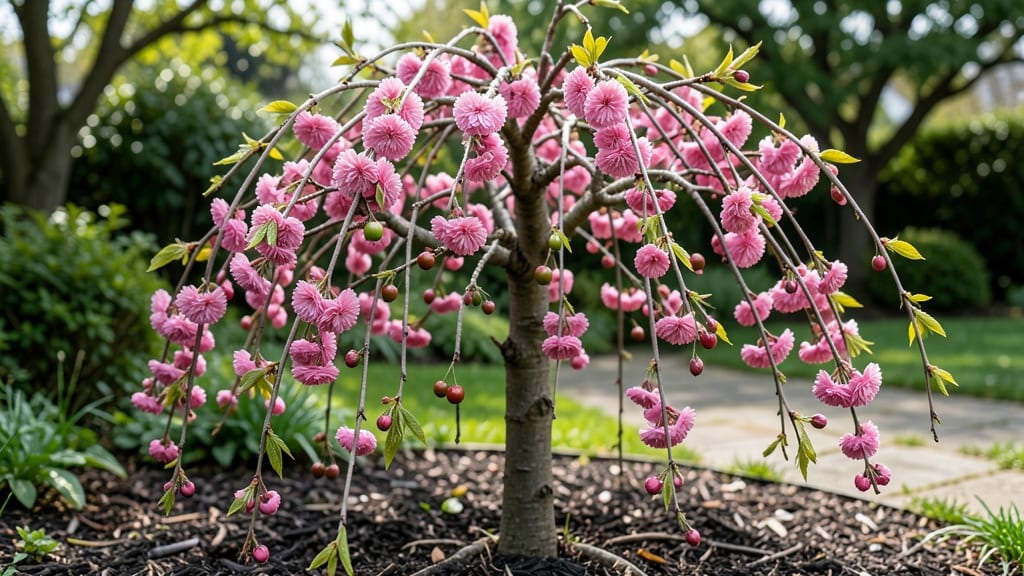
Edible parts of weeping cherry trees include ripe fruit (fresh or cooked) and young leaves/bark for teas, but stems, seeds, and unripe fruit contain cyanogenic glycosides that can be toxic if consumed in excess or improperly prepared.
When it comes to weeping cherry trees, only specific parts are safe for consumption—primarily the fully ripe fruit, which can be enjoyed fresh or transformed into jams and preserves. 🌿 The young leaves and bark are also edible, but they require careful preparation to avoid bitterness and potential toxicity.
What's crucial to remember is that stems, seeds, and unripe fruit contain cyanogenic glycosides, which break down into cyanide when damaged or improperly prepared. This makes proper identification and preparation non-negotiable for anyone looking to use these parts in cooking or herbal remedies.
The fruit's flavor profile is often described as a mix between sweet cherries and tart plums, making it a unique addition to desserts or fermented beverages. For tea enthusiasts, the young leaves offer a mild, slightly astringent flavor when steeped properly—though they should never be consumed in large quantities.
Always harvest from pesticide-free trees and consult local botanical experts if you're unsure about the tree's specific variety.
💡 In This Article
- Identifying Edible vs Toxic Parts of Weeping Cherry Trees
- Harvesting and Preparing Edible Weeping Cherry Tree Ingredients
Identifying edible vs toxic parts of weeping cherry trees
The key to safely consuming weeping cherry tree parts lies in understanding their botanical structure and cyanogenic glycoside content. The ripe fruit is the only part you can eat fresh or cooked, with a flavor profile similar to a cross between sweet cherries and tart plums.
These fruits typically ripen in late spring to early summer, turning from green to deep red or purple when fully mature.
The flesh contains minimal cyanogenic glycosides, but the pits (seeds) and stems are highly toxic due to their concentration of amygdalin, which converts to cyanide when chewed or damaged. 🌸
Young leaves and bark are also edible but require careful preparation. The leaves, when harvested before flowering, contain trace amounts of glycosides that can be neutralized through proper drying and steeping.
Bark from young branches can be used in teas, but it must be thoroughly dried and boiled for at least 10-15 minutes to break down any remaining toxins. The bark's flavor is earthy and slightly bitter, often used in traditional herbal remedies for its mild astringent properties.
However, consuming more than 1-2 teaspoons of dried bark per day can cause digestive upset or worse.
Unripe fruit is where the danger lies—these contain 2-3 times more cyanogenic glycosides than ripe fruit, making them unsafe for consumption. The toxicity threshold varies by species, but even small amounts of unripe fruit can cause symptoms like dizziness, nausea, or rapid breathing within 30-60 minutes of ingestion.
This is why visual cues like fruit color and firmness are critical: ripe fruit should be soft to the touch with a deep, vibrant hue, while unripe fruit remains hard and greenish.
Always perform a taste test on a tiny piece first, even with ripe fruit, to ensure your tree isn't contaminated by pesticides or other environmental factors. 🍒
The stems and pits are the most hazardous parts, containing concentrations of amygdalin that can release lethal amounts of cyanide. A single pit from a weeping cherry tree contains enough glycosides to be dangerous if crushed or chewed.
This is why traditional recipes always specify removing pits before cooking or consuming fruit. Even the juice from crushed pits can be toxic, so never use them in syrups or preserves.
For comparison, it takes about 50-60 crushed pits to reach a lethal dose for an average adult, but children are far more vulnerable due to their smaller size.
Botanical experts recommend using a simple visual checklist when harvesting: check for fully colored fruit, soft texture, and absence of green hues. For leaves, only use those from the current season's growth, as older leaves accumulate more glycosides over time.
When in doubt, consult a local arborist or toxicology expert—they can confirm the tree's species and provide guidance on safe harvesting practices. This precaution is especially important in urban areas where trees may have been treated with chemicals that could further reduce edibility. 🌿
What most people don't realize is that the toxicity risk isn't just about consumption—it's also about preparation. Improper drying or boiling can leave residual glycosides active, so always follow traditional methods: dry leaves at 120-140°F for 4-6 hours or boil bark for at least 20 minutes to ensure safety.
This attention to detail makes the difference between a harmless herbal tea and a potentially dangerous brew. The same rules apply to fruit: always cook unripe fruit thoroughly or ferment it to break down glycosides before consumption. 🔍