
Trees
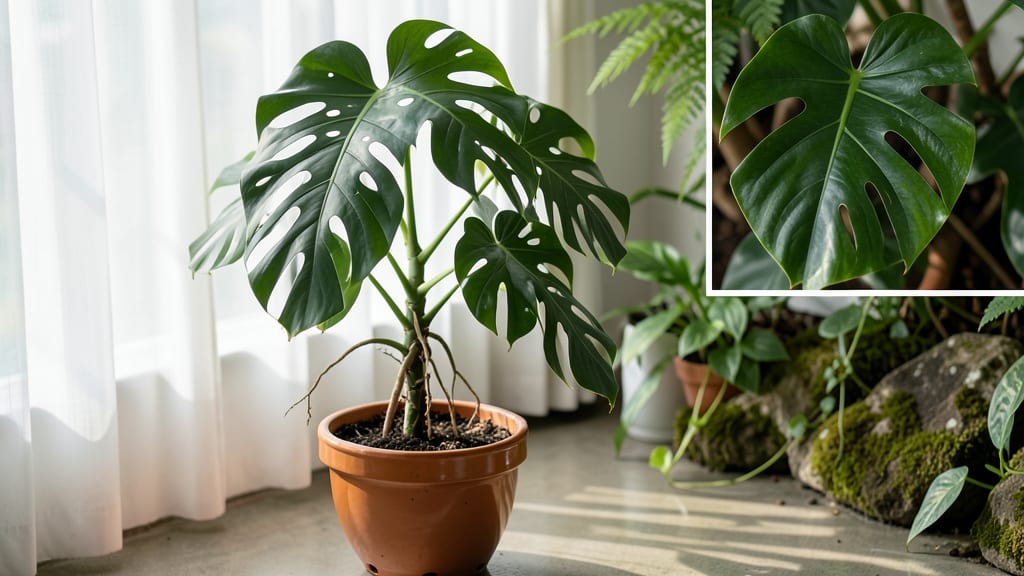
Sun-loving types of tropical trees turn any yard into an instant jungle oasis—year-round lushness that smells like vacation. 🌴 I’ve grown everything from towering palms to fruiting mango trees, and the secret isn’t just heat—it’s matching the right tree to your microclimate, soil, and sunlight quirks.
Most people assume tropical trees need perfect conditions, but the truth? Many thrive with basic care once you know their specific needs.
The best part? These giants do triple duty: shade on 90-degree days, privacy screens, and edible harvests (hello, avocado toast made with your own fruit). My monstera climbs a trellis while my citrus trees produce oranges in winter—both in Zone 9, where frost is rare but humidity is high.
The key is picking trees that match your space: dwarf varieties for small yards, fast growers for quick shade, or slow-and-steady types for long-term investment.
You’ll end up with a garden that feels like a tropical escape—without the hurricane risk. These trees handle heat waves, occasional droughts, and even urban pollution once established. The trade-off? Some need regular pruning to control size, and a few (like mangoes) require cross-pollination for fruit.
But the payoff? A backyard that looks like a resort, smells like a spice market, and keeps growing while you sleep.
Whether you’re in Florida, Southern California, or a warm microclimate elsewhere, we’ll cover the top 10 hardy tropical trees—plus how to spot the ones that’ll flop in your zone. Let’s pick the perfect giants for your space!
📚 In This Guide
- What you need
- Instructions
- Tips and common mistakes
- Wrapping up and next steps
What you need
- ● Tropical Tree Saplings: Choose 1–3 species based on your climate (e.g., Monstera deliciosa, Ficus benjamina, or Ceiba pentandra). Opt for 3–5 ft tall plants for faster impact.
- ● High-Quality Potting Soil: 5–10 gallons of well-draining, peat-based mix (e.g., Miracle-Gro Potting Mix or coco coir blends). Avoid garden soil—it’s too dense!
- ● Containers or Planting Hole: For Pots: 1–2 ceramic or fabric grow bags (15–25 gallons) with drainage holes. Pro Tip: 💡 Use saucers to catch excess water!
- ● For Ground Planting: Dig a hole 2x wider and deeper than the root ball. Amend soil with compost.
- ● Fertilizer: Slow-release granular fertilizer (e.g., Osmocote Smart-Release Plant Food) or liquid tropical feed (dilute to half-strength).
- ● Mulch: 2–3 inches of organic mulch (e.g., shredded bark or pine needles) to retain moisture and regulate soil temp.
- ● Hand Trowel or Spade: For digging and soil amendments.
- ● Garden Gloves: Heavy-duty to protect hands from thorns or rough bark.
- ● Watering Can or Hose: With a gentle spray nozzle for even hydration.
- ● Pruning Shears: Sharp, sterilized shears for trimming dead branches.
- ○ pH Test Kit (Optional): To ensure soil pH is 6.0–7.5 (ideal for most tropical trees).
- ○ Support Stakes (Optional): For young trees like Ceiba pentandra to prevent toppling in wind.
- ● Sunlight Assessment: Confirm your space gets 6+ hours of direct sunlight daily (adjust for shade-loving species like Philodendron).
- ● Water Source: Access to water for deep, weekly soakings (tropical trees hate soggy roots!).
- ● Climate Check: Verify your hardiness zone matches your tree’s needs (e.g., Bambusa vulgaris thrives in zones 9–11).
- ○ Pest Control Plan (Optional): Neem oil or insecticidal soap for aphids/spider mites.
How to select and plant sun-loving tropical trees for year-round beauty
Here's how to choose and establish four stunning tropical trees that thrive in full sun and bring lushness to your landscape.
🌿 Step 1: Choose the Right Tropical Tree Species for Your Climate
For year-round lushness, focus on sun-loving tropical trees like Monstera deliciosa (Swiss cheese plant), Ficus elastica (rubber plant), Dracaena marginata (dragon tree), and Schefflera actinophylla (umbrella tree). These thrive in USDA zones 10-12 and need 6+ hours of direct sunlight daily.
Check your local frost dates—even tropical trees can handle brief cold snaps if hardened off properly. I always verify a tree's mature height (some like the umbrella tree can reach 10+ feet) before planting to ensure it fits your space. Containers work well for smaller varieties, but in-ground planting maximizes root growth and stability.
☀️ Step 2: Prepare the Planting Site for Optimal Sun Exposure
Select a location with full sun exposure and well-draining soil. Tropical trees hate soggy roots, so amend heavy clay soil with 2-3 inches of compost and 1 inch of perlite for aeration. Dig a hole twice as wide as the root ball but only as deep—planting too deep suffocates roots.
For container planting, choose pots 2-3 inches larger in diameter than the root ball with drainage holes. I always add a 1-inch layer of gravel at the bottom before adding potting mix to prevent root rot. If planting multiple trees, space them 6-10 feet apart depending on mature size.
🪴 Step 3: Plant with Proper Spacing and Watering Techniques
Gently remove the tree from its container and loosen any circling roots with your fingers. Place it in the hole so the top of the root ball sits 1 inch above ground level—this prevents water from pooling around the stem. Backfill with native soil mixed with compost to encourage root spread.
Water deeply right after planting to settle the soil and remove any air pockets. For the first 2-3 weeks, keep the soil consistently moist but not waterlogged. You'll know it's right when the top 2 inches of soil feel damp to touch. Mulch around the base with 2-3 inches of organic mulch to retain moisture and regulate soil temperature.
✂️ Step 4: Maintain Pruning and Fertilizing for Healthy Growth
Prune tropical trees in early spring to remove dead or yellowing leaves and shape the canopy. Use clean, sharp pruners to make cuts just above a leaf node—this encourages new growth. Avoid heavy pruning in fall, as the tree needs foliage to store energy for winter.
Fertilize every 4-6 weeks during growing season with a balanced 10-10-10 fertilizer or a slow-release tropical plant formula. I always water the tree first to prevent root burn, then apply fertilizer according to package instructions. Watch for signs of over-fertilizing, like brown leaf tips—this means you're using too much.
🌱 Step 5: Protect from Pests and Seasonal Challenges
Tropical trees attract pests like spider mites and mealybugs, so inspect leaves weekly. Spray infested areas with neem oil or insecticidal soap for organic control. In cooler months, move potted trees indoors or to a sheltered location if temperatures drop below 50°F.
If your tree drops leaves suddenly, check for underwatering or sudden temperature drops. Most tropical trees are resilient—just adjust care and they'll bounce back. The key is consistency: keep soil moist, provide full sun, and fertilize regularly. With these four species, you'll have a lush, tropical oasis year-round!
Tips & tricks for perfect sun-loving tropical trees
These insider secrets will help you turn your sunny landscape into a thriving tropical paradise with minimal effort.
Species Selection Strategy: When choosing between the four recommended trees, consider their growth habits. The Schefflera actinophylla (umbrella tree) grows fastest and reaches 10+ feet, making it ideal for creating quick shade. For smaller spaces, the Dracaena marginata (dragon tree) stays compact at 3-6 feet tall while still thriving in full sun. I always check the mature height against my property layout—nothing worse than planting a giant tree where it'll block your patio in 5 years!
Soil Preparation Game-Changer: The 2-3 inches of compost and 1 inch of perlite in Step 2 aren't just recommendations—they're non-negotiable for tropical trees. Heavy clay soil acts like a water trap, suffocating roots. I've seen tropical trees drown in poorly amended soil even when watered correctly. Pro tip: Test your soil's drainage by filling a container with your native soil and water—if it doesn't drain within 30 minutes, amend it before planting.
Watering Wisdom: The critical 2-3 week watering window in Step 3 is where most beginners go wrong. Instead of guessing, use the "finger test"—stick your index finger 2 inches into the soil. If it feels dry, water until moisture reaches 4 inches deep. Overwatering is the #1 killer of tropical trees, so always check before watering. Mulch acts like a natural moisture blanket, but don't pile it against the trunk—keep it 2-3 inches away to prevent rot.
Fertilizer Timing: The 4-6 week fertilization schedule in Step 4 is perfect, but here's what nobody tells you: tropical trees actually prefer being underfed to overfed. I've seen beautiful trees turn crispy at the edges from too much fertilizer. Always water first to prevent root burn, and use half the recommended dose if you're unsure. The brown leaf tips warning is your tree's way of saying "I've had enough!"
Pro Tips for Tropical Tree Types
- These insider secrets will help you turn your sunny landscape into a thriving tropical paradise with minimal effort.
- Species Selection Strategy: When choosing between the four recommended trees, consider their growth habits.
- Soil Preparation Game-Changer: The 2-3 inches of compost and 1 inch of perlite in Step 2 aren't just recommendations—they're non-negotiable for tropical trees.
Frequently asked questions
Got questions about tropical trees?
You’re not alone! Here are some of the most common queries—plus expert answers—to help you grow with confidence.
What are the easiest tropical trees for beginners?
Start with low-maintenance stars like the Fiddle Leaf Fig or Rubber Plant. They thrive in bright, indirect light and tolerate occasional missed waterings. For outdoor spaces, consider Bird of Paradise—it’s hardy and drought-resistant once established.
How fast do tropical trees grow?
Growth rates vary! Fast growers like Monstera Deliciosa can add 1–2 feet per year, while slower giants like Banyan Trees take decades to reach maturity. Soil quality, sunlight, and watering directly impact speed—so give them the right care for lush results!
How often should I water my tropical tree?
Most tropical trees prefer consistent moisture but hate soggy roots. Water when the top 1–2 inches of soil feel dry (usually every 5–7 days). Reduce frequency in winter or during rainy seasons. Pro tip: Use a moisture meter to avoid over- or under-watering!
Can tropical trees survive in partial shade?
Some tolerate it! Calathea and Philodendron thrive in low light, but most tropical trees (like Palms or Mango Trees) need 6+ hours of sunlight daily. If your space is shady, choose shade-loving varieties or supplement with grow lights.
Why are the leaves turning yellow or dropping?
Yellow leaves often signal overwatering, but they can also mean underwatering, nutrient deficiency, or pests (like spider mites). Check the soil moisture, inspect leaves for bugs, and adjust care. Move slowly—sudden changes stress tropical trees!
Wrapping up and next steps
From towering mahoganies to fragrant frangipani and resilient banyans, tropical trees bring unmatched beauty and shade to any landscape. Whether you're drawn to their vibrant blooms, ecological benefits, or low-maintenance charm, these sun-loving giants are a game-changer for year-round greenery. 🌿✨
Ready to transform your outdoor space? Start by identifying your climate zone and choosing a tree that thrives in it. Research local nurseries or consult a horticulturist to pick the perfect specimen—your future shade (and curb appeal) will thank you!