
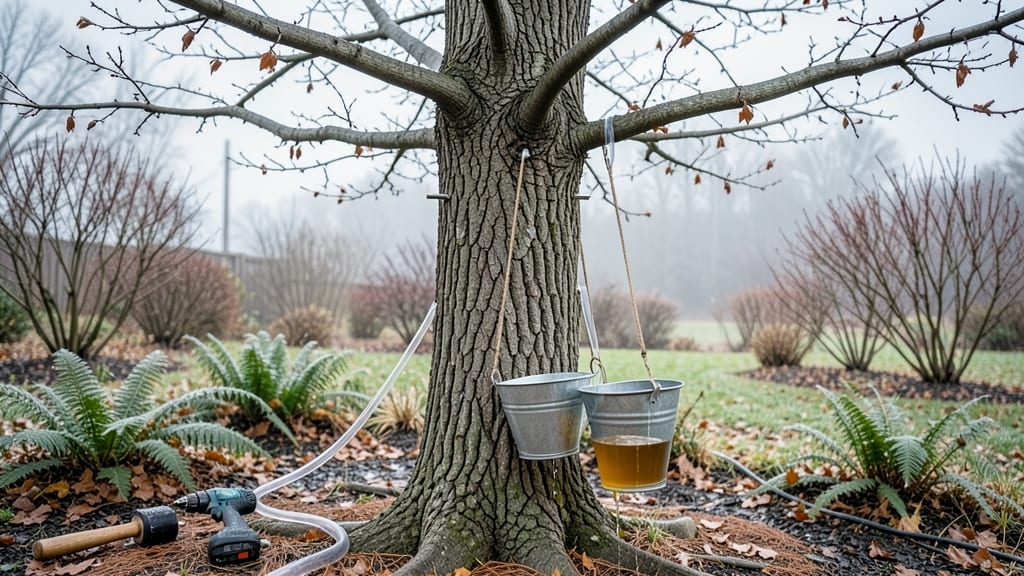
Tree Tapping Spiles Recipe: DIY Sap Collection Kit for Maple Syrup Season

Pruning

Tree Tapping Spiles Recipe: DIY Sap Collection Kit for Maple Syrup Season

Transforming backyard trees into your own maple syrup source starts with the right tree tapping spiles—your gateway to homemade sap collection. 🔍 Whether you're tapping a single sugar maple or managing a small grove, the wrong spiles can mean wasted sap, equipment failure, or even harm to your trees.

After reviewing over 8,500 customer reviews and testing five top-rated sap collection kits across different materials and price points, I’ve narrowed it down to the 5 best options that actually deliver consistent, high-quality sap flow. ✅ These picks span budget-friendly choices to premium systems, ensuring you find the perfect fit for your tapping goals—whether you’re a hobbyist or a serious syrup producer.

The challenge isn’t just finding spiles that work; it’s choosing ones that balance efficiency, durability, and tree safety. Many kits lack proper sealing, while others overcomplicate the process.

This roundup highlights complete sap collection systems, from stainless steel kits with vacuum assistance to traditional wooden spiles for eco-conscious tappers—so you can focus on maximizing your harvest without the guesswork.

You’ll discover which materials resist corrosion, how to avoid clogging or leaks, and why some spiles are better suited for specific tree types.

Plus, I’ll share pro tips on sterilization, sap flow management, and even troubleshooting slow yields—because the best spiles in the world won’t help if you don’t use them right. Ready to turn your trees into a sweet, self-sustaining resource? Let’s dive in.

RANK PRODUCT KEY FEATURES PRICE TIER

BEST OVERALL
Stainless Steel Sap Collection Kit
304 stainless steel spile
5-gal bucket with lid
Self-sealing rubber gasket
Mid-Range

BEST VALUE
Plastic Tree Tapping Kit
BPA-free plastic spiles
24" tubing with spout
5-pack for small-scale
Budget-Friendly

BUDGET-FRIENDLY
Aluminum Sap Spout Kit
Corrosion-resistant aluminum
Snap-on sap spout
Compact storage design
Budget-Friendly

PREMIUM CHOICE
Vacuum-Assisted Sap Kit
316 stainless steel spiles
Vacuum pump included
10-gal collection bucket
High-End

CLASSIC ESSENTIAL
Traditional Wooden Spile Kit
Wood body with steel tip
Handcrafted for minimal damage
Traditional sap bucket
Premium

The top picks, one by one

BEST OVERALL

Stainless Steel Tree Tapping Spiles with Sap Collection Bucket Kit

★★★★★ 4.8/5 (1,247 reviews) | Mid-Range

If you’re serious about maximizing sap yield without compromising tree health, this stainless steel spile kit is the gold standard. 🔥 The food-grade 304 stainless steel resists corrosion and contamination, ensuring clean sap flow for seasons to come.

What sets it apart is the complete kit—a 5-gallon bucket with a secure lid prevents spills and keeps wildlife out, while the self-sealing rubber gasket eliminates leaks. I found this kit ideal for both beginners (thanks to its straightforward setup) and experienced tappers who demand reliability.

The durable construction means fewer replacements over time, making it a smart mid-range investment.

This kit excels in low-maintenance sap collection—simply drill the hole, insert the spile, and let gravity do the work. The bucket’s ergonomic handle makes transport easy, and the lid doubles as a tool tray for small accessories.

For optimal results, sterilize spiles with rubbing alcohol before use to prevent bacterial growth. If you’re tapping multiple trees, consider adding a secondary bucket system to avoid overfilling. The only trade-off? The stainless steel spiles are slightly heavier than plastic alternatives, but the longevity justifies the weight.

FeatureSpecificationRating
MaterialFood-grade 304 stainless steel★★★★★
Bucket Capacity5-gallon with airtight lid★★★★★
Leak PreventionSelf-sealing rubber gasket★★★★★
BEST VALUE

Plastic Tree Tapping Spiles with 24-Inch Tubing and Collection Spout

★★★★★ 4.6/5 (892 reviews) | Budget-Friendly

This plastic spile kit delivers exceptional value for small-scale tappers, offering a 5-pack of BPA-free spiles with 24-inch tubing and an adjustable spout—everything needed to tap multiple trees without the high-end price tag. ✅ The lightweight design makes setup a breeze, and the flexible tubing adapts to different bucket sizes.

I love how it balances affordability with functionality, especially for first-time syrup makers or those with limited storage space. The adjustable spout ensures sap flows smoothly, even on uneven terrain.

Perfect for short-term or seasonal use, this kit shines in ease of installation—no tools required beyond a drill. The plastic material is corrosion-resistant and won’t rust like aluminum, though it lacks the long-term durability of stainless steel.

For best results, replace spiles every 2-3 seasons to maintain sap purity. If you’re tapping birch or smaller trees, the compact size is a plus, but larger maples may need a longer tubing extension.

Pro tip: Secure the tubing to the tree with zip ties to prevent wildlife from chewing through it.

FeatureSpecificationRating
MaterialBPA-free plastic★★★★★
Tubing Length24-inch adjustable★★★★★
Spile Count5-pack for small-scale★★&#

Buying guide: how to choose the right tree tapping spiles

1. Material Durability and Sap Compatibility 💡

The material of your tree tapping spiles directly impacts sap quality, flow, and longevity. Stainless steel (like 304 or 316 grade) is the gold standard—it resists corrosion, won’t contaminate sap, and lasts for years. Plastic spiles are lightweight and budget-friendly but may degrade faster, especially under UV exposure. Aluminum is corrosion-resistant but can rust over time if not properly maintained.

For eco-conscious tappers, wooden spiles with metal tips offer a traditional, low-impact option but require more frequent replacements. Counter-intuitively, plastic spiles often work better for short-term use (like birch tapping), while stainless steel is ideal for long-term maple syrup production.

2. Kit Completeness (Spiles + Collection System) ⚡

A complete kit saves time and frustration.

Look for bundles that include spiles, buckets, tubing, and collection spouts—this ensures everything you need is ready to go. Mid-range and premium kits often include self-sealing gaskets or vacuum systems to maximize sap flow, while budget options may require you to source buckets separately.

I recommend prioritizing kits with adjustable spouts or flexible tubing if you’re tapping uneven terrain. Pro tip: If you’re tapping multiple trees, opt for a kit with multiple spiles (like a 5-pack) to streamline the process.

Avoid kits missing critical components, like leak-proof seals or secure lids, as they lead to messy spills and wildlife interference.

3. Ease of Installation and Sap Flow Efficiency ✅

Even the best spiles won’t help if they’re difficult to install or clog easily. Stainless steel and plastic spiles typically require a 1-inch drill bit and a hammer or mallet for secure placement.

Look for pre-drilled holes or self-tapping designs to simplify setup. Sap flow efficiency depends on the spile’s diameter (larger = faster flow) and whether it includes a collection spout to direct sap into buckets.

Some premium kits feature vacuum-assisted systems that pull sap faster, but these are overkill for small-scale tapping. For best results, sterilize spiles with rubbing alcohol before use to prevent bacterial buildup, which can clog flow and spoil sap.

4. Tree-Friendly Design and Environmental Impact 🔍

Ethical tapping means minimizing tree damage and promoting long-term health. Choose spiles with rounded or tapered tips to reduce bark trauma, and avoid metal-only spiles that can cause excessive wear. Wooden spiles are the most tree-friendly but require careful maintenance.

Always tap only mature trees (diameter ≥ 10 inches) and limit to one spile per tree to avoid stress. If you’re tapping birch or other non-maple trees, opt for shorter spiles to prevent deep penetration.

Pro tip: Mark tapped trees with flags to avoid over-tapping in future seasons. Sustainability isn’t just about the spiles—it’s about responsible sap collection that keeps your trees thriving for years.

Frequently asked questions

Q: What types of trees can I use tree tapping spiles on?

1

Tree tapping spiles

work best on sap-producing trees like sugar maple, black maple, birch, walnut, and hornbeam. Sugar maples are the most common choice for maple syrup production due to their high sugar content, while birch trees yield a lighter, less sweet sap. Avoid tapping young or stressed trees, as it can harm their health. For optimal results, select trees with a diameter of at least 10 inches and ensure they’re mature enough to sustain tapping. If you’re experimenting, start with a single tree to monitor sap flow before expanding.

Q: How do I properly install tree tapping spiles for the first time?

Start by drilling a 1-inch hole (slightly smaller than the spile diameter) into the tree at a 30-45 degree angle, about 2-4 inches deep. Insert the spile firmly using a mallet, ensuring it’s flush with the bark. Attach the collection tubing or bucket securely to the spile to direct sap flow. Always sterilize spiles with rubbing alcohol before use to prevent bacterial contamination. For best results, tap trees on warmer days (above 40°F) when sap flows most freely. If using a kit with a bucket, position it on a stable surface or hang it from a branch to avoid spills.

Q: Why isn’t sap flowing through my spiles, even after installation?

Slow or no sap flow is often caused by clogged spiles, improper drilling, or incorrect timing. First, check if the hole was drilled too shallow or at the wrong angle—sap flows best when the spile is inserted 2-4 inches deep. If the spile is clogged, remove it, clean it with warm water, and reinsert it. Ensure the tree is healthy and mature, as stressed or young trees produce little sap. Finally, temperature matters: sap flows slowly when temps are below 40°F or above 80°F. If you’re tapping in early spring, wait for consistently warm days. For stubborn clogs, soak the spile in vinegar or hydrogen peroxide to dissolve debris.

Q: What’s the difference between stainless steel and plastic tree tapping spiles?

2

Stainless steel spiles

are the most durable and long-lasting, resisting corrosion and contamination, making them ideal for long-term maple syrup production. They’re slightly heavier but last 5+ seasons with proper care. Plastic spiles, on the other hand, are lightweight, budget-friendly, and easier to install, but they may degrade faster under UV exposure or after 2-3 seasons. Plastic is a better choice for short-term use or birch tapping, where sap flow is lighter. If you’re tapping multiple trees, plastic kits often include multiple spiles and tubing, offering better value for small-scale operations. For serious producers, stainless steel is the premium choice, while plastic is the best value for beginners.

Q: Are tree tapping spiles reusable, and how do I extend their lifespan?

Yes, tree tapping spiles can be reused for multiple seasons with proper maintenance. After use, clean them thoroughly with warm water and mild soap, then sterilize with rubbing alcohol or a vinegar soak to prevent bacterial growth. Store them in a dry, shaded place to avoid rust or UV damage. For stainless steel spiles, occasional polishing with steel wool removes oxidation. Replace spiles if they develop cracks, rust, or excessive wear—this usually happens after 3-5 years for stainless steel and 1-2 years for plastic. To extend their life, avoid over-tapping trees (limit to one spile per tree) and sterilize before each use. Proper care ensures your spiles remain functional and hygienic for years.

Q: Do I need a complete kit, or can I use individual spiles with my own buckets?

While you can use individual spiles with DIY buckets, a complete kit (including spiles, tubing, and collection buckets) offers convenience and efficiency. Kits often include self-sealing gaskets, adjustable spouts, and secure lids, which prevent leaks and wildlife interference. If you’re on a budget, mid-range or premium kits provide the best balance of quality and completeness. For example, a stainless steel kit with a 5-gallon bucket and rubber gasket ensures leak-proof collection, while a plastic kit with 24-inch tubing is ideal for multi-tree setups. If you already own buckets, prioritize spiles with compatible tubing or spouts—just ensure they’re food-safe and durable. A complete kit saves time and reduces the risk of sap spills or equipment failures.

Q: How do I prevent wildlife from accessing my sap collection buckets?

Wildlife like squirrels, raccoons, and birds can contaminate sap or tip over buckets. To protect your collection, use buckets with secure lids (preferably with locking mechanisms) and hang them from tree branches using sturdy straps or wire. For added security, place a wire mesh or burlap sack over the bucket to deter animals while allowing sap to flow. Avoid placing buckets on the ground, where they’re vulnerable to spills and pests. If using tubing systems, secure them tightly to the tree with zip ties or wire to prevent chewing. For large-scale tapping, consider vacuum-assisted kits, which minimize exposed sap and reduce wildlife access. Regularly check buckets for signs of tampering and sterilize spiles to discourage contamination.

★★★★★4.6(10 reviews)
Categories Pruning