
Pests
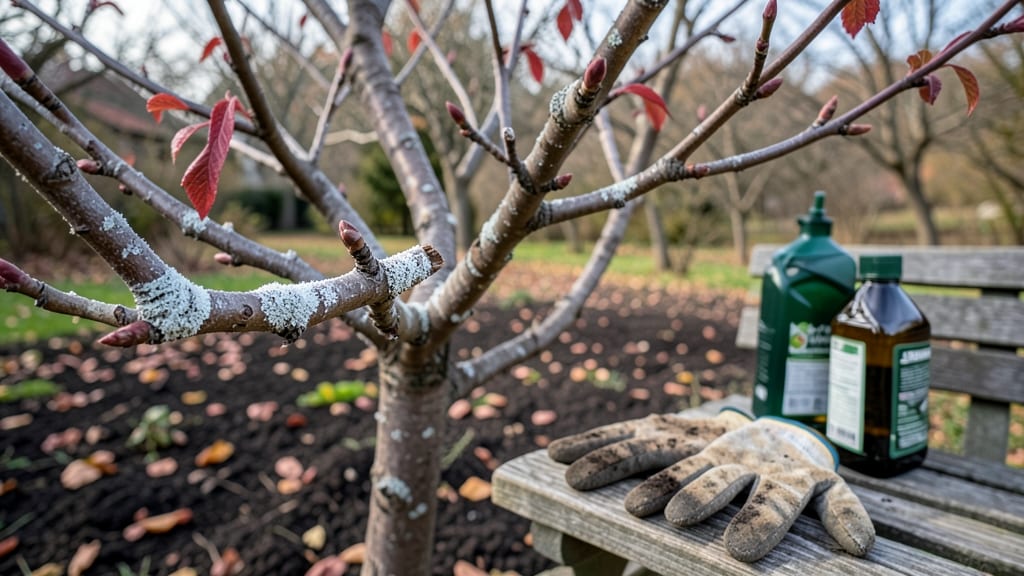
That white stuff on your tree branches isn't just unsightly—it could be telling you whether your tree is healthy or under attack. 🌿 I've seen everything from harmless lichen to powdery mildew that weakens branches, and knowing the difference saves trees (and headaches).
The first step is figuring out what you're dealing with: is it powdery, crusty, or fuzzy? Each type needs a different approach.
Most white growth falls into three categories: lichen (usually harmless), fungal infections (like powdery mildew or sooty mold), or insect-related buildup (from sap-sucking pests). The key is checking the texture—lichen feels rough like sandpaper, while mildew is powdery and wipes off easily.
If it's sticky or accompanied by black soot, you're likely dealing with an insect problem that needs immediate attention.
Once you identify it, the solution varies. For lichen, just leave it—it doesn't harm the tree. Fungal infections need pruning out affected branches and fungicide treatments, while insect-related white stuff requires targeted sprays or beneficial insects. The goal is to restore your tree's health without causing more damage.
Prevention is easier than cleanup, so focus on proper watering, airflow, and regular inspections. If the infestation is severe or the tree is large, don't hesitate to call an arborist—they have the tools and expertise to handle it safely. Your tree will thank you with stronger branches and better growth.
Root Causes Of Tree Branch Whiteness
The mysterious white coatings on tree branches aren’t just random—each type has a distinct origin, often tied to moisture, fungi, or even tiny organisms. Understanding the why behind these deposits helps you identify whether it’s harmless or a sign your tree needs attention.
Below, we break down the science behind the most common causes, from fungal spores to mineral buildup.
Fungi are the most frequent culprits behind white (or grayish) patches on branches. These organisms thrive in damp, shaded conditions, breaking down organic matter and sometimes harming tree health. Here’s how it happens:
- Lichen: A symbiotic partnership between fungi and algae or cyanobacteria. The algae provide food via photosynthesis, while the fungus offers structure and moisture retention. Lichen appears as crusty, flaky, or leafy white, gray, or greenish patches—often on bark or branches. It’s harmless to trees but can indicate poor air quality if widespread.
- Powdery Mildew: A fungal disease that creates a white, powdery coating on leaves and young branches. It spreads via wind or splashing water, thriving in humid, low-light conditions. Unlike lichen, powdery mildew can weaken trees by blocking sunlight and clogging pores.
- White Mold (e.g., Oidium or Erysiphe): Similar to powdery mildew but often more aggressive. These fungi release spores that land on branches, forming a fuzzy white layer. Severe infections can lead to leaf drop and stunted growth.
💡 Pro Tip: If the white substance wipes off easily (leaving no residue), it’s likely lichen or mold. If it’s stubborn and accompanied by yellowing leaves, fungal disease may be spreading.
White crusts or streaks on branches can also be inorganic—often the result of environmental factors like pollution, irrigation, or even bird activity. Here’s how it forms:
- Salt or Mineral Buildup: Trees near roads (especially in winter) or those irrigated with hard water may develop white, chalky deposits. Salt from de-icing chemicals or minerals like calcium carbonate (from water) crystallize on bark as moisture evaporates. This is cosmetic but can irritate bark over time.
- Bird Droppings and Nesting Debris: Birds like pigeons or sparrows leave behind white guano (droppings) that can accumulate on branches. While not harmful to healthy trees, it can attract pests or promote fungal growth if left unchecked.
- Gypsum or Lime Dust: In agricultural areas, windborne particles from gypsum (calcium sulfate) or lime applications may settle on branches, creating a white film. This is more common in orchards or vineyards.
🔍 Test It: Rub a small patch with your finger. If it smudges like chalk or leaves a gritty residue, it’s likely mineral-based. No residue? Probably organic (lichen/mold).
Some white substances aren’t the main act—they’re a side effect of tiny pests wreaking havoc. Here’s how insects contribute:
- Scale Insects: These sap-sucking pests secrete a white, waxy coating to protect themselves from predators and desiccation. Heavy infestations can weaken trees by starving them of nutrients. Look for sticky residue (honeydew) beneath the white patches.
- Mealybugs: Similar to scale, these insects produce a cottony, white mass as a protective shield. They thrive in warm, dry conditions and often target stressed or overwatered trees.
- Spider Mites (Webbing Stage): While not white themselves, their fine webs can trap dust, pollen, or fungal spores, creating a faint white appearance on branches. Severe infestations lead to leaf discoloration and premature drop.
🚨 Warning Signs: If the white substance is clumpy, sticky, or accompanied by sooty mold (black fungus growing on honeydew), insect activity is likely the cause. Act quickly—these pests multiply fast!
Sometimes, white deposits are a cry for help from stressed trees. Environmental factors can trigger conditions that promote fungal growth or weaken defenses:
- High Humidity + Poor Airflow: Trees in dense forests or urban areas with little ventilation are prone to fungal infections. Stagnant air traps moisture, creating the perfect breeding ground for powdery mildew or lichen.
- Overwatering or Poor Drainage: Waterlogged soil encourages fungal spores to latch onto branches. If the tree’s roots are suffocating, its immune system weakens, making it vulnerable to white coatings.
- Pollution and Acid Rain: In industrial or high-traffic areas, acidic rain or airborne pollutants can alter bark pH, making it easier for lichen or mold to take hold. The white patches may also be a response to chemical stress.
🌡️ Climate Check: White growth is often worse in spring and fall (high humidity) or after prolonged rain. If your area has sudden temperature swings, your tree’s stress levels—and fungal risks—spike.
Now that you know why that white stuff appears, the next step is identifying whether it’s a harmless guest or a threat to your tree’s health. Stay tuned for our diagnostic guide to tell lichen from mold—and how to act!
How to Fix It Naturally
Once you’ve identified the white stuff on your tree branches—whether it’s lichen, mold, or even fungal growth—it’s time to act. The good news? Most cases can be treated safely without harsh chemicals.
Below are targeted solutions based on the root cause, along with prevention tips to keep your trees healthy long-term.
Lichen is mostly harmless, but if it’s spreading or looks unsightly, here’s how to manage it:
🔥 Remove It Safely
- Hand Scrubbing (Best for Small Areas)
- Wear gloves and use a soft-bristle brush or spongy cloth dampened with water.
- Gently scrub the lichen off branches—it should wipe away without damaging bark.
- Pro Tip: 💡 If the lichen is stubborn, mix equal parts water and white vinegar in a spray bottle for a natural loosening agent.
- Pressure Washing (For Larger Trees)
- Use a low-pressure setting (1,500–2,000 PSI max) to avoid stripping bark.
- Keep the nozzle 12+ inches away and spray in short bursts.
- Warning: ⚠️ Avoid this method if your tree has cracks or wounds—water can seep in and cause rot.
🌱 Prevent Future Growth
- Improve Airflow – Thin out dense foliage to reduce humidity near branches.
- Prune Regularly – Remove dead or overlapping branches to limit lichen’s foothold.
- Avoid Overwatering – Lichen thrives in damp conditions, so ensure proper drainage.
Mold and fungal growth can weaken trees over time. Here’s how to eliminate and prevent it:
🍳 Clean the Affected Area
- Baking Soda Solution (Safe & Effective)
- Mix 1 tablespoon baking soda + 1 quart water in a spray bottle.
- Spray directly on the moldy areas, let sit for 15–30 minutes, then rinse with water.
- Bonus: 🌡️ This also helps deter future fungal spores!
- Neem Oil Spray (For Stubborn Fungus)
- Combine 1 tablespoon neem oil + 1 teaspoon mild soap + 1 quart water.
- Spray evenly on branches (including undersides) and reapply every 7–10 days until gone.
- Pro Tip: ✨ Test a small area first—neem oil can be strong for some tree species.
🔪 Address the Root Cause
- Check for Overwatering – Ensure soil isn’t soggy; fungal growth loves moisture.
- Remove Debris – Clear fallen leaves, twigs, or mulch piled against the tree trunk.
- Fertilize Properly – Over-fertilizing can stress trees, making them susceptible to fungus.
Some white residue comes from scale insects, aphids, or mealybugs. Here’s how to banish the pests:
👨🍳 DIY Pest Control Methods
- Soap Spray (Gentle but Effective)
- Mix 1 tablespoon castile soap + 1 quart water in a spray bottle.
- Drench infested branches thoroughly, focusing on new growth and leaf undersides.
- Reapply every 5–7 days until pests disappear.
- Horticultural Oil (For Heavy Infestations)
- Use refined horticultural oil (like dormant oil) and spray evenly on branches.
- Best applied early morning or late evening to avoid burning leaves.
- Warning: ⏰ Avoid using oil sprays in hot weather (above 85°F).
🌿 Long-Term Pest Prevention
- Encourage Natural Predators – Ladybugs and lacewings eat aphids naturally.
- Prune Infested Branches – Cut and dispose of heavily infested limbs (don’t compost them!).
- Keep Trees Healthy – Strong trees resist pests better; water deeply but infrequently.
While DIY works for most cases, consult an arborist if:
- The white substance is spreading rapidly (could indicate a serious disease).
- Your tree is already stressed (wilted, oozing sap, or dead branches).
- The tree is large or valuable (professionals have better tools for safe removal).
Final Thought: 🎯 Most white branch issues are easy to fix with the right approach. Start with gentle cleaning, address underlying problems, and prevent recurrence—your trees will thank you!
Frequently asked questions
Is white stuff on tree branches always harmful?
Not necessarily! Many white coatings are harmless, like lichen, which grows naturally on bark. However, if it's powdery (like fungal mildew) or sticky (from insect secretions), it may signal a problem. Always check for accompanying signs like yellowing leaves or black sooty mold before acting.
How do I tell if it's mold vs. lichen?
Rub a small patch with your finger: lichen feels rough like sandpaper and won't wipe away, while mold (including powdery mildew) is powdery and leaves no residue. Another clue: lichen often has colors like gray or greenish, while mold stays pure white. Check the underside of leaves too—mold spreads there first.
Can I use bleach to remove white stuff from branches?
Never use chlorine bleach—it damages bark and can harm the tree. For mold, try a baking soda solution (1 tbsp per quart of water), and for lichen, a vinegar-water mix (1:1 ratio) works better. Always test a small area first, especially on young or sensitive trees.
Why does my tree keep getting white stuff even after treatment?
This often means the root cause isn't addressed. Check for overwatering (fungus loves moisture), poor airflow (prune dense branches), or hidden pests (inspect leaf undersides). If the problem persists, the tree may be stressed—consider soil testing or consulting an arborist for deeper issues.
Is it safe to pressure wash white growth off branches?
Only if you use low pressure (1,500-2,000 PSI max) and keep the nozzle 12+ inches away. High pressure can strip bark or force water into wounds, causing rot. For delicate trees, hand scrubbing with a soft brush is gentler. Always avoid spraying during hot weather or when the tree is already stressed.