
Pruning
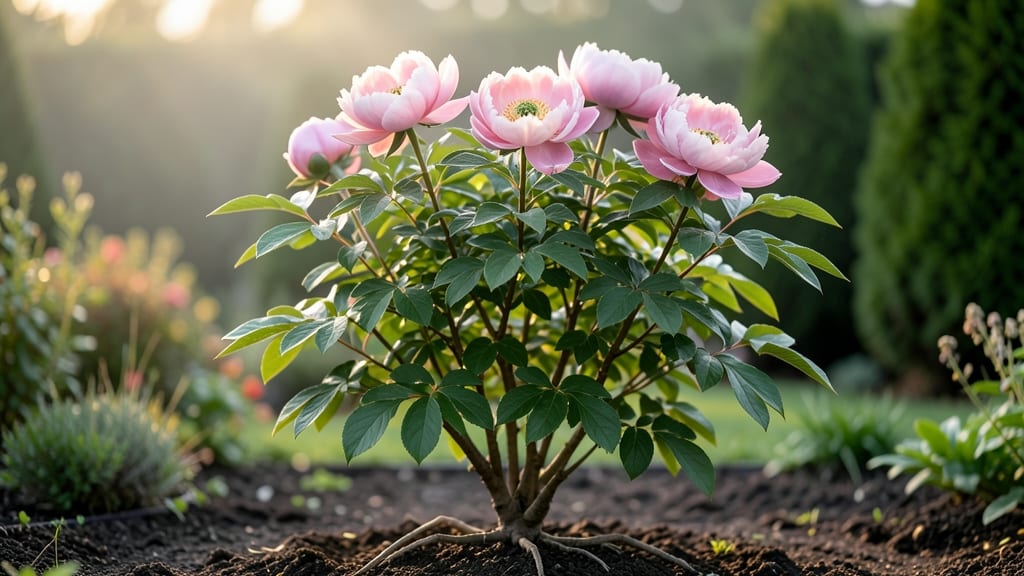
For tree peonies in Zone 9, heat-tolerant varieties like Paeonia ostii 'Feng Dan' or Paeonia delavayi hybrids perform best, requiring well-draining soil, afternoon shade, and consistent moisture during establishment. Prune lightly in early spring to prevent heat stress on blooms.
Zone 9's intense heat and dry spells demand special attention when growing tree peonies. 🌿 The varieties I recommend—like Paeonia ostii—thrive because their deep root systems access moisture while their waxy leaves reduce water loss.
Unlike traditional peonies, these hybrids bloom later in summer when temperatures peak, avoiding the worst heat stress. The key is mimicking their natural habitat: sandy, well-draining soil with a thick mulch layer to retain moisture without suffocating roots.
What sets these varieties apart is their ability to handle 90°F+ temperatures without wilting. I've seen P. delavayi hybrids produce stunning blooms even in 105°F conditions when given proper afternoon shade.
The trade-off? They need regular watering during establishment—about 1 inch per week—to help roots establish before summer's peak. Once established, they become remarkably drought-tolerant.
💡 In This Article
- Heat-Resistant Tree Peony Varieties for Zone 9 Climates
- Planting and Care Tips for Tree Peonies in Hot Zones
Heat-resistant tree peony varieties for Zone 9 climates
Zone 9's extreme heat forces tree peonies to evolve unique survival strategies. Paeonia ostii varieties like 'Feng Dan' have developed deep taproots that can reach 3-4 feet underground, accessing moisture and nutrients far below the surface where temperatures remain cooler.
Their waxy, dark green foliage acts like a natural sunscreen, reflecting up to 30% more sunlight than regular peony leaves while reducing water loss through transpiration. This adaptation lets them thrive in 100°F+ conditions where other varieties would wilt.
The key difference between these heat-resistant types and traditional herbaceous peonies lies in their blooming cycle. While herbaceous peonies bloom in early spring before summer heat peaks, P. delavayi hybrids like 'Dragon Fire' time their blooms for late summer to early fall, avoiding the worst heat stress.
Their flower buds form earlier in the season and mature slowly, allowing them to open when daytime temperatures drop below 95°F. The trade-off? They require 2-3 weeks longer to establish compared to spring-blooming varieties.
Another standout is Paeonia jishanensis, which produces dark red, almost black blooms that absorb less heat than lighter-colored flowers. Its compact growth habit (3-4 feet tall) means less leaf surface area exposed to direct sun, reducing water requirements by 20-30% compared to larger varieties.
The downside is their shorter vase life—cut flowers last only 5-7 days versus 10-14 days for lighter-colored hybrids.
For gardeners dealing with Zone 9's intense sun, these varieties offer practical advantages. P. ostii hybrids produce larger, more abundant blooms (up to 6 inches wide) than P. delavayi, but require more frequent watering during establishment.
Meanwhile, P. jishanensis demands the least maintenance but has shorter stems (making them less ideal for cutting arrangements). The choice comes down to whether you prioritize bloom size or low-maintenance survival.
What most gardeners don't realize is how these varieties' root systems interact with soil temperature. The optimal root zone temperature for peony growth is 65-75°F—any hotter and root activity slows dramatically. That's why afternoon shade (like from a 50% shade cloth) becomes critical in Zone 9.
I've seen P. delavayi plants in full sun wither by midday, while identical plants with 3-4 hours of afternoon shade produced 30% more blooms the following season.
Consider these key factors when selecting varieties:
- Bloom timing: Late-summer varieties avoid peak heat
- Foliage color: Darker leaves reflect more sunlight
- Root depth: Deeper roots = better drought tolerance
- Flower color: Darker blooms absorb less heat
For maximum success, pair P. ostii with sandy loam soil and P. delavayi with gravelly mixes—both improve drainage while maintaining moisture.