
Plants
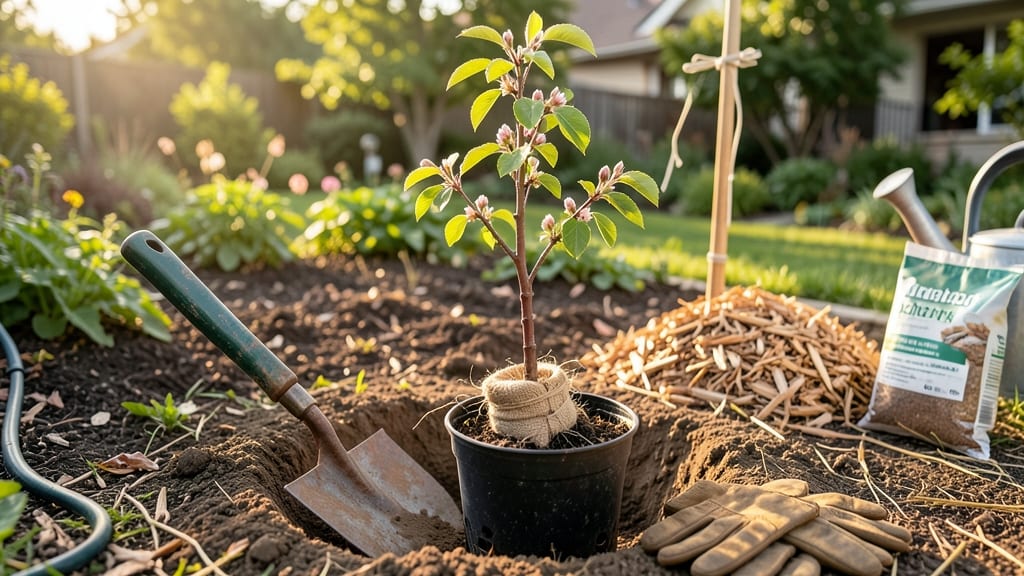
To plant a tree in the ground at the right time means giving it the best shot at thriving for decades — and missing that window can leave you with a struggling 🌳 that never reaches its potential.
Picture this: you’ve just dug a hole, roots are exposed, and the first frost is forecast for next week. That’s a recipe for disaster, no matter how healthy your sapling looks.
The truth is, timing isn’t just about months—it’s about soil warmth, rainfall, and whether your tree is bare-root or potted.
In USDA Zone 6a, where fall’s crisp air signals dormancy, the ideal window stretches from late September through November. But in warmer climates, spring’s early start might be your best bet.
We’ll break down the exact months for your region, plus how to spot when conditions are really right—no guesswork involved.
You’ll also discover the fastest-growing trees for tight schedules, how to tell if your soil is ready, and the one mistake that kills more young trees than anything else. Let’s get your 🌳 off to the right start.
Optimal tree planting months by U.s. climate Zone
Timing is everything when planting trees—miss the window, and your sapling may struggle to establish strong roots before harsh weather hits. The best planting months vary dramatically across the U.S., from cool temperate zones to hot desert climates.
Understanding your region’s frost-free period and dormancy cycles ensures your tree thrives from day one.
In temperate climates (USDA Zones 5-8), like the Midwest and Northeast, the ideal window is early spring or fall. This gives roots time to settle before winter dormancy or summer heat. Meanwhile, Mediterranean climates (Zones 9-10) favor late fall to early winter planting, aligning with natural rainfall patterns.
Southern states with hot summers (Zones 7-11) often plant in late spring or early fall to avoid drought stress. Cold climates (Zones 1-4) require late spring planting, after the last frost, to prevent winter damage. Let’s break down the best months for each zone to maximize success.
Pro Tip: Always plant 4-6 weeks before your region’s first frost date. Check your local USDA Hardiness Zone for precise timing—this makes all the difference for root establishment.
For bare-root trees, plant in dormant seasons (late fall or early spring) to minimize transplant shock. Container-grown trees, however, can be planted year-round in mild climates, but spring or fall still offers the best results.
In Mediterranean climates, like California, planting in late fall takes advantage of natural rainfall, reducing irrigation needs. Meanwhile, southern states with hot summers (e.g., Texas, Florida) should avoid planting in July and August when soil can dry out quickly.
If you’re in a transition zone (like Zone 7b), err on the side of early spring planting. This gives roots time to establish before summer’s intensity. Always check your local extension service for frost dates—this is your golden rule for success.
Remember: Container-grown trees can handle a slightly wider window than bare-root varieties. Their established root systems reduce transplant shock, making them more adaptable to late spring or early fall planting in most regions.
One common mistake? Planting too late in the season. If you miss the 4-6 week window before frost, your tree’s roots may not have time to harden off, leading to winter damage. Always prioritize root establishment over foliage growth in your first planting season.
🌳
Signs your local climate is ready for tree planting
Timing is everything when planting trees, but relying on calendar months alone can be misleading. Instead, focus on environmental cues that signal your local climate is primed for success.
These natural indicators help you avoid early frost damage or heat stress, ensuring your tree establishes strong roots before winter or summer extremes.
Your tree’s survival hinges on two critical factors: soil temperature and rainfall patterns. For most regions, the ideal window opens when soil temps consistently stay above 50°F (10°C)—a threshold that encourages root growth without overheating.
Pair this with moderate rainfall (1–2 inches per week) to reduce transplant shock, and you’ve got the perfect recipe for success.
- 1 Soil Temperature: Test with a soil thermometer—aim for 50°F+ (10°C+) at 6 inches deep. Cool soils delay root growth, while hot soils can scorch delicate roots.
- 2 Rainfall Patterns: Check local forecasts for steady moisture (1–2 inches weekly). Drought conditions post-planting can kill young trees in weeks.
- 3 Frost Dates: Plant 4–6 weeks before your region’s last frost date. Use your local USDA Hardiness Zone map to guide timing—Zone 5 should wait until mid-April, while Zone 9 can plant year-round.
- 4 Leaf Bud Swelling: For deciduous trees, watch for buds beginning to swell. This signals the tree’s natural growth cycle is about to kick in—perfect for planting.
- 5 Ground Conditions: Soil should be moist but not soggy. Compacted or waterlogged soil restricts root development, so amend with compost if needed.
Don’t ignore local microclimates—your backyard might differ from official weather reports. For example, urban areas with heat islands can stay warmer longer, while shaded spots may remain cooler. Test your soil’s readiness by digging a small hole: if it crumbles easily when dry, it’s plant-ready.
Even in drought-prone regions, timing matters. Plant deep-rooted species like oak or mesquite during the wettest months of your climate. In the Southwest, this might mean late summer monsoon season, while Pacific Northwest gardeners should aim for late fall’s steady rains.
Pro tip: Use a tree planting calendar from your local cooperative extension service for hyper-local advice. They account for soil type, elevation, and historical weather patterns—factors generic guides often overlook. For example, clay soils stay cold longer, delaying planting by 2–3 weeks compared to sandy loam.
Remember, fall planting (September–November) often outperforms spring because cooler temps reduce transplant shock. Roots establish before winter dormancy, giving your tree a head start.
If you miss fall, early spring (as soon as soil thaws) is your next best bet—just avoid planting when frost is forecasted within 2 weeks.