
Blooming
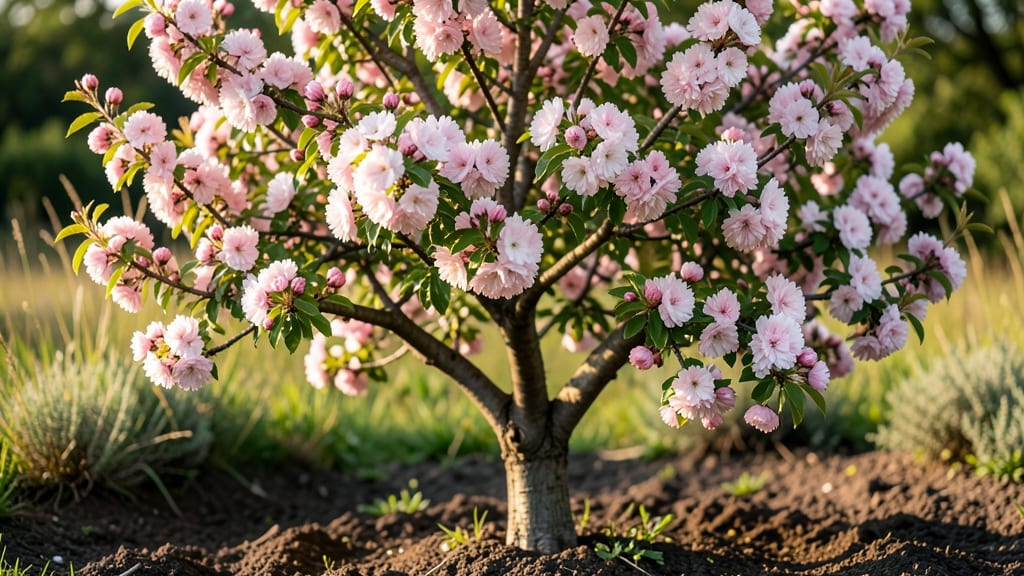
Peach tree blossoms transform your yard into a soft pink dream—but timing varies wildly by zone. 🌸 In my Zone 6 garden, the first buds swell in late March, while my neighbor in Zone 8 sees theirs by February.
That window between dormancy and bloom is where the magic (and the stress) happens.
The exact timing depends on variety too—some like 'Elberta' burst into bloom 2-3 weeks earlier than 'Redhaven'. Cold snaps can delay them, while warm winters might push blossoms too early.
That's why I mark my calendar for late winter pruning and watch for those first pale buds—my cue to start pest monitoring.
When those blossoms arrive, they're a fleeting show—just 7-10 days of full bloom before fruit sets. The pink petals create the perfect backdrop for bees, but they also signal you to prep for fruit thinning later.
Miss this window, and you'll end up with too many peaches competing for energy.
No matter your zone, the key is watching for those first pink-tipped buds—they're your garden's way of saying "spring is coming." That's when I start my seasonal checklist: pruning tools sharpened, pest traps ready, and my camera charged for the annual blossom photoshoot.
📚 In This Guide
- What you need
- Instructions
- Tips and common mistakes
- Wrapping up and next steps
What you need
- ● Digital or film camera (or smartphone with high-quality camera—at least 12MP for crisp shots).
- ○ Tripod or monopod (optional but highly recommended for steady shots of towering trees).
- ● Wide-angle lens (16-35mm) (captures full blossom canopies; f/2.8 or faster for low-light conditions).
- ○ Macro lens (100mm+) (optional, for close-up details of petals and bees).
- ○ External flash or reflector (optional, for even lighting on cloudy days).
- ● Notebook or digital calendar (to log peak bloom dates by USDA zone).
- ● Garden gloves (lightweight, breathable fabric for handling branches).
- ● Pruners or shears (small, bypass-style for trimming overgrown branches post-bloom).
- ● Research local nurseries for early-, mid-, or late-blooming varieties (e.g., ‘Redhaven’ blooms late April–early May in Zone 7).
- ● Monitor chill hours (peach trees need 300–900 hours below 45°F; use a blank">NOAA weather station for tracking).
- ● Prepare for pollen allergies (pack antihistamines if sensitive!).
- ● Drone with camera (for aerial shots of blossom groves; FAA-compliant!).
- ● Pollen viewer (hand lens) ($10–$20; magnifies 10–40x for up-close science fun).
- ● Blossom-themed journal (sketch petal shapes or press flowers for scrapbooking).
- ● Portable speaker (for picnic breaks under the trees—classic peach-themed playlists encouraged!).
Peach tree blossom time: seasonal beauty calendar with exact months by zone
Here's how to predict your peach tree's bloom window with precision—down to the week—using USDA zones.
☀️ Step 1: Identify Your Zone and Average Last Frost Date
First, find your USDA hardiness zone (zones 5-9 grow peaches commercially). Check the USDA Plant Hardiness Zone Map online if you're unsure—your county extension office can confirm. The key number is your average last frost date in spring, which determines when buds swell and bloom begins.
For example, zone 6 (Midwest) typically sees last frosts around April 15-30, while zone 9 (southern California) averages February 15-March 15. Write this date down—it's your starting point. I always mark it on my calendar with a highlighter because it's the moment buds begin waking up.
🌱 Step 2: Calculate Your Peach Tree's Bloom Window
Peach trees need 100-150 chill hours (below 45°F) to bloom properly. Most commercial varieties bloom 4-6 weeks after last frost, but exact timing varies by cultivar. For example, 'Elberta' blooms about 4 weeks after last frost in zone 6, while 'Redhaven' takes 5 weeks.
Here's how to estimate: Add 4-6 weeks to your last frost date. In zone 7, that puts peak bloom around mid-April to early May. Watch for buds to swell and turn pink—this is your 3-week warning before full bloom. I set a reminder for this date because that's when I start protecting my trees from late frosts.
🌿 Step 3: Track Daily Temperature and Bud Development
Once buds show color, monitor daily highs and lows. Peach blossoms open fully when daytime temperatures reach 60°F consistently for 3-5 days. Use a thermometer near the tree to track—buds are most vulnerable when nights dip below 32°F after opening.
Here's what to watch for: Buds will first appear fuzzy and green (4-6 weeks before bloom), then swell into tight clusters (2-3 weeks before bloom), and finally open into pink flowers (full bloom in 7-10 days). I take daily photos of my tree's progress—it helps me spot when buds are most vulnerable to frost.
⏰ Step 4: Prepare for Frost Protection During Critical Windows
The most dangerous period is 2-3 days after first pink buds appear—this is when flowers are most sensitive to frost. If a 32°F or below forecast arrives during bloom, take action immediately. Cover trees with frost cloth at dusk and remove it at sunrise to prevent heat buildup.
For severe frosts (28°F or below), use overhead sprinklers to create ice insulation. Run water at 1/4 inch per hour until temperatures rise above freezing. I've saved entire crops this way—don't skip this step if frost is forecasted during bloom. Even a light frost can reduce fruit set by 50-70%.
🍑 Step 5: Enjoy Bloom and Plan for Fruit Development
Once full bloom occurs (when 70-80% of flowers are open), mark the date—this determines your harvest window. Peaches need 90-120 days from full bloom to ripen, so add this time to your bloom date to estimate harvest. For example, if your tree blooms on April 20, expect fruit ready around late July to mid-August.
During bloom, avoid pruning or heavy watering—both can stress the tree. Instead, focus on keeping the area around the tree free of debris. After bloom, thin fruit to 6-8 inches apart when they're 1 inch in diameter to ensure larger, higher-quality peaches. This is also when I start monitoring for peach tree borers and applying organic controls if needed.
Tips & tricks for perfect peach tree bloom timing
These practical insights will help you anticipate your peach tree's bloom with confidence—and protect that beautiful blossom from frost damage.
Zone-Specific Timing: Remember that the 4-6 week window after last frost is just a guideline—your tree's exact bloom time depends on its variety. For example, 'Elberta' typically blooms around 4 weeks after last frost in zone 6, while 'Redhaven' takes closer to 5 weeks. Check your specific cultivar's requirements, as some early varieties like 'Sanguine' may bloom just 3 weeks after frost in zone 7.
Visual Cues for Critical Stages: In Step 3, when buds appear fuzzy and green (4-6 weeks before bloom), mark your calendar—this is your first warning. Then watch for tight clusters (2-3 weeks before bloom) and finally pink flowers (full bloom in 7-10 days). I've found that taking daily photos helps me spot these transitions more accurately, especially when comparing against last year's progression.
Frost Protection Prep: The 2-3 days after first pink buds appear is the most critical window for frost damage. Set up your frost cloth and sprinkler system BEFORE buds open—you won't have time to prepare once frost is forecasted. I always test my sprinklers in late winter to ensure they'll work properly when needed. Remember, even a light frost (32°F) can damage flowers, while severe frosts (28°F) can kill them entirely.
Temperature Tracking: Use a reliable thermometer near your tree to monitor daily highs and lows, especially once buds show color. Peach blossoms need consistent daytime temperatures of 60°F for 3-5 days to open fully. I place my thermometer on the north side of the tree to get the most accurate reading of the microclimate where buds develop.
Pro Tips for Peach Tree Blossom Time
- These practical insights will help you anticipate your peach tree's bloom with confidence—and protect that beautiful blossom from frost damage.
- Zone-Specific Timing: Remember that the 4-6 week window after last frost is just a guideline—your tree's exact bloom time depends on its variety.
- Visual Cues for Critical Stages: In Step 3, when buds appear fuzzy and green (4-6 weeks before bloom), mark your calendar—this is your first warning.
Frequently asked questions
Got questions about peach tree blossom time? You’re not alone! Here are some of the most common inquiries—plus quick, practical answers to help you make the most of this magical season.
When is the best time to plant a peach tree for optimal blossoms?
Plant peach trees in early spring (after the last frost) or late fall (6-8 weeks before freezing temps). This gives roots time to establish before dormancy or the first burst of blossoms. For zones 5-9, aim for March-April (spring) or October-November (fall).
Why aren’t my peach tree blossoms opening this year?
Blossoms may skip opening due to late frost (damaging buds), poor pollination (lack of bees or wind), or nutrient deficiencies (low nitrogen/phosphorus). Check for frost damage (brown, mushy buds) and ensure your tree gets 6+ hours of sunlight and regular watering.
Can I force peach tree blossoms indoors for early enjoyment?
Yes! Prune a branch in late winter, submerge it in warm water (70°F+), and place it near a sunny window. Add a drop of honey or sugar to the water to encourage blooming. Expect delicate flowers in 2-4 weeks, but they won’t last long—enjoy them as a fleeting treat!
What’s the difference between peach tree blossoms and fruit tree blossoms?
Peach blossoms are pink to white, cup-shaped, and appear in clusters. Compared to apple (white/pink, single flowers) or cherry (white, smaller clusters), peach blooms are larger, softer-petaled, and often fragrant. Pro tip: Peach trees are self-pollinating, but bees boost fruit production!
How do I protect peach blossoms from pests like aphids or borers?
Use neem oil or insecticidal soap for aphids (spray early morning/evening). For borers, wrap the trunk in tree guard and apply beneficial nematodes in spring. Prune infested branches immediately and dispose of them in sealed bags.
Still curious? Drop your questions below—we’re happy to help you turn your peach tree into a blossom bonanza!
Wrapping up and next steps
Witnessing your peach tree’s blossom time is a magical moment—one that rewards patience with breathtaking beauty and the promise of sweet harvests.
Whether you’re in Zone 5 or Zone 9, knowing the exact months to expect those delicate pink blooms helps you plan, celebrate, and even share the joy with fellow gardening enthusiasts. 🌸
Now that you’re armed with the perfect seasonal calendar, take the next step: mark your calendar, snap photos of the blossoms, and maybe even treat yourself to fresh peaches (or a peach-themed recipe!) when the time comes. Happy gardening—your tree’s showstopping season is just around the corner! 🌱✨