
Diseases
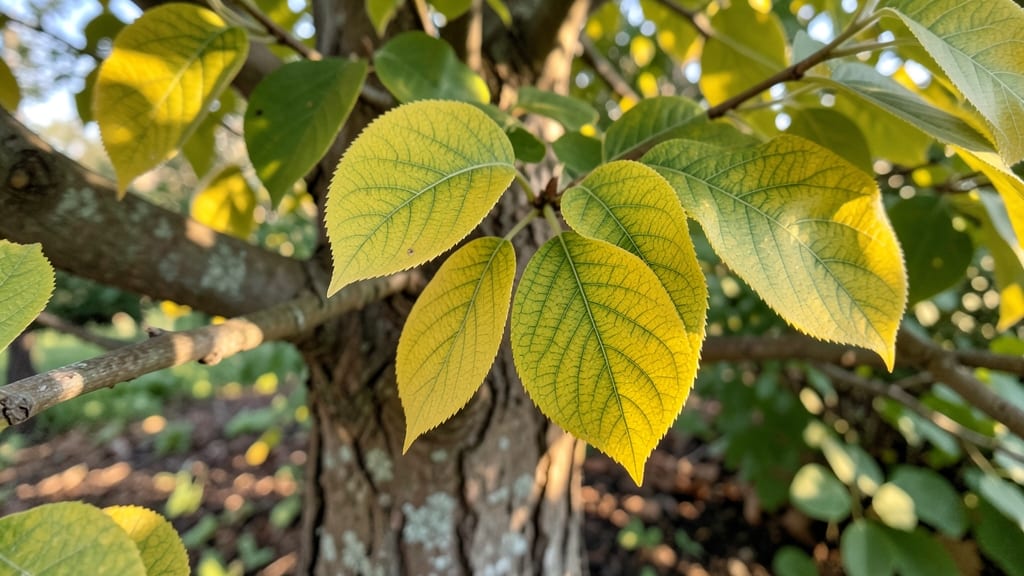
Tennessee’s diverse climate creates ideal conditions for both thriving trees and common leaf diseases. Learn to identify these 10 widespread issues affecting tree leaves across the state—and discover natural, eco-friendly solutions to restore your trees’ health.
Powdery Mildew on Oak Leaves
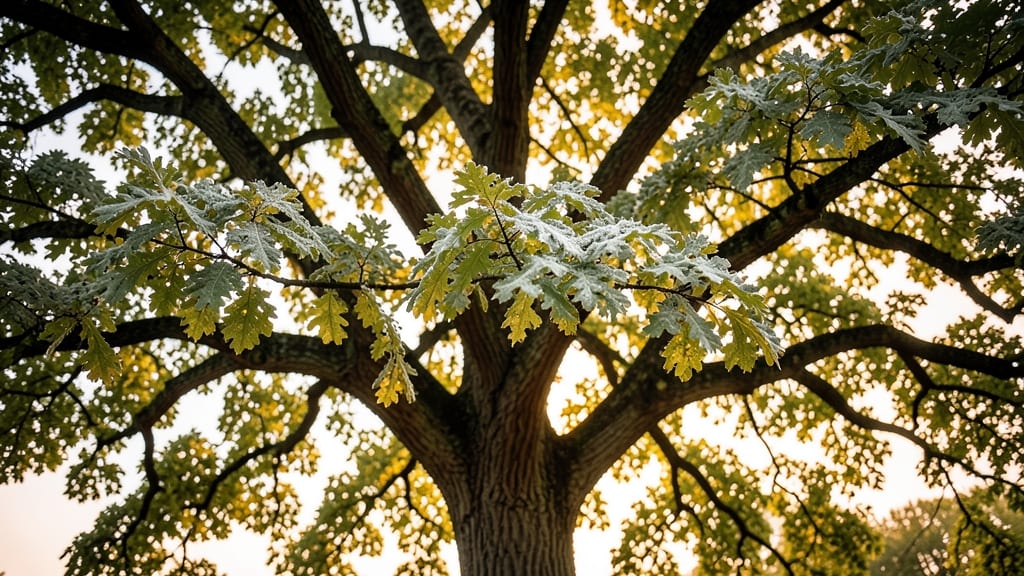
If your oak trees have developed a ghostly white dusting on their leaves this summer, you’re likely dealing with powdery mildew—the most relentless fungal foe in Tennessee’s humid climate. This unsightly but manageable disease thrives in the state’s hot, sticky conditions, turning vibrant foliage into a powdery canvas overnight.
The key to stopping it early is recognizing the white, flour-like coating on leaf surfaces, often starting on the undersides. Unlike harmless dust, this fungal growth spreads rapidly when leaves stay wet for long periods, especially after afternoon thunderstorms. Prune infected branches to improve air circulation, and apply a baking soda spray (1 tsp baking soda + 1 quart water + a drop of soap) every 7–10 days during outbreaks.
Oak lovers in Tennessee’s urban and rural landscapes will find this solution particularly effective—it’s chemical-free and works best when applied in the early morning to prevent fungal spores from settling. Catch it early, and your oaks will bounce back stronger. 🌿
Anthracnose Spots on Maple Leaves
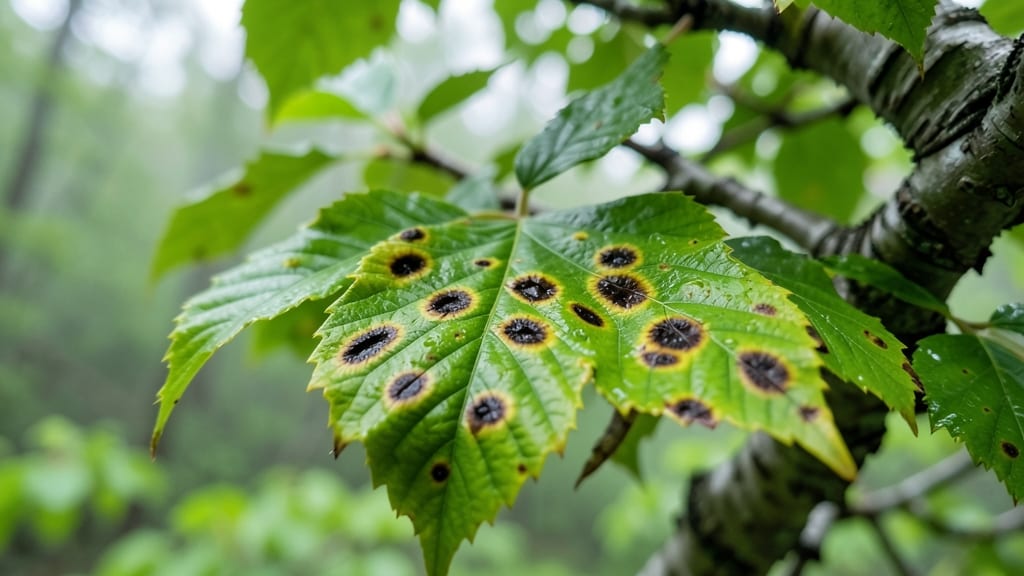
If your maple trees in Tennessee are developing dark, sunken spots with yellow halos, you’re likely dealing with anthracnose—a bacterial disease that thrives in the state’s warm, wet springs. Unlike fungal issues like powdery mildew, anthracnose spreads rapidly, often leading to premature leaf drop if left unchecked.
Look for irregular, dark brown or black spots that appear on both the upper and lower leaf surfaces, often surrounded by yellow rings. The disease worsens in shady, humid conditions, so prune for better airflow and avoid overhead watering. Remove and destroy infected leaves immediately to prevent spores from spreading to other trees.
This disease is especially problematic for young maple trees or those under stress, so focus on prevention by applying a copper fungicide spray in early spring before symptoms appear. Early action can save your tree’s foliage and keep it healthy for years to come. 🌿
Rust Fungus on Pine Needles
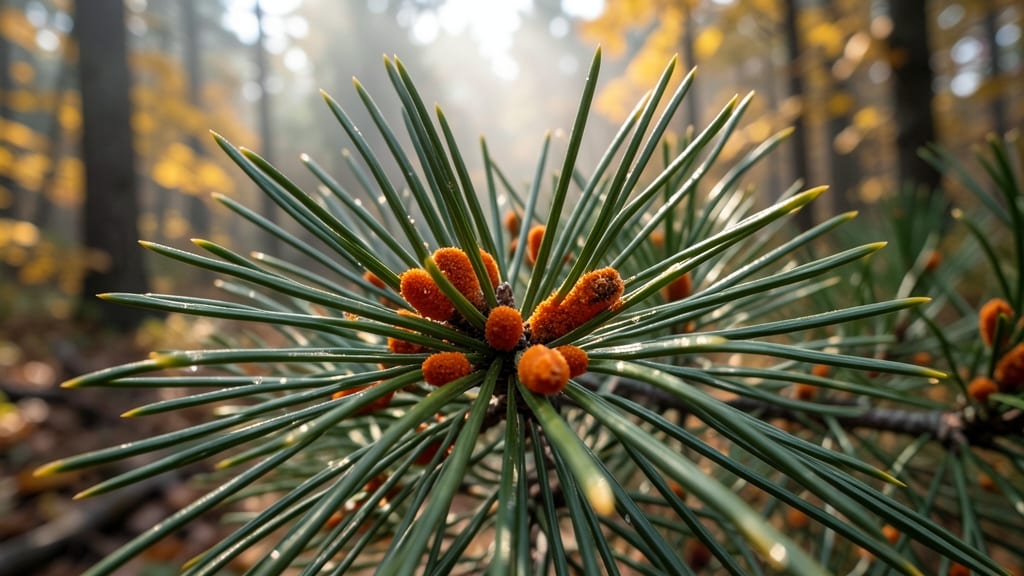
Those bright orange spots on your pine needles might not be just autumn color—they could be rust fungus, a sneaky disease weakening Tennessee’s iconic pine forests. Unlike harmless seasonal changes, this fungal infection thrives in the state’s warm, humid summers, creating pustules that eventually turn brown and crunchy, stunting needle growth.
Look for tiny orange blisters on the undersides of needles, especially on loblolly and shortleaf pines, which are particularly vulnerable. The fungus spreads via windborne spores, so remove heavily infected branches in late fall or winter when spores are dormant. For prevention, thin out dense branches to improve airflow and water trees deeply during dry spells to reduce stress.
Landowners and forest managers should prioritize early action, as infected trees become more susceptible to secondary pests. Even if your pines look healthy now, regular inspections can catch this disease before it spreads. 🌟
Black Walnut Leaf Scorch
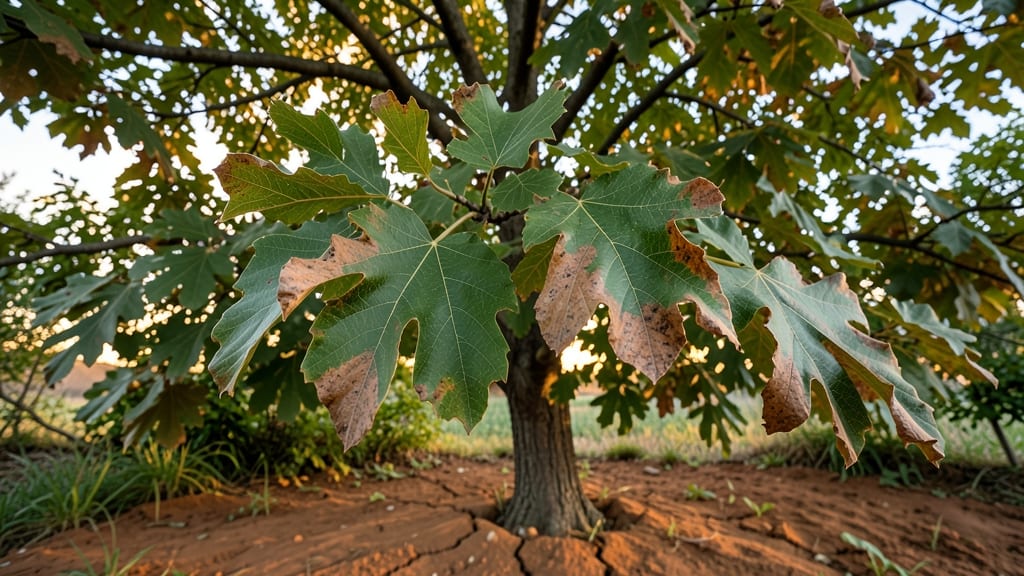
If your black walnut tree’s leaves are developing crispy, brown edges while the centers stay green, you’re likely dealing with leaf scorch—a common stress response in Tennessee’s clay-heavy soils during drought. Unlike fungal diseases, this condition is often reversible with proper care, but early action is key to saving your tree’s health.
Leaf scorch thrives when walnut trees struggle to absorb moisture from compacted clay, causing water stress that manifests as dead leaf edges. To prevent severe damage, water deeply once a week during dry spells (1-2 inches per session) and mulch around the root zone to retain moisture. Avoid overhead watering, which can worsen stress by promoting fungal growth. Prune any severely scorched branches to encourage new growth.
This issue hits hard in Tennessee’s summer heat, but proactive watering can make all the difference for walnut trees in clay soil. Homeowners with mature walnuts will see the biggest benefits from consistent moisture management. 💪
Apple Scab on Fruit Trees
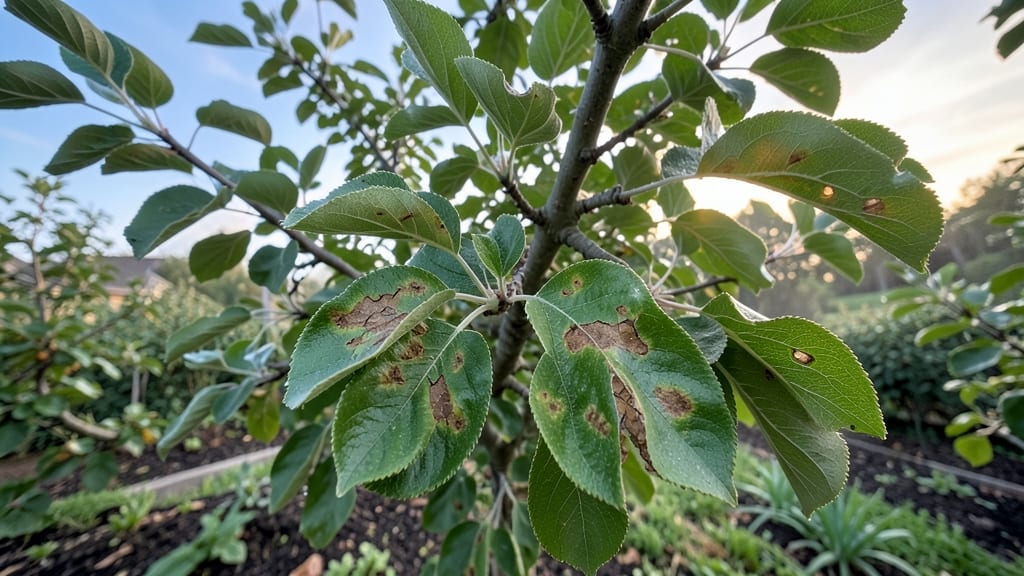
If your apple tree leaves are developing olive-green, velvety spots that eventually turn brown and crack, you’re likely dealing with apple scab—a common fungal disease in Tennessee’s humid orchards that can ruin both foliage and fruit quality.
This disease thrives in wet springs, so early prevention is key. Remove fallen leaves in autumn to reduce spores, and apply organic copper fungicide sprays (like copper sulfate or neem oil) during bud swell in early spring. For existing infections, a baking soda spray (1 tbsp baking soda + 1 tsp oil + 1 gallon water) can help protect leaves and fruit. Prune infected branches in dry weather to improve airflow and reduce humidity around the tree.
Home orchardists and small-scale fruit growers will benefit most from these organic solutions, as they prevent fruit from becoming unsightly and inedible while keeping your harvest safe for consumption. 🌱
Honey Fungus on Dogwood Leaves
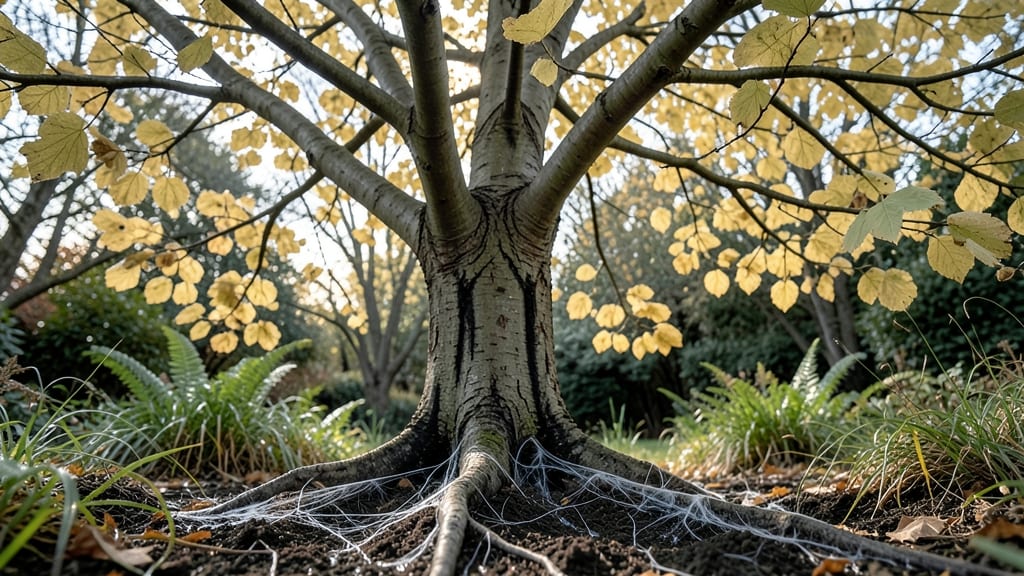
If your dogwood tree is suddenly sporting yellow leaves despite plenty of water, honey fungus might be the culprit. Unlike other leaf diseases, this aggressive root-infecting fungus spreads underground, making it harder to detect until the damage is visible above ground.
Look for white fungal threads at the tree’s base or mushroom-like growths near the roots—classic signs of honey fungus. Since it thrives in Tennessee’s moist, wooded areas, infected trees often decline rapidly. The key to saving your dogwood lies in soil amendments: mix in composted hardwood chips or mycorrhizal fungi to crowd out the pathogen and restore root health.
This disease is especially deadly for dogwoods, so act fast if you spot yellowing leaves. Homeowners in wooded Tennessee properties should check neighboring trees, as honey fungus spreads easily through root contact. 💚
Spider Mite Damage on Sycamore
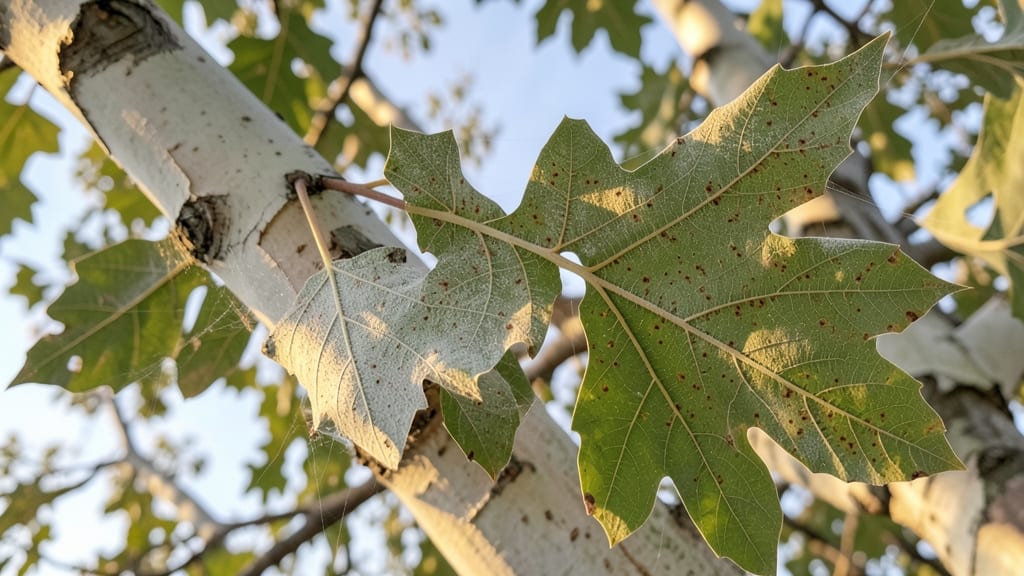
If your sycamore leaves look like they’ve been dusted with chalk or have tiny speckles, spider mites are likely the culprit. These microscopic pests thrive in Tennessee’s dry summer heat, spinning fine webs between leaves while feeding on sap—often going unnoticed until damage is visible.
Check the undersides of leaves for stippling and webbing, especially in full sun areas. A strong blast of water can knock them off, but for persistent infestations, introduce natural predators like ladybugs or lacewings. Prune heavily infested branches to reduce their spread and maintain tree health.
This issue is common in urban landscapes where sycamores grow, making early detection crucial for homeowners and gardeners. 🌿
Cedar Apple Rust on Juniper
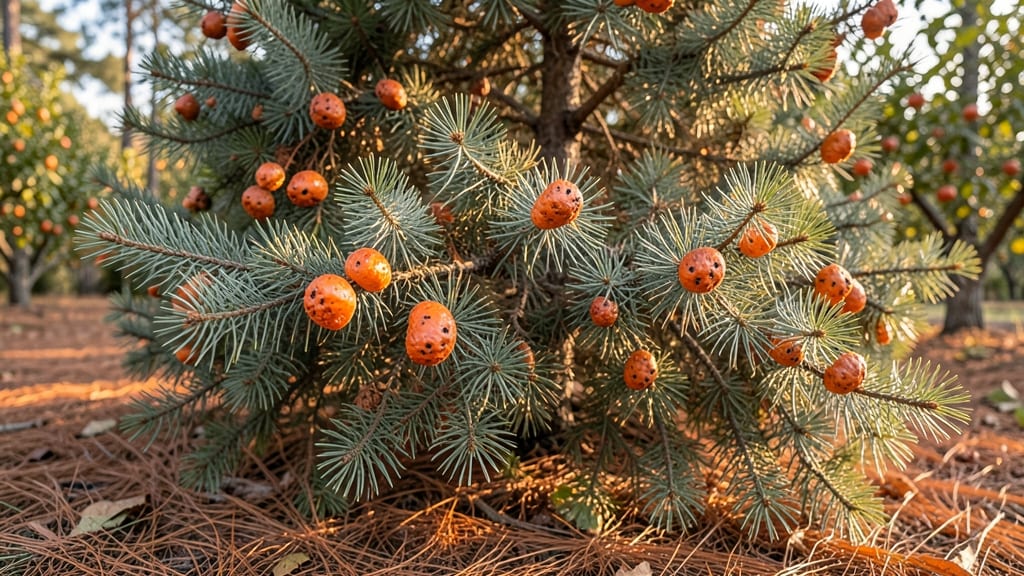
If your juniper bushes are suddenly covered in bright orange galls, don’t assume it’s just a quirky seasonal change—this could be cedar apple rust, a fungal disease that also targets apple trees in Tennessee’s mixed forests. The orange galls on juniper are actually the disease’s spore-producing stage, which will later infect nearby apple trees, causing yellow spots and leaf curling.
To break the cycle, remove and destroy infected juniper branches in late fall or winter when spores are dormant. Space out juniper and apple trees by at least 30 feet to reduce transmission. For apple trees, apply a copper fungicide spray in early spring before buds open, as this disrupts the fungus’s lifecycle. Prune infected apple leaves as soon as you spot them to limit spread.
This disease is especially tricky because it requires both host plants to thrive, making it a common issue in Tennessee’s woodlands and orchards. If you have both juniper and apple trees nearby, monitor them both closely—early action can save your apple harvest and protect your juniper’s health. 🌟
Bacterial Leaf Blight on Tulip Poplar
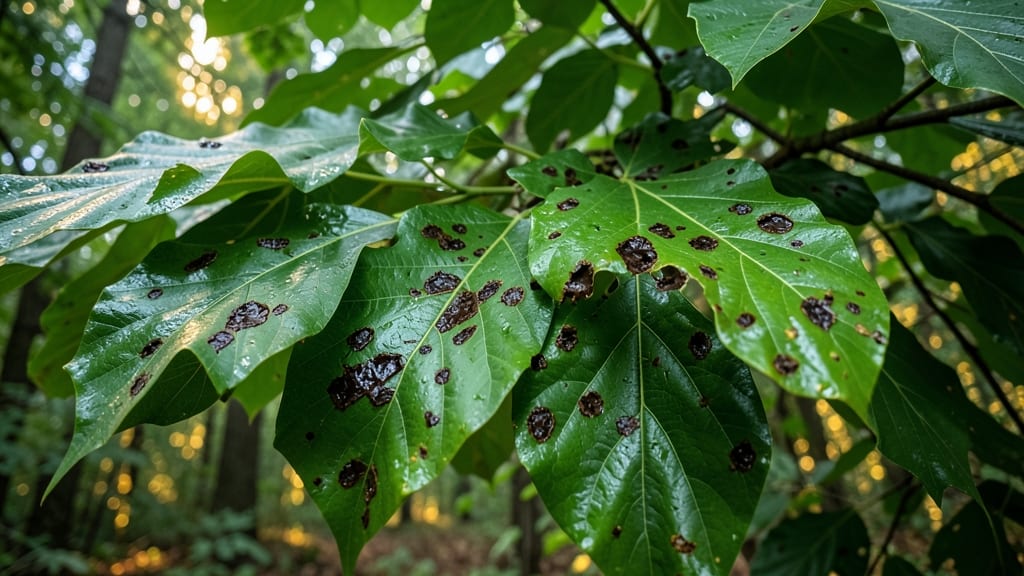
If your tulip poplar leaves are suddenly developing dark, water-soaked spots, you’re likely dealing with bacterial leaf blight—a common issue in Tennessee’s humid climate. Unlike fungal diseases, this bacterial infection spreads rapidly through wet foliage, often appearing after heavy rain or prolonged leaf wetness.
The key to stopping the spread is early pruning of infected branches. Remove any leaves or branches showing symptoms immediately, then sterilize your pruners with rubbing alcohol to prevent cross-contamination. Avoid overhead watering to reduce leaf moisture, and consider applying a copper-based bactericide during wet seasons for added protection.
This disease is particularly concerning for urban gardeners and homeowners with mature tulip poplars, as untreated infections can weaken the tree over time. Act fast to preserve your tree’s health and prevent the blight from becoming a long-term issue. 🌟
Iron Chlorosis in Bradford Pear

If your Bradford pear leaves are turning bright yellow while the veins stay green, you’re likely dealing with iron chlorosis—a common nutrient deficiency in Tennessee’s alkaline soils. This issue isn’t a disease but a sign your tree can’t access the iron it needs, despite it being present in the soil.
To fix it, start with a soil test from the Tennessee Extension Service to confirm the pH and iron levels. If the soil is alkaline (pH above 7.0), amend it with elemental sulfur or peat moss to lower pH gradually. For immediate relief, apply organic iron supplements like iron chelate or liquid iron fertilizers in early spring and fall. Mulching with compost can also help over time by improving soil structure and microbial activity.
This issue is especially common for homeowners in urban areas where alkaline soils are prevalent. With the right adjustments, your Bradford pear can bounce back to full, vibrant health. 💚