
Trees
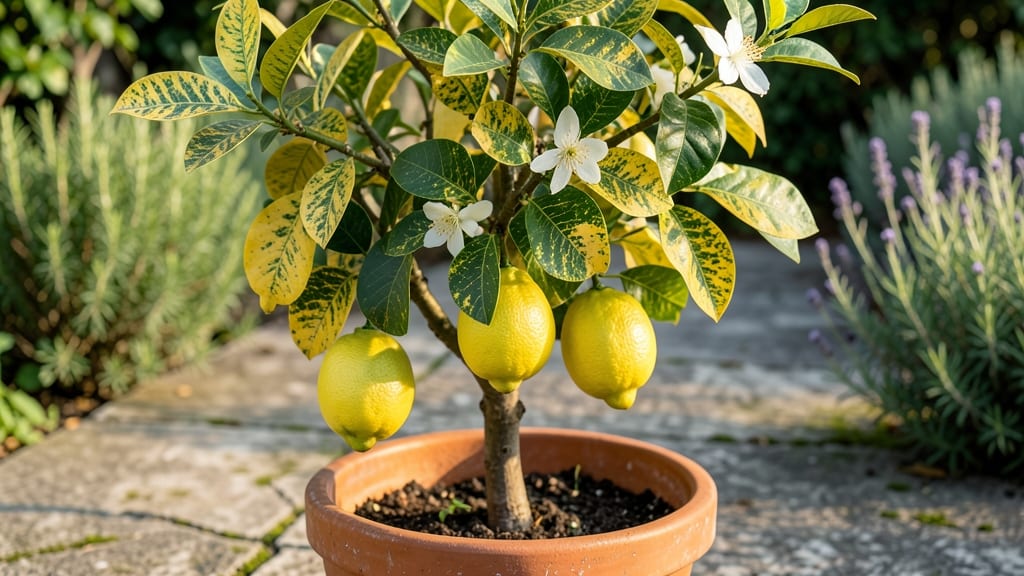
Your lemon tree’s yellow leaves with stubborn green veins scream one thing: iron deficiency—and the fix is simpler than you’d think. 🌿 I’ve nursed back more than a dozen lemon trees with this same telltale pattern, and the solution always starts with the soil.
That bright green vein network? It’s your tree’s last-ditch effort to keep photosynthesizing while its roots starve for iron. The good news is this isn’t a death sentence—it’s a wake-up call.
Overwatering, compacted soil, or even the wrong pH can lock out iron, leaving your tree looking like it’s suffering from malnutrition. A targeted chelated iron treatment (or even a homemade egg-shell tea) can turn those sad leaves back to vibrant green in just 4-6 weeks.
The key is acting before the yellow spreads to new growth. What you’ll end up with is a tree that’s not just surviving, but producing sweeter lemons and thicker foliage. The first sign of revival? New leaves emerging with even, dark green color—no more ghostly veins.
And the best part? Once you correct the soil conditions, your tree builds natural resistance to future deficiencies. This works for both container-grown and in-ground lemon trees, though potted varieties often need more frequent checks. Let’s get those roots feeding properly again—your tree’s future harvest depends on it.
Root Causes Of Leaf Discoloration
When your lemon tree’s leaves turn a striking yellow while keeping their green veins, it’s often a visual SOS from the plant. This classic symptom—known as chlorosis—points to underlying issues preventing the tree from properly accessing nutrients, particularly iron.
Let’s break down the most common culprits, why they happen, and how to diagnose them before they worsen.
Lemon trees thrive in well-draining soil, but when they sit in soggy conditions, roots suffocate and struggle to absorb nutrients—especially iron, which binds tightly to soil particles in wet environments. Here’s why it happens:
- Oxygen deprivation: Waterlogged roots can’t respire properly, leading to anaerobic conditions that block nutrient uptake. Iron, in particular, becomes unavailable because it oxidizes in waterlogged soil.
- pH shift: Excess moisture raises soil pH over time, making iron even harder for the tree to access (ideal pH for iron uptake is 6.0–7.0).
- Root rot: Fungal or bacterial infections (like Phytophthora) thrive in wet soil, further weakening the tree’s ability to transport nutrients.
💡 Pro Tip: Stick your finger 2 inches into the soil—if it’s damp after 48 hours, you’re overwatering. Lemon trees need dry topsoil between waterings, especially in pots.
Iron chlorosis is the #1 pH-related problem for lemon trees. While iron is abundant in most soils, it’s only usable when the pH is in the acidic to slightly neutral range (5.5–7.0). Here’s how pH throws a wrench into nutrient absorption:
- Alkaline soil (pH >7.0): Iron forms insoluble compounds (like iron hydroxide), locking it out of the tree’s reach. This is why chlorosis is common in calcareous or clay-heavy soils.
- Compacted soil: Poorly aerated soil (often alkaline) restricts root growth, reducing the tree’s ability to forage for nutrients.
- Lime or fertilizer buildup: Over-application of calcium-rich amendments (like garden lime) or synthetic fertilizers can push pH upward over time.
🌡️ Test It: Use a soil pH test kit (available at garden centers) or send a sample to a local extension office. If pH is above 7.0, you’ll need to lower it gradually with elemental sulfur or peat moss.
While iron is the usual suspect, other micronutrients can mimic chlorosis symptoms. Here’s how deficiencies play a role:
| Nutrient | Role in Chlorosis | How It Triggers Yellowing |
|---|---|---|
| Manganese (Mn) | Works with iron in chlorophyll production. | Deficiency causes interveinal yellowing (like iron chlorosis) but often appears on younger leaves first. |
| Zinc (Zn) | Helps activate iron uptake enzymes. | Leads to stunted growth + yellowing between veins, especially on new shoots. |
| Magnesium (Mg) | Central atom in chlorophyll molecules. | Causes yellowing starting at leaf edges (vs. veins staying green). |
✨ Key Difference: If young leaves show chlorosis, it’s likely a manganese or zinc issue. If older leaves yellow first, magnesium or potassium may be lacking.
Pathogens like Fusarium or Pythium can disrupt nutrient transport, leading to chlorotic patches. Here’s how infections contribute:
- Root damage: Fungi attack root hairs, which are critical for iron and micronutrient absorption. Damaged roots can’t take up enough nutrients, even if they’re in the soil.
- Blocked xylem: Some pathogens clog the tree’s water-nutrient highways (xylem vessels), starving leaves of iron and other essentials.
- Secondary stress: Infected trees are more susceptible to nutrient deficiencies because they’re already fighting to stay healthy.
🔥 Watch For: Stunted growth, blackened roots, or mushy stems at the base. If you suspect an infection, prune affected areas with sterilized tools and treat with copper fungicide.
Now that you know the why, the next step is fixing it—and the good news is, most of these issues are reversible with the right adjustments! Stay tuned for actionable solutions in the next section.
Revive Your Lemon Tree’s Health
Watching your lemon tree’s leaves turn yellow with green veins can be frustrating, but the good news is that most causes have simple, effective fixes. Below, we’ve mapped out step-by-step solutions tailored to each potential issue—plus tips to keep your tree thriving long-term.
Let’s get your citrus companion back to its vibrant best!
1. Boost Iron with Chelated Fertilizers 🔥
If yellowing leaves with green veins are a sign of iron deficiency (iron chlorosis), your tree needs an iron-rich, chelated fertilizer. Regular iron supplements won’t cut it—soil pH or poor solubility can block absorption.
- ✅ What to use: Look for ferrous sulfate or iron chelate fertilizers (like Ironite or Sequestrene). These bind iron to make it plant-available.
- 🍳 How to apply:
- Mix 1 tbsp of chelated iron per gallon of water.
- Spray the leaves directly (both top and bottom) until damp. Repeat every 2–4 weeks.
- For soil application, water the base with the same solution monthly.
- 💡 Pro tip: Apply in the morning to avoid leaf burn from evaporation.
2. Adjust Soil pH for Better Absorption 🌡️
Alkaline soil (pH 7.5+) locks out iron. Test your soil with a pH kit (available at garden centers) and lower it if needed.
- ✅ How to lower pH:
- Add sulfur (1–2 lbs per 100 sq ft) or peat moss to the soil.
- Use acid-loving plant fertilizer (like Miracle-Gro Azalea/Camellia) to gradually acidify the soil.
- Mulch with pine needles or oak leaves to naturally lower pH over time.
- ⚠️ Avoid: Over-fertilizing with nitrogen—it worsens chlorosis by disrupting iron uptake.
3. Feed with Organic Matter for Long-Term Health 🍎
Poor soil structure? Amend it with organic compost or well-rotted manure to improve nutrient availability. Lemon trees love loamy, slightly acidic soil (pH 6.0–7.0).
- ✅ Best organic boosters:
- Compost tea (brew compost in water for 24 hours, strain, and use as a foliar spray).
- Worm castings (mix 1 cup into the top 6 inches of soil).
- Coffee grounds (sprinkle around the base—they’re slightly acidic and rich in nitrogen).
- 🌱 Maintenance: Replenish organic matter every 3–6 months.
1. Check the Roots—Don’t Drown Them 👨🍳
Yellow leaves can signal root rot from soggy soil. Lemon trees hate “wet feet” and need well-draining soil.
- ✅ Fix it now:
- Let the top 2–3 inches of soil dry out between waterings. Stick your finger in—if it’s damp, wait!
- Improve drainage by adding perlite or coarse sand to heavy clay soil.
- If potted, ensure the pot has drainage holes and use a mix of potting soil + 20% perlite.
- 🔪 Emergency fix: If roots are mushy and black, prune the affected roots and repot in fresh, dry soil.
2. Flush Out Salt Buildup 🧼
Over-fertilizing or tap water high in salts can burn roots and cause yellowing. Flush the soil to reset.
- ✅ How to flush:
- Water the tree with plain water for 10–15 minutes until it drains freely from the bottom.
- Repeat 2–3 times over a week to leach out excess salts.
- 💡 Prevention: Use rainwater or distilled water if your tap water is hard.
1. Shield from Harsh Sun or Wind 🌪️
Sudden exposure to intense sun or strong winds can scorch leaves, causing yellowing. Lemon trees prefer partial shade (especially in hot climates).
- ✅ Solutions:
- Move potted trees to a spot with morning sun + afternoon shade.
- Use a light shade cloth (30–50%) if outdoors in peak sun.
- Plant windbreaks (like bamboo or shrubs) if your tree is exposed to gusts.
- 🌡️ Temperature tip: Avoid placing lemon trees near AC vents or heaters—they dislike sudden temperature swings.
2. Watch for Pests Hiding in the Foliage 🐜
Sap-sucking pests like spider mites or scale insects can weaken leaves, leading to yellowing. Check the undersides of leaves for tiny webs or sticky residue.
- ✅ Pest control:
- Spray leaves with a soapy water solution (1 tsp mild dish soap + 1 quart water).
- Use neem oil (1 tbsp per gallon of water) as a natural insecticide. Reapply every 7–10 days.
- Introduce beneficial insects like ladybugs to eat mites.
- 💡 Early action: Act fast—pests spread quickly in dry conditions.
Once your lemon tree recovers, keep it healthy with these proactive steps:
- 📊 Soil test annually to monitor pH and nutrient levels.
- 💪 Fertilize every 2 months with a balanced citrus fertilizer (e.g., 6-6-6 or 8-3-9).
Frequently asked questions
Why do lemon tree leaves turn yellow but keep green veins?
This classic pattern—called iron chlorosis—happens when your tree can't absorb enough iron, often due to alkaline soil (pH >7.0) or waterlogged roots. The green veins stay because they contain more chlorophyll, while the leaf tissue between veins yellows from iron starvation.
Can I fix yellow leaves with just more water?
No—overwatering actually makes the problem worse! Soggy soil blocks oxygen and nutrients, including iron. Let the top 2-3 inches of soil dry out between waterings. If your tree is in a pot, ensure it has drainage holes and use a mix of potting soil + perlite.
What's the fastest way to restore iron to my lemon tree?
Use a chelated iron fertilizer (like Ironite) mixed at 1 tbsp per gallon of water. Spray it directly on leaves in the morning for best results. You should see improvement in 4-6 weeks if the issue is purely iron deficiency. For severe cases, combine with soil pH adjustment.
Could my lemon tree have a disease instead of nutrient deficiency?
Possibly—but check for these clues: fungal infections often show blackened roots or mushy stems, while bacterial issues may cause oozing wounds. If you see these signs, prune affected areas with sterilized tools and treat with copper fungicide.
Will fixing the yellow leaves improve my lemon production?
Healthy foliage means better photosynthesis, which directly boosts fruit quality and quantity. Once you correct the nutrient imbalance, your tree will redirect energy to producing sweeter, more abundant lemons. Think of it as giving your tree a vitamin boost—it'll thank you with a better harvest!