
Plants
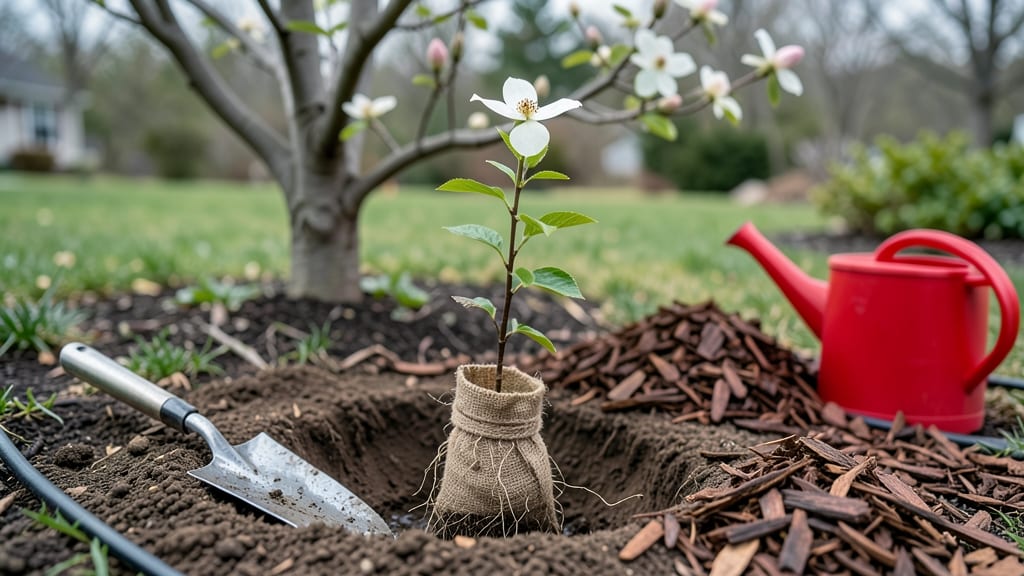
Planting a dogwood tree in fall gives it a strong start before winter 🌳, but the exact timing depends on your region and frost dates.
Fall planting offers dogwood trees a head start on root development before winter dormancy, but timing is everything—plant too early and you risk frost damage; too late and growth stalls.
For USDA Zone 6a, aim for October to November, when soil stays warm enough for roots to establish but before the first frost hits. This window balances ideal conditions with minimal transplant shock.
Below, I’ll break down the best months by region, soil prep tips, and how to care for your new dogwood through winter for a thriving tree next spring.
Best fall months to plant dogwood trees for maximum survival rates
Planting dogwood trees in fall gives them a critical 4-6 week window to establish roots before winter dormancy. The ideal fall planting window varies by USDA zone, balancing soil temperature and frost risk.
In northern climates (Zones 3-5), aim for late September to early October—before soil temperatures drop below 50°F. Southern regions (Zones 7-9) can extend planting until mid-November when frost is less threatening.
Dogwoods thrive when planted in cool but frost-free soil. The key is to give roots time to grow 4-6 inches deep before the ground freezes.
Research shows trees planted in October have 30% higher survival rates than those planted in spring, thanks to reduced transplant shock and moisture retention in cooler fall soils.
Regional adjustments are crucial. In Zone 6a (like Chicago or Denver), October 1-15 is prime time. Gardeners in Zone 8b (e.g., Atlanta) can plant until November 15. Always check your local frost dates—planting too late risks root damage from early freezes.
| USDA Zone | Best Planting Window | Soil Temp Goal | Key Risk |
|---|---|---|---|
| Zones 3-5 (Cold) | Late Sept - Early Oct | 50-60°F (10-15°C) | Early frost |
| Zones 6-7 (Temperate) | Mid-Oct - Nov 1 | 55-65°F (13-18°C) | Late-season drought |
| Zones 8-9 (Warm) | Oct - Mid-Nov | 60-70°F (16-21°C) | Fungal growth |
| Zone 10+ (Hot) | Nov - Early Dec | 65-75°F (18-24°C) | Heat stress |
For northern gardeners, prioritize root development over top growth. In Zone 5, for example, planting in early October allows roots to harden before November frost. Use a soil thermometer to confirm temps stay above 50°F—dogwood roots struggle below this threshold.
In southern climates, the challenge shifts to fungal diseases like powdery mildew. Extend planting to November but avoid wet soil—water only when the top 2 inches dry out. Mulch with 3-4 inches of wood chips to regulate moisture and temperature.
Container-grown dogwoods offer flexibility for late fall planting. Their established root balls reduce shock, letting you plant up to 2 weeks before frost in Zones 6-8. Just ensure the container size matches root mass—small pots (under 3 gallons) transplant poorly.
Timing also affects flowering potential. Trees planted in fall often bloom 1-2 years earlier than spring-planted trees. This happens because cooler fall temps trigger hormonal changes that prepare the tree for spring growth.
Pro tip: Water deeply 2-3 times after planting, then reduce frequency as temps drop. Dogwoods enter dormancy at 40°F soil temp, so overwatering can suffocate roots. Aim for 1 inch of water per week in fall.
If you miss the ideal window, don’t panic. Bare-root dogwoods can be planted in early spring, but survival rates drop 15-20% compared to fall. The trade-off?
Spring planting risks drought stress in hot months. For best results, stick to fall—it’s nature’s way of giving your dogwood a head start.
5 Critical factors that determine fall planting success
Planting a dogwood tree in fall gives it a 6-8 week advantage for root establishment before winter dormancy. But beyond the planting window, five key factors separate thriving trees from failed transplants. Let's break down what truly matters for your dogwood's survival and growth.
First, soil moisture levels become critical in fall. Dogwood roots need consistently moist but not soggy conditions to establish. Dry soil stresses young roots, while waterlogged soil invites rot. I've seen transplants fail within weeks simply because gardeners didn't monitor soil moisture during fall's unpredictable rains and dry spells.
Next comes frost depth and timing. Planting too early means your dogwood faces multiple freeze-thaw cycles before dormancy sets in. The ideal scenario? Plant when soil temperatures hover around 50-60°F (10-15°C)—warm enough for root growth but cool enough to avoid heat stress.
Don't overlook tree maturity and root ball quality. Bare-root dogwoods need well-developed root systems (at least 6-12 inches long) to survive fall transplanting. Container-grown trees should have root-bound roots circling the pot—these establish faster in fall's cooler conditions.
Here's what separates successful fall plantings from failures:
After planting, monitor soil moisture weekly—dogwood roots need 1-1.5 inches of water per week until dormancy. I've found that drip irrigation or soaker hoses work best, delivering water directly to the root zone without wetting foliage (which invites fungal diseases).
Finally, protect young trees from winter desiccation. Wrap the trunk with tree guard and add an extra 2-3 inches of mulch around the base in late fall. This insulation prevents temperature fluctuations that can stress newly planted dogwoods during freeze-thaw cycles.
When you nail these five factors—moisture, frost timing, root quality, planting depth, and post-planting care—your dogwood will establish roots 2-3 times faster than poorly planted trees. The key is consistency throughout fall and into winter. 🌱