
Pruning
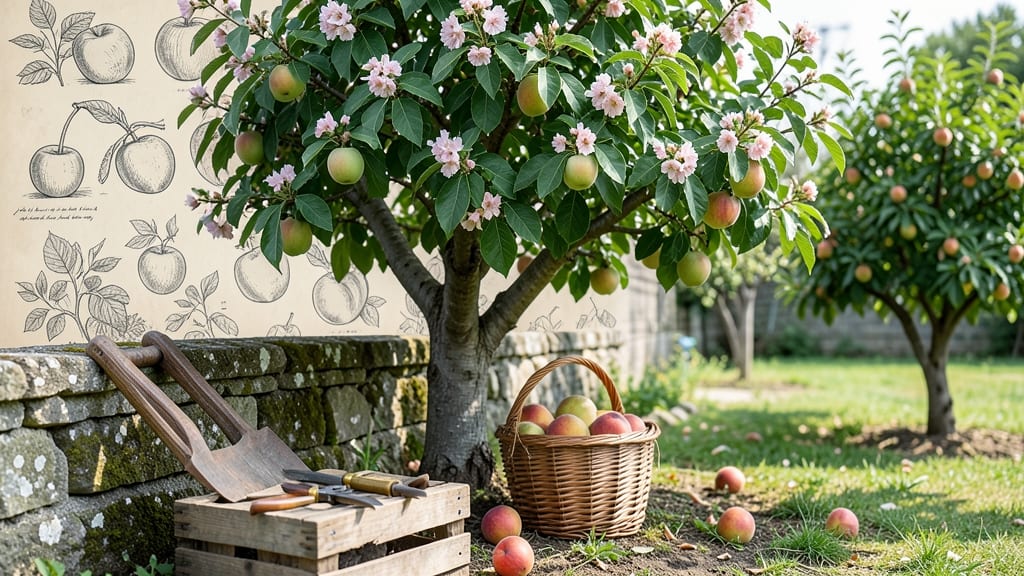
Peach tree history reveals its roots in ancient China over 4,000 years ago as Prunus persica, spreading through trade routes to Persia, Europe, and eventually the Americas. Its journey from royal gardens to global orchards reflects deep cultural and agricultural evolution.
The peach tree's journey began in China's Yangtze Valley, where early cultivators domesticated wild varieties around 2000 BCE, using them in medicine and cuisine. 🌿 These early trees were prized for their healing properties and sweet fruit, later becoming a symbol of prosperity in imperial gardens.
By the time they reached Persia (modern-day Iran) around 200 BCE, traders had already adapted them to new climates, creating early hybrids. The Romans later introduced peaches to Europe, where they became a luxury item until the 19th century, when American horticulturists refined them for mass cultivation.
What makes this history fascinating is how peach trees evolved alongside human migration. Their ability to thrive in diverse climates—from China's humid valleys to Europe's cooler regions—shows remarkable genetic adaptability. Today's commercial varieties trace back to these ancient roots, blending traditional flavors with modern agricultural techniques. 🌍
💡 In This Article
- Peach Tree Origins: From China’s Ancient Orchards to Global Cultivation
- Peach Tree Varieties: How Ancient Selections Shaped Modern Cultivation
Peach tree origins: from China’s ancient orchards to global cultivation
The peach tree's botanical journey began in China's Yangtze River basin, where wild Prunus persica trees grew alongside rivers and hills. Archaeologists discovered 2,000-year-old peach pits in Henan Province, confirming cultivation by 2000 BCE.
These early trees had smaller, tart fruits compared to modern varieties, but their medicinal properties—like treating coughs and digestive issues—made them invaluable in traditional Chinese medicine. 🌿
The peach's spread beyond China was driven by the Silk Road, where traders carried seeds to Persia (modern Iran) by 200 BCE. Persian horticulturists developed the shaftali peach, a larger, sweeter variety that thrived in arid climates.
By 1st century CE, the Romans had adopted peaches, calling them persica (hence the species name), and grew them in emperors' gardens as a status symbol. The fruit’s genetic adaptability—like drought resistance—allowed it to survive harsh conditions during these migrations.
One of the most critical adaptations occurred in Europe, where colder climates required hardier varieties. By the 17th century, French and Italian botanists began crossbreeding peaches with almond trees (Prunus dulcis) to create hybrids like the flat peach, which could withstand frost.
Meanwhile, Spanish explorers brought peach trees to the Americas by 1520, where they flourished in California and Georgia—two states now leading global peach production. 🌍
The peach’s global success also hinged on its reproductive strategy: self-pollinating varieties meant farmers didn’t need multiple trees for fruit production, unlike apples or cherries. This trait, combined with its fast growth rate (bearing fruit in 3-4 years), made peaches ideal for both subsistence farming and trade.
Ancient Chinese records even describe peach trees as symbols of longevity and immortality, linking their cultural significance to their practical utility.
Today, genetic studies reveal that modern peaches share 95% of their DNA with ancient Chinese varieties, proving how carefully preserved these trees were over millennia.
The climate zones where peaches thrive—from USDA Zone 5 (hardy varieties) to Zone 10 (tropical climates)—mirror the diverse regions they adapted to during their 4,000-year journey. This resilience is why peaches remain one of the world’s most widely cultivated fruits. ✨