
Flowers
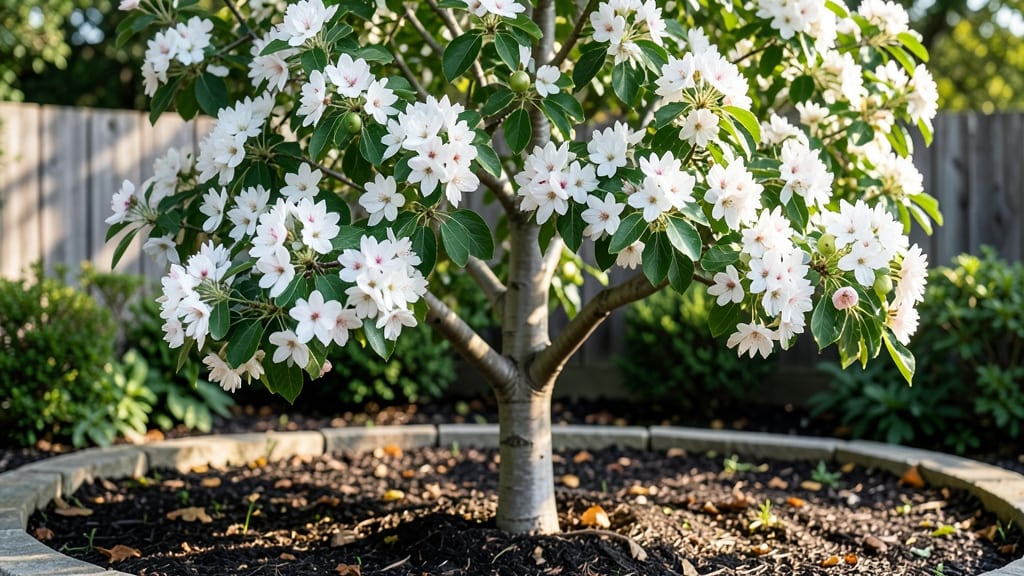
Trees with green leaves and white flowers instantly elevate any garden to timeless elegance. ✨ These shrubs—like the mock orange, abelia, or viburnum—offer year-round interest with fragrant blooms, glossy foliage, and winter structure. They’re the unsung stars of cottage gardens, modern landscapes, and everything in between.
What makes them so versatile? Their soft white flowers contrast beautifully against dark evergreens or bold perennials, while their lush green leaves provide texture all season. Pair them with lavender for a romantic border, or let them shine solo as a statement specimen.
They thrive in partial shade too, making them perfect for tricky spots.
The real magic happens in layers. Plant them behind roses for height, or tuck them near pathways where their scent lingers. In autumn, their foliage often turns golden or crimson, extending the show. For a low-maintenance, high-impact look, these shrubs deliver drama with minimal effort.
Whether you’re designing a formal hedge, a wildflower meadow, or a cozy retreat, these trees bring effortless sophistication. Their adaptability means they’ll fit your style—no matter how you envision your garden’s story.
Understanding Leaf and Bloom Shifts
If your tree with green leaves and white flowers suddenly shifts from vibrant foliage to pale or yellowing leaves—or if its blossoms lose their brilliance—don’t panic. These changes are often rooted in environmental or biological factors.
Below, we break down the most common causes, backed by science, so you can diagnose and address the issue like a pro.
Plants, like humans, need a balanced diet to thrive. When your tree’s leaves turn yellowish or develop white-tipped edges, it’s often screaming for nutrients. The most common culprits?
- Nitrogen (N) deficiency:
Yellowing leaves (chlorosis) between veins? This is classic nitrogen starvation. Nitrogen fuels leaf growth, and without it, chlorophyll production plummets. Solution: Apply a balanced fertilizer (e.g., 10-10-10) or compost-rich soil amendments like manure or worm castings.
- Magnesium (Mg) or Iron (Fe) shortages:
Yellowing leaves with green veins? Magnesium deficiency (often in acidic soils) or iron deficiency (common in alkaline soils) can cause this. Solution: For magnesium, use Epsom salt (1 tbsp per gallon of water, sprayed on leaves). For iron, apply chelated iron supplements or adjust soil pH with sulfur.
- Potassium (K) or Calcium (Ca) imbalances:
Brown leaf edges or weak stems? Potassium deficiency weakens structural integrity, while calcium issues (like blossom end rot in some plants) can stunt growth. Solution: Use potassium sulfate or crushed eggshells (for calcium) and re-test soil every 2–3 years.
💡 Pro Tip: Conduct a soil test ($20–$50 at local extension offices) to pinpoint exact deficiencies before guessing. Over-fertilizing can burn roots—measure twice, apply once!
Water is the lifeblood of your tree, but extremes—drought or soggy soil—can trigger leaf and flower stress. Here’s how to spot the signs:
| Symptom | Cause | Fix |
|---|---|---|
| Wilting, crispy leaf edges | Underwatering (drought stress) | Deep water 1–2x/week (1 inch per week). Mulch to retain moisture. |
| Yellowing leaves, moldy soil | Overwatering (root rot) | Let soil dry 1–2 inches between waterings. Improve drainage with sand or gravel. |
| White, powdery spots on leaves | Fungal growth (from excess moisture) | Prune affected leaves, apply neem oil, and space waterings. |
🌡️ Key Insight: Most trees prefer consistent moisture, not soggy or bone-dry soil. Stick your finger 2 inches into the soil—if it’s dry, water; if it’s damp, wait.
Your tree might be throwing a tantrum over its environment. Too much sun? Too little? Even subtle shifts in temperature can disrupt flowering and leaf health.
- Sunburn (bleached or white patches):
Direct afternoon sun can scorch leaves, especially in hot climates. Solution: Gradually acclimate young trees to full sun (a process called "hardening off"). Use shade cloth (30–50%) for sensitive varieties.
- Leggy growth, sparse flowers:
Too little light? Trees stretch toward sunlight, weakening stems and reducing blooms. Solution: Prune nearby structures or relocate the tree to a sunnier spot (6+ hours of light for most flowering trees).
- Cold damage (brown tips, delayed blooms):
Sudden freezes or late spring frosts can shock buds and leaves. Solution: Mulch heavily in winter, cover young trees with frost cloth, and avoid planting cold-sensitive varieties in frost-prone zones.
✨ Expert Hack: Observe your tree’s natural habitat. If it’s native to Mediterranean climates (like olive trees), it thrives in hot, dry conditions. Tropical varieties (e.g., gardenias) need humidity and shade. Match its needs!
Not all leaf and flower changes are environmental—sometimes, tiny invaders are to blame. Here’s how to identify and evict them:
- Aphids or Spider Mites:
White, sticky residue (honeydew) or webbing on leaves? These pests suck sap, causing leaves to yellow and curl. Solution: Blast off with water, introduce ladybugs (natural predators), or spray neem oil.
- Powdery Mildew:
White, powdery coating on leaves? Fungal infections thrive in humid, shady conditions. Solution: Improve airflow, avoid overhead watering, and spray with baking soda mix (1 tsp baking soda + 1 quart water + a drop of dish soap).
- Bacterial Leaf Spot:
Dark spots with yellow halos? This bacterial infection spreads via water splashes. Solution: Remove infected leaves, sterilize pruners with rubbing alcohol, and apply copper fungicide.
🔥 Emergency Action: If >30% of leaves are affected, isolate the tree to prevent spread. Healthy trees fight pests better—focus on soil health and hydration first!
Most leaf and flower changes are fixable with a little detective work. Start with soil tests, adjust watering, and scout for pests. Your tree’s dramatic greenery and white blooms are just a tweak away! 🌿💫
Revive Your Blooming Beauty
Your tree with lush green leaves and delicate white flowers deserves to thrive year-round, and the good news is that most issues can be resolved with simple, targeted care.
Below, we’ve mapped out practical solutions to common problems—from nutrient deficiencies to pests—along with prevention tips to keep your shrub healthy and vibrant. Let’s get your garden star back in full bloom! 🌿✨
If your tree’s leaves are turning yellow or the soil feels soggy, it’s likely getting too much love from the watering can. Overwatering suffocates roots, while poor drainage can lead to root rot.
How to Fix It:
- 🔥 Step 1: Check the Soil – Stick your finger 2-3 inches into the soil. If it’s damp, hold off on watering. If it’s bone-dry, water deeply but less frequently.
- 🍳 Step 2: Improve Drainage – Amend heavy or clay soil with compost or perlite to help water drain faster. Consider planting in a raised bed if drainage is chronically poor.
- 👨🍳 Step 3: Adjust Watering Habits – Water only when the top inch of soil is dry. Early morning is best to reduce evaporation and fungal risks.
💡 Prevention Tips:
- Use a moisture meter for accuracy.
- Ensure pots or garden beds have drainage holes.
- Mulch around the base (but not touching the trunk) to regulate soil moisture.
White flowers may still bloom, but if leaves look pale, sparse, or small, your tree might be hungry. Common deficiencies include nitrogen (for leafy growth), phosphorus (for blooms), or micronutrients like iron or magnesium.
How to Fix It:
- 🌡️ Step 1: Soil Test First – Grab a DIY test kit or send a sample to a local extension office. This pinpoints exactly what’s missing.
- 🎯 Step 2: Fertilize Smartly –
- Nitrogen (for greenery): Use a balanced fertilizer (10-10-10) or compost in early spring.
- Phosphorus (for blooms): Switch to a bloom booster (5-10-10) when buds form.
- Micronutrients: Apply a chelated iron or Epsom salt (magnesium sulfate) spray for yellowing between veins.
- ✨ Step 3: Feed the Roots – Top-dress with organic matter like worm castings or well-rotted manure for slow-release nutrients.
💡 Prevention Tips:
- Fertilize in early spring and again after blooming.
- Avoid over-fertilizing—more isn’t always better!
- Use slow-release granules to prevent nutrient spikes.
Pests like aphids, spider mites, or scale insects can turn your tree’s white flowers into a buffet. Look for chewed leaves, webbing, or tiny bugs clustering on stems.
How to Fix It:
- 🔪 Step 1: Identify the Culprit –
- Aphids: Tiny green/black bugs on new growth.
- Spider Mites: Fine webbing on undersides of leaves.
- Scale: Bumpy, immobile spots on stems.
- 🚿 Step 2: Blast Them Off – Spray leaves with a strong stream of water to dislodge pests. Repeat every few days.
- 🧴 Step 3: Natural Remedies –
- Neem oil: Mix 1 tbsp with 1 quart water + a drop of dish soap. Spray thoroughly (reapply weekly).
- Insecticidal soap: Target soft-bodied pests like aphids.
- Beneficial insects: Release ladybugs or lacewings for long-term control.
💡 Prevention Tips:
- Encourage natural predators by planting companion flowers like marigolds or alyssum.
- Inspect new plants before bringing them home.
- Prune affected branches immediately to contain outbreaks.
Extreme heat, cold snaps, or sudden wind can shock your tree, causing leaves to crisp, brown, or flowers to drop prematurely.
How to Fix It:
- 🌡️ Step 1: Shield from Elements –
- Heat stress: Provide afternoon shade with a lightweight shade cloth (30-50% coverage).
- Cold damage: Wrap young trees in burlap or use frost blankets in winter.
- 💧 Step 2: Hydrate Deeply – During heatwaves, water at the base (not overhead) to keep roots cool.
- 🌱 Step 3: Prune Damaged Parts – Trim browned or dead leaves/branches to redirect energy to new growth.
💡 Prevention Tips:
- Plant in a location with gradual sun exposure (e.g., morning sun + afternoon shade).
- Mulch heavily in winter to insulate roots.
- Avoid pruning late in the season—it reduces winter hardiness.
Powdery mildew or leaf spot fungi can coat leaves in white or gray fuzz, weakening your tree’s ability to photosynthesize.
How to Fix It:
- 🧼 Step 1: Clean Up – Remove and destroy infected leaves immediately.
- 🍄 Step 2: Improve Airflow – Prune to open the canopy and space plants 3-5 feet apart.
- 💊 Step 3: Fungal Treatments –
- Baking soda spray: Mix 1 tsp baking soda + 1 tsp oil + 1 tsp soap in 1 quart water. Spray every 7-10 days.
- Copper fungicide: Use as a last resort for severe cases.
💡 Prevention Tips:
- Water at the base, not overhead.
- Avoid wetting foliage during late afternoon.
- Choose disease-resistant varieties if fungal issues recur.
With these targeted fixes, your tree’s green leaves and white flowers will be back to their stunning best in no time. Remember, consistency is key—whether it’s watering, fertilizing, or pest control. Happy gardening! 🌸🌿
Frequently asked questions
Which trees with green leaves and white flowers are best for small gardens?
For compact spaces, consider mock orange (Philadelphus) or abelia—both stay under 6 feet tall and bloom prolifically. Dwarf viburnum varieties like 'Compacta' also work beautifully in containers or tight borders. These shrubs provide year-round interest with minimal space requirements.
Do these trees attract bees or butterflies?
Many trees with white flowers—like mock orange and viburnum—are pollinator magnets. Their fragrant blooms draw bees, butterflies, and hummingbirds. For extra wildlife appeal, pair them with native perennials like coneflowers or bee balm. Just avoid spraying pesticides during bloom season!
How do I prune them to encourage more white flowers?
Prune right after blooming (late spring) to shape the shrub and promote next year's flowers. Remove 1/3 of old wood to stimulate new growth. For mock orange, cut back leggy stems to encourage bushier growth. Always use clean, sharp pruners and sterilize them with rubbing alcohol between cuts.
Can I grow these trees in containers?
Yes! Many varieties thrive in large containers (at least 15-gallon size) with proper drainage. Abelia and dwarf viburnum are excellent choices. Use well-draining potting mix and repot every 2-3 years. Place containers where they get 4-6 hours of sunlight daily and water when the top inch of soil feels dry.
Why aren't my white flowers as fragrant as they should be?
Fragrance fades when trees receive too much nitrogen fertilizer (focuses energy on leaves) or poor air circulation (traps moisture). Try reducing fertilizer to a balanced formula and prune to improve airflow. Also, some varieties (like mock orange) are naturally more fragrant in cooler climates.