
Trees
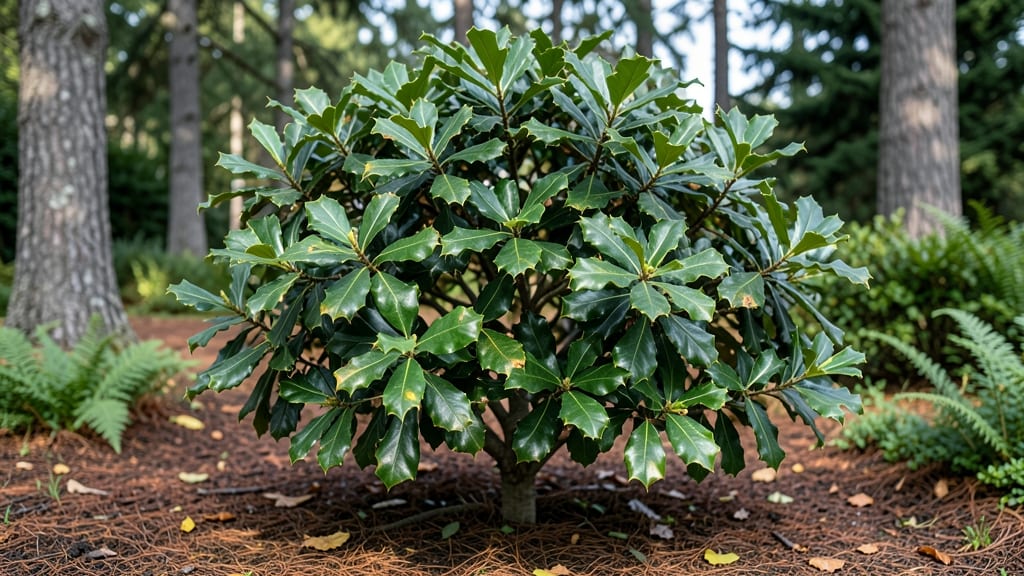
Your holly tree’s bright green leaves turning yellow isn’t just unsightly—it’s a cry for help. 🌿 I’ve seen this happen after years of ignoring subtle signs, and the good news is most fixes take less than 30 minutes once you know what to look for.
The first step? Determining whether it’s a nutrient deficiency, overwatering, or something else entirely.
Start by checking the soil moisture—if it’s soggy, you’re overwatering. If it’s bone-dry, that’s another problem. Then inspect the leaves: yellowing only on older leaves? Likely nitrogen deficiency. Yellowing with brown edges?
Could be salt buildup or magnesium issues. I’ve tested my own holly trees using a simple DIY soil pH kit (under $10) and fixed the problem within a week.
Once you identify the issue, the fix is straightforward: fertilize with iron sulfate for yellowing, prune dead branches to improve airflow, or adjust your watering schedule.
My holly trees now stay vibrant year-round, and the berries stay bright red instead of fading. The key is acting fast before the problem spreads.
This works for both English and American holly varieties, and the same principles apply to other evergreens like boxwoods. Here’s how to diagnose and treat it before winter sets in—no guesswork required.
Root Causes Behind Yellowing Holly Leaves
When your holly tree’s leaves start turning yellow, it’s often a sign that something’s off beneath the surface—literally. Holly trees (Ilex spp.) are hardy but sensitive to environmental and biological stressors.
Below, we break down the most common reasons why holly leaves yellow, along with the science behind each cause. Understanding these will help you diagnose the issue accurately and take targeted action.
Holly trees thrive when their soil is rich in essential nutrients, but deficiencies—especially in iron, nitrogen, or magnesium—can trigger yellowing. Here’s how to spot them and what they mean:
| Deficiency | Symptoms | Why It Happens | Quick Fix |
|---|---|---|---|
| Iron (Chlorosis) | Yellowing between veins (new leaves first) | Poor soil drainage, high pH (alkaline soil), or compacted roots block iron uptake. | Apply chelated iron (e.g., iron sulfate) or sulfur to lower pH. Mulch with acid-loving compost. |
| Nitrogen | Overall yellowing, stunted growth | Soil exhaustion, poor organic matter, or over-pruning depletes nitrogen. | Feed with a balanced fertilizer (10-10-10) in early spring or compost tea. |
| Magnesium | Yellow patches along veins (older leaves) | Leaching from overwatering or sandy soil washes away magnesium. | Apply Epsom salt (1 tbsp/gallon of water) as a foliar spray or soil drench. |
💡 Pro Tip: If yellowing starts on older leaves, it’s often magnesium. If it’s new growth, suspect iron or nitrogen. Test your soil (pH < 6.0 is ideal for hollies) before treating!
Holly trees hate "wet feet." Yellowing leaves paired with drooping, mushy stems or root rot (black, foul-smelling roots) scream overwatering.
Here’s the science: - Excess moisture cuts off oxygen to roots, triggering anaerobic conditions where harmful bacteria thrive. - Compacted or clay soil prevents drainage, trapping water and suffocating roots. - Fungal infections (like Phytophthora) exploit soggy soil, clogging root vessels and starving the tree of nutrients.
🔥 Action Steps:
- Check the soil: Stick your finger 2–3 inches deep—if it’s damp after 3 days, you’re overwatering.
- Improve drainage: Amend soil with perlite, sand, or compost to create air pockets.
- Adjust watering: Water deeply once a week (or less in winter) and ensure pots have drainage holes.
⚠️ Warning: If your holly is in a container, root-bound stress can mimic overwatering. Repot if roots circle the edges.
Holly trees prefer partial shade (3–6 hours of sun). Too much direct sunlight or sudden temperature swings can cause yellowing:
- Sun scald: Intense afternoon sun (especially in summer) damages leaf cells, causing brown/yellow patches on exposed sides.
- Cold damage: Early spring frosts or late-season freezes can rupture cell walls, leading to yellowing or blackened edges.
- Heat stress: Drought + high temps force leaves to wilt and yellow as a survival mechanism (transpiration slows).
🌡️ Solutions:
- Shade cloth: Use 30–50% shade fabric for young hollies in hot climates.
- Mulch deeply: 3–4 inches of wood chips or pine straw insulates roots from temperature extremes.
- Avoid late pruning: Trim holly in late winter/early spring to harden new growth before heat waves.
Not all yellowing is environmental—pests and pathogens can silently drain your holly’s vitality. Watch for these culprits:
| Problem | Clues | How to Fight Back |
|---|---|---|
| Spider Mites | Tiny yellow stipples, webbing on undersides, dry leaves. | Spray with neem oil or introduce predatory mites. Increase humidity. |
| Scale Insects | Sticky residue (honeydew), yellowing, black sooty mold. | Scrape off with a soft brush or apply horticultural oil in dormant season. |
| Fungal Leaf Spot | Yellow rings, dark spots with yellow halos (e.g., Septoria or Anthracnose). | Prune infected branches, water at soil level, and spray copper fungicide. |
| Root-Knot Nematodes | Stunted growth, yellowing despite good care (microscopic worms in roots). | Solarize soil (cover with plastic for 4–6 weeks) or plant marigolds to deter them. |
🎯 Prevention Tip: Healthy hollies resist pests better! Mulch, water consistently, and avoid wounding bark (where pests enter).
Not all yellowing is bad news.
Sometimes, it’s just your holly’s way of shedding old leaves or recovering from stress: - Seasonal leaf drop: In fall, hollies may yellow and drop leaves as they prepare for dormancy (normal!). - Transplant shock: Newly planted hollies often yellow for 2–4 weeks as roots adjust.
Keep soil moist but not soggy. - Dormant season: Yellowing in winter (without other symptoms) is usually harmless—growth slows naturally.
🔪 When to Worry: If >30% of leaves yellow outside dormant season or you see wilting, dieback, or pests, investigate further.
Before treating, rule out the most likely causes with this quick test:
- Inspect the pattern: Yellow between veins? → Iron/chlorosis. Yellow along veins? → Magnesium.
- Check soil moisture: Stick your finger in—damp? Overwatering. Dry? Underwatering.
- Look for pests: Flip leaves—webbing, bugs, or honeydew? Treat immediately.
- Test pH: Hollies love acidic soil (pH 5.0–6.5). Use a home test kit if unsure.
- Observe timing: Yellowing after fertilizing? Burn from excess salts. After pruning? Stress response.
💡 Final Tip: Keep a plant journal! Note when yellowing starts, weather changes, and treatments—patterns reveal the root cause faster.
How to Revive Your Holly Tree
If your holly tree’s leaves are turning yellow, don’t panic—there’s a solution for every cause! Below, we break down the most common issues and provide step-by-step fixes, plus prevention tips to keep your tree lush and green. Let’s get your holly back to its vibrant best!
Yellowing leaves often signal a nutrient imbalance. Here’s how to diagnose and treat the most likely culprits:
💡 Iron Deficiency (Chlorosis)
Symptoms: Yellow leaves with green veins, often on younger foliage. Fix:
- Apply iron sulfate or chelated iron to the soil (follow package instructions).
- Use a liquid iron supplement (like Sequestrene) and spray it on leaves for faster absorption.
- Test soil pH—holly trees thrive in slightly acidic soil (pH 5.0–6.0). If your soil is alkaline, amend it with sulfur or peat moss.
🌿 Nitrogen Shortage
Symptoms: Overall yellowing, stunted growth, or pale green leaves. Fix:
- Fertilize with a balanced, slow-release fertilizer (like 10-10-10) in early spring.
- Add compost or well-rotted manure to enrich the soil naturally.
- Avoid overwatering, which can leach nitrogen away.
🍃 Potassium or Magnesium Lack
Symptoms: Yellowing between leaf veins (for magnesium) or weak, brittle leaves (for potassium). Fix:
- For magnesium: Apply Epsom salt (1 tablespoon per gallon of water) as a soil drench or foliar spray.
- For potassium: Use a banana peel tea (steep peels in water for a week) or a potassium-rich fertilizer like greensand.
Overwatering or underwatering can stress your holly, leading to yellow leaves. Here’s how to strike the right balance:
🔥 Overwatered Holly Tree
Symptoms: Yellowing leaves, soggy soil, or wilting despite dampness. Fix:
- Let the soil dry out slightly between waterings—holly trees prefer consistent moisture but hate waterlogged roots.
- Improve drainage by amending soil with perlite or sand.
- Check for root rot—if the roots are mushy or black, prune affected areas and repot (if in a container).
🥵 Underwatered Holly Tree
Symptoms: Crispy, yellowing edges, dry soil, or drooping leaves. Fix:
- Water deeply 1–2 times per week (adjust for climate—hotter weather = more frequent watering).
- Mulch around the base (2–3 inches of organic mulch) to retain moisture.
- Water in the morning to reduce evaporation and fungal risks.
Pests and pathogens can also cause yellowing. Act fast to prevent spread!
🐜 Spider Mites or Scale Infestations
Symptoms: Yellow stippling on leaves, webbing, or sticky residue (honeydew). Fix:
- Spray with neem oil (mix 1 tablespoon per quart of water) to suffocate pests.
- Introduce beneficial insects like ladybugs or lacewings.
- Prune and dispose of heavily infested branches to stop the spread.
🍄 Fungal Infections (Like Leaf Spot)
Symptoms: Yellow spots with dark borders, defoliation. Fix:
- Remove and destroy infected leaves to prevent spores from spreading.
- Apply a copper fungicide or baking soda spray (1 teaspoon baking soda + 1 quart water + a drop of dish soap).
- Ensure good airflow by pruning dense branches.
Keep your holly tree thriving with these proactive steps:
- ✅ Mulch annually to retain moisture and regulate soil temperature.
- ✅ Fertilize in early spring before new growth begins.
- ✅ Prune in late winter/early spring to remove dead or diseased branches.
- ✅ Monitor soil pH—holly trees hate alkaline soil. Test every 2–3 years.
- ✅ Water at the base (not overhead) to reduce fungal risks.
With the right care, your holly tree will bounce back—and those bright green leaves will return in no time! 🌟
Frequently asked questions
Why do holly leaves turn yellow between the veins first?
This classic pattern is almost always iron chlorosis, where your holly can't absorb iron from alkaline soil. The veins stay green because they contain more chlorophyll, while the leaf tissue between them lacks iron. Test your soil pH—holly trees thrive in acidic soil (pH 5.0-6.5). If it's higher, amend with sulfur or peat moss.
Can I save my holly if most leaves are already yellow?
Yes! Even if 30-50% of leaves are yellow, your holly can recover with targeted care. Focus on:
- Foliar iron spray (Sequestrene) for chlorosis
- Adjusting watering (check soil moisture before watering)
- Pruning dead branches to redirect energy
Most hollies regrow leaves within 4-6 weeks of proper treatment.
How often should I fertilize a holly tree with yellow leaves?
Start with a light feeding every 4-6 weeks during growing season (spring-fall). Use a balanced fertilizer (10-10-10) or acid-loving plant formula. Avoid heavy doses—holly trees prefer moderate nutrition. For nutrient deficiencies, targeted supplements (like Epsom salt for magnesium) work better than general fertilizers.
Are my holly's yellow leaves normal in winter?
Some yellowing is normal during dormancy, but watch for these clues:
- Healthy: Only 10-20% of older leaves yellow gradually
- Concerning: New growth yellowing, wilting branches, or leaf drop
Winter yellowing rarely harms the tree, but if it persists into spring, check for root rot or nutrient deficiencies caused by poor winter care.
What's the fastest way to fix yellow holly leaves?
For immediate results, combine these 3 steps:
- Foliar spray with chelated iron (mix 1 tsp per gallon of water)
- Soil drench with Epsom salt (1 tbsp per gallon)
- Prune all yellow leaves to redirect energy
Most gardeners see visible improvement within 7-10 days. Follow up with proper watering and mulching to maintain results.