
Size
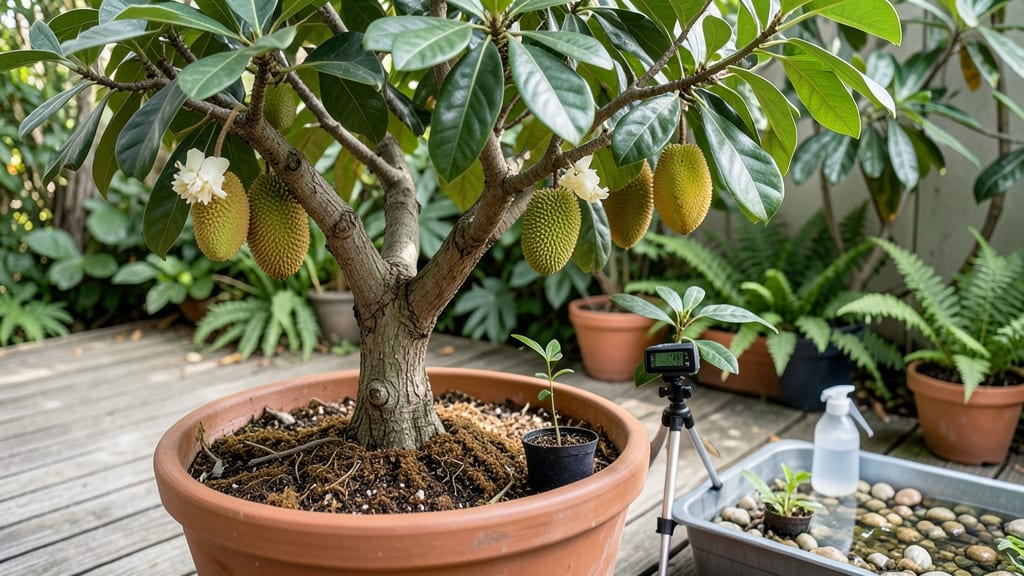
Growing a soursop guanabana tree to harvest this unique tropical fruit at home unlocks a world of creamy, sweet-tart flavors you won’t find in stores. 🌿 The process demands patience—seeds take 6-12 months to germinate—but the reward is worth it: a tree that thrives in containers or warm climates and produces fruit with a flavor unlike anything store-bought.
My first attempt failed because I rushed germination, but adjusting humidity and temperature changed everything.
This tropical fruit needs consistent warmth (70-85°F), high humidity, and partial shade when young. Use a well-draining potting mix with 30% perlite or sand to prevent root rot, and keep soil moist but never soggy.
Prune lightly to encourage airflow, and watch for pests like scale—neem oil works well for organic control. Container growers should repot every 2-3 years to accommodate root growth.
The real magic happens when your tree matures—5-10 years for fruit production, but worth the wait. A single soursop can yield 50+ pounds of fruit annually, with a texture and taste that’s creamy, tangy, and perfect for smoothies or desserts.
The key is consistency: monitor humidity, protect from frost, and avoid overwatering. With the right care, your tree will thrive even in small spaces.
Common mistakes include overwatering, poor drainage, or exposing young trees to cold drafts. If your leaves yellow or drop, check for root rot or nutrient deficiencies. Adjust care based on your climate—coastal areas may need more shade, while inland growers should prioritize humidity.
Patience and attention to detail pay off with a tree that keeps producing for decades.
Common Reasons Soursop Trees Fail
Growing a soursop (Annona muricata) tree at home can be incredibly rewarding, but like any tropical fruit, it has specific needs. If your guanabana tree isn’t thriving—or worse, is struggling to survive—understanding the root causes can help you adjust your care routine.
Below, we break down the most common reasons why soursop trees fail to grow, along with the science behind them.
Soursop trees are native to tropical regions with well-draining, slightly acidic to neutral soil (pH 5.5–7.0). If your soil is too dense, compacted, or lacks organic matter, the tree’s roots suffocate, leading to stunted growth, yellowing leaves, or even death.
- Why it happens:
- Clay-heavy or waterlogged soil restricts oxygen flow to roots, causing anaerobic conditions (lack of air) that trigger root rot (Phytophthora fungi).
- Alkaline soil (pH > 7.0) locks out essential nutrients like iron, manganese, and zinc, leading to chlorosis (yellowing leaves with green veins).
- Lack of organic matter reduces microbial activity, depriving the tree of beneficial fungi (like mycorrhizae) that aid nutrient absorption.
- Actionable fix:
- Amend soil with compost, coconut coir, or perlite to improve drainage.
- Test soil pH and adjust with sulfur (to lower pH) or lime (to raise pH) if needed.
- Plant in raised beds or containers if native soil is too dense.
Soursop trees love moisture but hate soggy roots. Both underwatering and overwatering create stress, leading to leaf drop, wilting, or fungal infections.
- Why it happens:
- Underwatering:
- Causes osmotic stress—roots can’t absorb water, leading to wilting, crispy leaf edges, and bud drop.
- Soil shrinks away from pot edges, and leaves turn brown and brittle.
- Overwatering:
- Promotes root rot (Pythium or Fusarium fungi), where roots turn black/mushy and emit a foul odor.
- Stagnant water in containers breeds mosquitoes and harmful bacteria, weakening the tree.
- Underwatering:
- Actionable fix:
- Water deeply when the top 2–3 inches of soil are dry (stick your finger in to check).
- Ensure containers have drainage holes—no exceptions!
- Use well-draining mixes (50% potting soil, 30% perlite, 20% compost).
- Mulch (with bark or straw) to retain moisture without suffocating roots.
Soursop trees thrive in tropical climates (70–85°F / 21–29°C) and high humidity (60–80%). Cold drafts, frost, or dry air can shock the tree, causing leaf scorch, bud death, or systemic decline.
- Why it happens:
- Cold stress (<50°F / 10°C):
- Damages cell membranes in leaves, causing brown, crispy patches (like frostbite).
- Slows metabolism, stunting growth or killing young trees.
- Low humidity (<50%):
- Leads to transpiration stress—leaves lose moisture faster than roots can replace it, causing curling, drying, or premature leaf fall.
- Sudden temperature swings:
- Disrupts enzyme activity in leaves, leading to chlorosis or necrosis.
- Cold stress (<50°F / 10°C):
- Actionable fix:
- Keep trees indoors or in greenhouses if temps drop below 55°F (13°C).
- Use a humidifier or pebble tray near potted trees in dry climates.
- Mist leaves daily in arid conditions (avoid wetting flowers/fruit to prevent rot).
- Acclimate gradually if moving trees between indoor/outdoor environments.
Soursop trees are heavy feeders and require a balanced diet of nitrogen (N), phosphorus (P), and potassium (K), plus micronutrients like magnesium and calcium. Deficiencies show up as distinct leaf symptoms, often misdiagnosed as pest or disease issues.
| Symptom | Likely Cause | Quick Fix |
|---|---|---|
| Yellow leaves (veins stay green) | Iron (Fe) or manganese (Mn) deficiency (common in alkaline soil) | Apply chelated iron or Epsom salt (magnesium sulfate). |
| Purple stems/leaves | Phosphorus (P) deficiency | Use a bone meal fertilizer or compost tea. |
| Brown leaf edges | Potassium (K) deficiency | Feed with banana peel tea or potassium-rich fertilizer. |
| Stunted growth | Nitrogen (N) deficiency | Apply fish emulsion or well-rotted manure. |
| Blossom end rot (on fruit) | Calcium (Ca) deficiency | Sprinkle crushed eggshells or use calcium nitrate. |
- Why it happens:
- Improper fertilization (e.g., too much nitrogen = lush leaves but no fruit).
- Soil pH issues (locks out micronutrients even if fertilizer is applied).
- Overuse of synthetic fertilizers disrupts beneficial soil microbes.
- Actionable fix:
- Test soil every 6–12 months and adjust nutrients accordingly.
- Use slow-release organic fertilizers (like worm castings or alfalfa pellets).
- Foliar spray micronutrients (e.g., seaweed extract) for quick uptake.
Soursop trees are susceptible to sap-sucking insects, fungal pathogens, and root diseases—especially in humid conditions. If left unchecked, pests and diseases weaken the tree, reducing fruit yield or killing it outright.
- Why it happens:
- Scale insects & mealybugs:
- Excrete honeydew, attracting sooty mold (black fungal growth on leaves).
- Weakens the tree by siphoning sap, leading to yellowing and stunted growth.
- Root-knot nematodes:
- Microscopic worms that burrow into roots, causing galls (lumpy growths) and reduced water/nutrient uptake.
- Anthracnose fungus:
- Thrives in wet conditions, causing dark, sunken lesions on leaves and fruit.
- Bacterial blight:
- Spreads via contaminated tools or rain, causing oozing cankers on stems.
- Scale insects & mealybugs:
- Actionable fix:
- Inspect leaves weekly for pests—wipe off mealybugs with rubbing alcohol-soaked cotton swabs.
- Neem oil spray (1 tsp per liter of water) prevents and treats most soft-bodied pests.
- Solarize soil (cover with clear plastic for 4–6 weeks) to kill nematodes and fungal spores.
- Prune infected branches and sterilize tools with 70% isopropyl alcohol to prevent spread.
Soursop trees hate aggressive pruning and mechanical stress. Over-pruning, wrong timing, or rough handling can stunt growth, invite disease, or even kill the tree.
- Why it happens:
- Pruning at the wrong time:
- Cutting in late winter/early spring (dormant season) is fine, but pruning during flowering/fruiting reduces yield.
- Over-pruning:
- Removes too much leaf canopy, reducing photosynthesis and starving the tree of energy.
- Using dull tools:
- Causes jagged cuts that tear bark, inviting bacterial/fungal infections.
- Physical damage (e.g., wind, hail, pets):
- Breaks vascular tissue, disrupting water and nutrient flow.
- Pruning at the wrong time:
- Actionable fix:
- Prune only in late winter (before
Fixing Common Guanabana Tree Troubles
Growing a soursop (guanabana) tree at home can be incredibly rewarding, but even the most dedicated gardeners may encounter a few hiccups along the way. Whether it’s slow growth, pest invasions, or environmental stressors, knowing how to address these issues quickly and effectively will keep your tree thriving.
Below, we’ve mapped out practical solutions for the most common problems—plus prevention tips to keep your guanabana tree healthy and productive.
If your guanabana tree isn’t growing as fast as you’d like, it’s often a sign of underlying issues like poor soil, insufficient sunlight, or nutrient deficiencies.
How to Fix It 🔥 Assess the Soil Conditions
Guanabana trees thrive in well-draining, slightly acidic soil (pH 5.5–6.5).
Test your soil’s pH and amend it with compost or peat moss if needed. - 💡 Pro Tip: Mix in a slow-release fertilizer (like a balanced 10-10-10 or organic options like fish emulsion) during the growing season to boost growth.
🍳 Provide the Right Light
- Guanabana trees love full sun (6+ hours daily). If your tree is in partial shade, consider relocating it to a sunnier spot.
- ✨ Prevention Tip: If moving isn’t an option, supplement with a grow light during shorter winter days.
👨🍳 Check for Root Constraints
- If planted in a small container, roots may be bound. Repot into a larger pot (at least 24 inches deep) with fresh potting mix if growing in a controlled environment.
- 🌡️ Warning: Avoid overwatering—waterlogged roots can stunt growth just as much as drought.
Pests like mealybugs, scale insects, and aphids can weaken your guanabana tree by sucking sap, leaving behind sticky residue (honeydew) that attracts sooty mold.
How to Fix It
🔪 Manual Removal (For Small Infestations)
- 🍳 Wipe down leaves with a soapy water solution (1 tsp mild dish soap per quart of water) using a soft cloth or sponge.
- 💡 Pro Tip: Focus on undersides of leaves and new growth where pests hide.
🌿 Natural Pest Control
- Neem oil spray (1 tbsp neem oil + 1 tsp mild soap per quart of water) is effective against soft-bodied pests. Spray every 5–7 days until pests are gone.
- 🎯 Introduce beneficial insects like ladybugs or lacewings, which prey on aphids and mealybugs.
🔥 Severe Infestations?
- For heavy infestations, use horticultural oil (like dormant oil) or insecticidal soap as a last resort. Always follow label instructions.
✨ Prevention Tip:
- Inspect new plants before bringing them home.
- Keep your tree healthy—stressed trees attract more pests!
Yellow leaves can signal iron deficiency (chlorosis), overwatering, or root rot, especially if the edges are brown or leaves feel mushy.
How to Fix It
📊 Diagnose the Issue
| Symptom | Likely Cause | Solution |
|---|---|---|
| Yellow leaves (veins stay green) | Iron deficiency (chlorosis) | Apply chelated iron supplement or compost with iron-rich amendments (like egg shells or molasses). |
| Yellow + brown edges | Overwatering/root rot | Let soil dry between waterings; improve drainage. |
| Yellow + crispy edges | Underwatering/sunburn | Water deeply but less frequently; provide afternoon shade if in intense sun. |
💡 Pro Tip:
- Epsom salt spray (1 tbsp per gallon of water) can help with magnesium deficiency, another common issue in tropical plants.
✨ Prevention Tip:
- Water only when the top 2 inches of soil are dry—guanabana trees prefer consistent moisture but hate soggy roots.
If your guanabana tree is mature (5+ years old) but still not fruiting, it could be due to lack of pollination, improper pruning, or environmental stress.
How to Fix It
🍳 Hand-Pollinate Flowers
- Guanabana flowers are not self-pollinating. Use a soft brush to transfer pollen from one flower to another in the morning when flowers are open.
👨🍳 Prune for Better Airflow & Light
- Remove dead or crowded branches to improve airflow and sunlight penetration.
- 🌡️ Warning: Avoid heavy pruning during fruiting season—it can stress the tree.
🔥 Check Environmental Conditions
- Guanabana trees need warm temperatures (70–85°F) to fruit. If your climate is too cool, consider growing it in a large container and moving it indoors during winter.
- ✨ Prevention Tip: Plant near other tropical fruit trees (like mango or citrus) to encourage cross-pollination.
Guanabana trees are tropical and cannot tolerate frost. Even light freezes can damage leaves and weaken the tree.
How to Fix It
🔥 Protect from Frost
- Cover the tree with a frost cloth or blanket if temperatures drop below 40°F (4°C).
- Move potted trees indoors to a sunny, warm spot (like a garage or greenhouse) during cold snaps.
💡 Pro Tip:
- If leaves are damaged, prune them back to encourage new growth once temperatures rise.
✨ Prevention Tip:
- Plant in a microclimate (like near a sunny wall or in a container where you can move it).
- Choose a frost-free zone (USDA Zones 10–11) or grow in a greenhouse if you live in colder areas.
Final Thought: With the right care, your guanabana tree can overcome most challenges and reward you with juicy, creamy soursop fruit in just a few years. Stay vigilant, adjust care based on your tree’s needs, and soon you’ll be enjoying homemade guanabana smoothies straight from your backyard! 🍹✨
Frequently asked questions about growing guanabana trees
How long does it take for a soursop tree to produce fruit?
With proper care, guanabana trees typically begin producing fruit between 5-10 years after planting. Young trees focus on establishing roots and foliage first, so patience is key. Container-grown trees may fruit slightly faster if given optimal conditions like full sun (6+ hours daily) and warmth (70-85°F).
Can I grow a soursop tree in a container?
Guanabana trees thrive in containers as long as the pot is at least 24 inches deep with drainage holes. Use a well-draining mix (50% potting soil, 30% perlite, 20% compost) and repot every 2-3 years. Move containers indoors during frost risk or when temps drop below 55°F (13°C).
Why are my soursop leaves turning yellow?
Yellow leaves usually indicate iron deficiency (chlorosis), overwatering, or poor drainage. Check soil moisture—water only when the top 2-3 inches are dry. For iron issues, apply chelated iron or compost with egg shells. If edges are brown, reduce watering and improve airflow around the tree.
How do I pollinate guanabana flowers for fruit?
Guanabana flowers need cross-pollination. Use a soft brush to transfer pollen between flowers in the morning when they're open. For container growers, plant near other tropical fruit trees (like mango) or hand-pollinate daily during the 2-week flowering period. Avoid synthetic pesticides that harm pollinators.
What's the best fertilizer for soursop trees?
Use a balanced organic fertilizer (like 10-10-10 or fish emulsion) during growing season, plus micronutrients. Apply every 4-6 weeks in spring/summer. For micronutrients, try Epsom salt (magnesium) or seaweed extract. Avoid over-fertilizing—too much nitrogen causes lush leaves but no fruit!