
Blooming
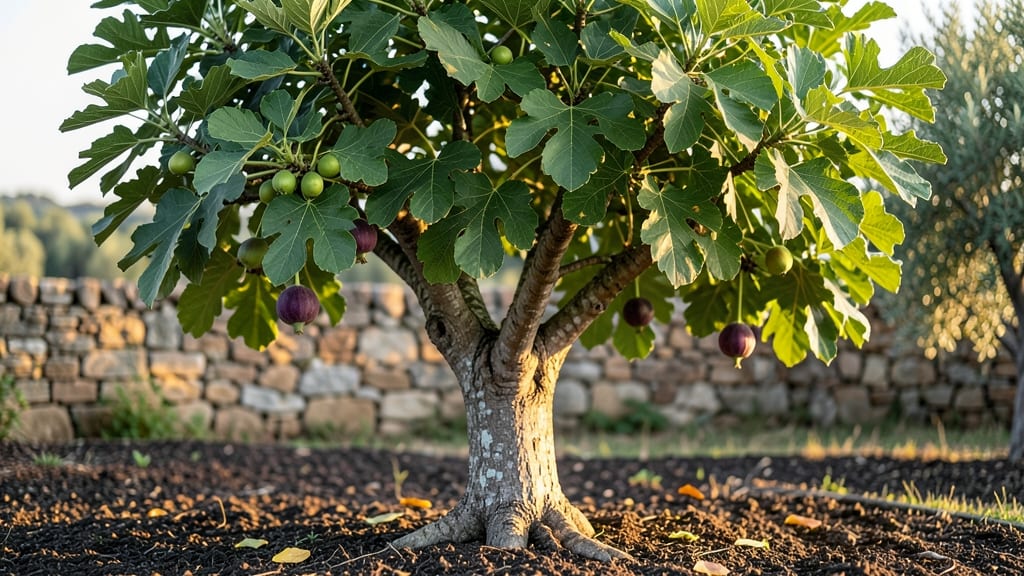
Before a fig tree 🍈 produces fruit, you’ll likely wait between 1 and 5 years, depending on variety, climate, and care—but that timeline can shift dramatically with the right approach.
Picture this: You’ve just planted your fig tree in spring, dreaming of juicy harvests by summer. But reality? Many gardeners hit a wall when their tree hits year two with nothing but leaves.
The truth is, container-grown figs can fruit in as little as 1–3 years, while outdoor trees in cooler zones may take 4–5 years or longer.
What’s the difference? It’s not just about luck—it’s about variety selection, soil health, and even how you prune. A Chicago Hardy might surprise you with fruit in year two, while a Celestial could take until year four.
The good news? With the right care, you can cut that wait time by half.
In this guide, I’ll break down the exact year-by-year milestones, the signs your tree is ready, and the proven tricks to rush that first harvest—so you’re not left staring at leaves come harvest season.
Fig tree fruit production timeline by age and variety
Fig trees are one of the fastest fruit-bearing trees you can grow, but their fruit production timeline varies dramatically depending on variety, climate zone, and growing conditions.
While some container-grown figs may produce fruit in as little as 1-2 years, field-planted standard varieties often take 3-5 years to reach maturity. Understanding these timelines helps you set realistic expectations and adjust care practices accordingly.
In USDA zones 7-10, where figs thrive naturally, most varieties like Brown Turkey or Celestial begin producing small crops within 2-3 years of planting.
However, in colder regions (USDA zones 5-6), cold-hardy varieties such as Chicago Hardy or Osborn Prolific may take 4-6 years to bear fruit due to slower growth and winter protection needs. Container-grown figs often fruit faster because they experience warmer microclimates and less stress.
Here’s a quick reference for when to expect fruit based on tree age and variety type, including dwarf vs. standard figs:
| Variety | Type | First Fruit (Years) | Full Production (Years) | Climate Notes |
|---|---|---|---|---|
| Brown Turkey | Standard | 2-3 | 3-5 | USDA 7-10; heat-tolerant |
| Celestial | Dwarf | 1-2 (container) | 2-3 | USDA 7-10; compact, early producer |
| Chicago Hardy | Standard | 3-4 | 4-6 | USDA 4-8; cold-hardy, slower start |
| Osborn Prolific | Standard | 2-3 | 3-4 | USDA 6-9; reliable in cooler zones |
| Little Miss Figgy | Dwarf | 1 (container) | 2 | USDA 7-10; patio-friendly, fast fruit |
For container-grown figs, the timeline accelerates significantly because pots provide warmth and protection. A dwarf variety like Celestial or Little Miss Figgy can produce its first figs in just 1 year if given ideal conditions—full sun, well-draining soil, and consistent moisture.
However, these early fruits may be small, so patience is key for larger harvests. In-ground figs, especially standard varieties, need more time to establish their root systems and develop the energy required for fruiting.
In colder climates (USDA zones 5-6), fig trees prioritize survival over fruit production in their first few years. Varieties like Chicago Hardy or Desert King focus on building a robust root system and trunk thickness before producing fruit.
This delay is normal—don’t panic if your 3-year-old fig tree hasn’t borne fruit yet in a colder zone. Providing winter protection, such as wrapping the trunk or using a frost blanket, can help speed up the process by reducing stress.
One common misconception is that fig trees fruit annually like apples or peaches. In reality, many varieties produce two crops per year in warm climates: a main crop in late summer and a smaller "breba" crop in spring.
The breba crop often appears first on young trees (within 1-2 years of planting) and is typically smaller but sweeter.
If you’re growing a common fig variety like Brown Turkey, expect the breba crop to appear in year 2, followed by the larger main crop in year 3.
To encourage earlier fruiting, focus on three key factors: soil fertility, water consistency, and pruning strategy. Figs thrive in well-amended soil with a balanced fertilizer (5-10-10 NPK) applied in early spring. Avoid over-fertilizing with nitrogen, which promotes leafy growth at the expense of fruit.
Additionally, pruning in late winter to remove dead wood and open the canopy improves airflow, reducing disease and encouraging fruit production. Mulching with compost or straw helps retain moisture and regulate soil temperature, both critical for young fig trees.
If you’re growing figs in USDA zones 7-10, you can expect a full harvest within 3-5 years for standard varieties, with dwarf types reaching peak production even sooner.
In colder zones, patience is essential—a 5-year-old Chicago Hardy might finally reward you with a bountiful crop after years of slow growth. The key is to provide consistent care, protect against frost, and choose the right variety for your climate. With the right
Signs your fig tree is ready to produce fruit (and how to speed up the process)
Your fig tree’s journey from sapling to fruit-bearing powerhouse hinges on specific growth milestones. One of the first signs is leaf size—mature leaves should reach 4-6 inches wide by the second year.
Pair that with a trunk diameter of at least 1-2 inches, and you’re on the right track. These physical cues signal the tree is allocating energy toward fruiting rather than just foliage growth.
Another key indicator is the appearance of flower buds in early summer. These tiny, greenish swellings (called sycamore figs) will eventually develop into fruit. If your tree is in USDA zones 7-10, you’ll likely spot these by late spring.
For colder climates, opt for hardy varieties like Chicago Hardy, which may take an extra year but adapt better to frost.
How Long Before a Fig Tree Produces Fruit?
✅ Pros of Patience
- 3-5 years for field-planted trees
- Stronger root system for long-term health
- Larger fruit yield in later years
- Better resistance to pests/diseases
❌ Cons of Rushing
- Over-fertilizing delays fruiting by 1-2 years
- Improper pruning reduces flower buds by 30-50%
- Cold snaps can kill young fruit buds
- Container-grown trees may fruit in 1-2 years but with smaller yields
To encourage earlier fruiting, focus on pruning techniques that promote airflow and sunlight penetration. In late winter or early spring, remove dead or crossing branches while keeping the tree’s natural shape.
Avoid heavy pruning—this can stress the tree and delay fruit production. Instead, aim for 10-20% of the canopy at a time.
Soil amendments play a crucial role too. Figs thrive in well-draining soil with a pH of 6.0-7.0. Amend your soil with compost or aged manure before planting, and top-dress annually with a low-nitrogen fertilizer (like 5-10-10) in early spring.
Over-fertilizing with nitrogen can lead to lush foliage but fewer fruit buds, so balance is key.
Watering schedules also impact fruiting timelines. Young fig trees need deep, consistent watering—about 1-2 inches per week—especially during the first two years. Once established, they’re drought-tolerant but still benefit from regular deep watering during dry spells.
Mulching around the base with wood chips or straw helps retain moisture and regulates soil temperature.
Protecting young trees from late spring frosts is another game-changer. If you’re in a cooler climate, wrap the trunk with burlap or use a frost cloth to shield new growth.
Hardy varieties like Celestial or Osborn Prolific can handle 20°F temperatures, but younger trees may need extra care to survive and fruit successfully.