
Pests and Diseases
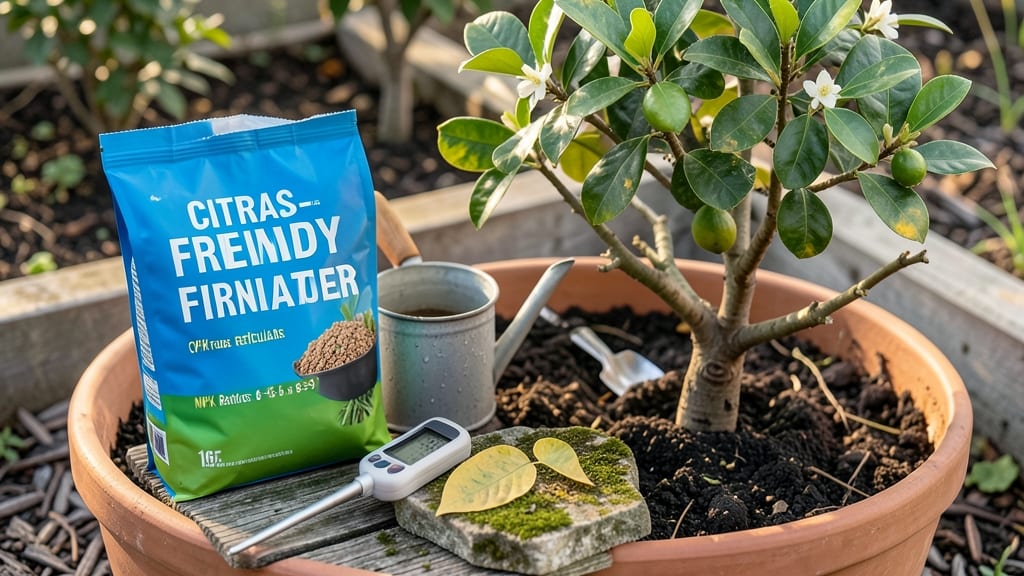
Your mandarin tree’s yellow leaves could signal a fungal blight—and I’ve seen it ruin entire harvests if left unchecked. 🌱 The key is catching it early, when leaves show jagged brown edges or yellow patches between veins, before the disease spreads to fruit.
Most gardeners assume it’s just overwatering, but fungal blight thrives in damp conditions and can turn your tree into a sad, sparse shadow of itself.
First, check the soil—it should feel like a wrung-out sponge, not a swamp. If the roots are sitting in water, cut back on irrigation and improve drainage with 3 inches of coarse sand mixed into the topsoil.
Then, prune any infected branches 6 inches below the yellowing leaves, using sterilized shears to avoid spreading spores. For organic control, spray a mix of 1 tablespoon baking soda + 1 quart water + a drop of dish soap every 7 days until new growth appears.
What you’ll end up with is a tree that bounces back—bright green, disease-free leaves by midsummer—and fruit that stays sweet instead of bitter. The secret is acting fast: within 2 weeks of treatment, you’ll see new growth pushing out, and the yellowing slows dramatically.
Even if you’ve lost a few branches, the tree’s resilience will surprise you.
This works for container-grown trees too—just adjust watering to dry out faster. And if your climate is humid (like mine), make this your spring and fall ritual to keep blight at bay. The worst part is waiting for the first signs—so don’t wait until the leaves are crispy brown.
Understanding Root Causes
Yellowing leaves on your mandarin tree can be a distress signal—but what’s triggering it? The issue often stems from a mix of environmental stressors, nutrient imbalances, or hidden invaders. Below, we break down the most common culprits behind those unsightly yellow leaves, along with the science behind each one.
Knowing the exact cause is the first step to saving your tree!
Yellow leaves often scream "I’m hungry!"—but not always for the same thing. Mandarin trees (Citrus reticulata) thrive on a balanced diet, and deficiencies in key nutrients can turn foliage pale, yellow, or even brown.
- 💡 Iron Chlorosis (The Classic Yellowing) - What’s happening? Iron deficiency causes interveinal chlorosis—yellowing between leaf veins while the veins stay green.
This is common in alkaline soils (pH > 7.0) or when iron is locked away in unavailable forms. - Why it happens: Mandarin trees need iron for chlorophyll production, but high pH soils make iron insoluble.
Even if iron is present, the roots can’t access it. - Actionable fix: - Test your soil’s pH (ideal: 5.5–6.5). - Apply chelated iron (like iron sulfate or EDTA-bound iron) to make it plant-available. - Use organic matter (compost, peat moss) to improve soil structure and microbial activity.
- 🌱 Nitrogen Shortage (The Weak-Looking Tree) - What’s happening? Yellowing starts on older leaves (not just new growth) and may accompany stunted growth.
Nitrogen is essential for leaf development, and a lack of it signals poor protein synthesis. - Why it happens: Nitrogen leaches quickly in sandy soils or gets depleted after heavy fruiting.
Overwatering can also wash it away. - Actionable fix: - Feed with slow-release organic nitrogen (blood meal, fish emulsion, or compost tea). - Avoid synthetic fertilizers that burn roots—opt for mild, balanced formulas (10-10-10).
- 🍃 Magnesium & Manganese Deficits (The Hidden Twins)
- What’s happening? Yellowing appears between veins first on older leaves, similar to iron deficiency but often with purple or brown patches (magnesium) or crinkled leaves (manganese).
- Why it happens: These micronutrients are tied to chlorophyll production. Over-fertilizing with nitrogen can starve the tree of other nutrients, while calcareous soils bind manganese tightly.
- Actionable fix:
- Apply Epsom salt (magnesium sulfate) dissolved in water (1 tbsp/gallon, spray or soil drench).
- For manganese, use manganese sulfate (follow label rates) or acidify soil with pine needles or sulfur.
Mandarin trees hate soggy feet and drought stress, both of which can trigger yellowing. The key is consistent moisture—not drought, not swamp.
- 🌧️ Overwatering (The Suffocation Effect) - What’s happening? Yellow leaves with wilting or mushy texture, often paired with root rot symptoms (blackened roots, foul smell). Overwatering drowns roots, cutting off oxygen and inviting fungal pathogens. - Why it happens: Mandarin trees prefer well-draining soil.
Heavy clay or compacted soil traps water, while poor drainage (e.g., planting in a depression) worsens the issue. - Actionable fix: - Improve drainage by amending soil with perlite, sand, or coconut coir. - Water deeply but infrequently—let the top 2–3 inches of soil dry out between waterings. - Ensure proper mulching (2–3 inches of organic mulch) to retain moisture without suffocating roots.
- 🏜️ Underwatering (The Thirsty Tree) - What’s happening? Leaves yellow from the edges inward (scorching) and may curl or drop. The tree looks leggy or wilted even when watered. - Why it happens: Mandarin trees are drought-tolerant but not drought-loving.
Prolonged dry spells cause osmotic stress, forcing the tree to shed leaves to conserve water. - Actionable fix: - Water deeply (1–1.5 inches per week) during dry spells. - Use drip irrigation to deliver water slowly at the root zone. - Mulch heavily to lock in moisture and regulate soil temperature.
Fungal infections are a top cause of yellowing in mandarin trees, often misdiagnosed as nutrient issues. Look for additional symptoms like spots, mold, or leaf drop to confirm.
- 🍅 Citrus Canker (The Ulcerating Menace) - What’s happening? Yellowing leaves paired with raised, crusty lesions (like scabs) on stems and leaves. Severe cases cause premature leaf drop. - Why it happens: Caused by the bacterium Xanthomonas citri, but fungal secondary infections (like Colletotrichum) worsen symptoms.
Spreads via wind, rain, or contaminated tools. - Actionable fix: - Prune infected branches (sterilize tools with 70% alcohol). - Apply copper-based fungicides (like copper hydroxide) at first sign. - Improve air circulation by pruning dense foliage.
- 🍄 Anthracnose (The Spotty Invader) - What’s happening? Dark, sunken spots with yellow halos on leaves, often leading to premature defoliation.
Thrives in humid, rainy conditions. - Why it happens: Fungus Colletotrichum gloeosporioides infects through wounds or natural openings, especially in stressed trees. - Actionable fix: - Remove and destroy infected leaves (do not compost). - Spray with neem oil or baking soda solution (1 tbsp baking soda + 1 tsp oil + 1 gallon water). - Space trees properly (6–10 feet apart) for airflow.
- 🍂 Root Rot (The Underground Killer) - What’s happening? Yellowing leaves with mushy, discolored roots (brown/black).
The tree may lean or fall over if the root structure collapses. - Why it happens: Phytophthora and Pythium fungi thrive in waterlogged soil, rotting roots and cutting off nutrient uptake. - Actionable fix: - Stop watering immediately and let soil dry. - Repot or amend soil with sand and fungicide (like mycorrhizal fungi or Trichoderma). - Solarize soil (cover with clear plastic for 4–6 weeks in summer) to kill pathogens.
Not all yellowing is caused by fungi or nutrients—sap-sucking pests can drain a tree’s vitality, leading to pale, stunted leaves.
- 🐜 Aphids & Scale Insects (The Sticky Bandits) - What’s happening? Sticky honeydew on leaves, yellowing or curled leaves, and black sooty mold (a fungal hitchhiker). - Why it happens: These pests pierce leaves to suck sap, starving the tree of nutrients.
Their waste (honeydew) feeds sooty mold, blocking sunlight. - Actionable fix: - Blast off pests with strong water spray. - Apply neem oil or insecticidal soap (repeat every 5–7 days). - Introduce ladybugs or lacewings (natural predators).
- 🕷️ Spider Mites (The Tiny Web Weavers) - What’s happening? Fine webbing on leaves, bronzed or yellow stippling, and leaf drop in severe cases. - Why it happens: These mites feed on chlorophyll, causing speckled yellowing.
They thrive in hot, dry conditions. - Actionable fix: - Increase humidity (
Revive Your Mandarin Tree
Yellow leaves on your mandarin tree can be alarming, but with the right care, you can restore its health and prevent further damage. Below are targeted solutions based on the most common causes of yellowing leaves, along with practical steps to treat and prevent future issues.
If your mandarin tree is sitting in soggy soil, its roots struggle to breathe, leading to yellowing leaves. Here’s how to correct it:
🔥 Step 1: Check the Soil Moisture
- Stick your finger 1-2 inches into the soil. If it feels damp or muddy, your tree is overwatered.
- Pro Tip: Mandarin trees prefer soil that’s dry on top but moist below. Water only when the top inch feels dry.
🍳 Step 2: Improve Drainage
- Repot your tree (if in a container) into a pot with drainage holes and use a well-draining mix like:
- 60% potting soil
- 20% perlite or coarse sand
- 20% compost
- For in-ground trees, amend the soil with organic matter (like compost or coconut coir) to improve aeration.
👨🍳 Step 3: Adjust Your Watering Routine
- Water deeply but infrequently—once every 7-10 days (adjust based on climate).
- Avoid letting the tree sit in standing water. Use a saucer under pots to catch excess, then empty it after 30 minutes.
⏰ Prevention Tips
- 💡 Use a moisture meter to track soil conditions accurately.
- 🌡️ Mulch around the base (but avoid touching the trunk) to regulate soil temperature and moisture.
Yellowing leaves can signal a lack of essential nutrients. Mandarin trees thrive with a balanced diet, especially nitrogen, iron, and magnesium.
🔥 Step 1: Test Your Soil
- Conduct a soil pH test (ideal range: 6.0–7.0 for citrus trees).
- If deficient, amend with:
- Iron chelate (for yellowing between veins)
- Epsom salt (1 tbsp per gallon of water, monthly) for magnesium
- Citrus-specific fertilizer (high in nitrogen but low in salt)
🍳 Step 2: Apply Organic Fertilizers
- Fish emulsion or seaweed extract (for a gentle nitrogen boost).
- Compost tea (homemade or store-bought) to replenish micronutrients.
- Pro Tip: Fertilize every 4–6 weeks during growing seasons (spring and summer).
👨🍳 Step 3: Foliar Spray for Quick Relief
- Mix 1 tsp of liquid iron supplement in a gallon of water and spray on leaves every 2 weeks until color improves.
⏰ Prevention Tips
- 🎯 Avoid over-fertilizing—too much salt can burn roots.
- ✨ Rotate fertilizers to prevent nutrient lockout (e.g., alternate between synthetic and organic).
If yellowing leaves are accompanied by black spots, mold, or a white powdery coating, a fungal infection like citrus blight or anthracnose may be to blame. Here’s how to combat it organically:
🔥 Step 1: Prune Infected Areas
- Sterilize pruners with rubbing alcohol between cuts.
- Remove all yellow, spotted, or mushy leaves and dispose of them in the trash (not compost).
🍳 Step 2: Apply Fungicidal Sprays
- Neem oil solution (1 tbsp neem oil + 1 tsp mild soap per quart of water). Spray every 7–10 days until the infection clears.
- Baking soda spray (1 tsp baking soda + 1 quart water + a few drops of oil) for mild cases.
- Pro Tip: Spray early in the morning to avoid burning leaves in sunlight.
👨🍳 Step 3: Improve Air Circulation
- Thin out dense foliage to reduce humidity around the tree.
- Space trees 6–10 feet apart if planted outdoors.
⏰ Prevention Tips
- 💡 Water at the base (avoid wetting leaves) to prevent fungal spores from spreading.
- 🌡️ Mulch with straw or wood chips to keep soil dry and discourage fungal growth.
Sap-sucking pests like spider mites, aphids, or scale insects drain nutrients, causing yellowing. Here’s how to evict them:
🔥 Step 1: Inspect Leaves & Stems
- Look for sticky residue (honeydew), tiny webs, or small bugs on undersides of leaves.
- Shake branches over a white tray to spot pests.
🍳 Step 2: Blast Off Pests Naturally
- Insecticidal soap (1 tbsp liquid soap + 1 quart water). Spray directly on pests every 5–7 days.
- Horticultural oil (dormant oil in winter, summer oil in warm months) to smother eggs and adults.
- Pro Tip: Introduce beneficial insects like ladybugs or lacewings for long-term control.
👨🍳 Step 3: Clean Up Debris
- Remove fallen leaves and fruit mummies where pests hide.
- Wipe down branches with a damp cloth to dislodge pests.
⏰ Prevention Tips
- 🎯 Install fine mesh netting over young trees to block infestations.
- ✨ Encourage natural predators by planting companion flowers like marigolds or basil nearby.
With these targeted fixes, your mandarin tree should regain its vibrant green foliage in 4–8 weeks. Monitor its progress and adjust care as needed—your tree will thank you with bountiful harvests! 🍊🌿
Frequently asked questions
Why do mandarin tree leaves turn yellow in patches instead of all at once?
Patchy yellowing usually signals nutrient deficiencies (like iron or magnesium) or fungal infections. Check for yellowing between veins (iron deficiency) or purple-brown patches (magnesium). If you see spots or mold, it's likely anthracnose or citrus blight. Start by testing soil pH and applying chelated iron or Epsom salt.
Can I still save my mandarin tree if half the leaves are yellow?
Yes! Act fast by pruning infected/damaged leaves and addressing the root cause (water, nutrients, or pests). For severe cases, focus on drainage improvement and fungicide sprays. With consistent care, new growth should appear in 4-6 weeks. The key is catching issues early before they spread.
Why do my mandarin tree's new leaves stay yellow while older ones stay green?
This is a classic sign of magnesium deficiency or over-fertilization with nitrogen. New leaves stay yellow because the tree prioritizes nutrients for older growth. Try a monthly Epsom salt spray (1 tbsp/gallon) and reduce nitrogen-heavy fertilizers. Yellowing should improve within 2-3 weeks of treatment.
How often should I fertilize a mandarin tree with yellow leaves?
Start with a balanced citrus fertilizer (10-10-10) every 6-8 weeks during growing seasons (spring-summer). Avoid overdoing it—too much fertilizer burns roots and worsens yellowing. For organic options, use compost tea or fish emulsion monthly. Always water thoroughly after fertilizing.
Will pruning yellow leaves help my mandarin tree recover faster?
Yes! Pruning removes diseased tissue and redirects the tree's energy to healthy growth. Sterilize tools with rubbing alcohol between cuts, and remove only 1/3 of the foliage at a time. Focus on severely yellow or spotted leaves. After pruning, boost recovery with foliar sprays (like iron chelate) and proper watering.