
Blooming
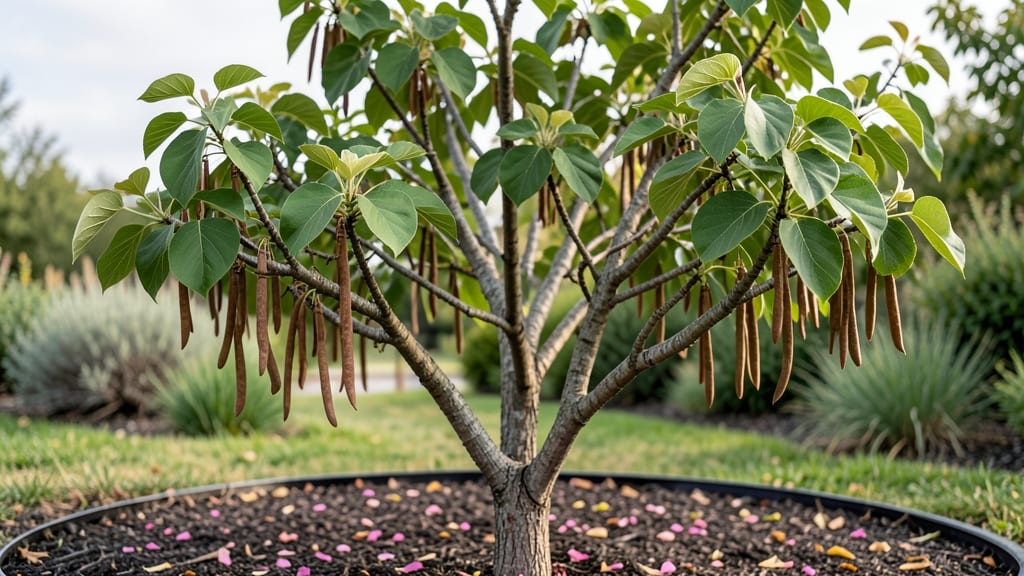
After those stunning pink blooms fade, your redbud tree (Cercis canadensis) needs a little post-bloom TLC to keep looking its best all season. ✨ The key is timing—prune too early, and you cut off next year's flowers; wait too long, and you risk pests or weak growth.
I learned this the hard way when my first pruning left me with a sparse spring display, but now I’ve got a foolproof system for keeping redbuds lush and healthy.
Start by removing any dead, damaged, or crossing branches first—these are easy to spot and won’t affect next year’s blooms. Then, thin out about 10-20% of the oldest branches to improve airflow and sunlight penetration.
Use sharp bypass pruners for clean cuts, and avoid over-pruning, which stresses the tree. The goal is to shape it naturally while encouraging new growth where you want it.
Leave those seed pods if you want to support wildlife—birds and small mammals love them—but remove them if they look diseased or if you prefer a tidier look.
A light application of balanced fertilizer (10-10-10) in early summer can give your tree a boost, but redbuds are generally low-maintenance once established. Just keep an eye out for Japanese beetles or powdery mildew, which can pop up in late summer.
With the right care, your redbud will reward you with vibrant green foliage all season, and those pink blooms will come back bigger and brighter next spring. The secret is in the details—timing, technique, and a little patience. Let’s get your tree ready for its next act!
📚 In This Guide
- What you need
- Instructions
- Tips and common mistakes
- Wrapping up and next steps
What you need
- ● Pruning shears: Bypass pruners (sharp, 6-8" blades) for small branches.
- ● Loppers: 8-10" bypass loppers for thicker branches (up to 2" diameter).
- ● Pruning saw: Curved-tooth saw for branches >2" in diameter.
- ● Gloves: Heavy-duty gardening gloves (cut-resistant for safety).
- ● Disinfectant: 70% isopropyl alcohol or bleach solution (1 part bleach to 9 parts water) to sterilize tools.
- ● Trash bags: 2-3 heavy-duty bags (13-gallon size) for debris.
- ○ Pruning sealant (optional but helpful): Tree wound paint or pruning paste for large cuts.
- ● Extension pole: 6-8 ft telescoping pole for high branches.
- ● Step stool: Sturdy, non-slip stool for better reach.
- ● Hand lens or magnifier: For inspecting buds and branch health up close.
- ● Notebook & pen: To sketch or note pruning decisions for future reference.
- ● Mulch: Shredded bark or wood chips (2-3 inches deep) to protect roots post-pruning.
- ● Choose the right time: Early spring (just after blooms fade) or late winter (before buds swell).
- ● Check the weather: Prune on a dry, calm day to avoid spreading disease.
- ● Review your redbud tree’s health: Look for dead, diseased, or crossing branches to target first.
Instructions for pruning a redbud tree after bloom
Here's how to keep your redbud thriving—and stunning—throughout the seasons.
✂️ Step 1: Wait Until After Full Bloom
Never prune while the tree still has buds or flowers. Wait until 2-4 weeks after the last petal falls, when new leaves have fully unfurled. This timing ensures you don’t remove next year’s blooms, which form on old wood. I always check for fresh leaf growth before touching my shears—it’s the best signal the tree has finished flowering.
If you prune too early, you risk cutting off flower buds that haven’t even opened yet. Redbuds are famous for their spring spectacle, so protecting those buds means more vibrant blooms next year. Mark your calendar after the last pink bloom fades—this is your pruning window.
✂️ Step 2: Remove Dead or Diseased Branches First
Scan the tree for any branches that are brown, brittle, or hollow—these are dead or diseased and need immediate removal. Use clean, sharp pruners to make a clean cut just outside the branch collar (the swollen area where the branch meets the trunk). This prevents unsightly stubs and helps the tree heal faster.
I always start with the obvious offenders. A dead branch won’t come back, and leaving it on invites pests or fungal infections. If a branch is larger than ½ inch in diameter, use a saw instead of pruners. Cut at a slight angle to avoid water pooling on the wound, which can rot the tree over time.
✂️ Step 3: Thin Out Crowded or Crossing Branches
Look for branches that rub against each other or grow inward toward the center of the tree. These are called water sprouts or crossing branches, and they compete for sunlight and nutrients. Remove one of the two when they cross—never leave a stub, as it can invite disease. Aim to create an open, airy canopy that lets light reach the inner branches.
Thinning improves airflow, which reduces the risk of fungal diseases like powdery mildew. I like to step back every few cuts to visualize the tree’s shape. Your goal is to maintain the redbud’s natural, graceful form while keeping it strong. If you’re unsure which branch to keep, choose the one with the better angle or more vigorous growth.
✂️ Step 4: Shape Lightly for Balance and Airflow
Redbuds have a beautiful, rounded shape, but they can get leggy if left unchecked. Focus on light shaping—never remove more than 25% of the tree’s foliage in one season. Start at the top and work your way down, cutting back overgrown branches to encourage a fuller, more compact form. Make cuts just above a leaf bud or side branch to promote new growth.
Here’s the thing—redbuds bloom on old wood, so avoid heavy pruning that removes too many mature branches. Instead, focus on selective trimming to open up the center and improve sunlight penetration. If you’re unsure how much to cut, err on the side of caution. A slightly under-pruned redbud is easier to shape next year than one you’ve over-pruned.
🌿 Step 5: Clean Up and Monitor for Recovery
After pruning, rake up all the debris and dispose of it properly—don’t leave clippings on the ground, as they can harbor pests. Disinfect your tools with rubbing alcohol to prevent spreading disease between cuts. Water the base of the tree deeply to help it recover, especially if you’ve made larger cuts.
Watch the tree over the next few weeks. Healthy new growth should appear within 4-6 weeks, signaling the tree is recovering well. If you see yellowing leaves or wilting, it might be stressed—reduce watering slightly and avoid pruning for the rest of the season. Redbuds are resilient, but they do best when given time to heal after pruning.
Tips & tricks for perfect redbud pruning after bloom
These simple strategies will help you prune your redbud like a pro—keeping it healthy and stunning year after year.
Timing is Everything: The 2-4 week window after blooming is critical because redbuds bloom on old wood. I learned this the hard way after accidentally pruning too early and losing next year's flowers! Look for fully unfurled leaves as your green light—this means the tree has finished flowering and new buds have already formed. Mark your calendar after the last pink bloom fades to remember your pruning window.
Tool Prep Makes All the Difference: Clean, sharp tools are non-negotiable. I always disinfect my pruners with rubbing alcohol between cuts to prevent spreading disease. For branches over ½ inch thick, use a saw instead of pruners to avoid tearing the bark. Make cuts just outside the branch collar at a slight angle to prevent water pooling—this simple technique helps wounds heal faster and reduces rot risk.
Visualize Before You Cut: Step back every few minutes to assess your progress. Redbuds naturally grow in a graceful, rounded shape, so aim to maintain that silhouette while improving airflow. When thinning crossing branches, remove the one that creates the better angle or shows more vigorous growth. This selective approach preserves the tree's natural beauty while improving its health.
Recovery Watch: After pruning, monitor for new growth within 4-6 weeks—the best sign your tree is healing well. If you see yellowing leaves or wilting, reduce watering slightly and avoid pruning for the rest of the season. Redbuds are resilient, but they need time to recover after pruning stress. I always give mine a deep watering after larger cuts to help with recovery.
Pro Tips for Redbud Tree After Bloom
- These simple strategies will help you prune your redbud like a pro—keeping it healthy and stunning year after year.
- Timing is Everything: The 2-4 week window after blooming is critical because redbuds bloom on old wood.
- Tool Prep Makes All the Difference: Clean, sharp tools are non-negotiable.
Frequently asked questions
Got questions about your redbud tree after those stunning blooms fade? Here are some of the most common concerns—plus expert answers to keep your tree thriving!
When is the best time to prune a redbud tree after it blooms?
The ideal window is late spring to early summer, after the tree finishes flowering (usually April–June, depending on your climate). Pruning too early risks cutting off next year’s blooms, while waiting too long may encourage excessive new growth. Aim for 4–6 weeks post-bloom for balanced health.
Should I remove the spent flowers or seed pods?
While you can trim off faded flowers or seed pods for tidiness, it’s not necessary—the tree will shed them naturally. Focus on shaping the canopy instead. Pro tip: If seed pods bother you, prune them in early summer to avoid attracting pests like stink bugs.
Why are my redbud tree’s leaves yellowing after bloom?
Yellowing leaves often signal overwatering, nutrient deficiency, or fungal issues. Check the soil—it should drain well. If leaves are crunchy, it’s likely underwatered; if soft and mushy, overwatered. Test soil pH (ideal: 6.0–7.0) and fertilize lightly with balanced 10-10-10 in early spring if needed.
Can I prune a redbud tree in fall or winter?
Light structural pruning (removing dead wood) in late winter (before buds swell) is fine, but avoid heavy pruning in fall or winter. Redbuds bloom on old wood, so aggressive cuts can reduce next year’s flowers. Save major shaping for late spring—just remove 10–20% of branches max per year.
What if my redbud tree isn’t blooming well after pruning?
Poor blooms usually mean too much pruning of old wood or stress (drought, poor soil, or pests). Try these fixes:
- Reduce pruning to only remove dead/diseased branches.
- Apply phosphorus-rich fertilizer (like 5-10-10) in early spring.
- Ensure 6+ hours of sunlight daily.
- Water deeply 1–2x/week during dry spells.
Wrapping up and next steps
Your redbud tree’s post-bloom care doesn’t have to be complicated—just strategic! By pruning at the right time, removing dead wood, and shaping with confidence, you’ll unlock year-round beauty and a healthier tree. Remember, a little effort now means vibrant blooms and lush foliage for seasons to come.
Ready to transform your garden? Grab those pruners and start small—even a single branch makes a difference! For extra inspiration, explore redbud tree varieties or join local gardening groups to swap tips. Your tree (and future spring visitors!) will thank you. 🌸✨