
Pruning
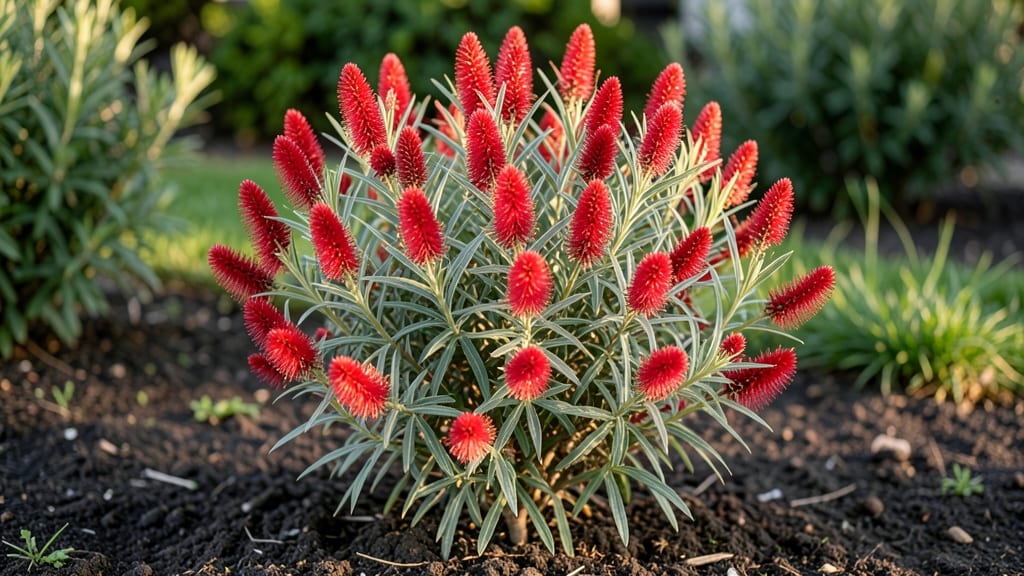
Those fluffy pink clouds in your landscape aren’t a mirage—check out powder puff tree photos to see the magic for yourself!—it’s the powder puff tree (Calliandra spp.), and it transforms any garden into a dreamy retreat. 🌿 I’ve watched mine bloom from late spring through fall, its delicate clusters swaying like cotton candy in the breeze, while the dark green foliage adds rich contrast year-round.
The real magic? It thrives in full sun to partial shade, tolerates drought once established, and grows in containers or as a privacy screen—perfect for small spaces or urban gardens.
Pair it with succulents for texture or lavender for fragrance, and you’ve got a low-maintenance showstopper that keeps neighbors asking, "What is that?"
By mid-summer, your powder puff tree will be a living cloud, its blooms attracting butterflies while the air hums with pollinators. Prune lightly after flowering to encourage bushier growth, and watch it rebound with even more vigor next season.
Whether you’re framing a patio, softening a fence line, or adding drama to a container, this tree delivers effortless beauty with minimal fuss. Let’s get yours planted—and steal the show!
📚 In This Guide
- What you need
- Instructions
- Tips and common mistakes
- Wrapping up and next steps
What you need
- ○ Camera or smartphone – A DSLR or mirrorless camera with manual settings (optional but recommended for pro results). Even a high-end smartphone with a good lens will work!
- ○ Tripod (optional but helpful) – A lightweight, sturdy tripod to keep your shots steady, especially in windy conditions. Look for one with a quick-release plate for easy adjustments.
- ○ Wide-angle lens (optional) – A lens with a focal length of 10-24mm (for DSLRs) or a smartphone with a super-wide-angle mode to capture the full fluffiness of the tree.
- ○ Polarizing filter (optional) – Reduces glare and enhances colors for vibrant powder puff tree shots. A circular polarizer is ideal.
- ○ Reflector or diffuser (optional) – A 5-in-1 reflector or a simple white foam board to soften harsh sunlight and add a dreamy glow to your photos.
- ● Memory card (if using a DSLR) – A 32GB or higher card with fast write speeds (Class 10 or UHS-I) to handle high-resolution shots.
- ● Extra batteries – Powder puff trees are often photographed in natural light, so bring spares to avoid missing the perfect shot!
- ● Access to a powder puff tree (Callistemon spp.) – Look for these in gardens, parks, or private landscapes with mature specimens. They thrive in USDA zones 7-10 and love full sun!
- ● Best time of day – Early morning or late afternoon for soft, diffused light that highlights the fluffy blooms without harsh shadows.
- ● Weather conditions – Overcast days or light cloud cover create even lighting, while a gentle breeze adds movement to the petals. Avoid strong winds that may scatter the fluff!
- ● Permission (if needed) – Always check for private property signs or park regulations before photographing. A polite ask goes a long way!
How to create a stunning powder puff tree privacy screen
Here's how to craft a lush, evergreen privacy barrier that looks like a fluffy cloud year-round.
🌿 Step 1: Select the Ideal Planting Location
Powder puff trees (Callicarpa bodinieri) thrive in partial shade to full sun, with 6+ hours of indirect light daily. Choose a spot with well-draining soil—they hate soggy roots. I always test drainage by digging a 12-inch hole, filling it with water, and waiting to see if it drains within 30 minutes. If not, amend the soil with 2 inches of compost before planting.
For a 4-plant screen, space each tree 6-8 feet apart in a straight line. This spacing ensures the 3-4 foot wide canopies will eventually merge into a seamless privacy barrier. Mark planting spots with wooden stakes to visualize the final effect before digging.
🪴 Step 2: Prepare the Soil and Plant with Care
Mix 1 part peat moss with 2 parts native soil in the planting hole to improve aeration. Powder puff trees tolerate a range of soil types but perform best in slightly acidic to neutral pH (6.1-7.5). Test your soil with a pH kit—if it's too alkaline, add sulfur to adjust before planting.
Gently remove the tree from its container and loosen the roots if they're circling. Place it in the hole so the top of the root ball sits 1 inch below soil level—this prevents stem rot. Backfill with the amended soil mix, pressing lightly to eliminate air pockets. Water deeply to settle the soil around the roots.
☀️ Step 3: Establish Watering and Light Routines
Water each tree 2-3 times per week for the first 30 days, keeping the soil consistently moist but not soggy. You'll know it's right when the top 2 inches of soil feel damp to touch. After the initial establishment period, reduce watering to once weekly unless your region experiences drought conditions or extreme heat.
Powder puff trees develop their signature fluffy pink flower puffs in late summer, but they also produce deep purple berries that birds adore. To encourage both, provide morning sun and afternoon shade—this balances growth and flowering. If leaves start yellowing, it's a sign of overwatering or poor drainage, not a nutrient deficiency.
✂️ Step 4: Prune for Shape and Encourage Fullness
Prune in early spring before new growth begins. Remove dead or crossing branches first, then shape the tree by cutting back overly long stems by 1/3. I always use clean, sharp pruners to avoid tearing the bark. For a denser hedge, trim the outer growth back by 1/2 in late spring—this stimulates bushier growth and more abundant flower puffs.
Powder puff trees respond well to light pruning, so don't fear shaping them. The goal is to maintain a rounded, bushy form that fills in quickly. Avoid heavy pruning in fall or winter—the tree needs its foliage to protect new growth from cold snaps.
🌱 Step 5: Feed and Protect for Long-Term Growth
Apply a balanced 10-10-10 fertilizer in early spring and again in mid-summer to support flowering. Use 1/4 cup per tree and water it in immediately to prevent root burn. Mulch with 2 inches of wood chips around the base, keeping it 6 inches away from the trunk to prevent rot.
Watch for powdery mildew on leaves—this fungus thrives in humid conditions. If you see white powdery spots, spray with a neem oil solution (1 tablespoon per gallon of water) every 7-10 days until the issue clears. Powder puff trees are generally disease-resistant, but proper airflow and spacing prevent most problems.
Tips & tricks for perfect powder puff tree privacy screens
Transforming your yard into a fluffy cloud privacy barrier starts with these pro tips that'll help your powder puff trees thrive year-round.
Drainage is Everything: That 30-minute drainage test in Step 1 is non-negotiable—powder puff trees despise soggy roots. If your soil drains slower, consider adding a layer of coarse sand or small gravel beneath the planting hole. I've seen trees struggle in clay-heavy soils even after compost amendments. For heavy clay areas, you might need to create a raised bed instead of planting directly in the ground.
Visualize Before You Plant: The 6-8 foot spacing in Step 1 might seem generous, but trust me—it's perfect for creating that seamless cloud effect. Before digging, lay out wooden stakes at the exact spacing and walk through the area. This helps you visualize how the mature canopies will merge. Pro tip: Use a string line to ensure perfectly straight alignment, especially for longer screens.
Soil pH Matters More Than You Think: While powder puff trees tolerate a range of pH levels, that 6.1-7.5 sweet spot in Step 2 makes all the difference for flowering and berry production. I recommend testing your soil before planting—many garden centers offer free pH testing. If you need to adjust, sulfur is your best friend for lowering pH, while lime raises it. A small adjustment now prevents years of struggling with poor flowering.
Watering Wisdom: The 2-3 times per week recommendation in Step 3 is a guideline, not a rule. Check the top 2 inches of soil—it should feel like a wrung-out sponge, not a swamp. In extreme heat, you might need to water daily, while cooler weather may only require every 10 days. Mulching with those 2 inches of wood chips helps maintain consistent moisture and reduces watering frequency by 30%.
Pro Tips for Powder Puff Tree Photos
- Transforming your yard into a fluffy cloud privacy barrier starts with these pro tips that'll help your powder puff trees thrive year-round.
- Drainage is Everything: That 30-minute drainage test in Step 1 is non-negotiable—powder puff trees despise soggy roots.
- Visualize Before You Plant: The 6-8 foot spacing in Step 1 might seem generous, but trust me—it's perfect for creating that seamless cloud effect.
Frequently asked questions
Got questions about growing and styling your powder puff tree (also known as Mimusops elengi) for that dreamy, cloud-like privacy? Here are some of the most common queries—plus quick answers to keep your fluffy canopy thriving!
How fast does a powder puff tree grow, and when will it provide full privacy?
A powder puff tree grows at a moderate pace, adding about 12–24 inches per year under ideal conditions. With consistent care, it can reach 15–20 feet tall in 5–10 years, offering lush, year-round privacy. For faster results, plant multiple trees or pair it with other fast-growing shrubs.
Can I prune a powder puff tree to encourage more "puff" growth?
Pruning in late winter or early spring (before new growth) helps shape its fluffy, cloud-like branches. Focus on trimming overgrown stems or thinning dense areas to improve airflow and sunlight penetration. Avoid heavy pruning in summer—it can stress the tree.
Does a powder puff tree need full sun, or can it tolerate partial shade?
While it thrives in full sun (6+ hours daily), powder puff trees are flexible and can handle partial shade, especially in hot climates. However, expect denser, bushier growth in sunnier spots. If planting in shade, monitor for leggy branches and prune accordingly.
Are powder puff trees low-maintenance, or do they need special care?
They’re relatively low-maintenance but benefit from regular watering (especially in the first year) and well-draining soil. Mulch annually to retain moisture, and fertilize lightly in spring. Watch for aphids or scale insects—neem oil or horticultural soap can help if pests appear.
What’s a good alternative if I want a similar "cloud" effect but faster?
If you’re impatient for privacy, consider these fast-growing, fluffy alternatives:
- Albizia julibrissin ("Mimosa Tree") – Silvery, fern-like foliage; grows 3–5 feet/year.
- Lagerstroemia indica ("Crape Myrtle") – Airy blooms and layered branches; drought-tolerant.
- Chionanthus retusus ("Chinese Fringe Tree") – White, puffy flowers in spring.
For a permanent powder puff look, stick with the original—its fragrant flowers and glossy leaves are unbeatable!
Wrapping up and next steps
The powder puff tree isn’t just a stunning addition to your landscape—it’s a year-round privacy powerhouse with its lush, cloud-like foliage! Whether you’re captivated by its fluffy branches or dreaming of a serene, secluded outdoor space, this tree delivers beauty and function. 🌿✨
Ready to transform your yard? Start by gathering your tools (like pruning shears and gloves) and sketch a plan for shaping your tree. Then, dive into the step-by-step guide to keep your powder puff tree thriving—and snapping those showstopping photos along the way!